
This morning Jan 3, I opened the curtains in our room and saw a herd of sheep across the road.
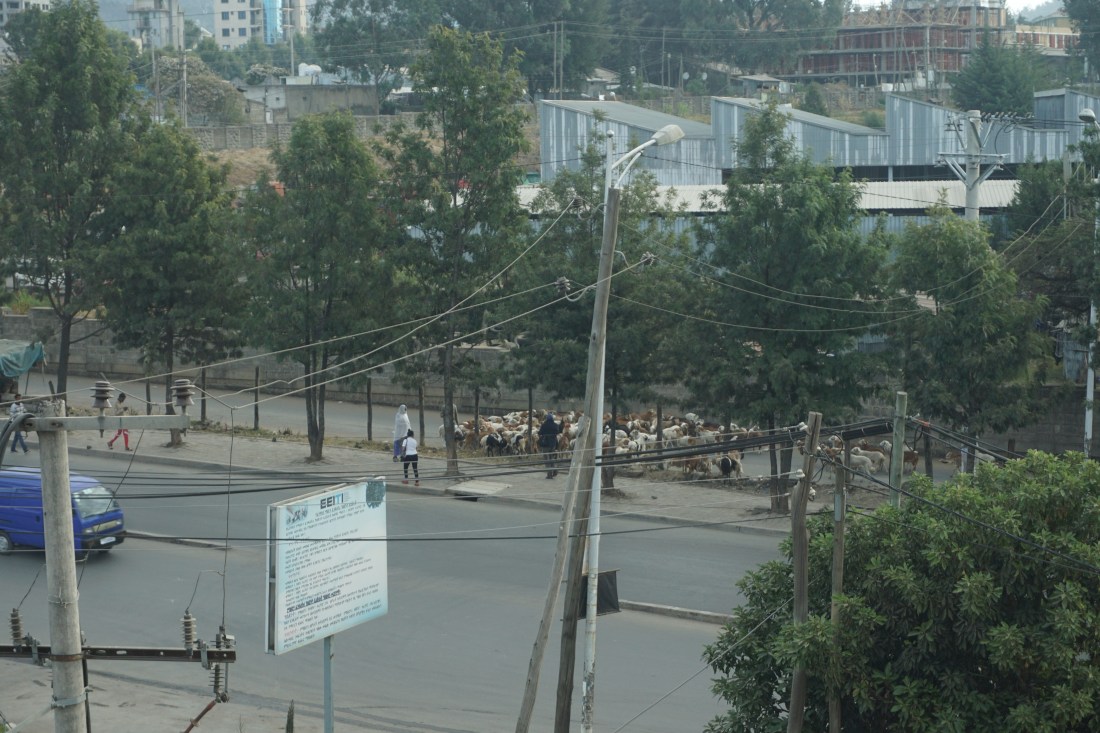
We had lunch with Yehalem, the director of the Frances G. Cosco Foundation which builds schools in communities in Ethiopia. We talked about what service we can offer the Foundation while we are here. Our lunch was at a restaurant that gives orphans the skills to wait tables for employment in the hotels that are being built to accommodate the increase in tourism.


Yehalem told me the reason the sheep are in town is that the locals buy an entire animal for Christmas. When we left the restaurant we saw two vehicles with animals tied on the roof. As well, while waiting for Yehalem I saw a man go by with a sheep that was hopping on three legs. The man was leading him down the road by one leg. Then I realized why.


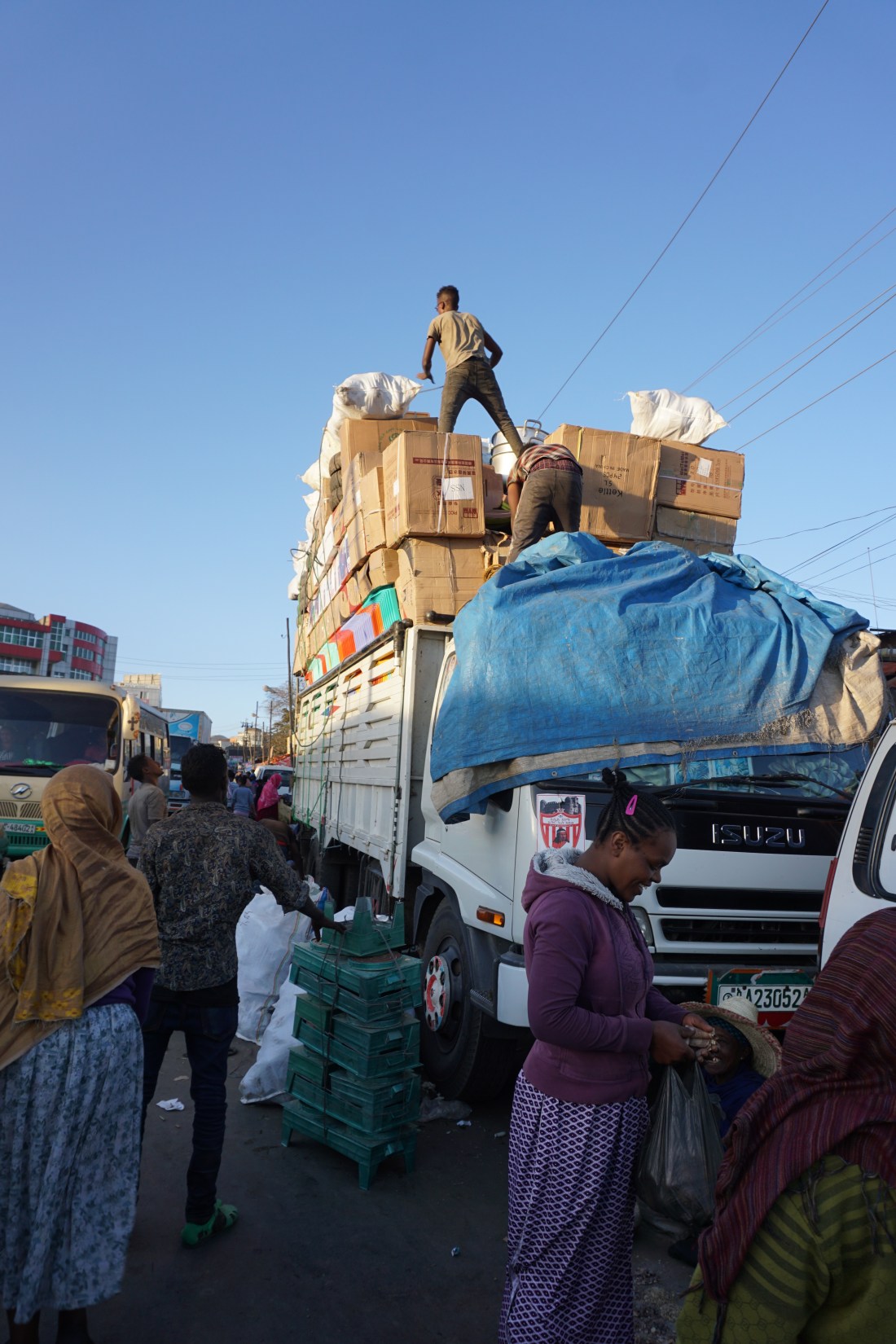
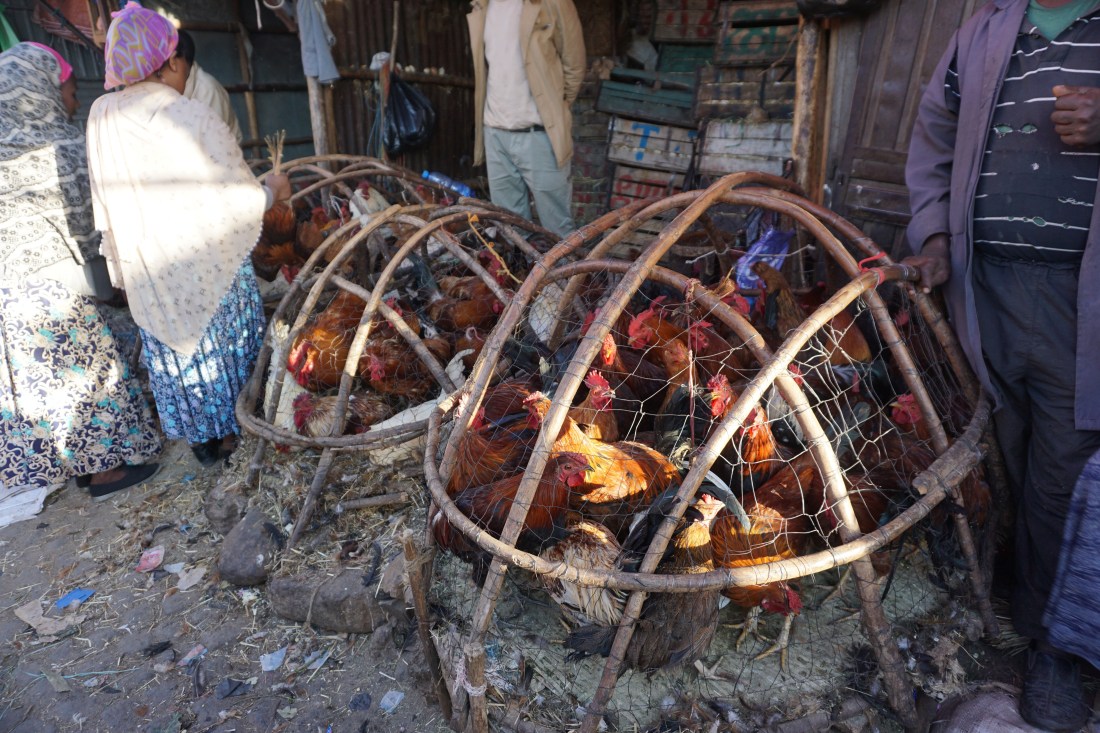
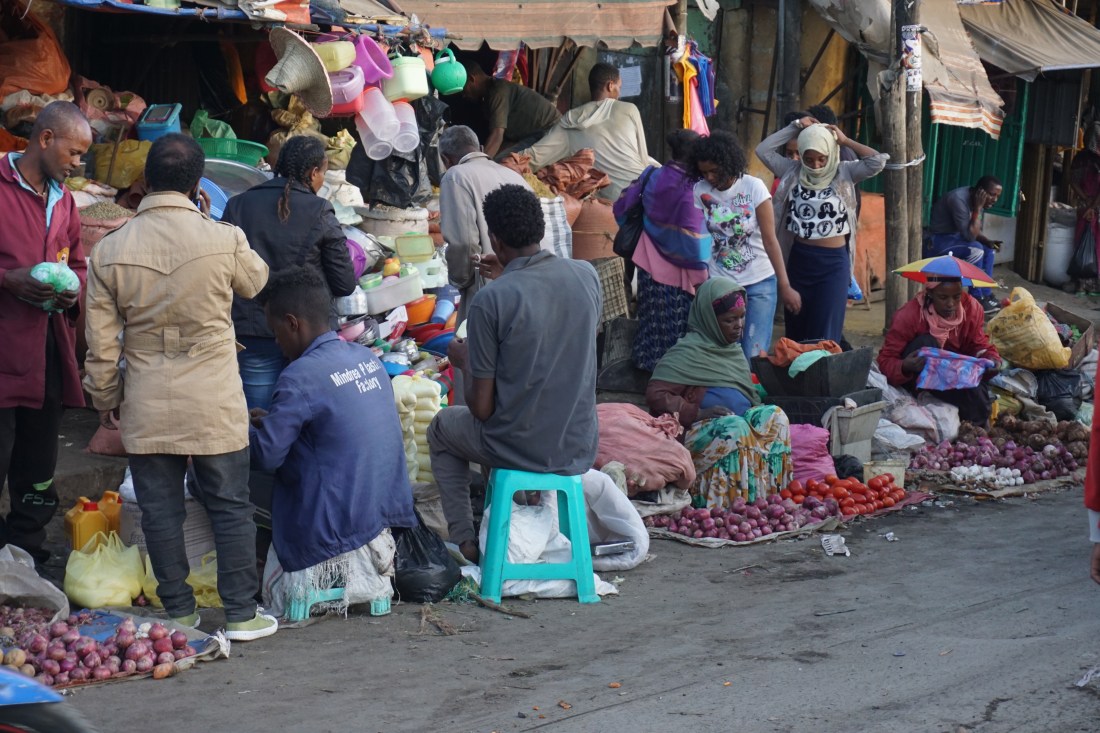
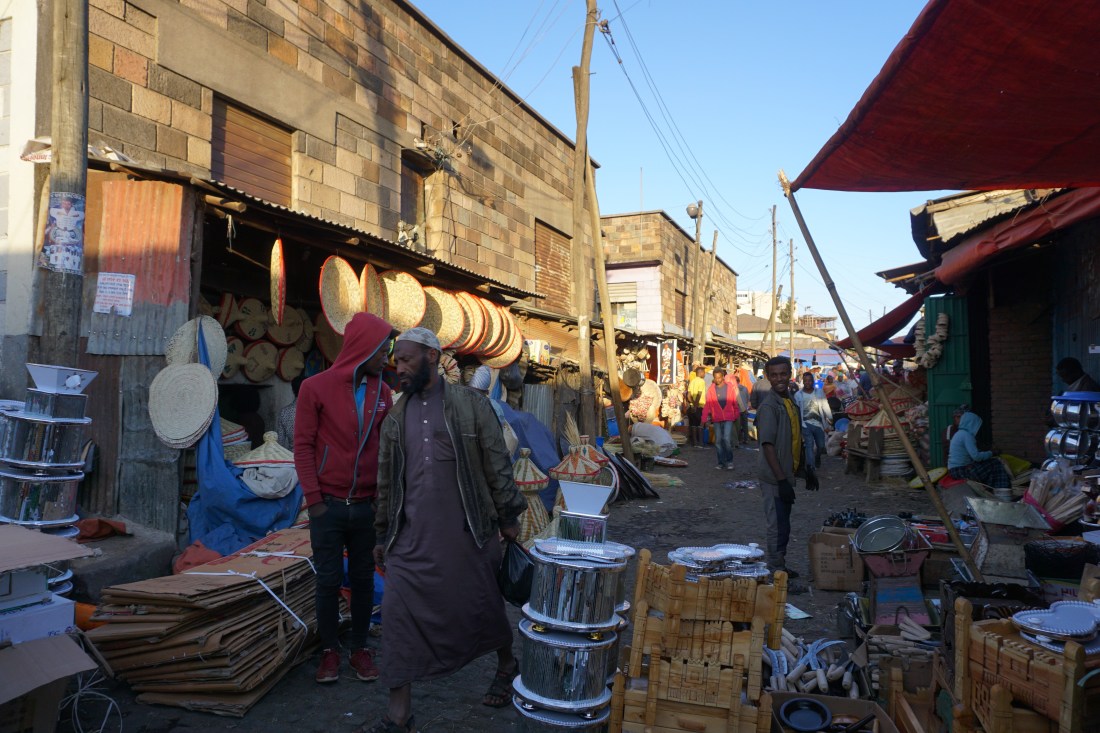
After lunch we went to the Merkato, which is the largest open market in all Africa. Our taxi cab.
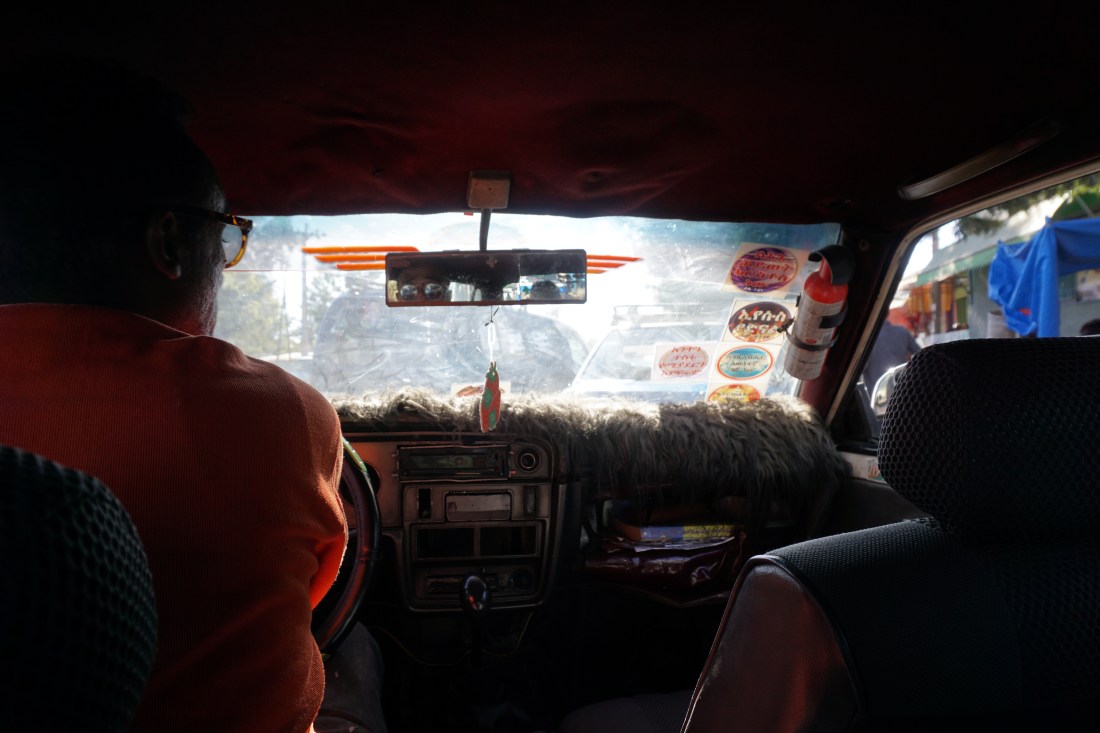
When we drove into the market looking out from the cab we were overwhelmed by the number of people and not one other tourist face. We were thinking of not getting out at all when out of the blue a man appeared offering his service as a guide for the market. We negotiated a price and were amazed by what he provided. He was proud of his country and enjoyed explaining absolutely everything we passed. His number if you need a guide for the market is 0947901155 and his name is Sun. .


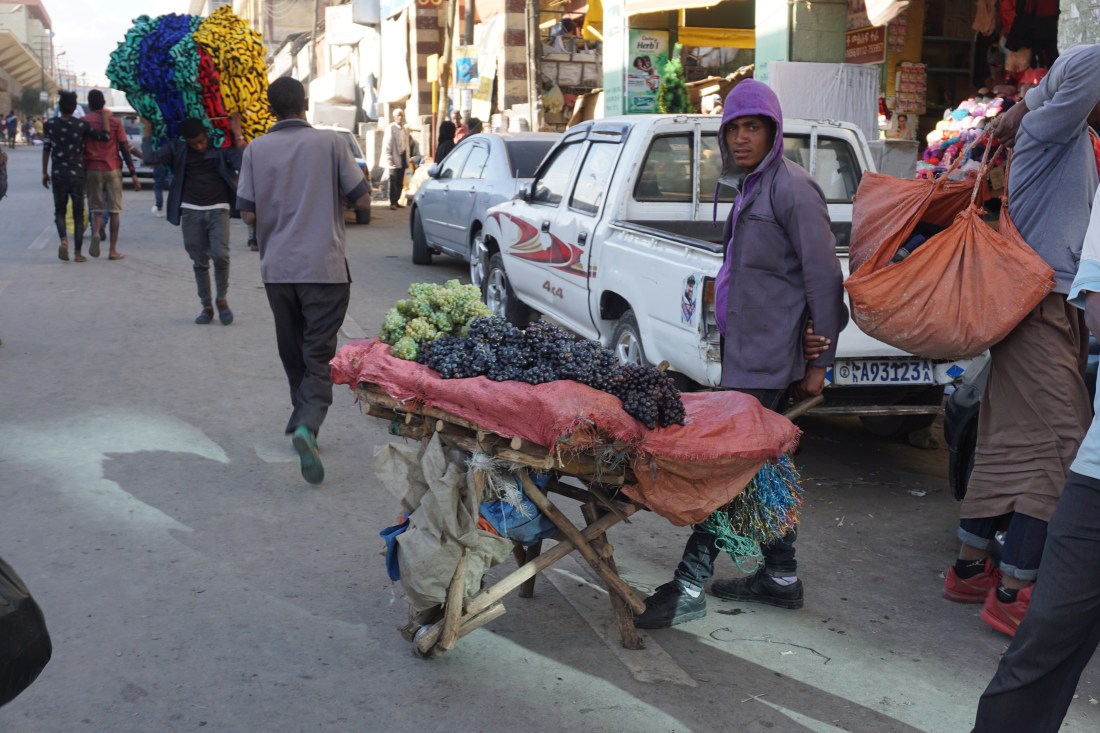
Notice the homemade wheel barrow. Our guide talked about the resourcefulness of the people and pointed out many examples of recycling that is evident in their products. Notice the red sling on the man’s back on the right.
People carry their products in these tarps and lay them in the market where they can. They do not have licences so they are always on the watch for the authorities. In the bottom left picture you can see the security with his stick chasing them and the left picture the boy leaving with his products.


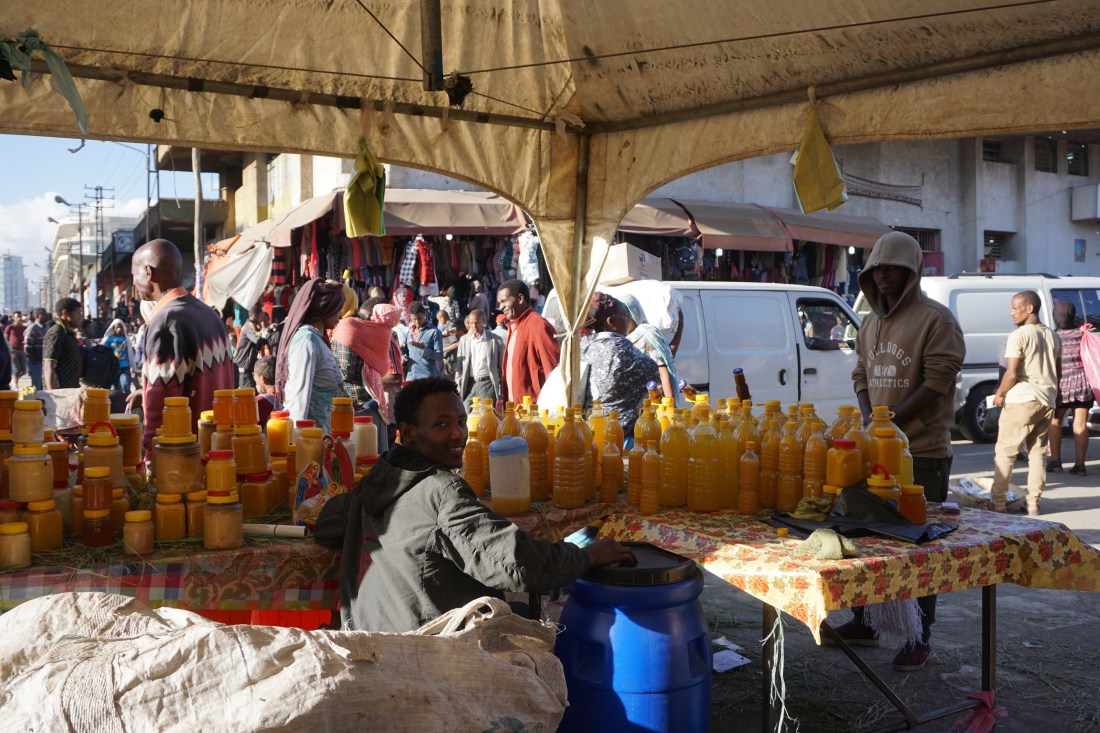
John bought a bottle of this home made honey alcohol that is made at home and sold for Christmas which here is Jan 7 Orthodox) The market was extra busy because of Christmas shopping.


They burn frankincense on their little stoves for the rich smell when they have their friends over for Christmas.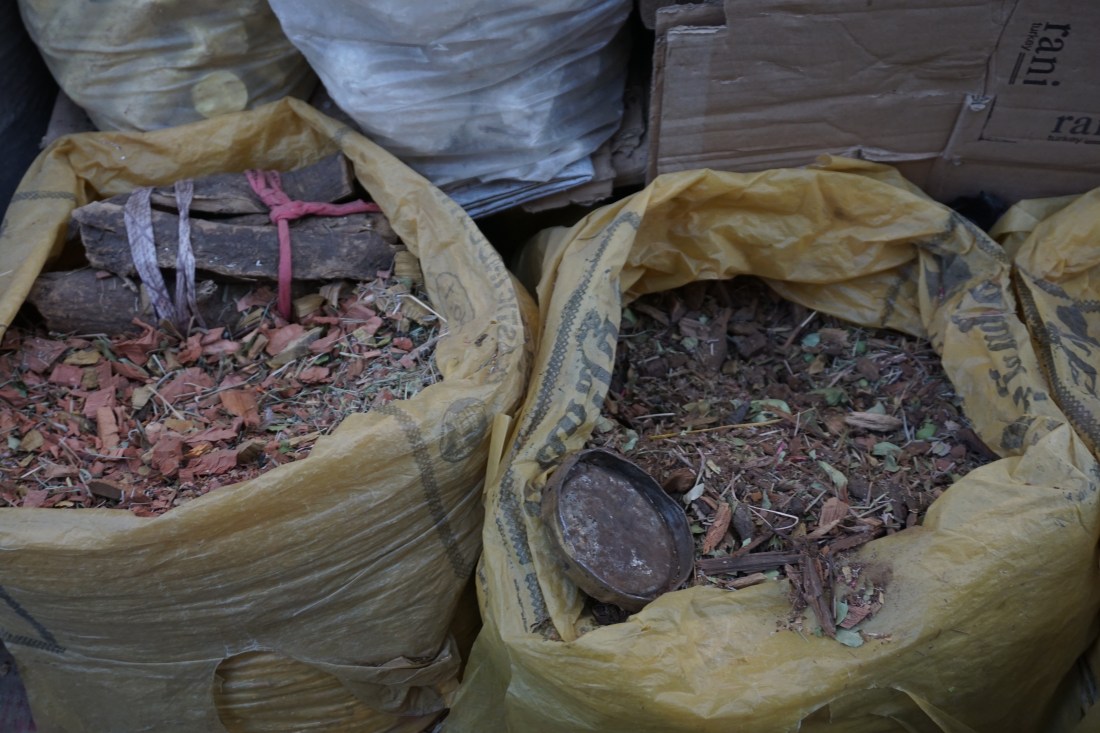
The sulphur is used for cuts and sores and the khole, in block form and little bottles for womens’ eyes.


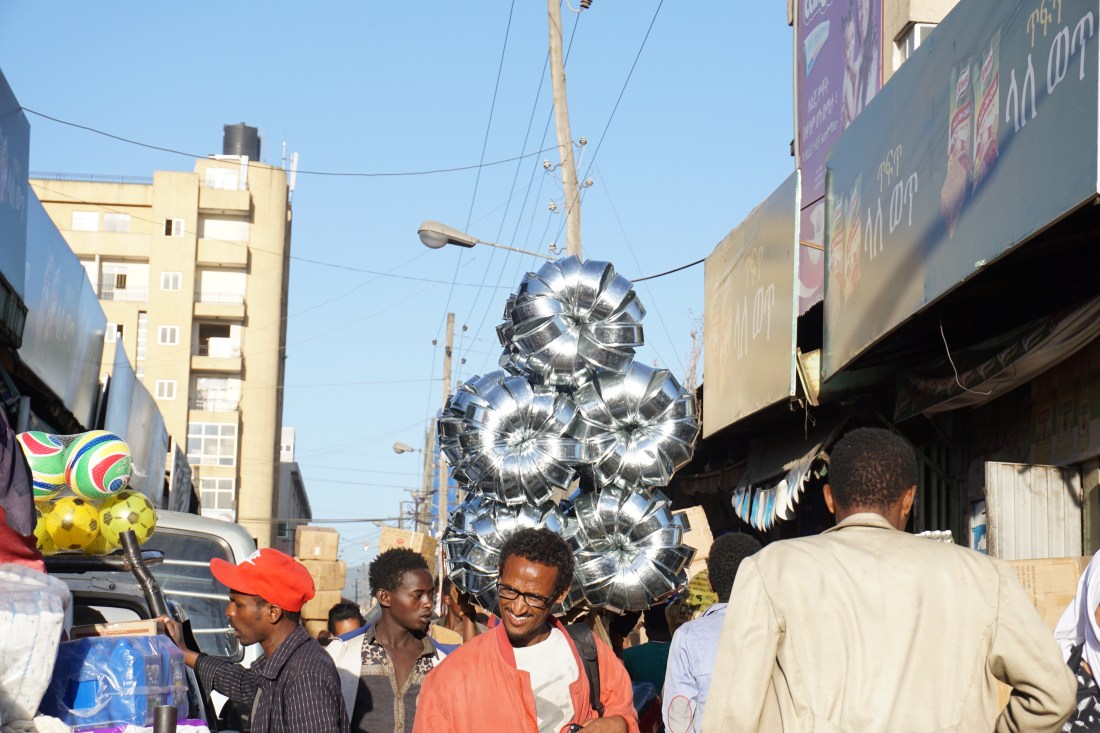
Strainers and sieves made from recycled metal drums.
These women make envelopes from recycled paper. The vendors selling spices buy from them.


These women are cutting up a fibrous food from the base of a banana plant that does not produce bananas and then mix it with butter. Further refining and mashing produces a type of porridge.
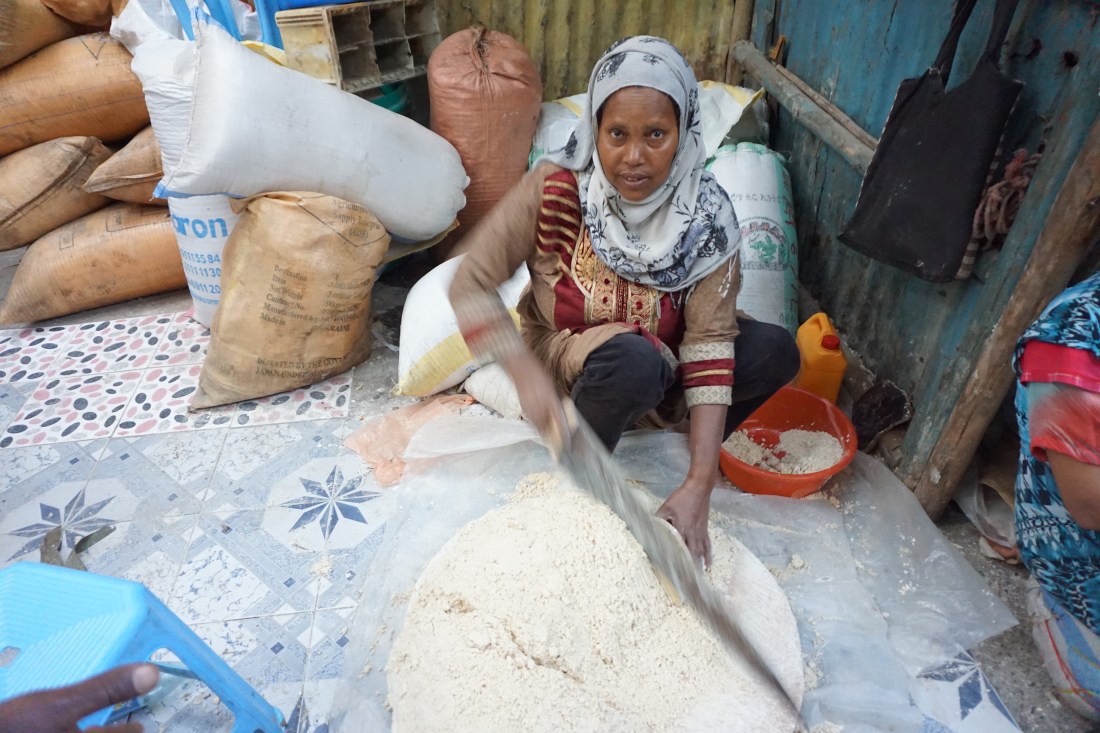


Wrapped and sold in packages.
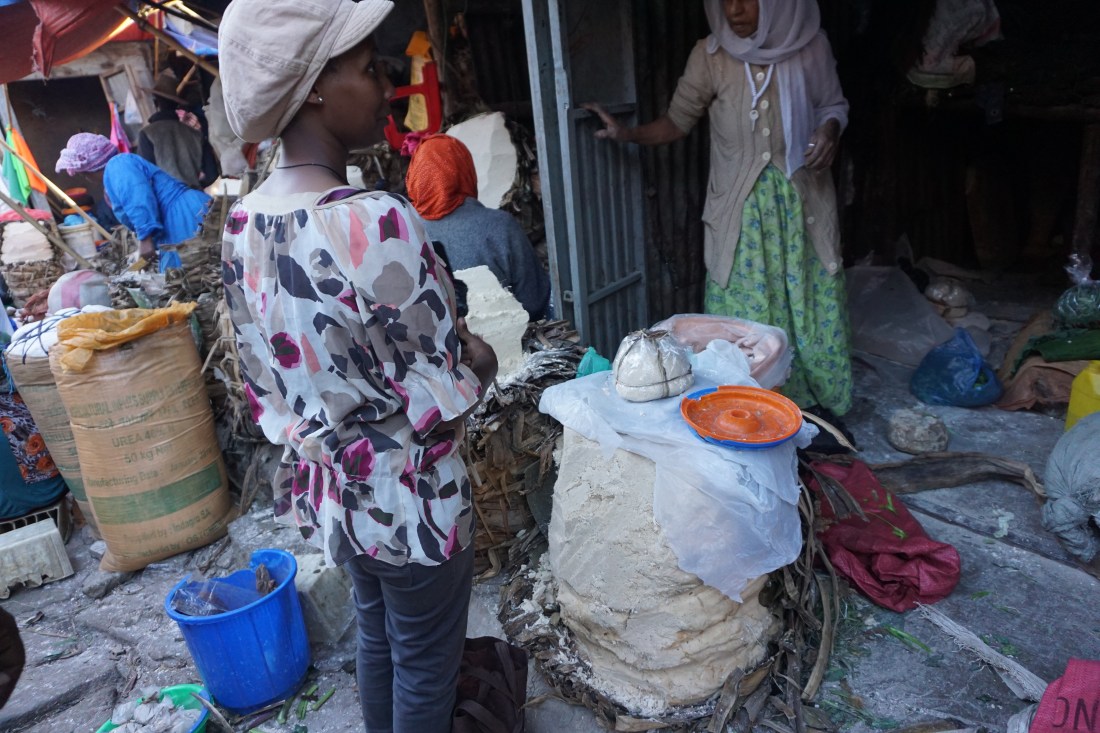
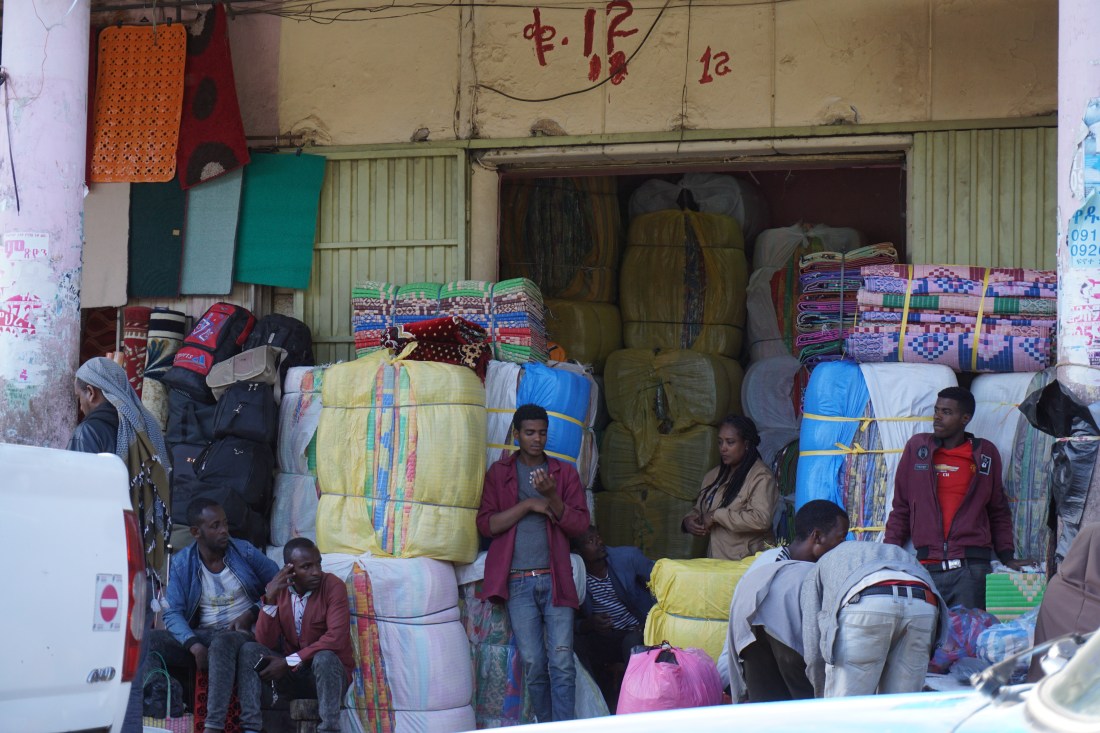
Buying at the market to take to the outlying communities.


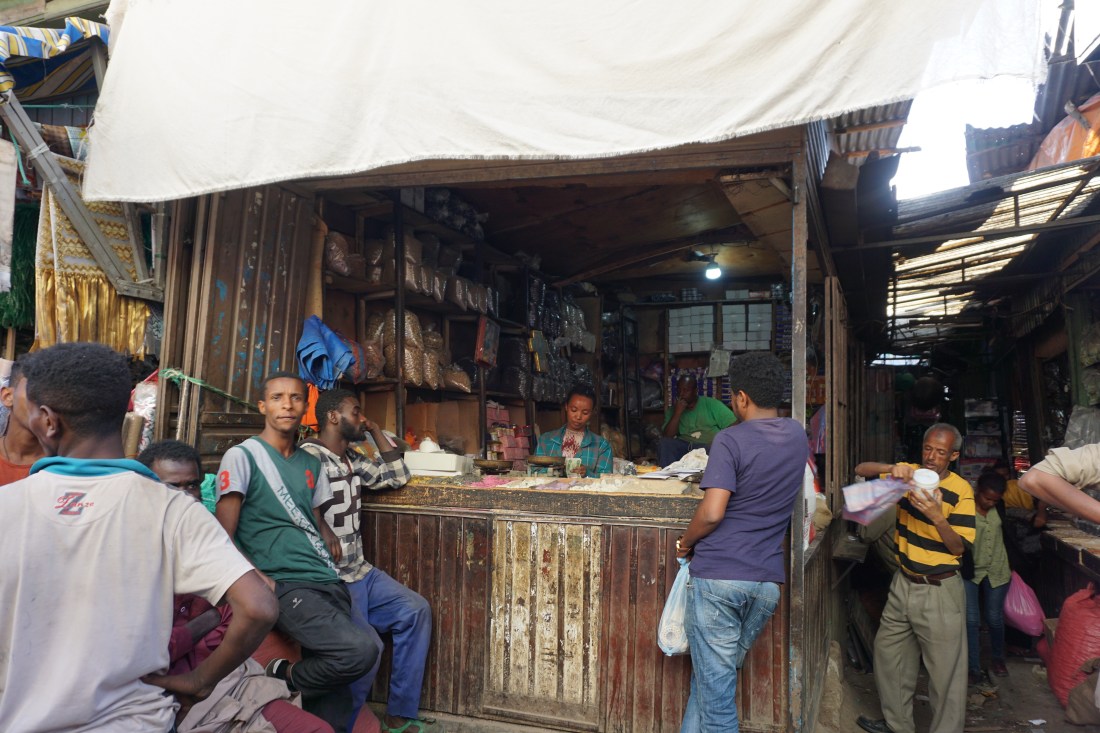
Spices abound.


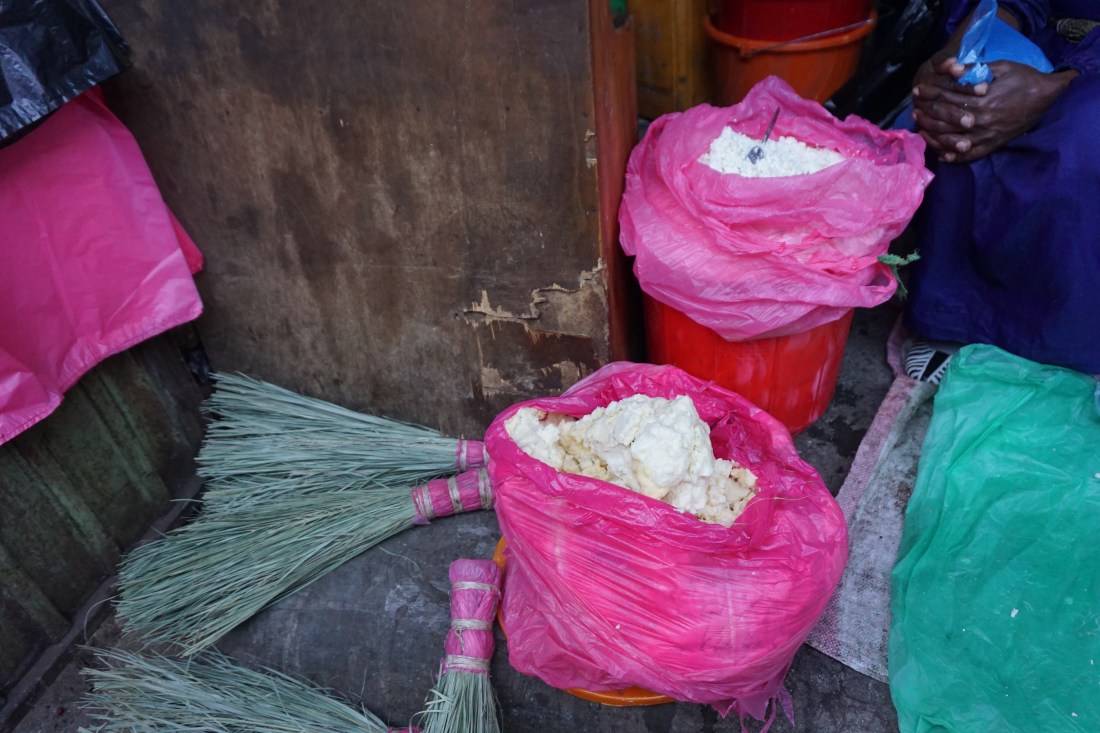
A type of butter women put in their hair and leave for up to six hours before they go to the hair dresser to make it soft. Cottage cheese in the back bucket.




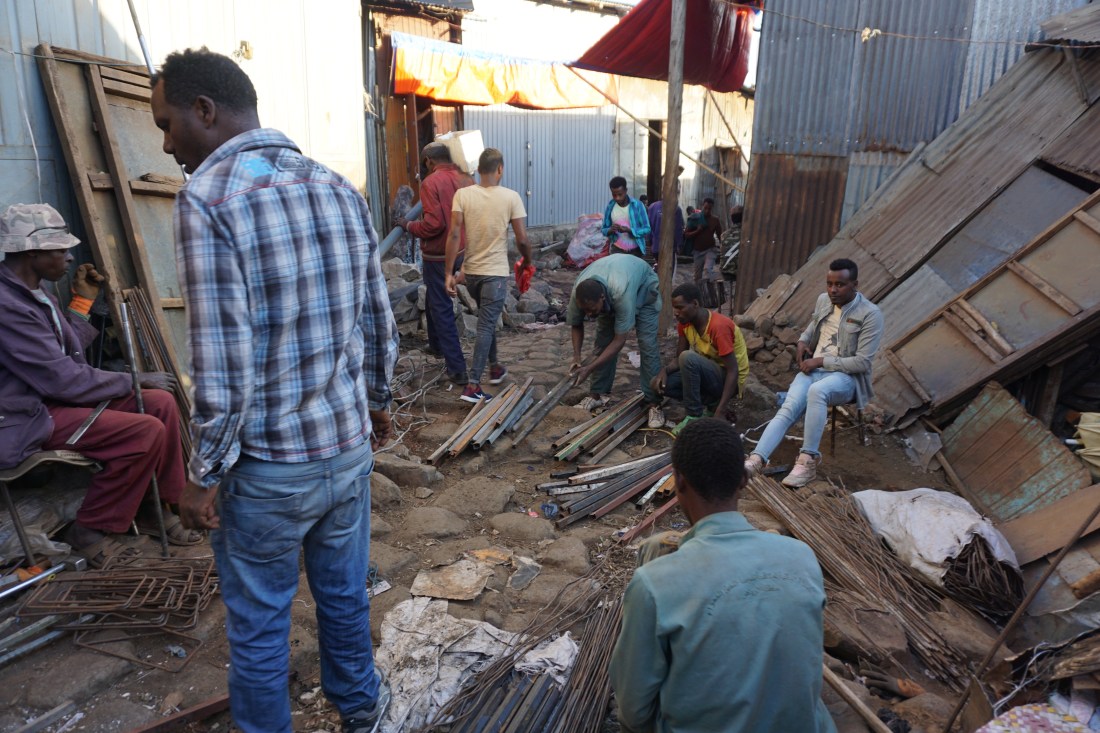
Metal being recycled and reused.


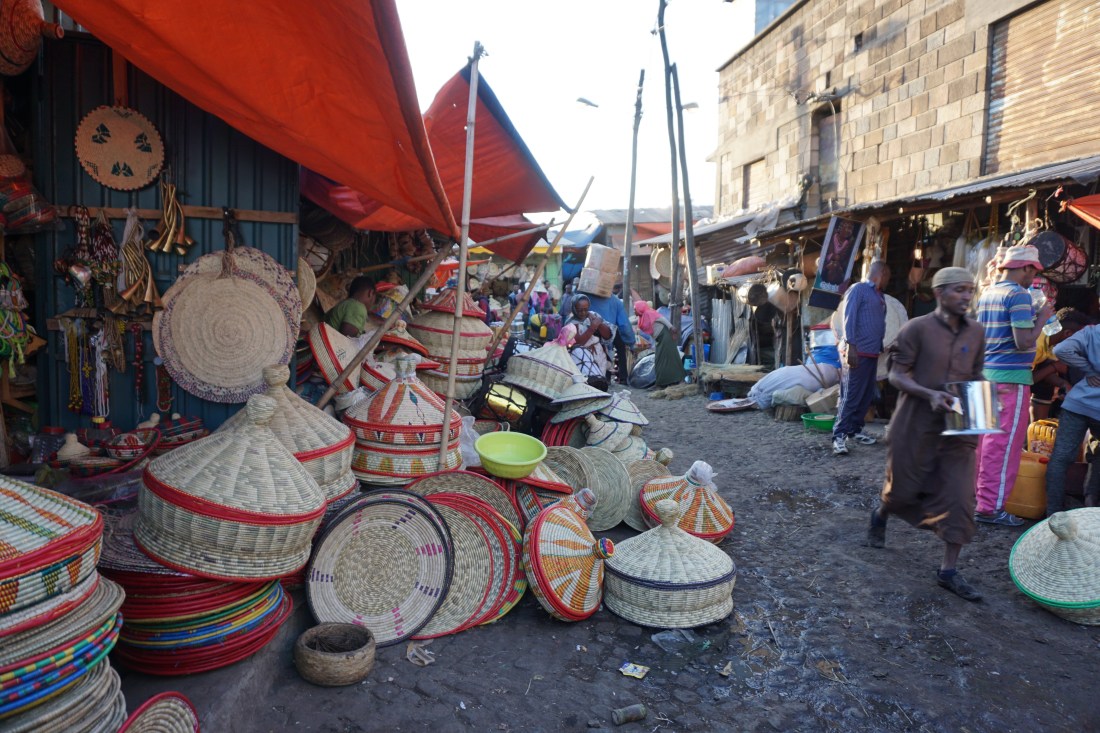
Large baskets made to store injera in which keeps it fresh for up to four days.

Animals like this pregnant goat wander the market eating the scraps, then go home on their own at closing time.

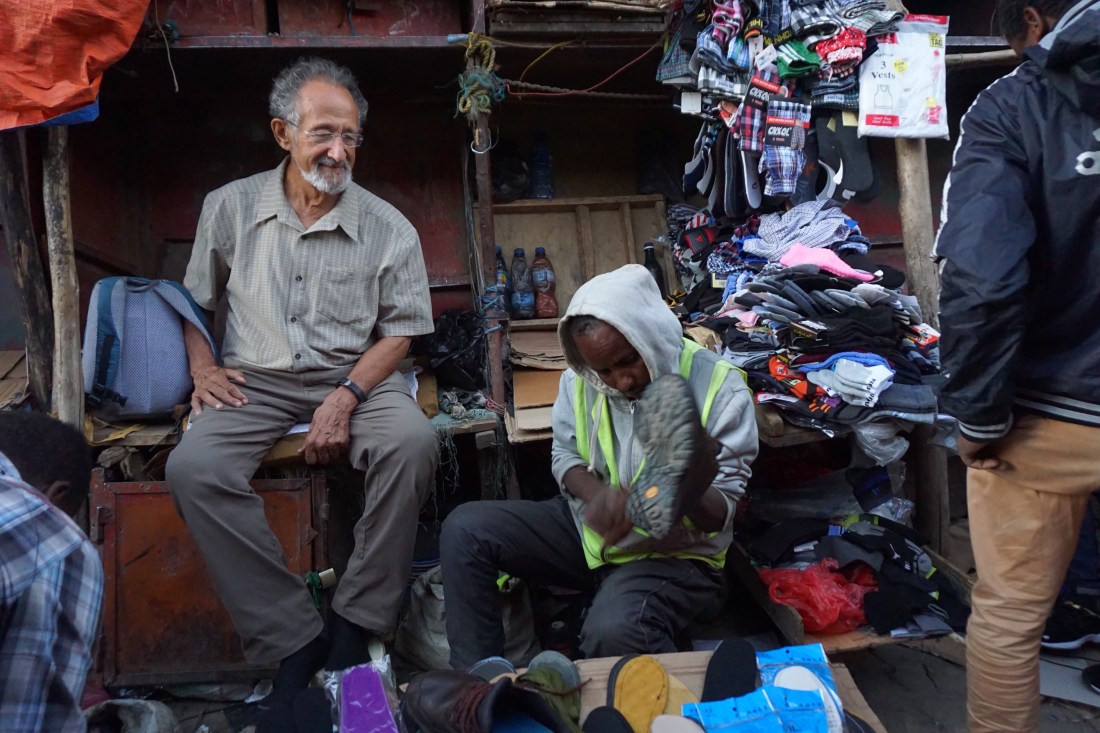
A happy camper.
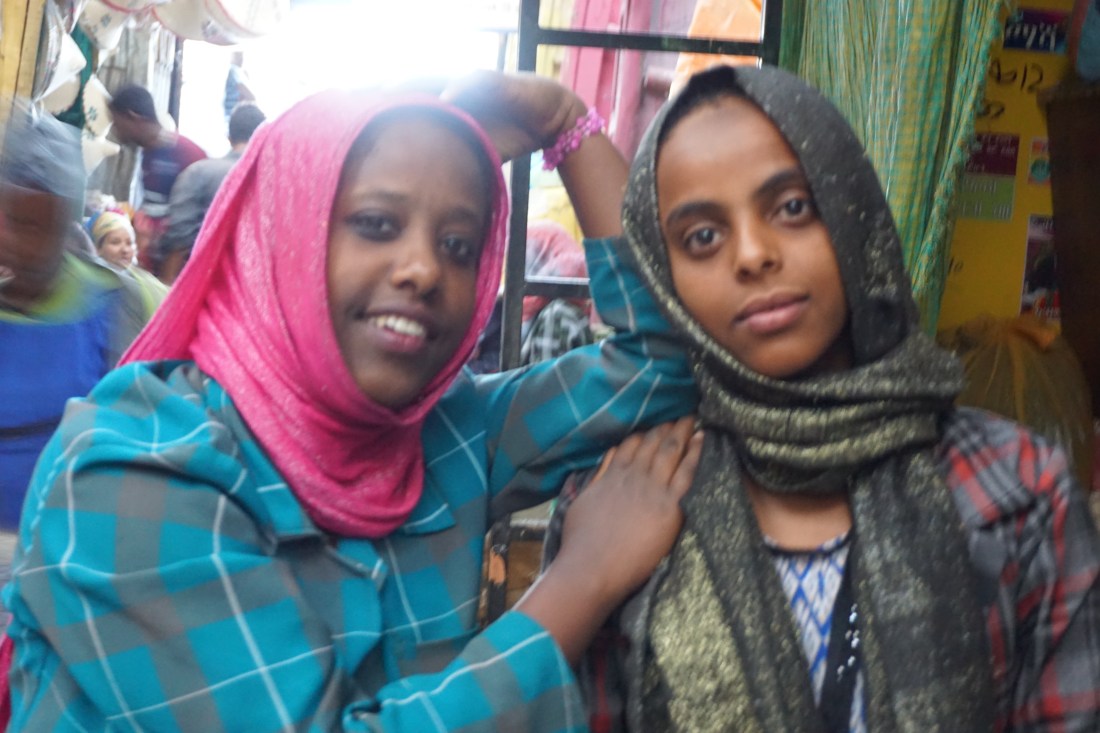
When these young girls saw me taking photos they were happy to pose for one.
 BeverleyandJohn's2018Travels