Northern Ethiopia – Mekele

Our last day in Ethiopia involved visiting the two oldest Orthodox Churches in the country, both of which our guide said were still standing due to their inaccessibility.  One was on top of a mountain, the other tucked onto a ledge of a cliff.

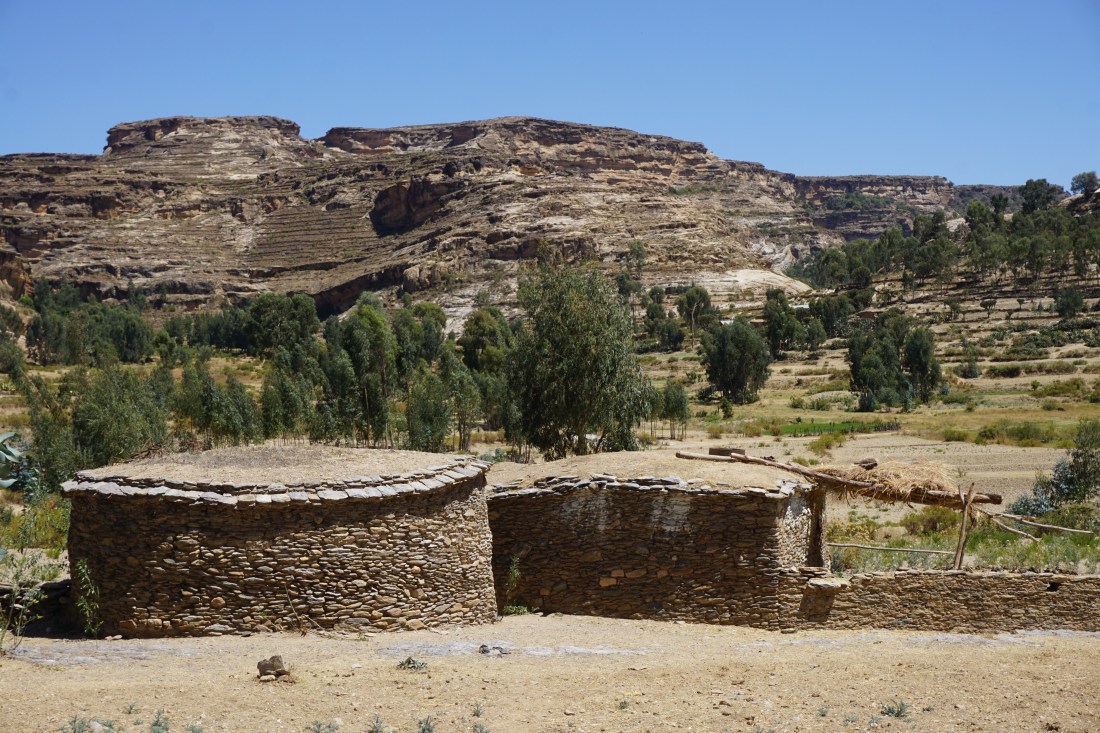
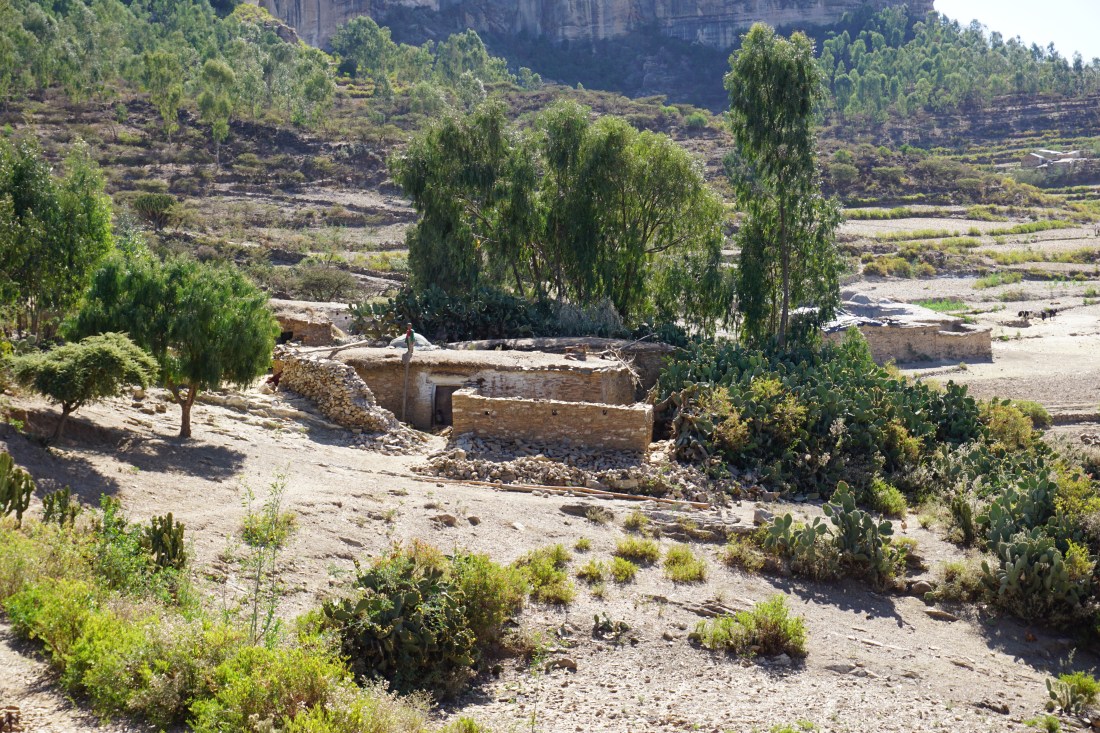
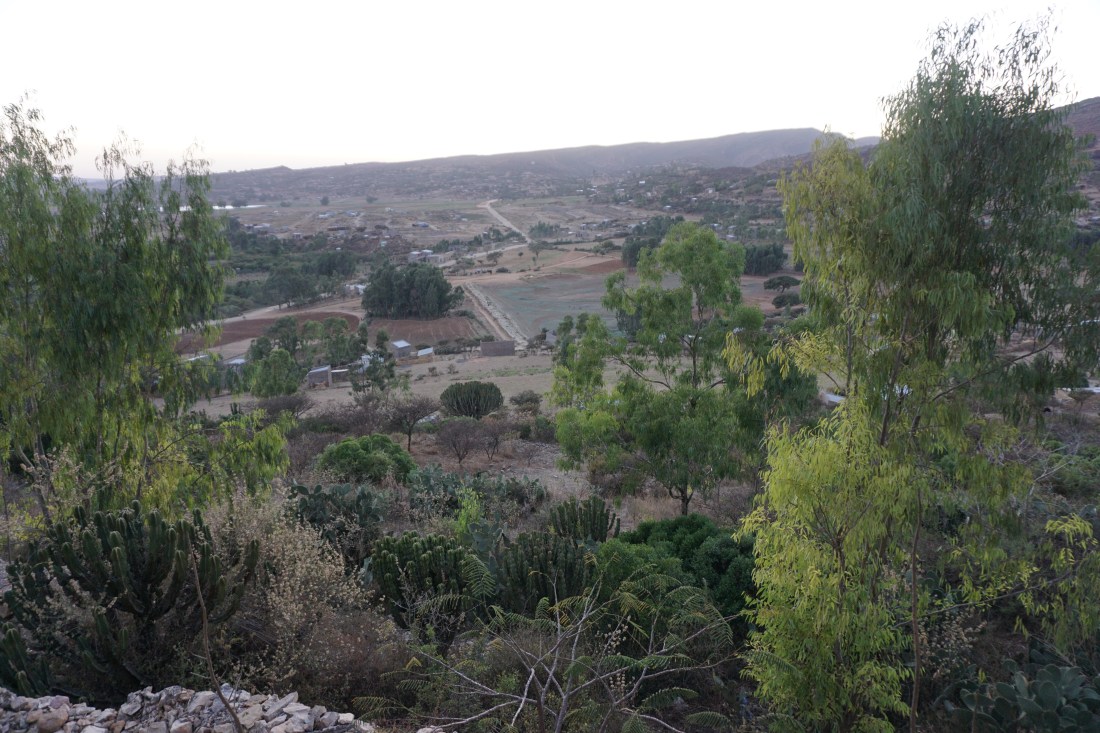
Heading to them we passed beautiful rock homes.
DSC03825

DSC03822


DSC03721


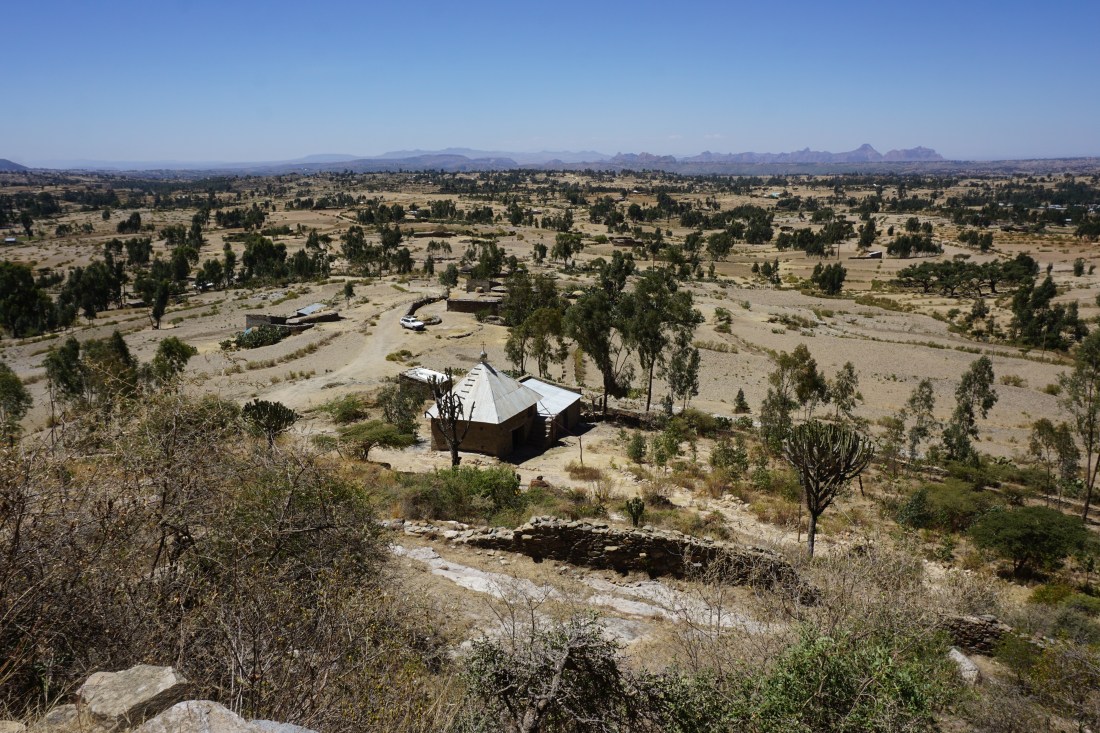
Climbing to the church.

DSC03782

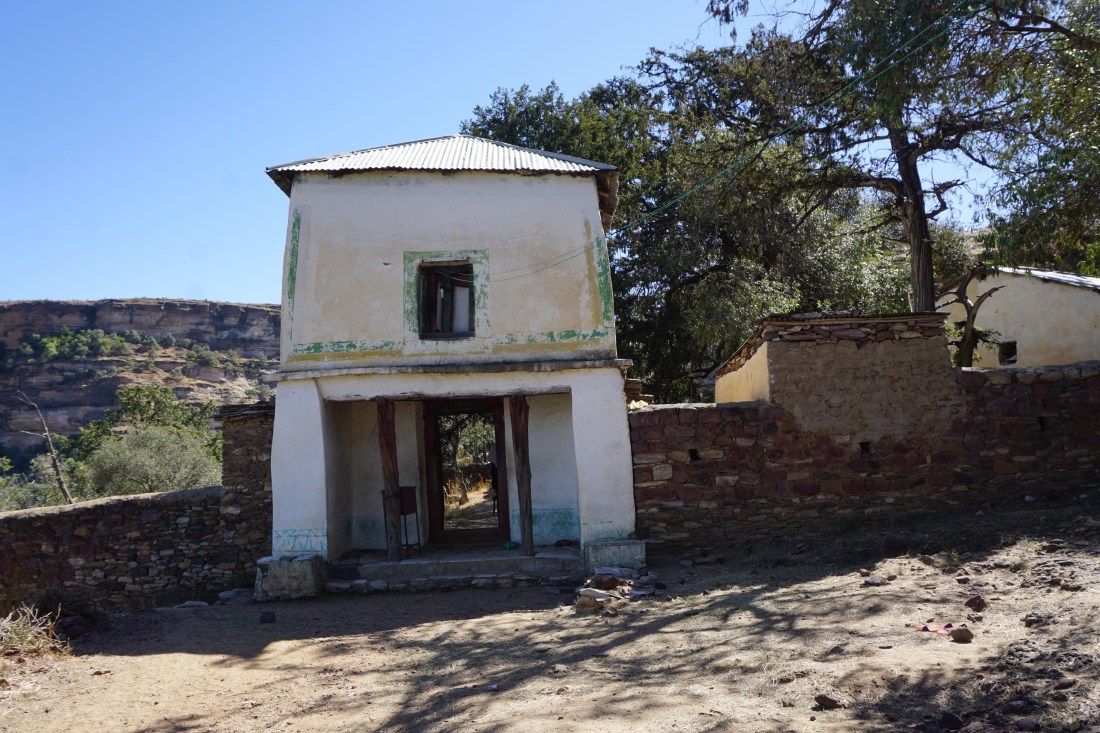
The entrance to the church yard.

DSC03726


Inside the church yard these men were digging a grave for a woman in the community who had just died.  She was 106. The community was mourning.


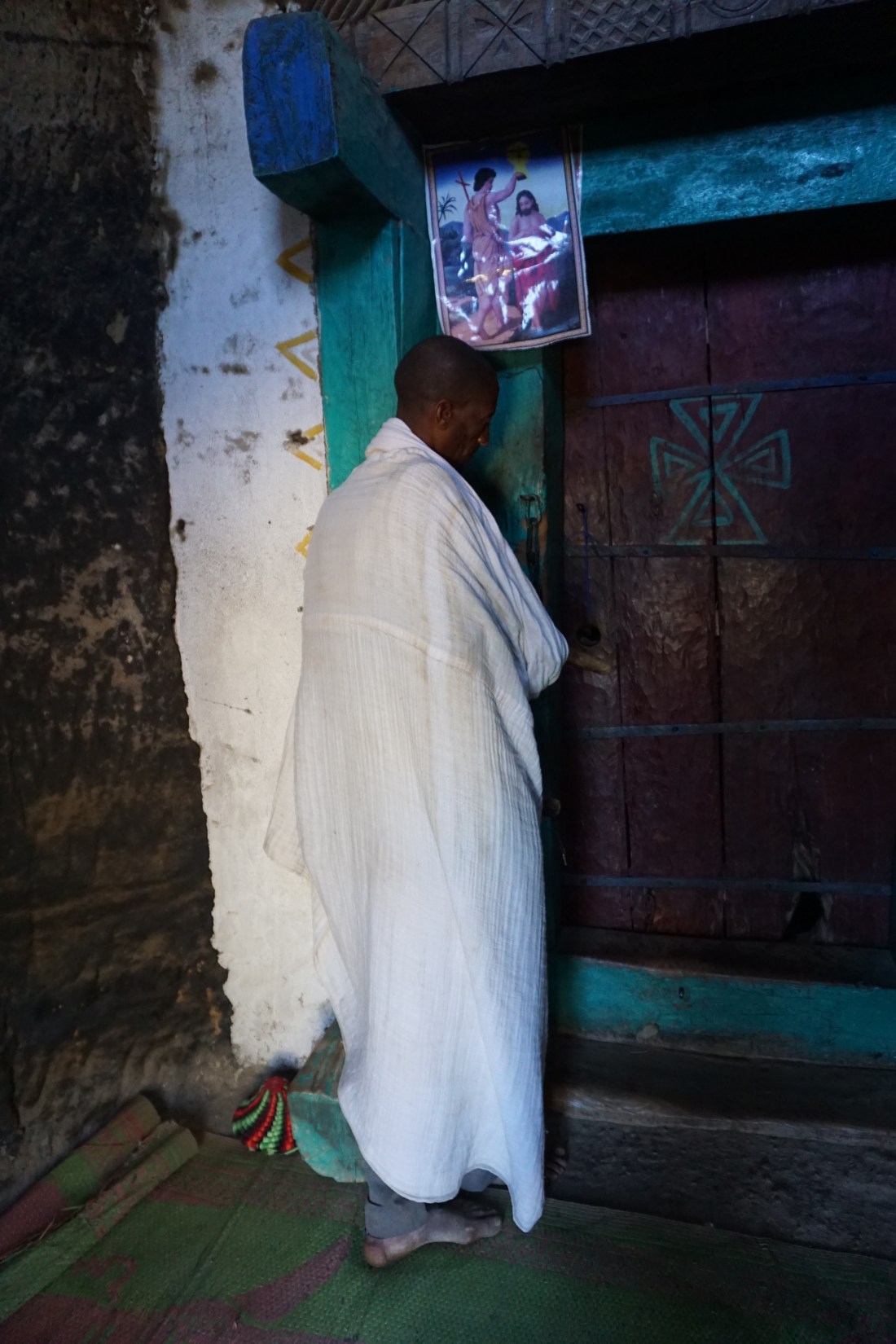
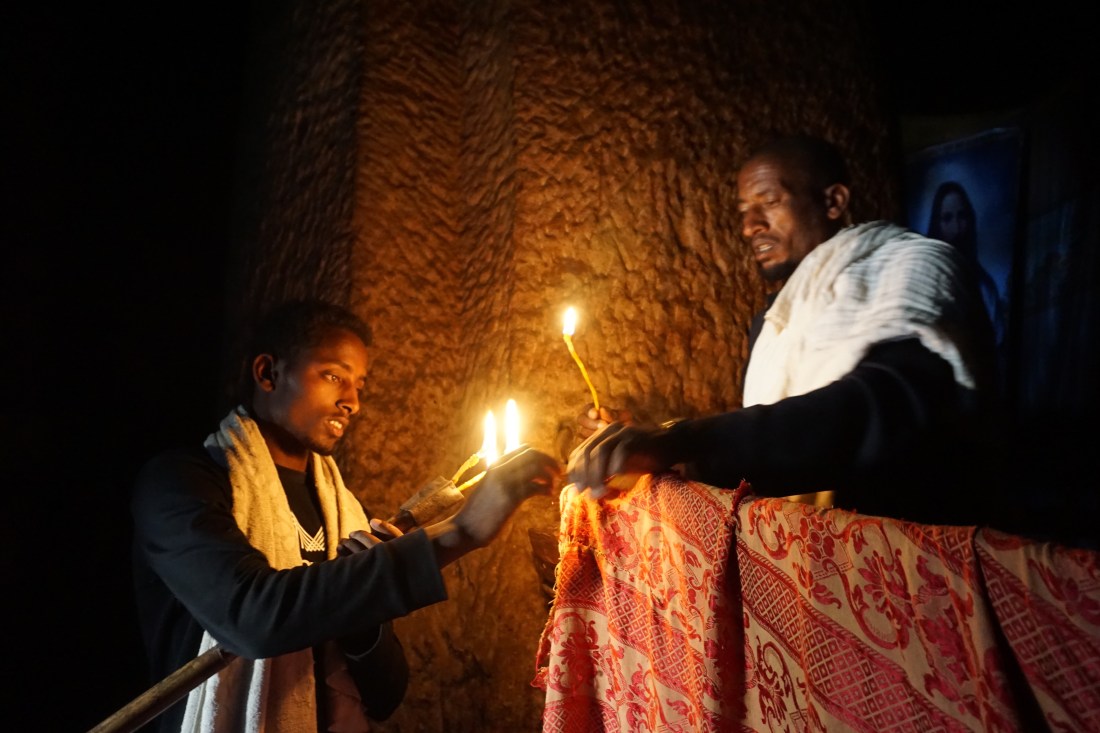
The priest opened the church door which was an intricate traditional operation in and of itself.
DSC03730

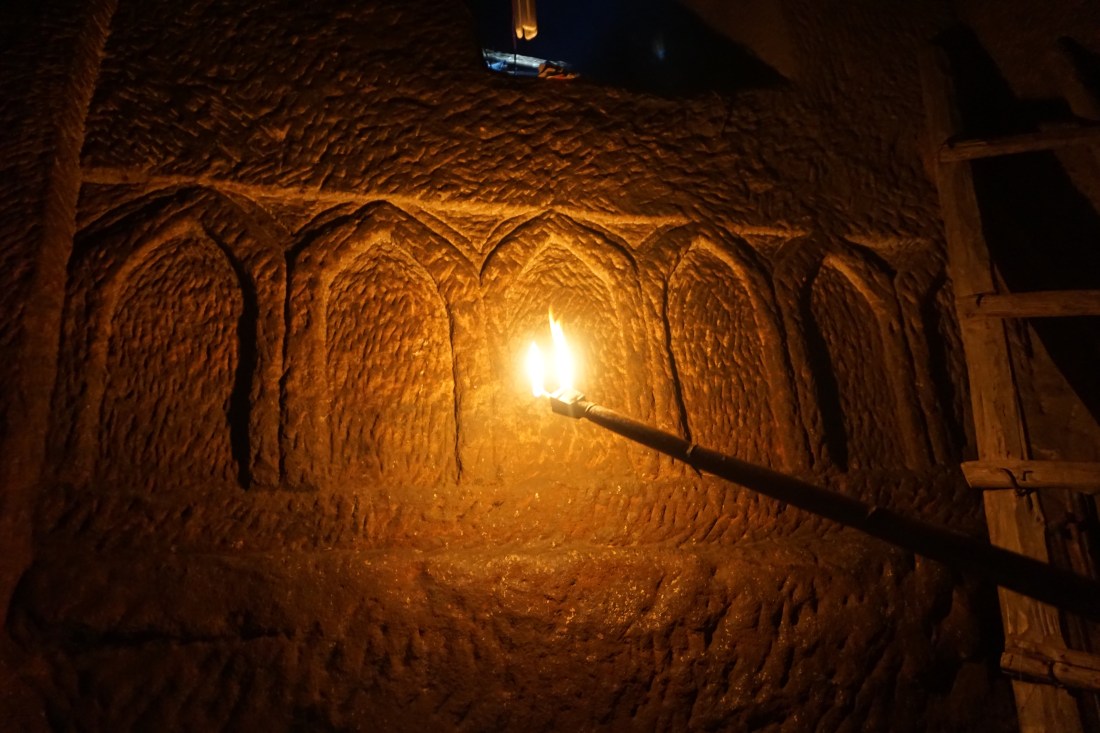
He lit a torch for our guide so he could tell the stories about all the carvings on the walls and ceiling.
DSC03735


DSC03736


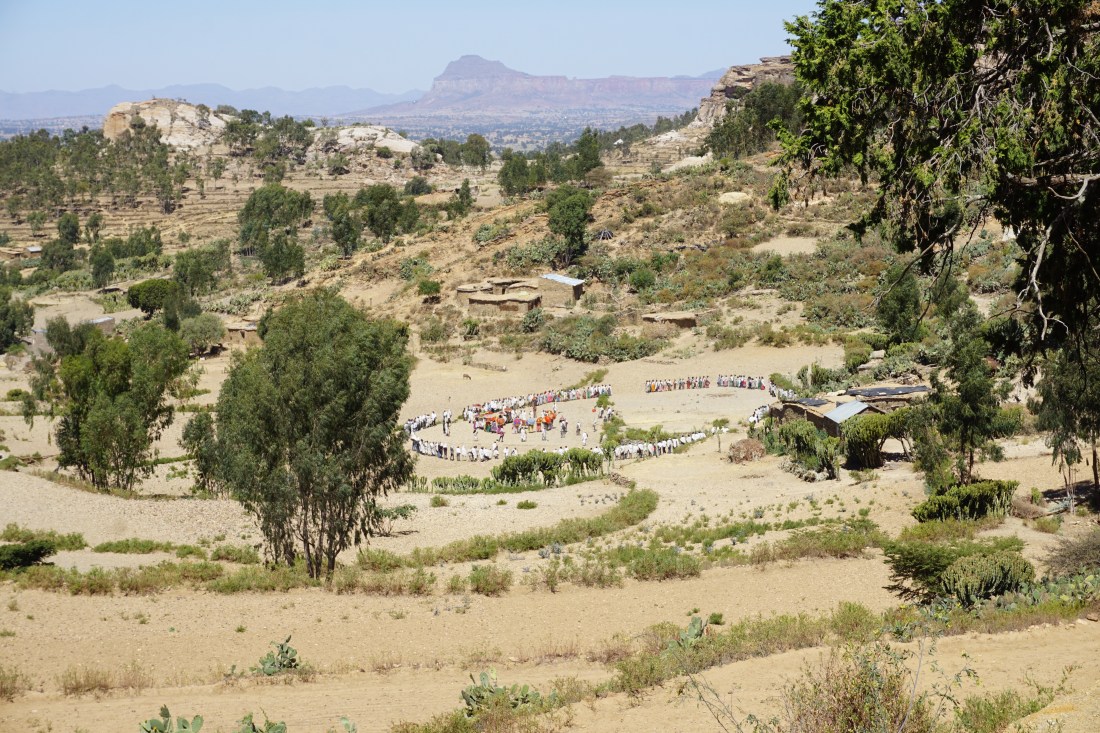
Coming down we saw the community gathering for the crying vigil for the woman who passed away. We were told it was a happy event as she had reached a great age.
DSC03764


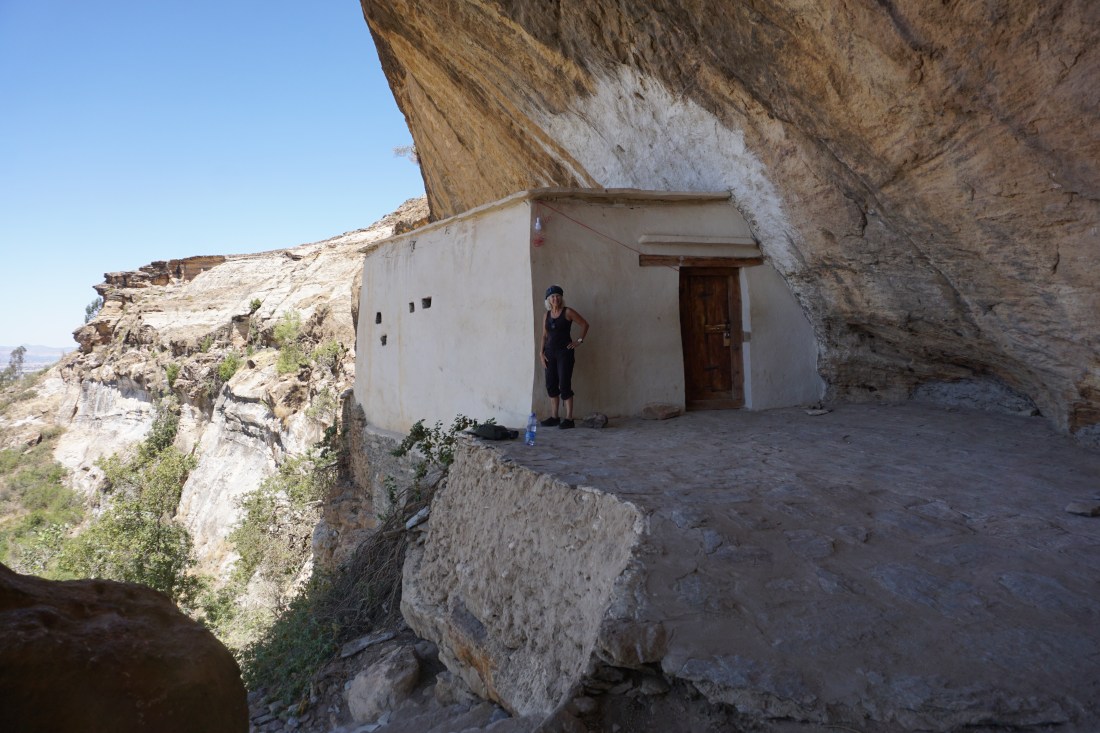
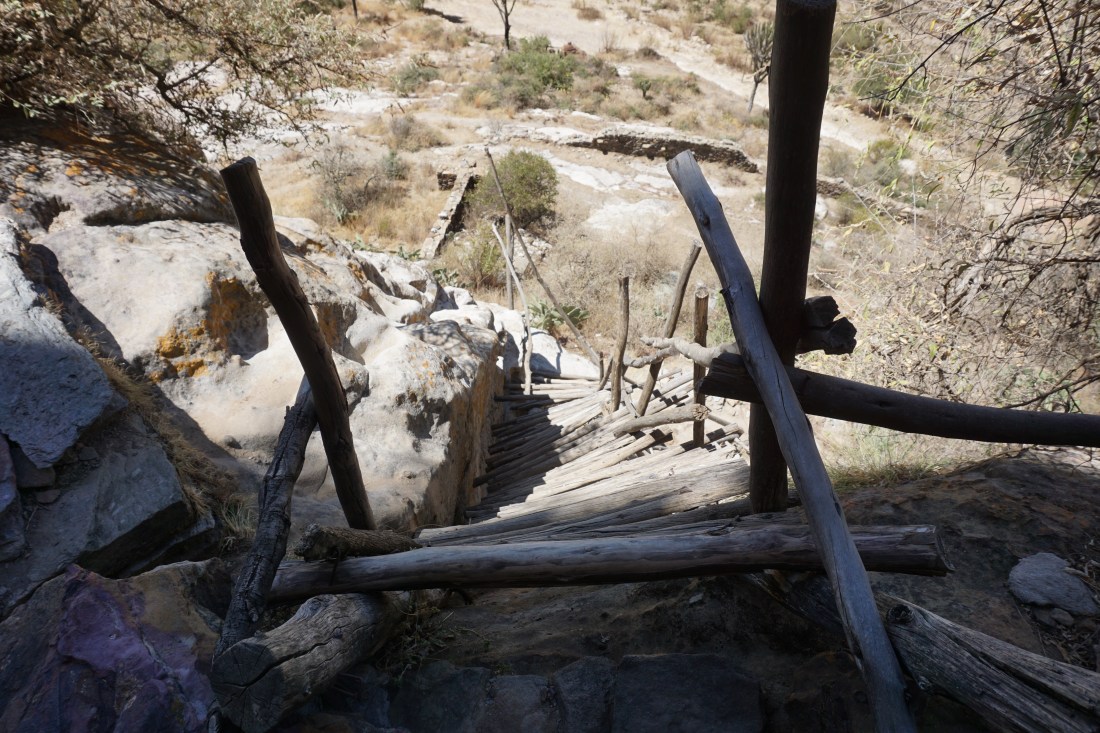
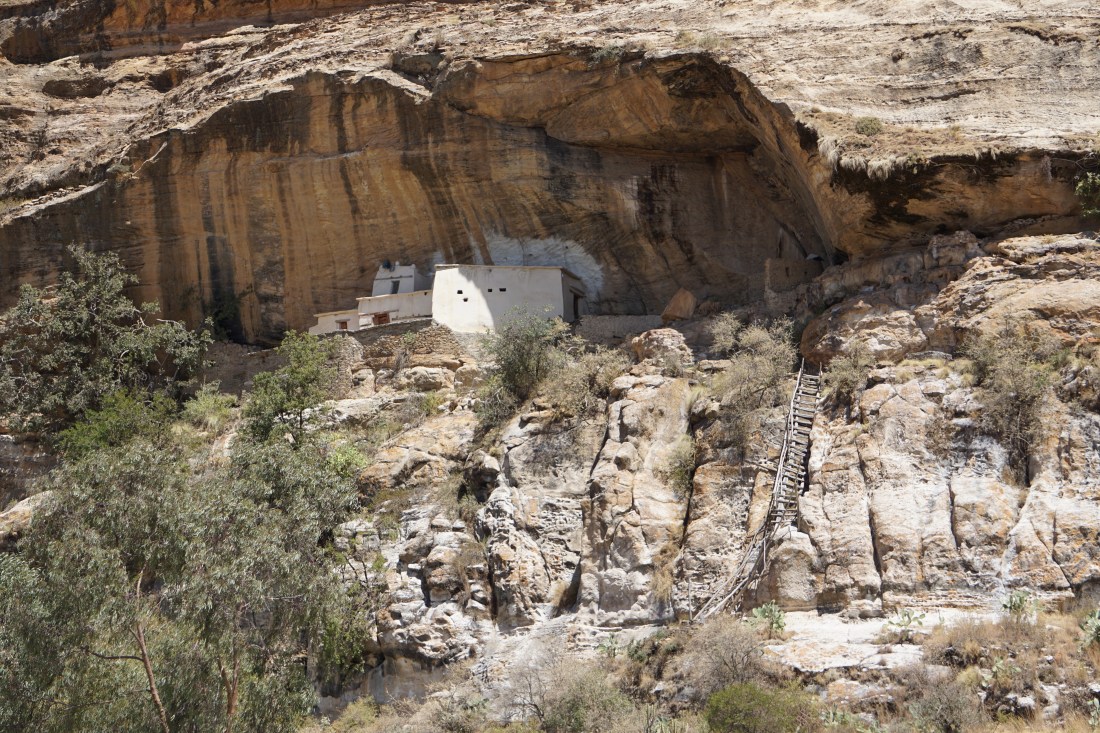
The other church we visited was tucked up on a ledge and only accessible by ladders.
DSC03821

which I was assured were absolutely safe.


DSC03790


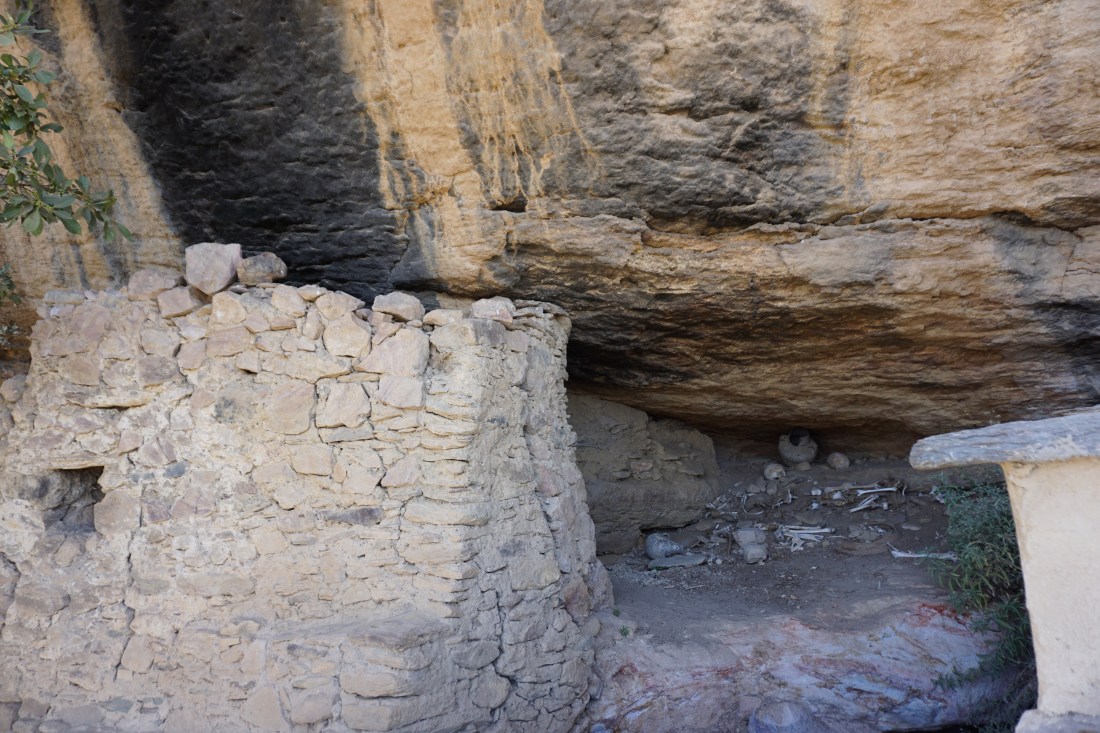
Bones and earthen ware jugs from ancient pilgrims.
DSC03806

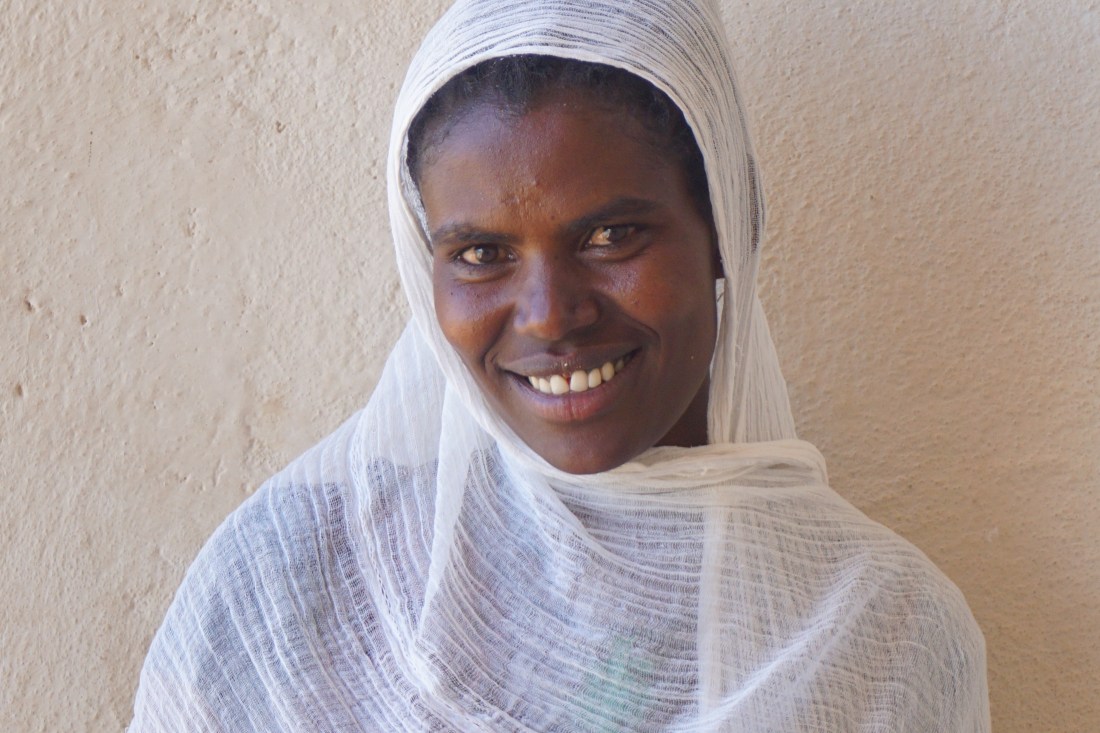
The priest’s daughter opened the church as her father was at the funeral.
DSC03817

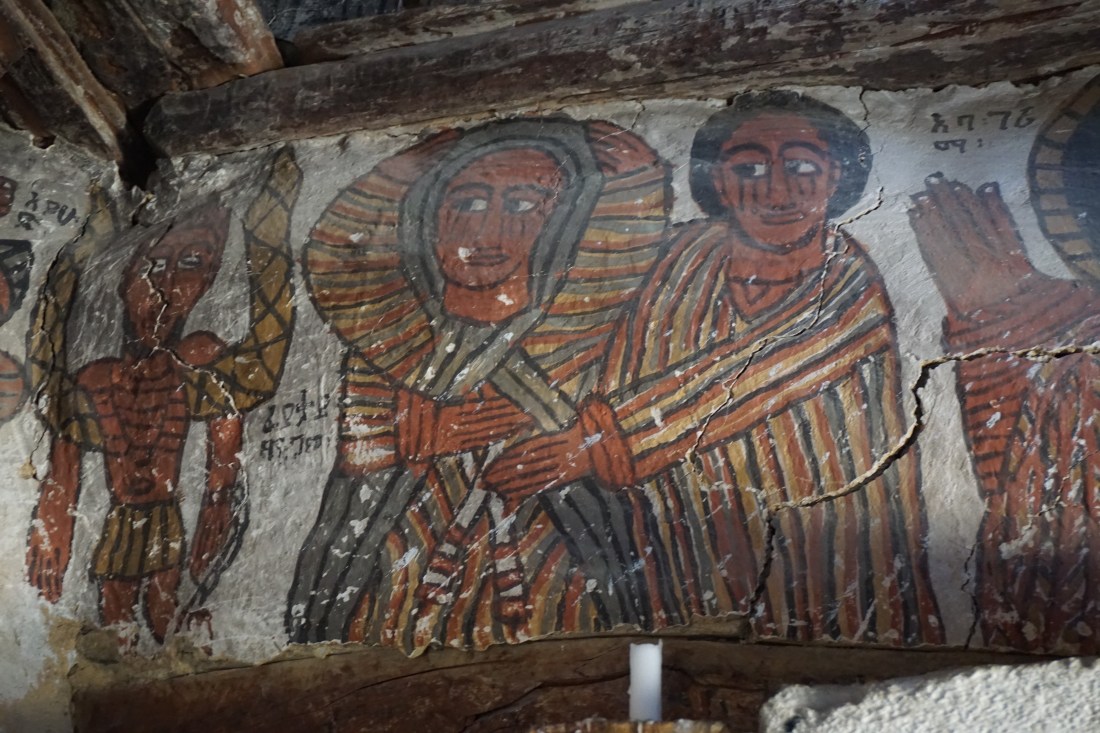
The amazing ancient pictures on the inside of the church telling the story of Christ.
DSC03798


Coming down, really.

DSC03786

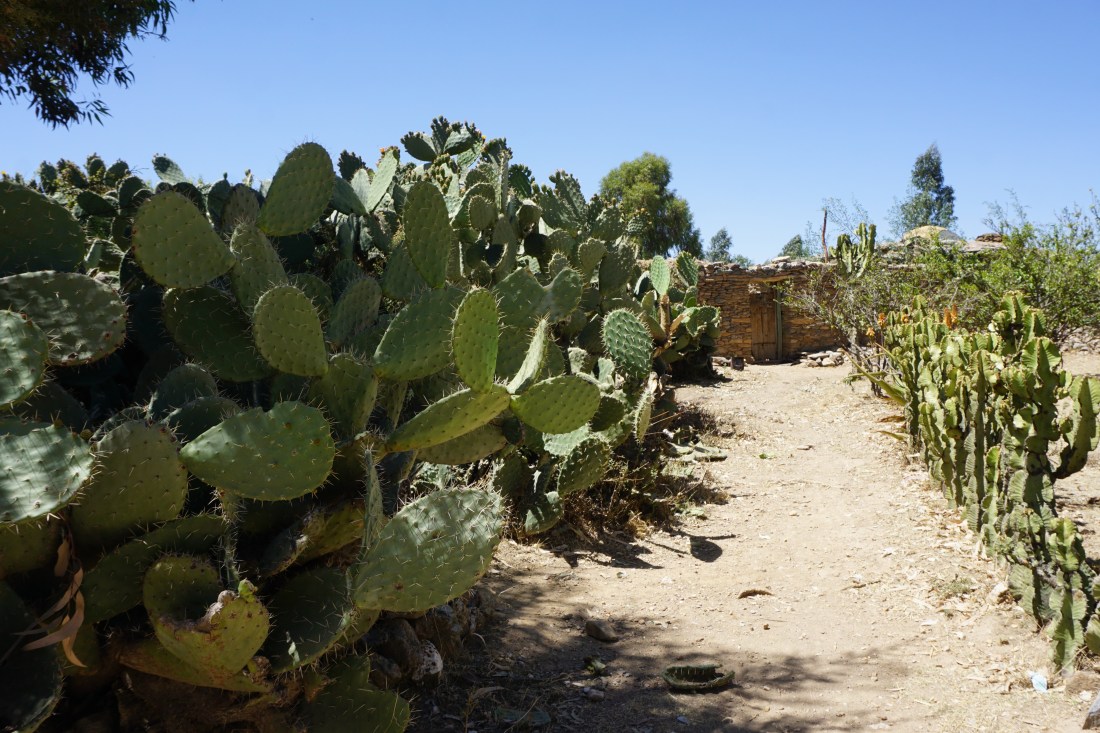
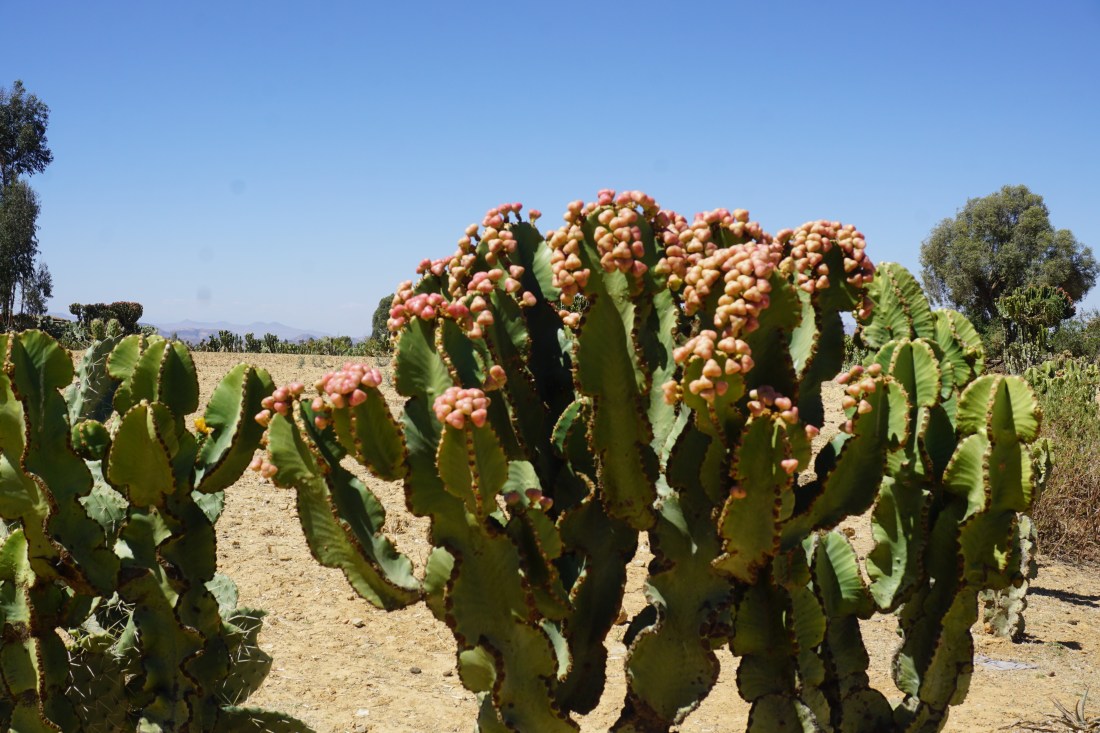
The cactus in the area were just about to bloom.
DSC03779

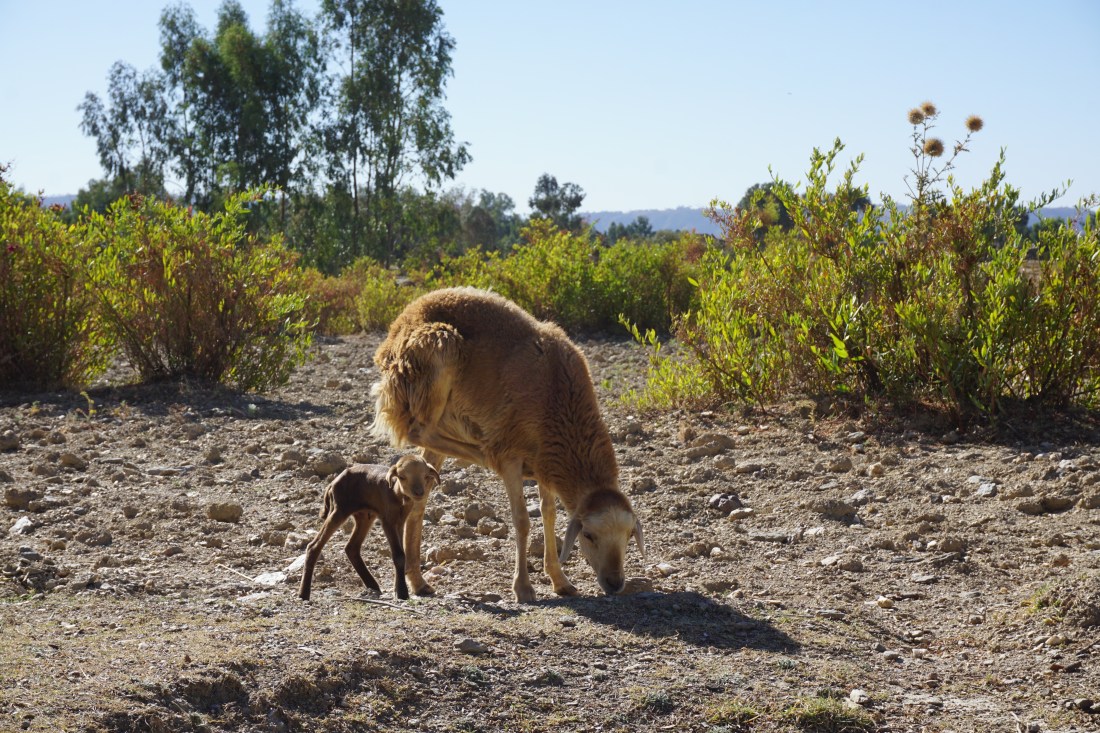
So new.

DSC03713


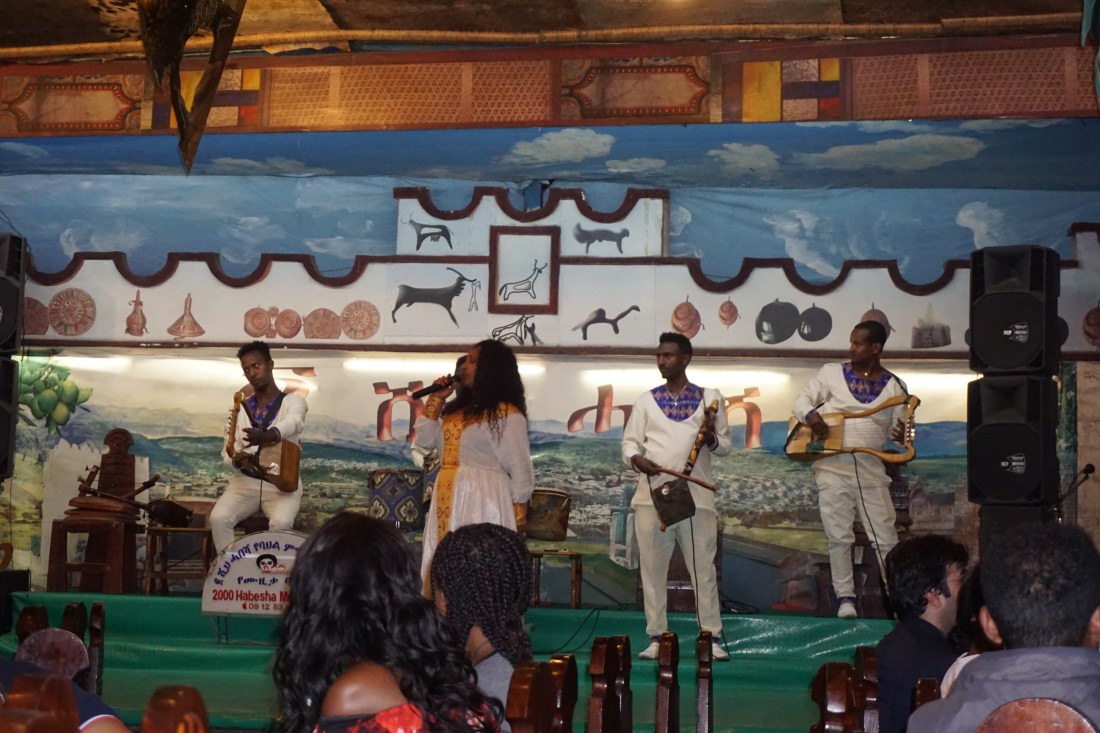
Our last evening in Addis,  we went out to a traditional Ethiopian restaurant with live entertainment. Our driver said most days you need to line up to get a seat but because today was a fasting day it was quite quiet.
DSC03831


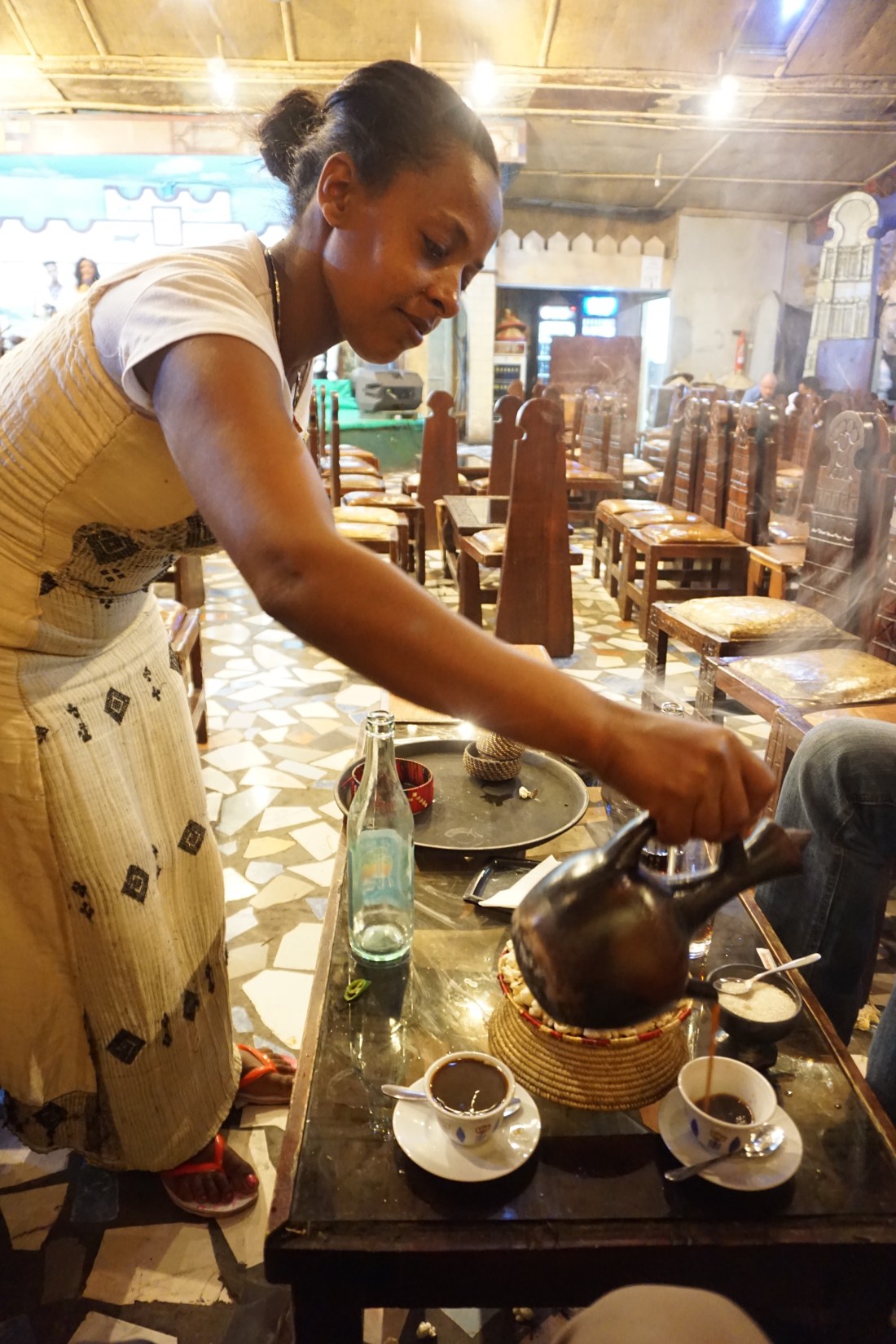
Our last Ethiopian coffee ceremony complete with popcorn and incense.
DSC03836


Northern Ethiopia – Salt Flats

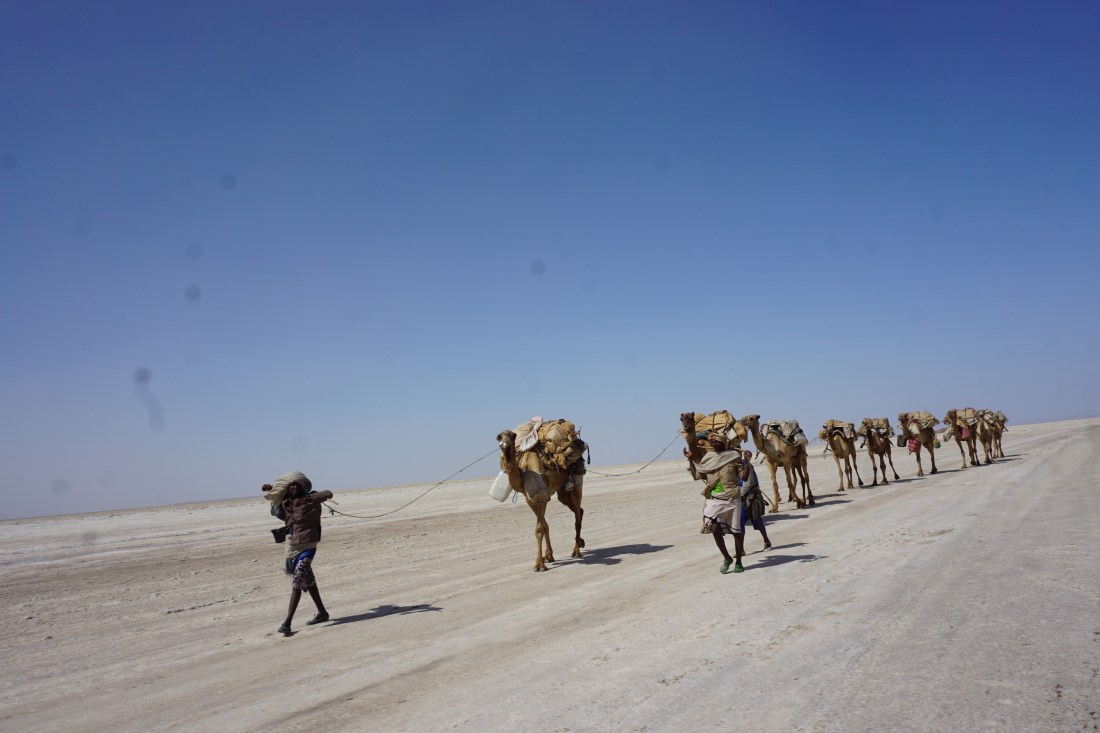
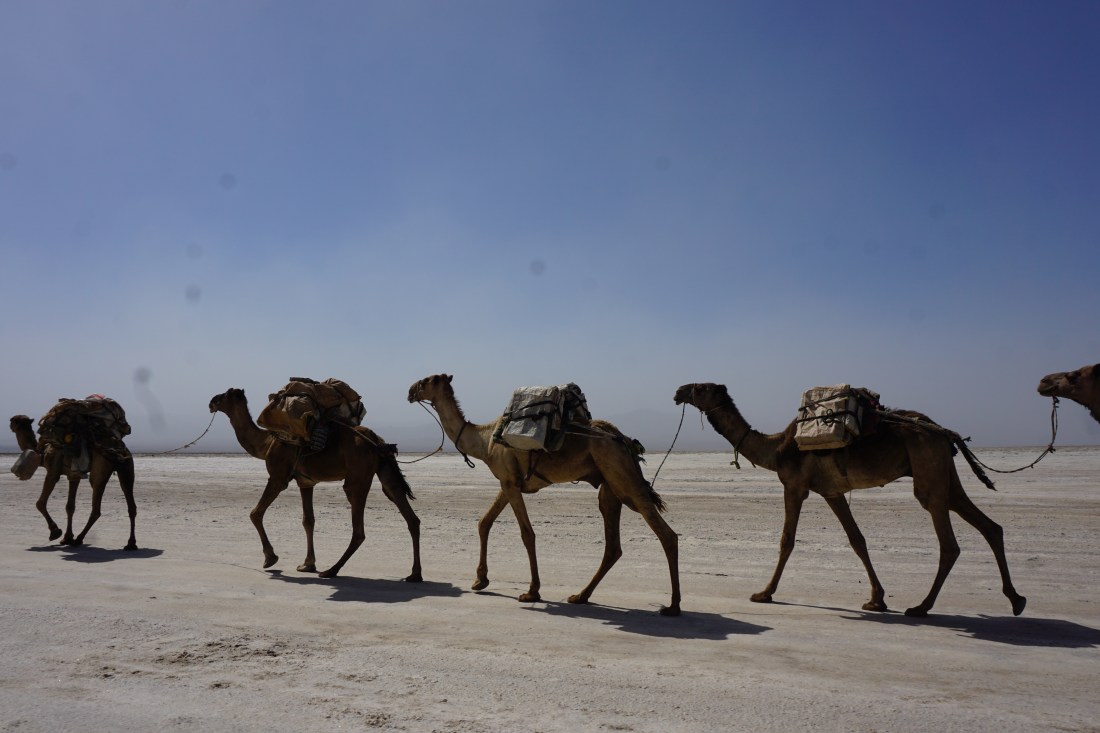
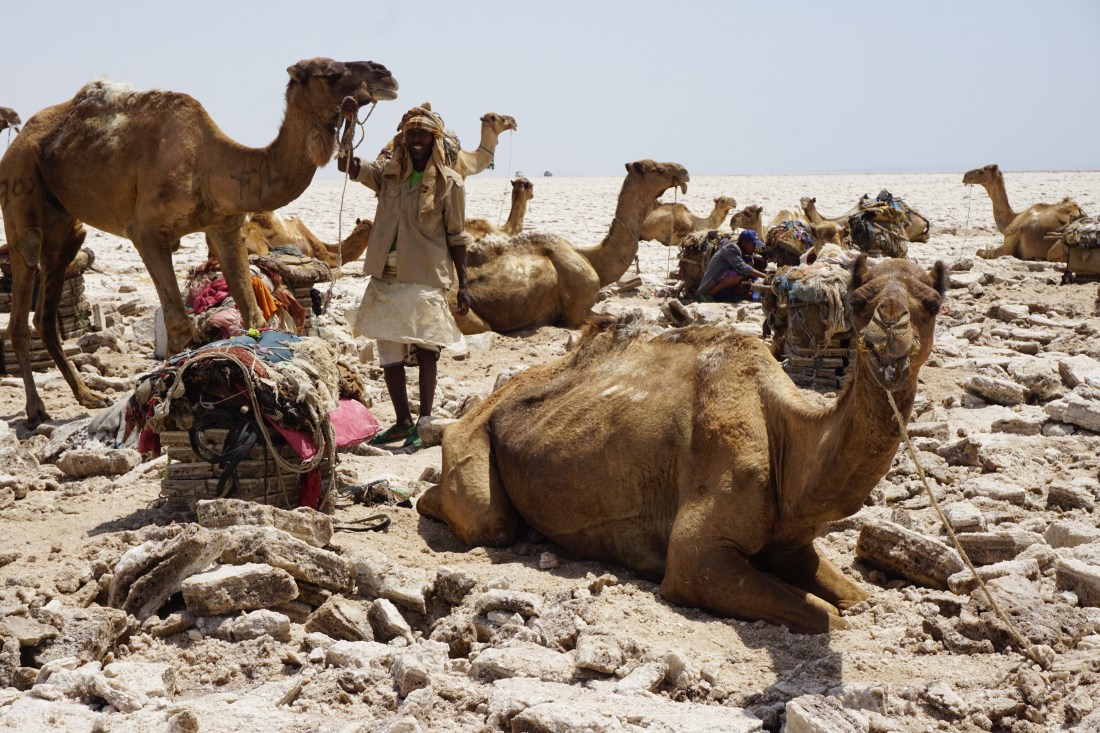
Leaving the Danikil Depression we saw the camel train loaded with salt and heading back to Mekele.
DSC03630

DSC03627

DSC03614

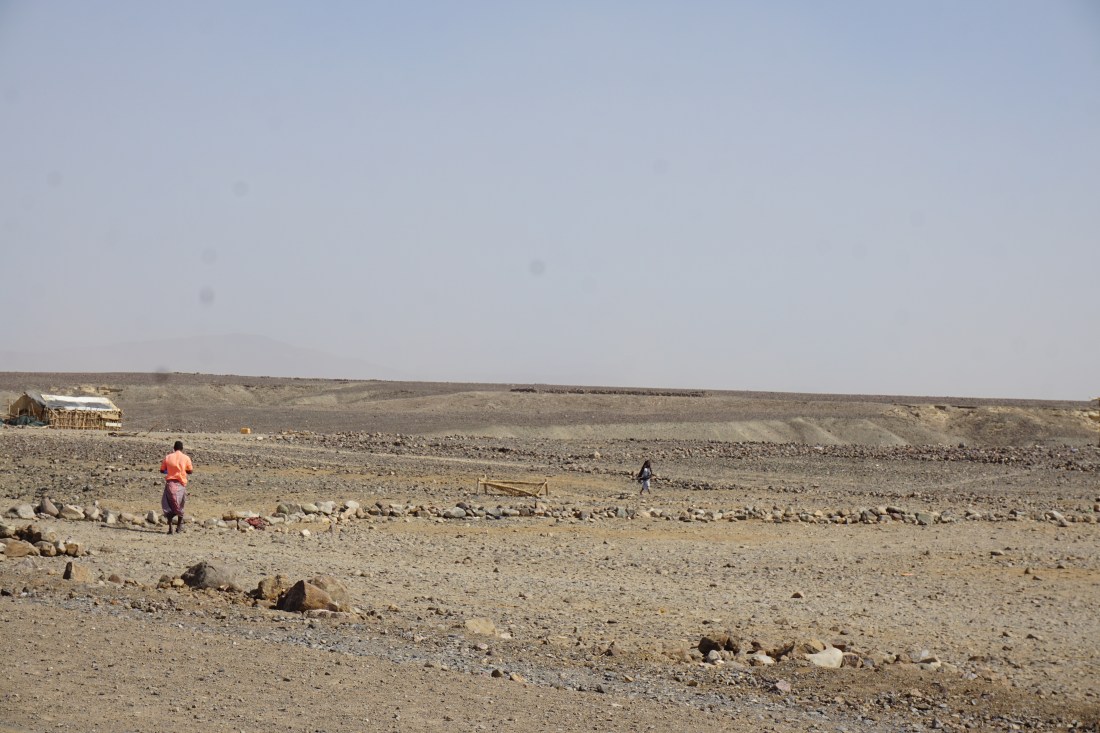
Our Afar guide heading to his home in the distance.
DSC03635

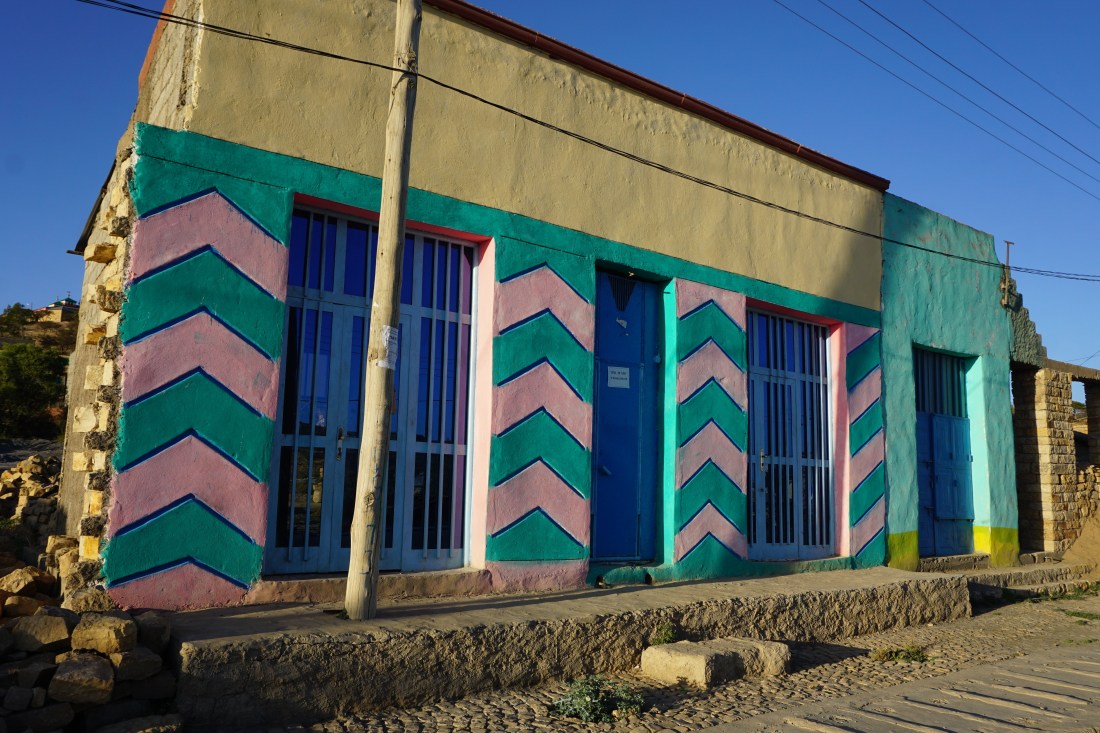
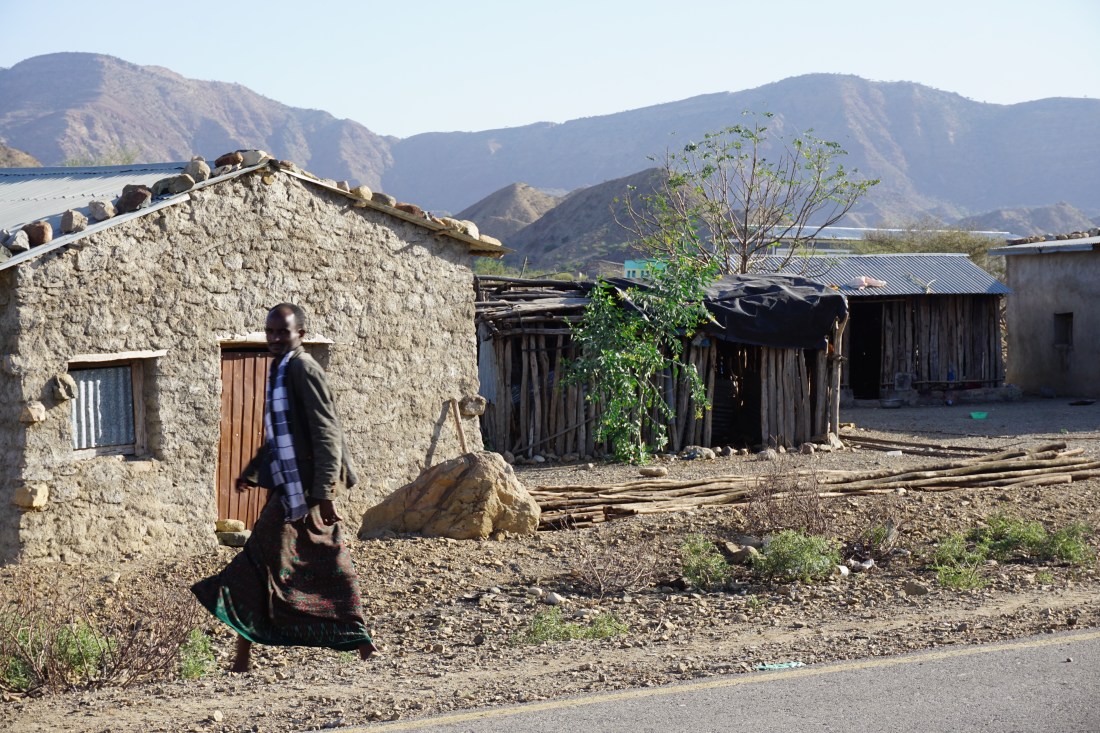
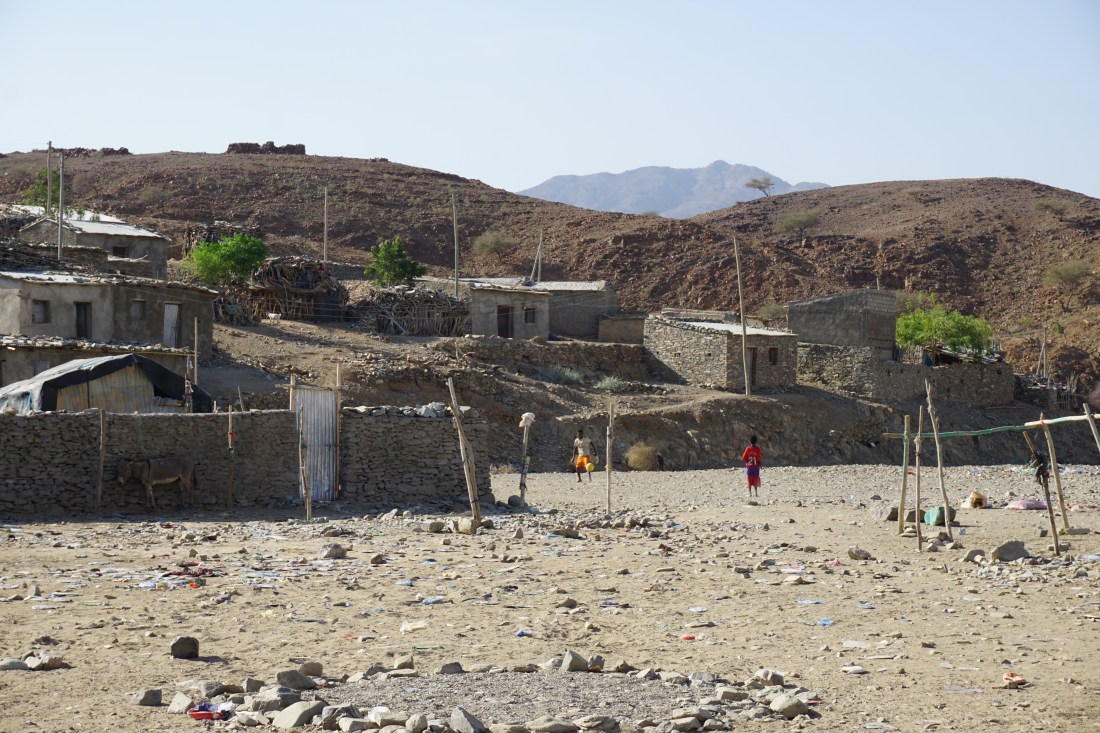
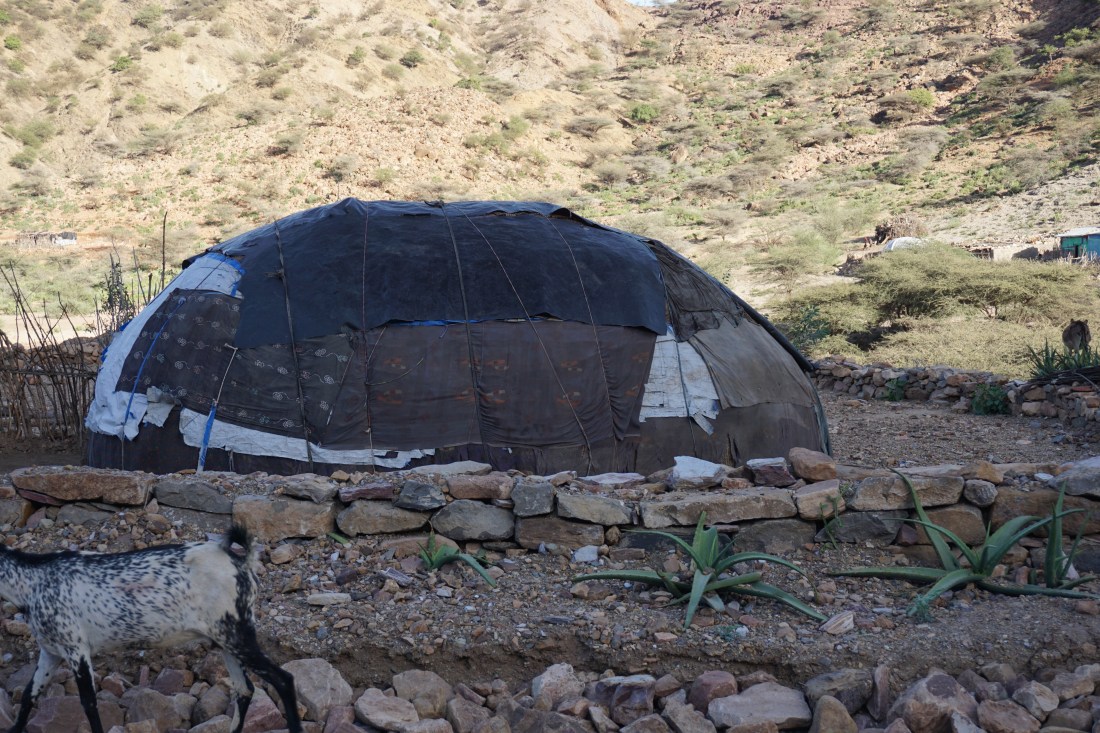
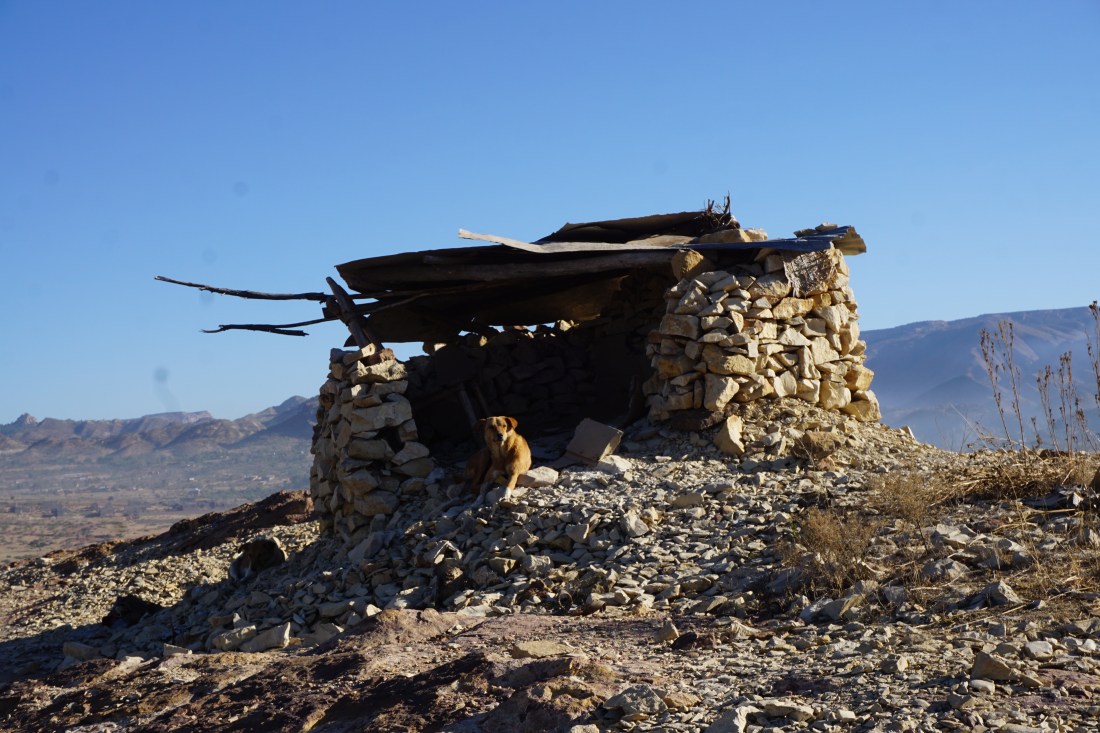
Heading back to Mekele we passed through this small community where many of the houses were painted,  built with rocks or domed.

DSC03689

DSC03663


DSC03649


DSC03674

DSC03668

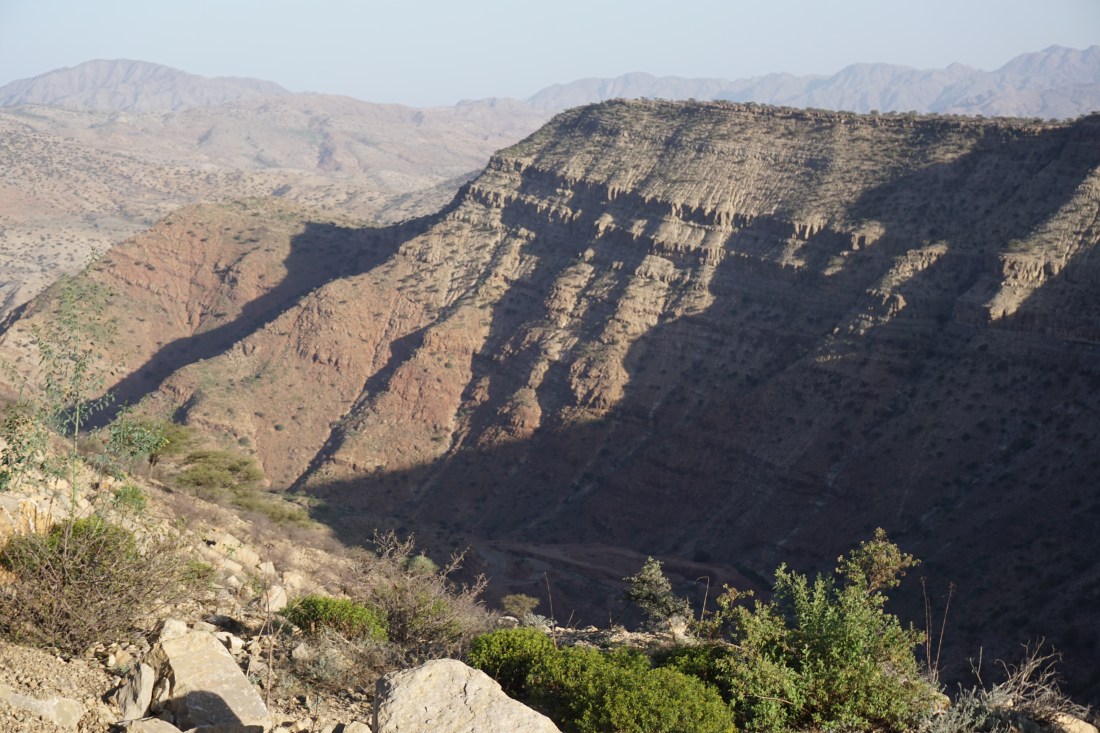
Spectacular scenery.

DSC03681

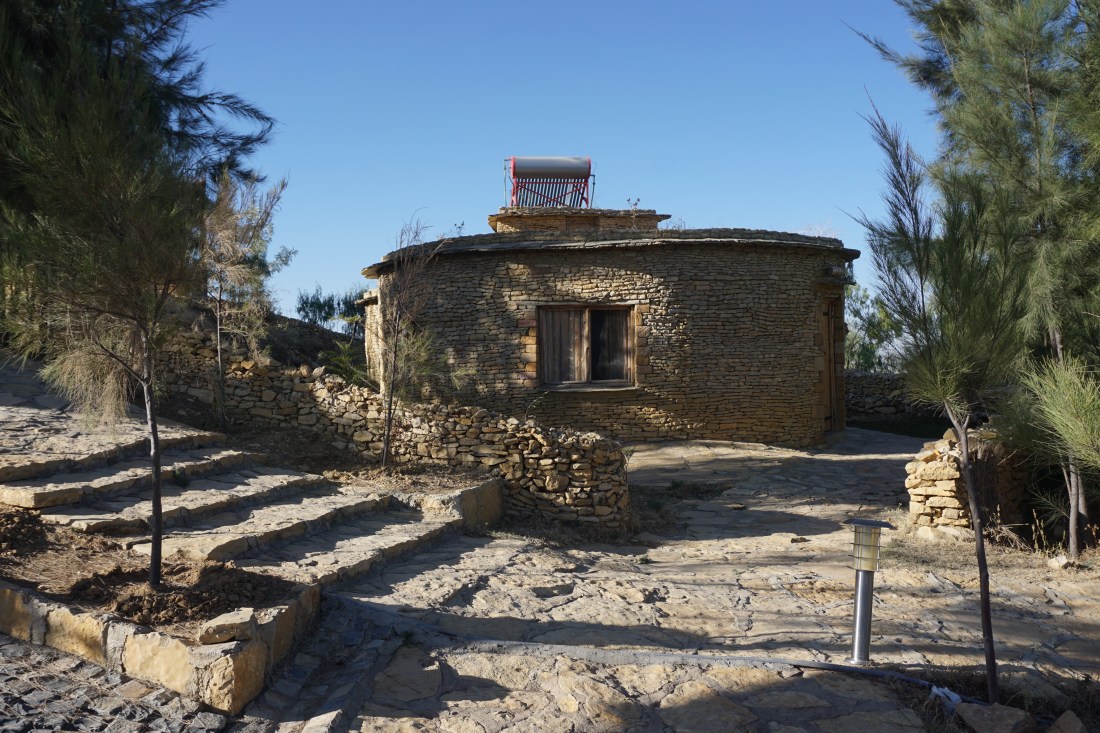
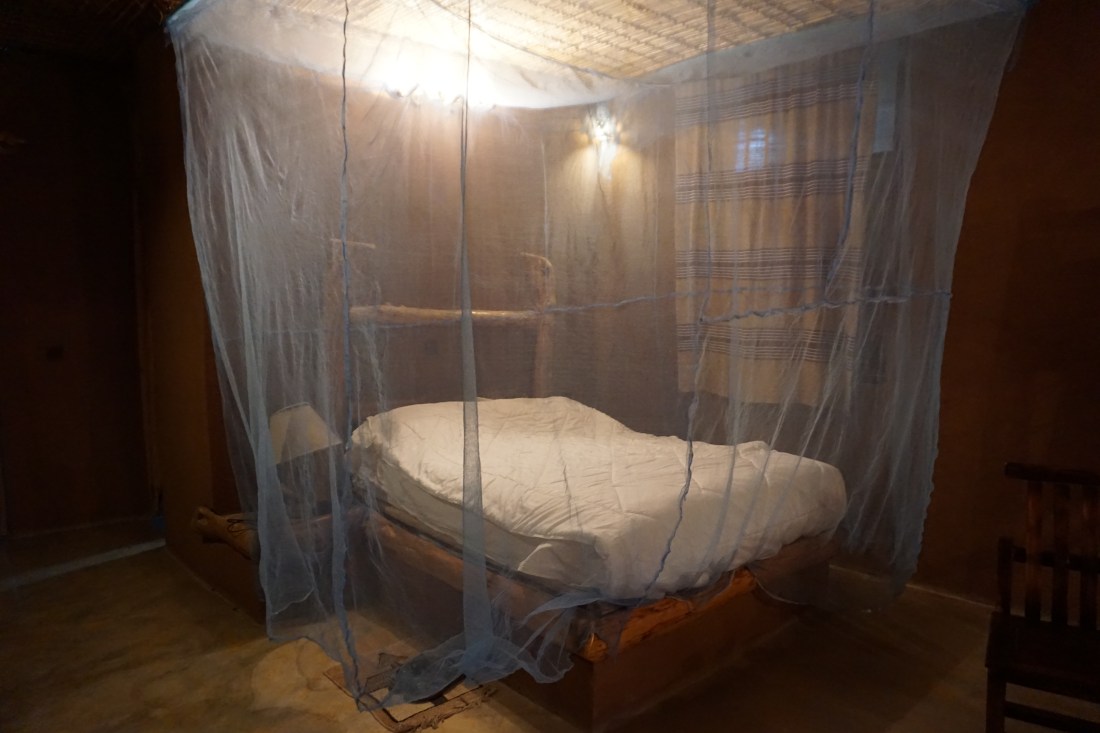
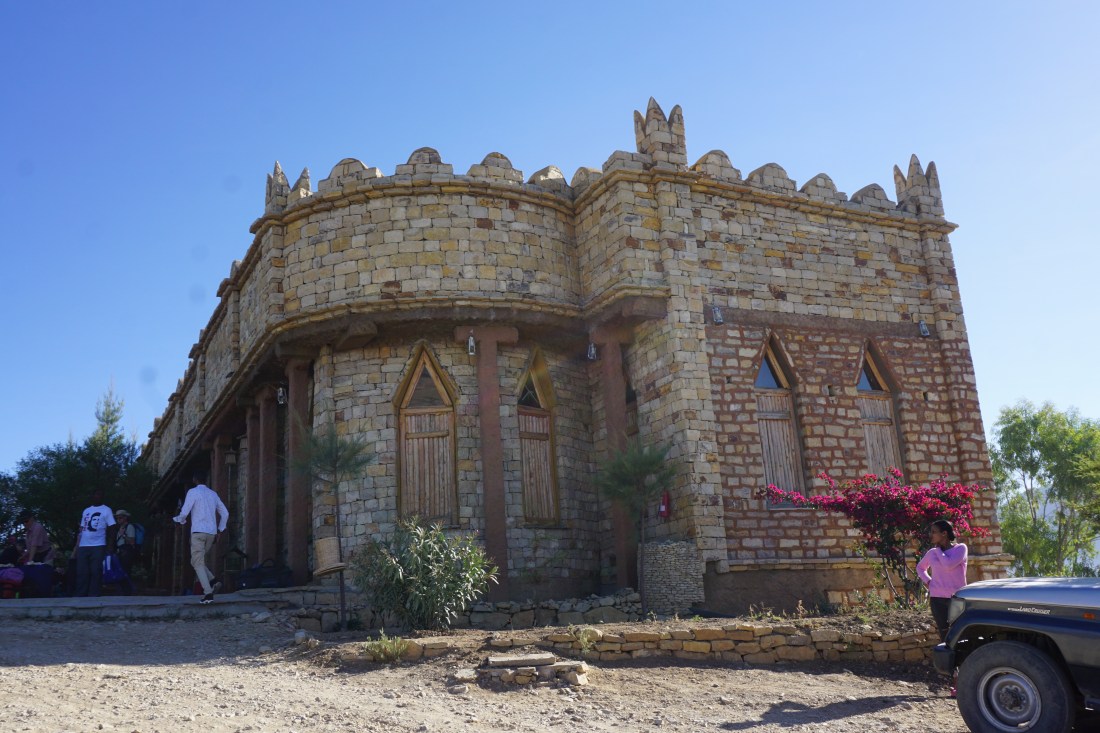
Our accommodations for the night in Wukro Lodge.

DSC03698

DSC03693

View from our balcony.

DSC03691

The reception area.

DSC03699

View out the back.

DSC03694

Northern Ethiopia – Danakil Depression

Coming down from the Bale Mountain Plateau we picked up a young Chinese girl.  It was raining and she was standing on the side of the road waiting for a local bus. She had been hiking in the area and when John saw her he felt we should give her a ride. Our guide and driver said it was against policy to pick her up, probably for legal reasons, but our driver said if we wanted we could.

She had such great travel stories and talked non stop about her experiences. She is a precious gem jewellery designer whose work allowed her to travel extensively.  She was currently on her way to Gondar to purchase a donkey and then ride it to Sudan. It is about an 8 – 10 hour drive by car and she felt it would take her a week. I was cheering her on and our driver and guide were telling her she was crazy. I hope she keeps in contact as it would be really fun to follow that adventure.

When we flew out of Addis Ababa the next morning en route to Mekele, an employee at the airport opened a new security line just for John when he looked at his walking stick.,  saying we show respect.

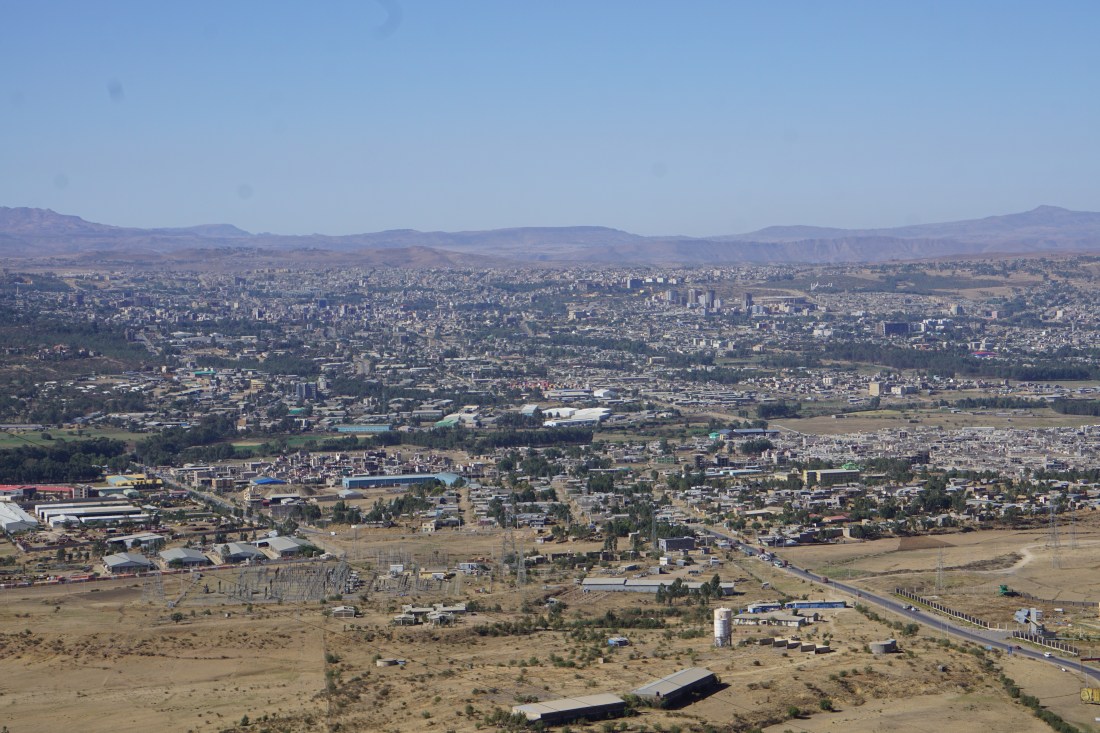
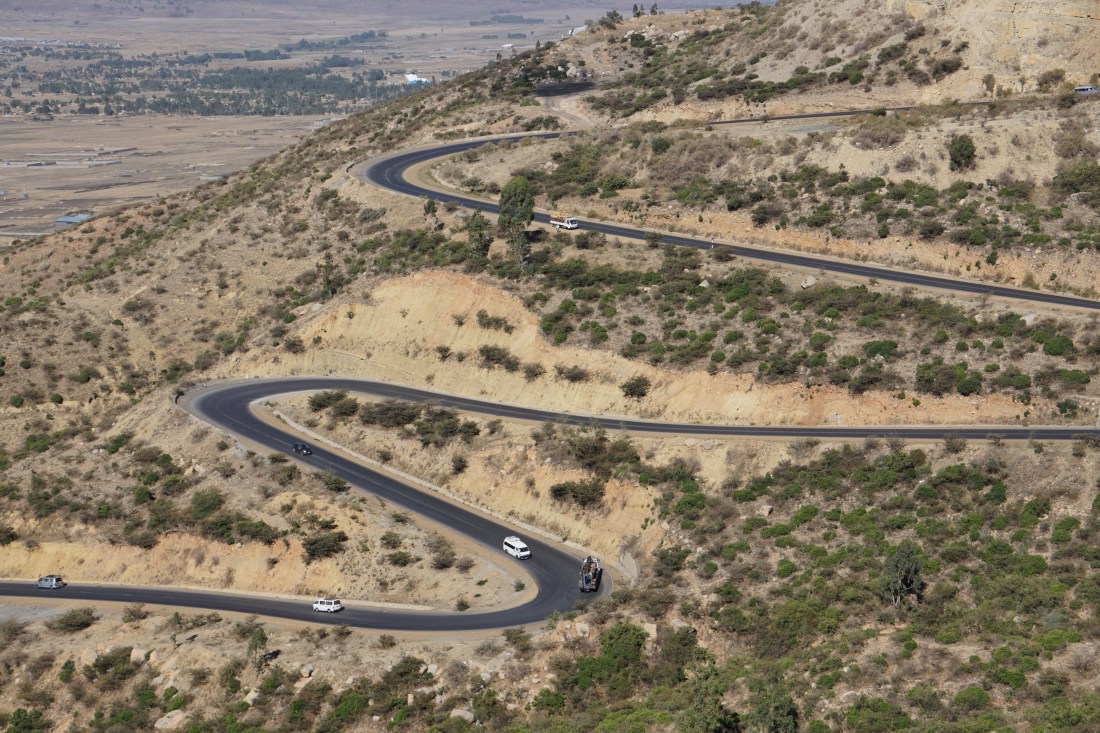
Mekele.

DSC03496

DSC03498

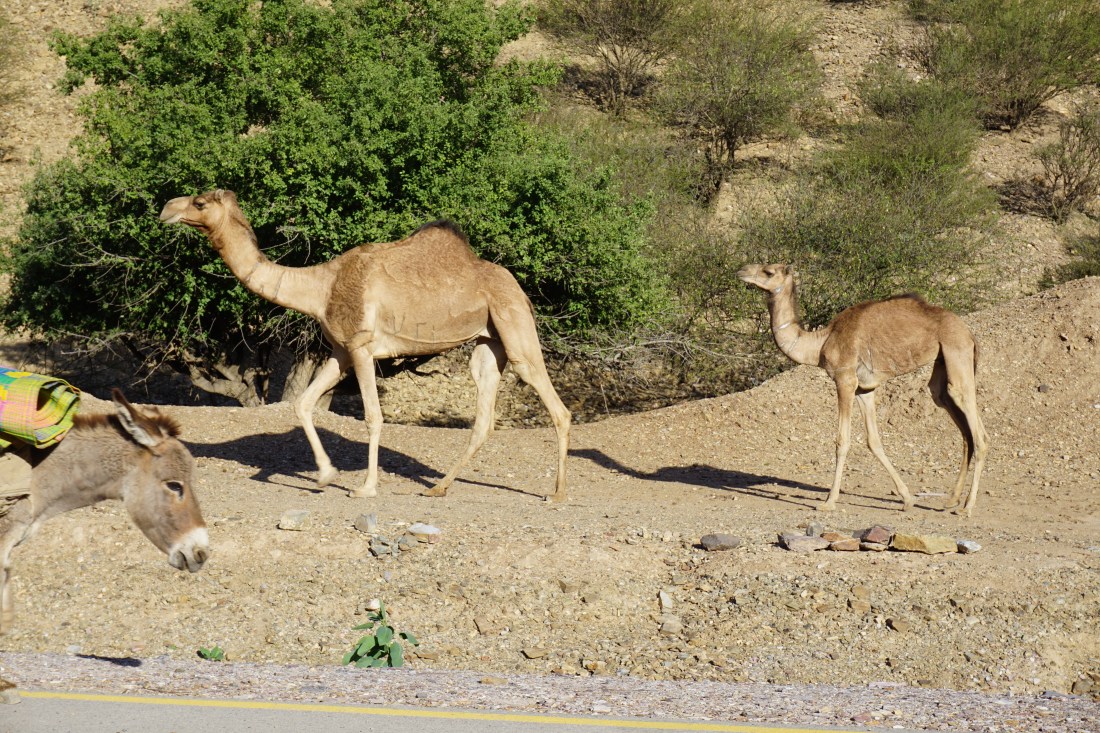
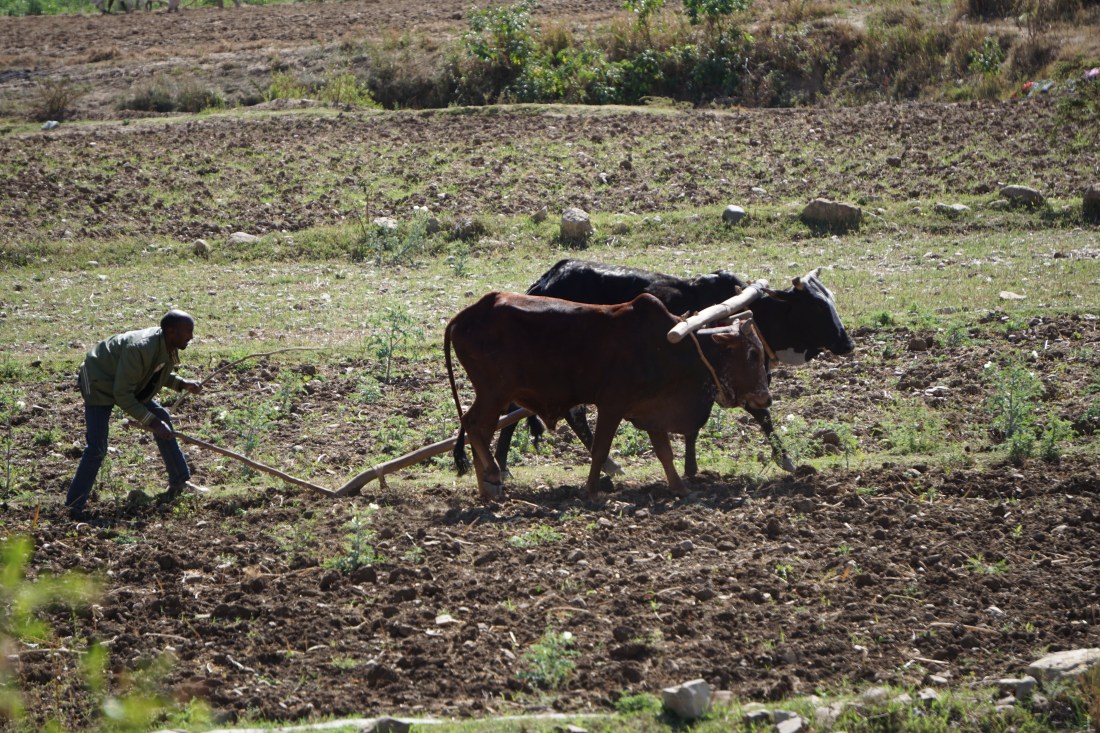
From Mekele we immediately began a long drive to the Danakil Region.  Along the way, we saw many farmers tilling their land.

DSC03502


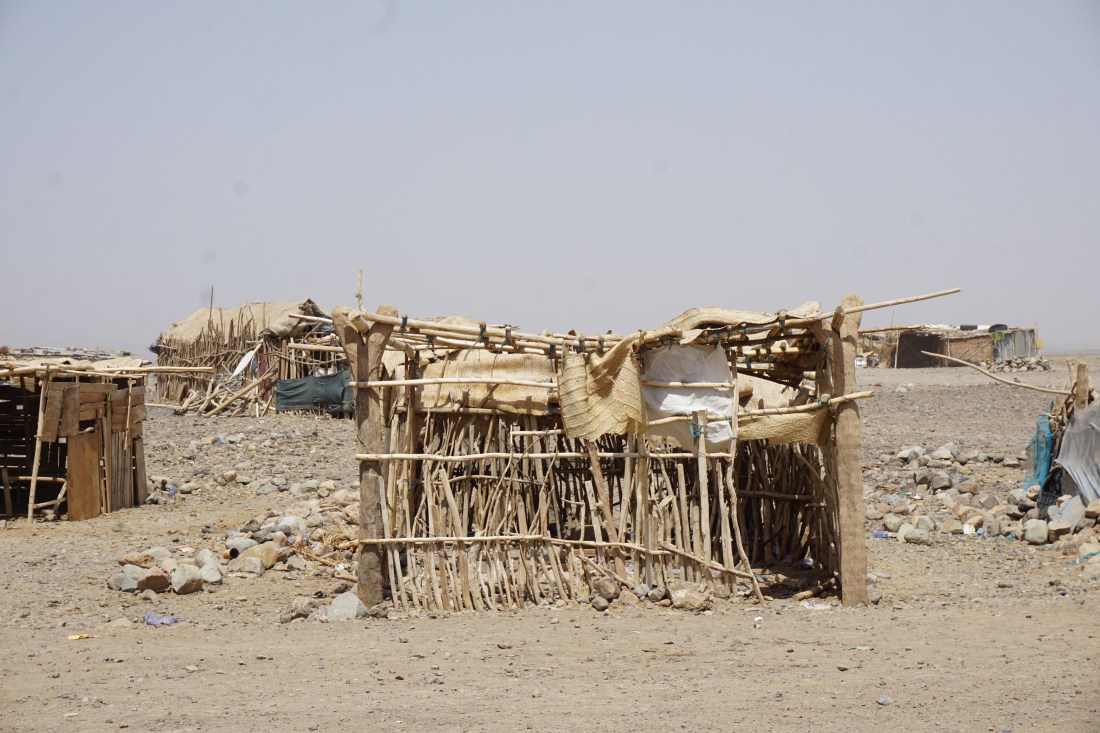
Nearing the depression is was hard to believe the conditions the people live in. It is like +44 today.

DSC03512

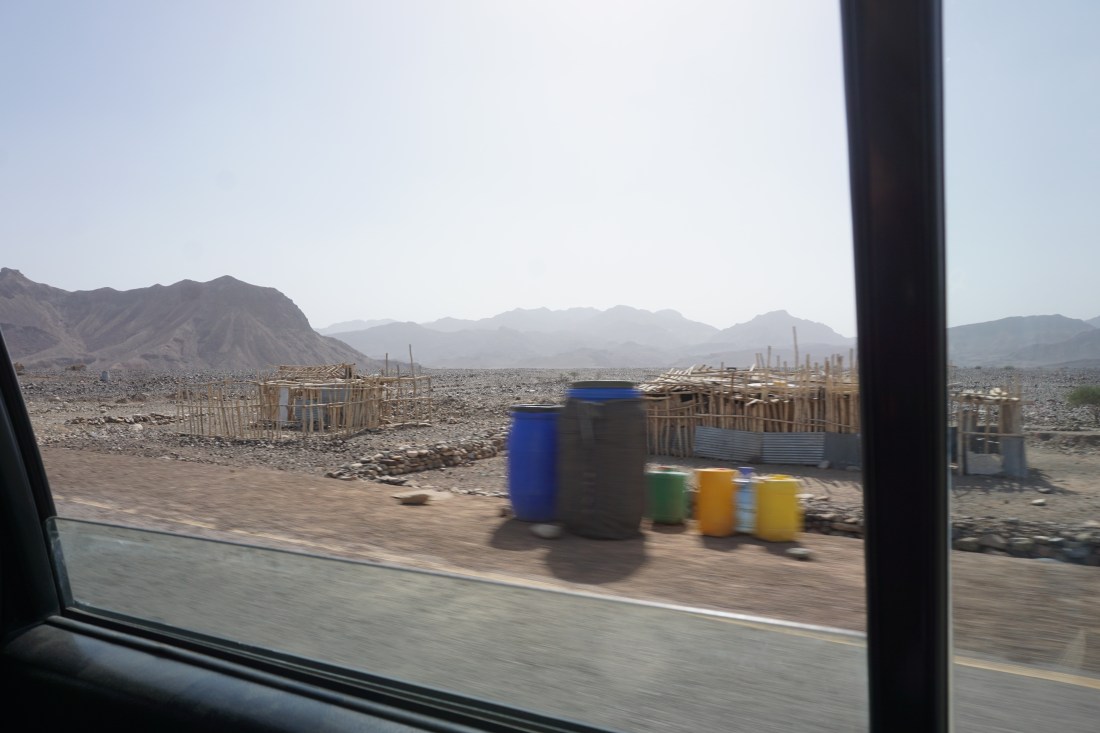
The government does deliver water along the highway.

DSC03640

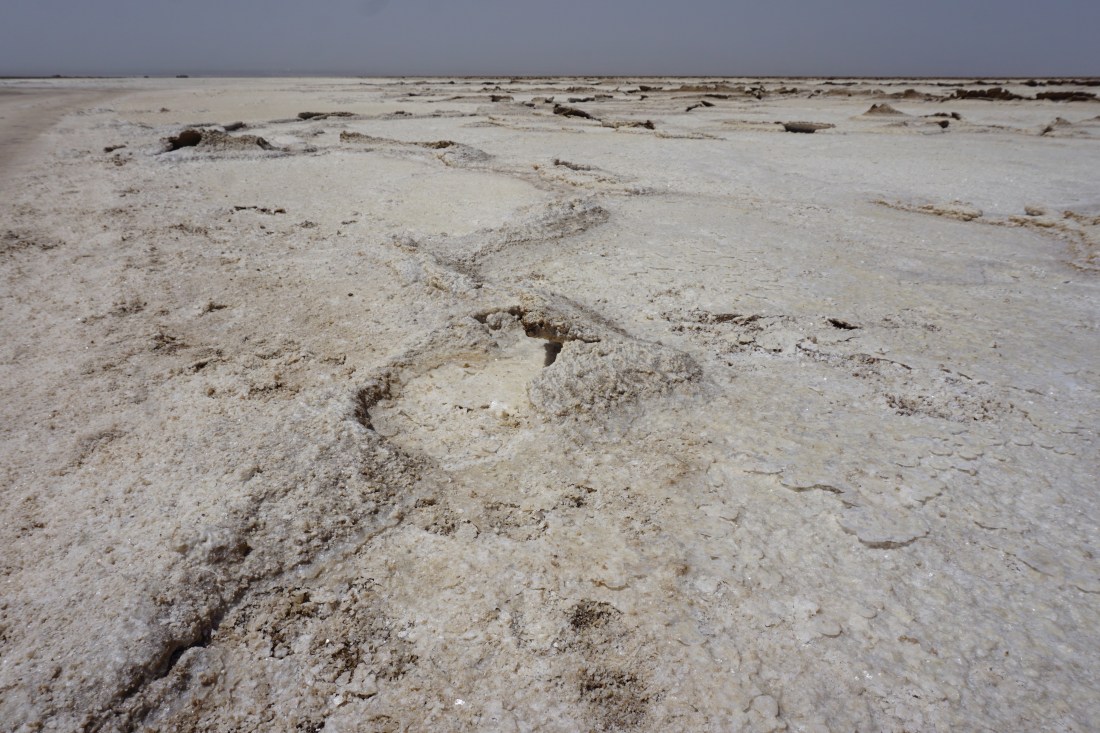
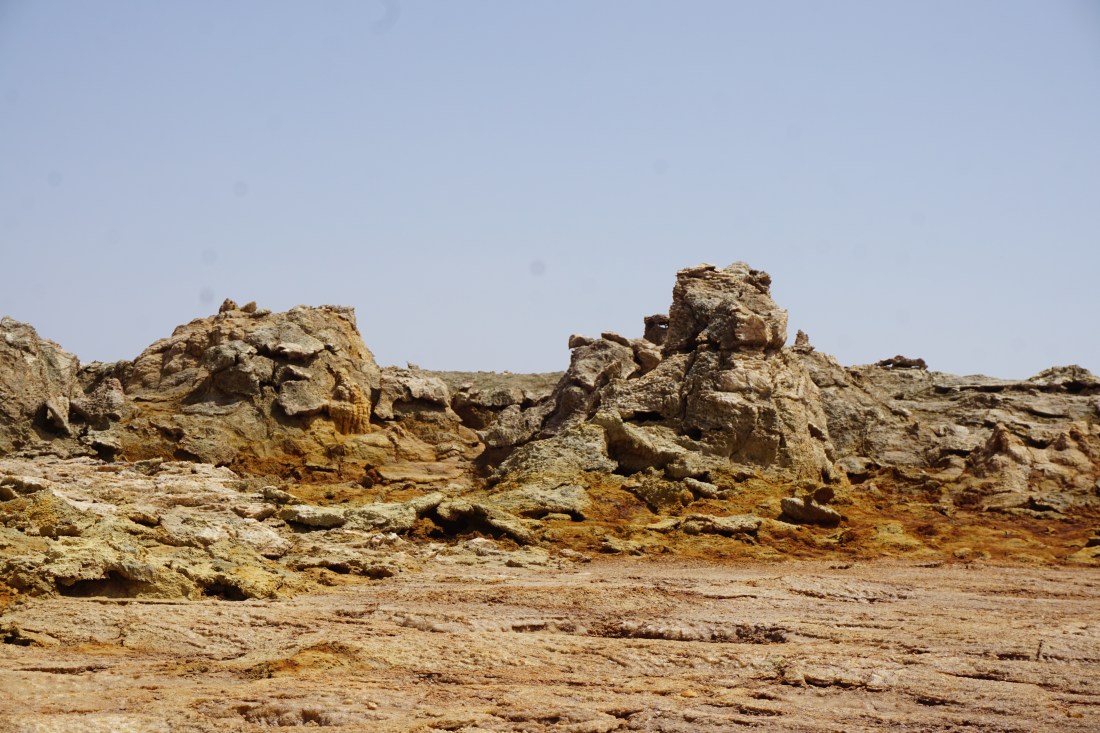
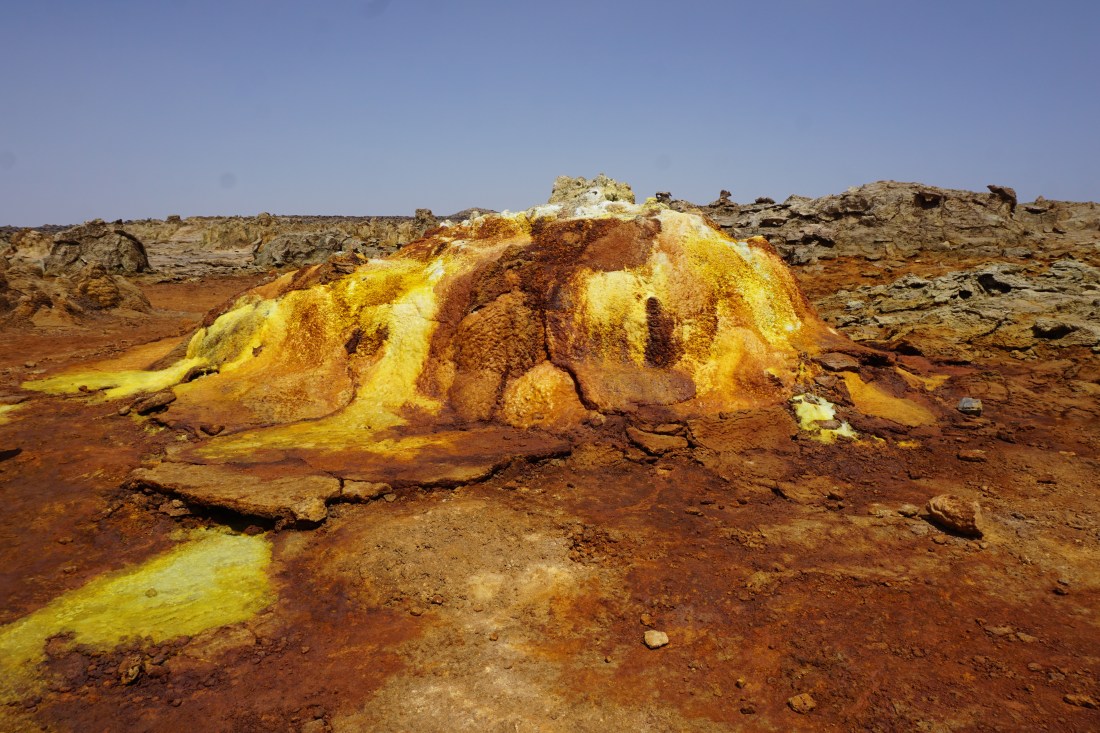
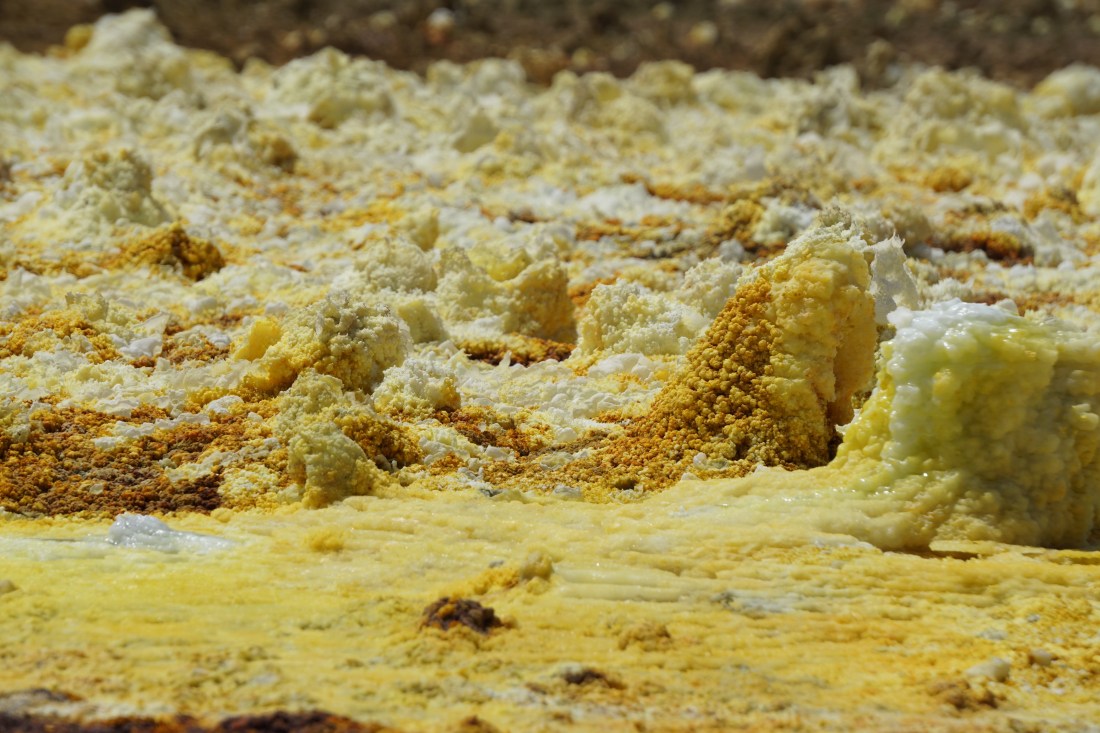
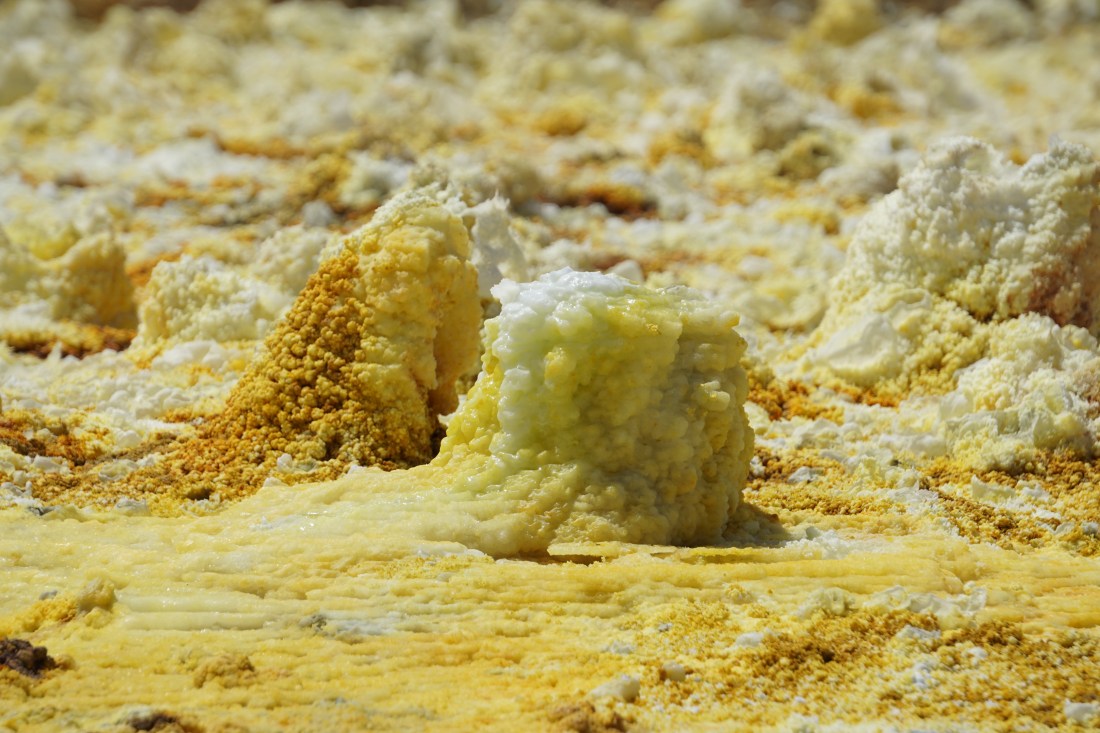
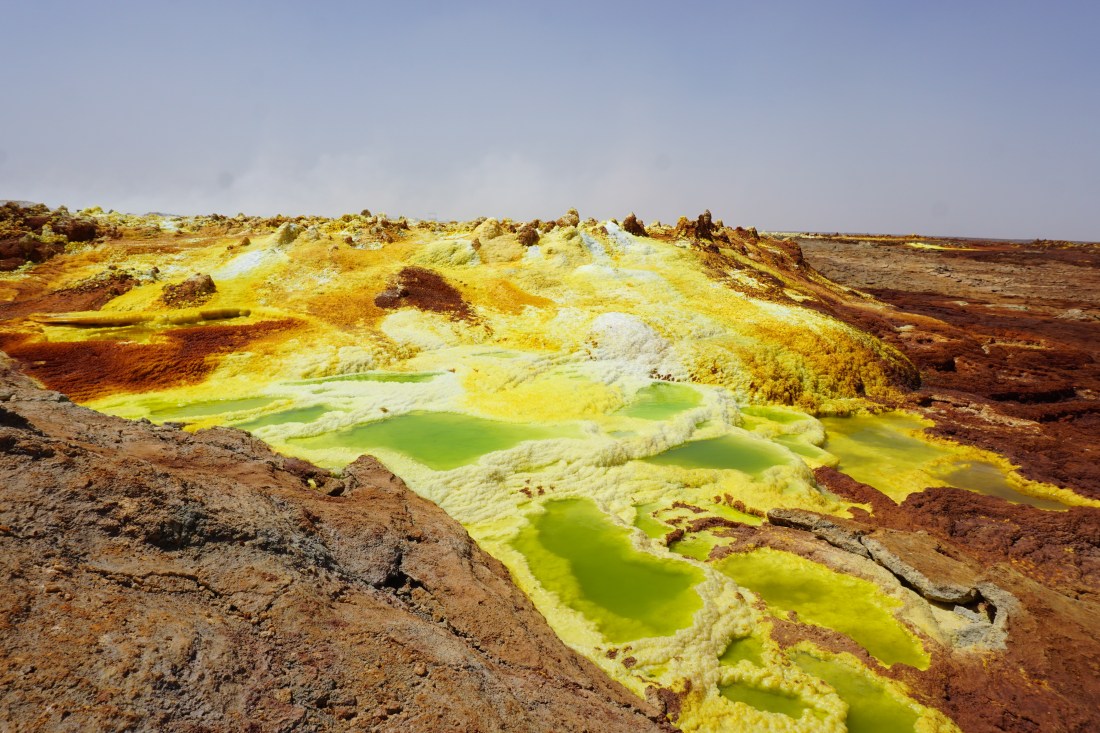
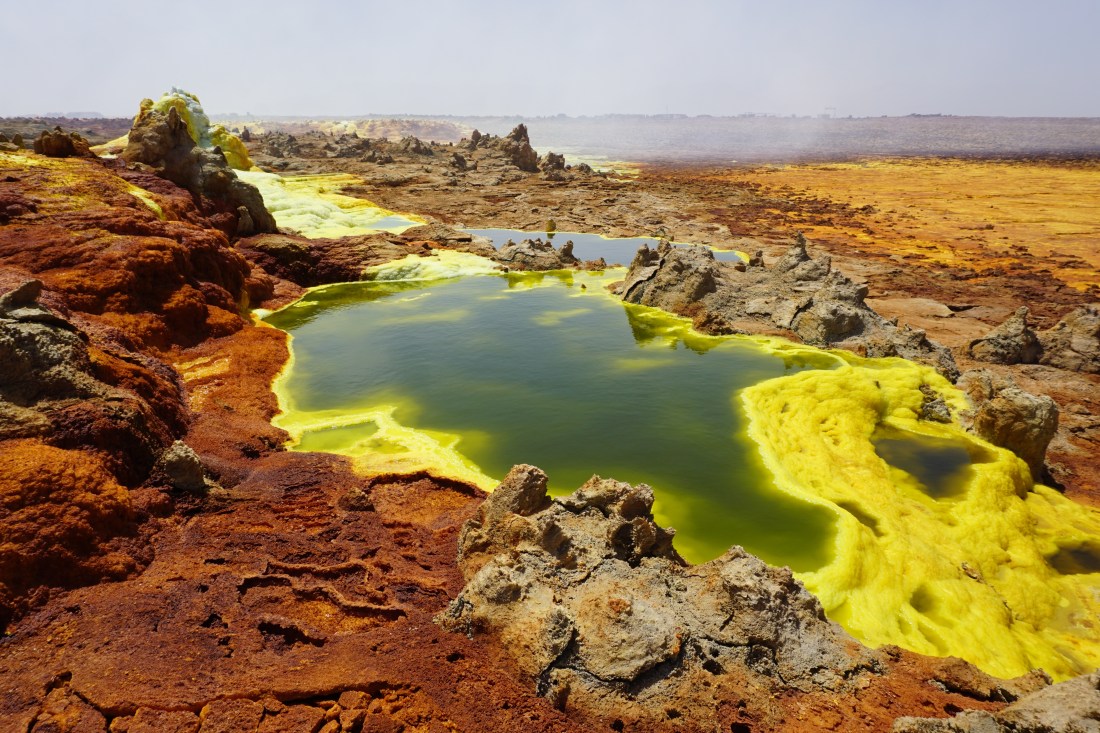
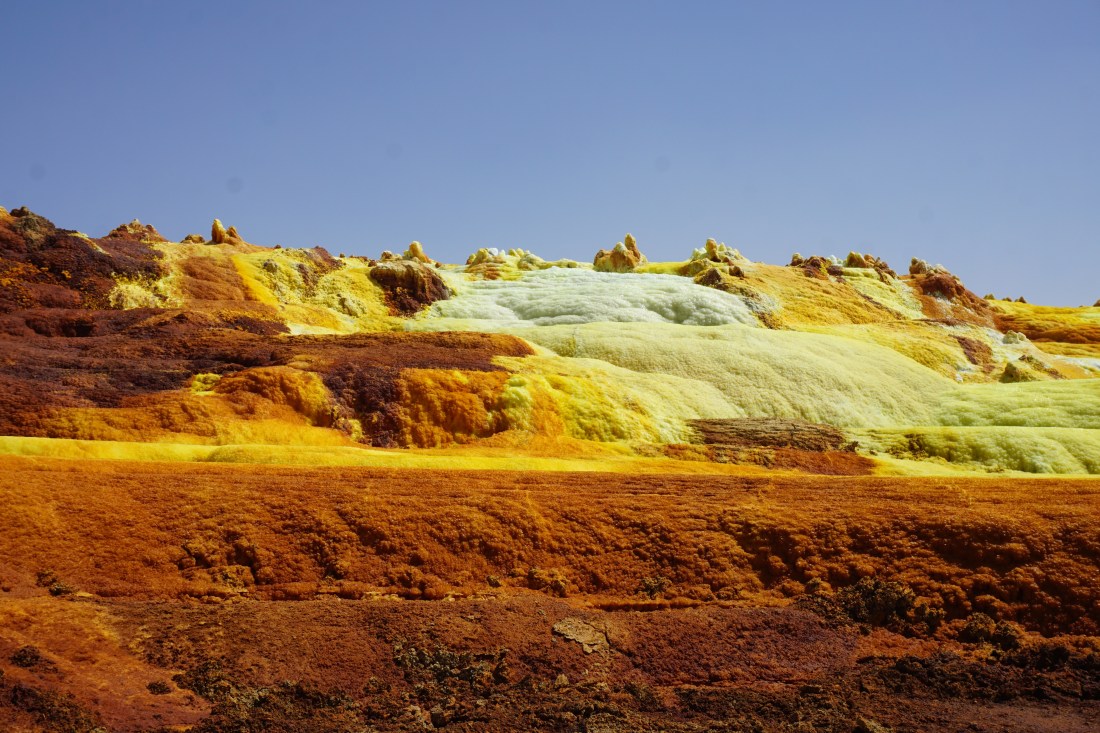
Dallol is a location in the Afar region in Northern Ethiopia. Dallol is the name of the cinder cone volcano in the Danakil Depression, known as the hottest place on earth, and “The Gateway to Hell.”

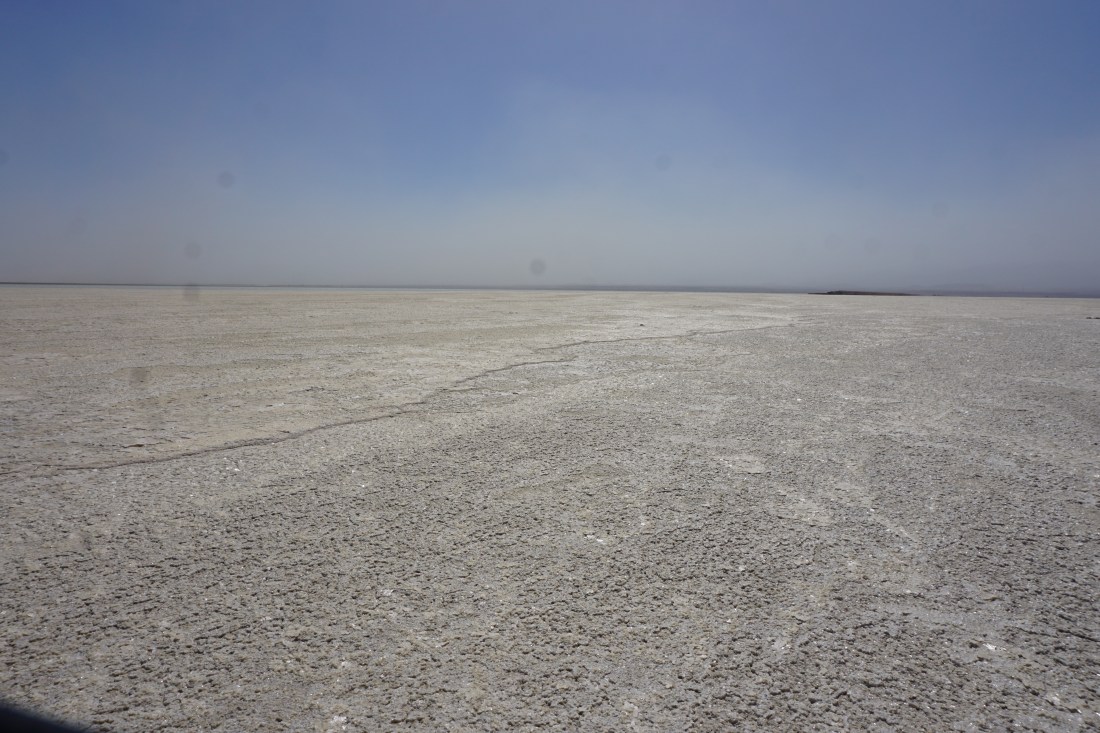
The salt flats were created when three tectonic plates moved apart, causing rifting and volcanic activity, erosion, inundation of the Red Sea and the rising and falling of the ground.

DSC03517

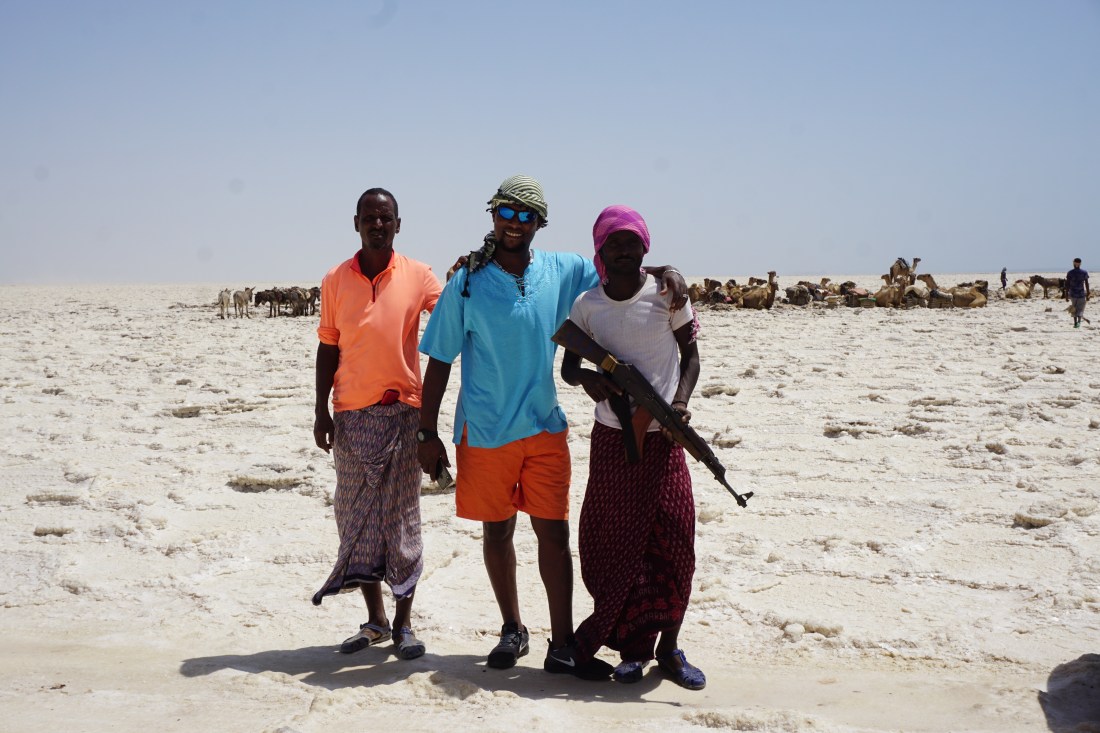
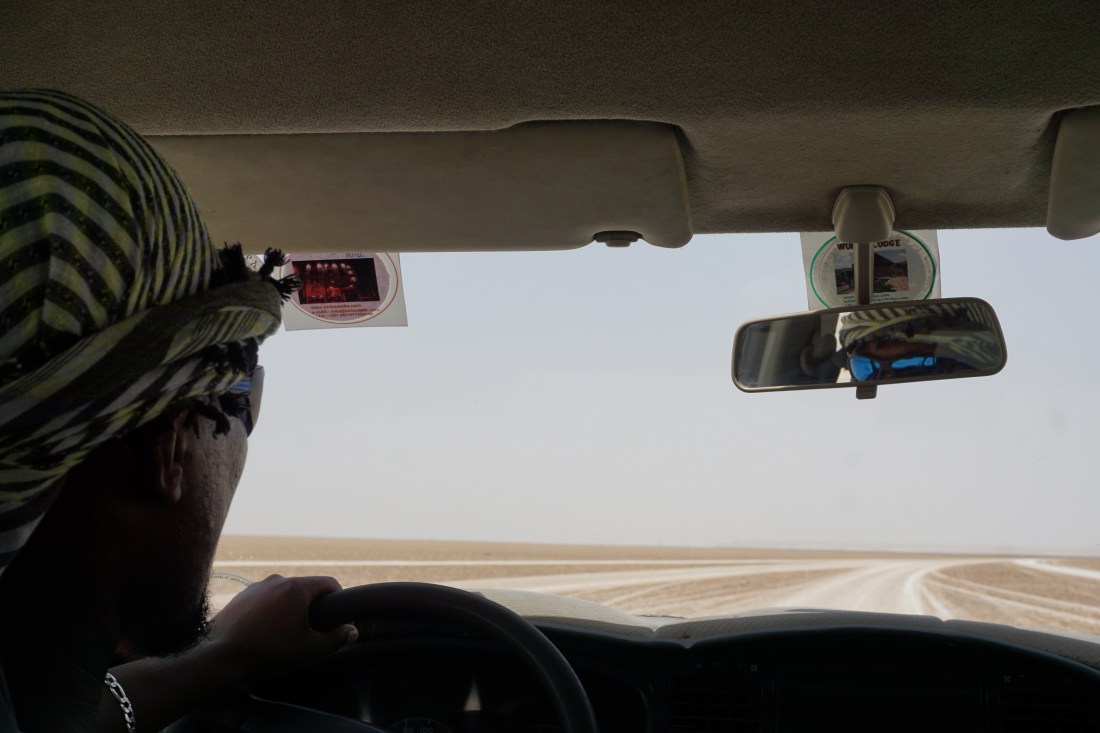
To enter the area you need a driver, an Afar guide and an Afar guard. The guard sat beside me in the back seat chewing kat while holding an AK47!

DSC03539

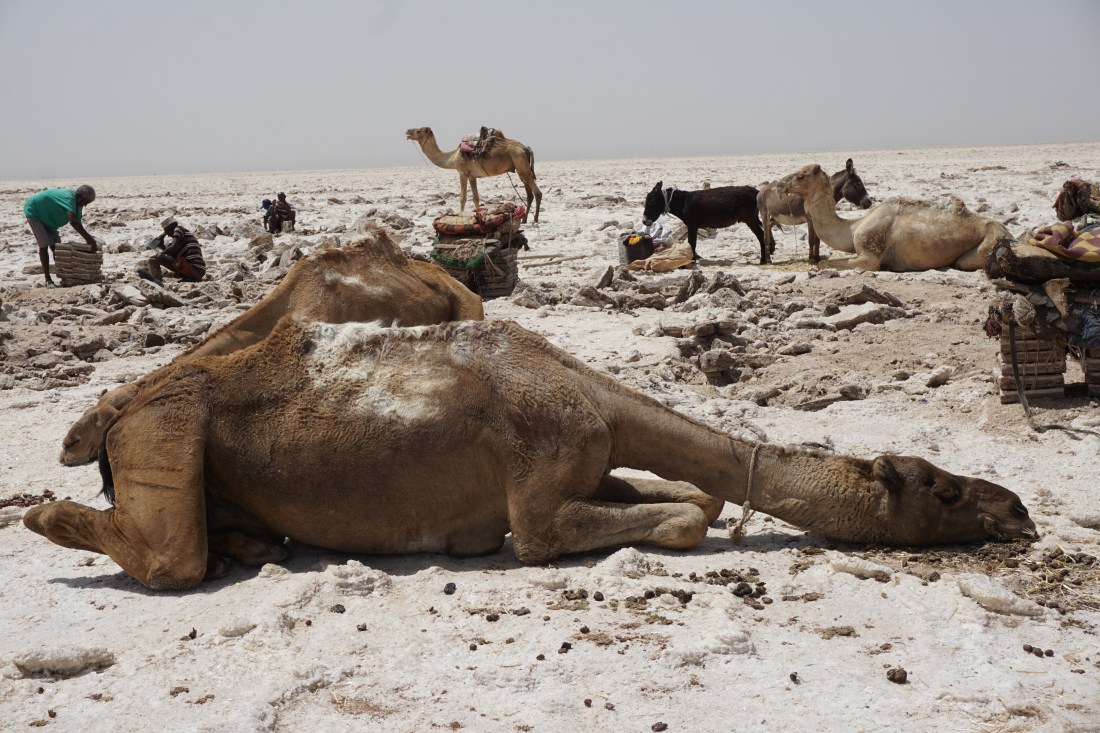
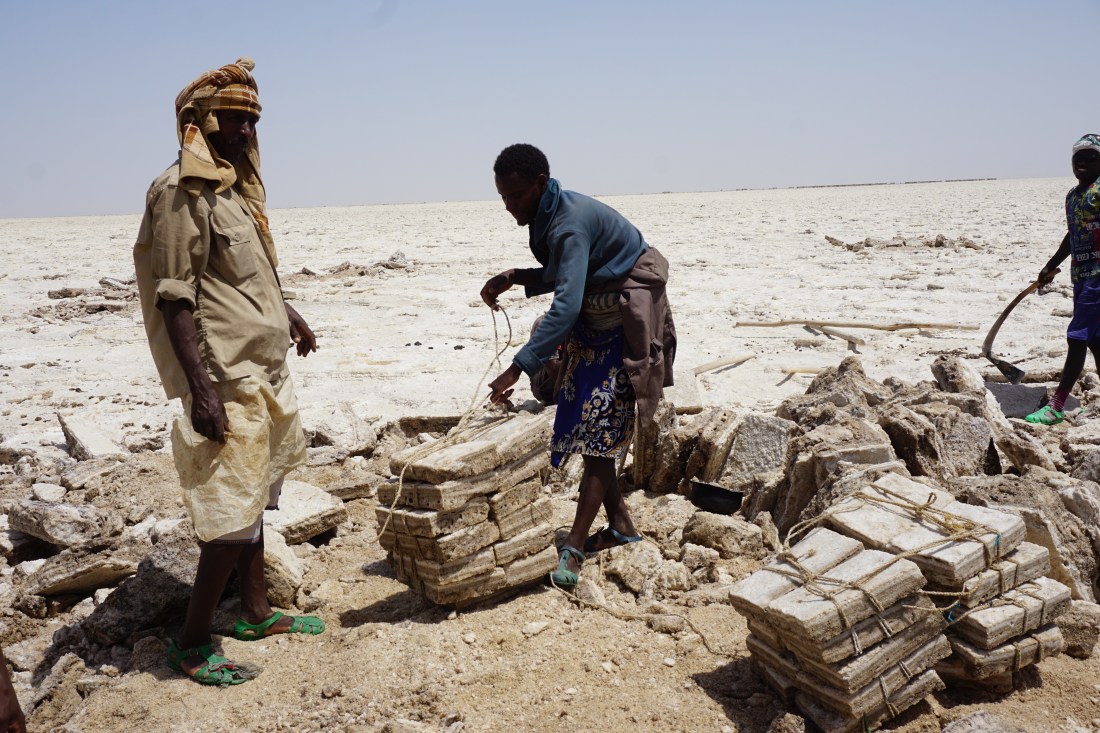
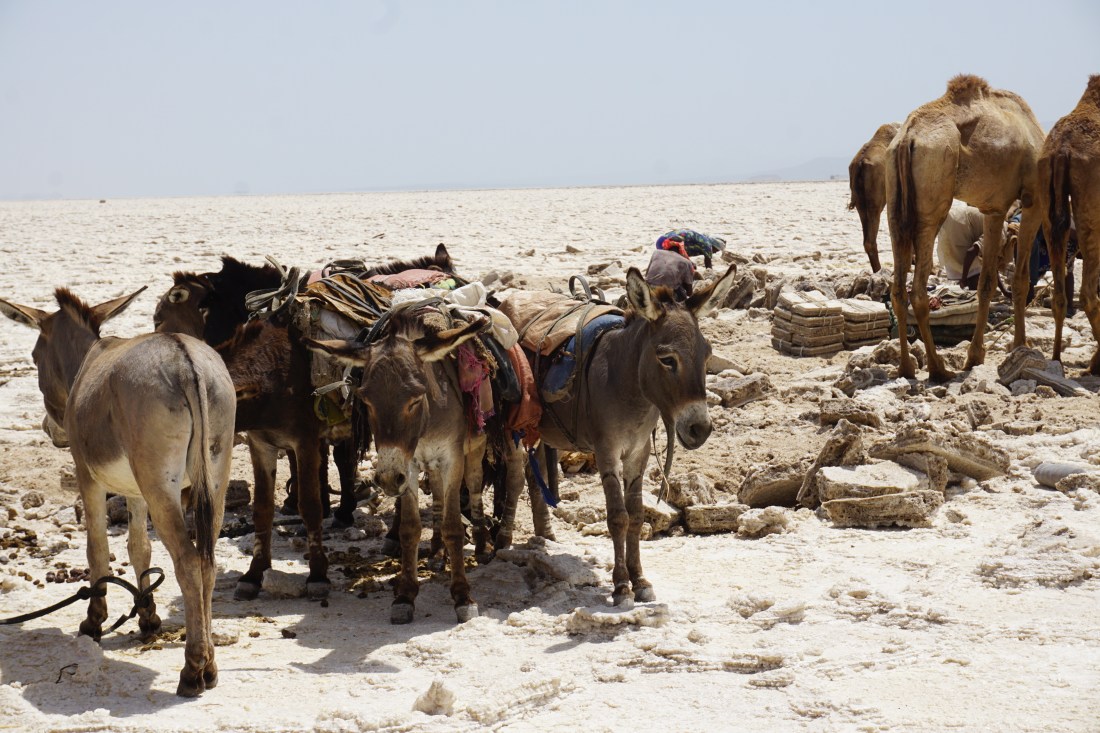
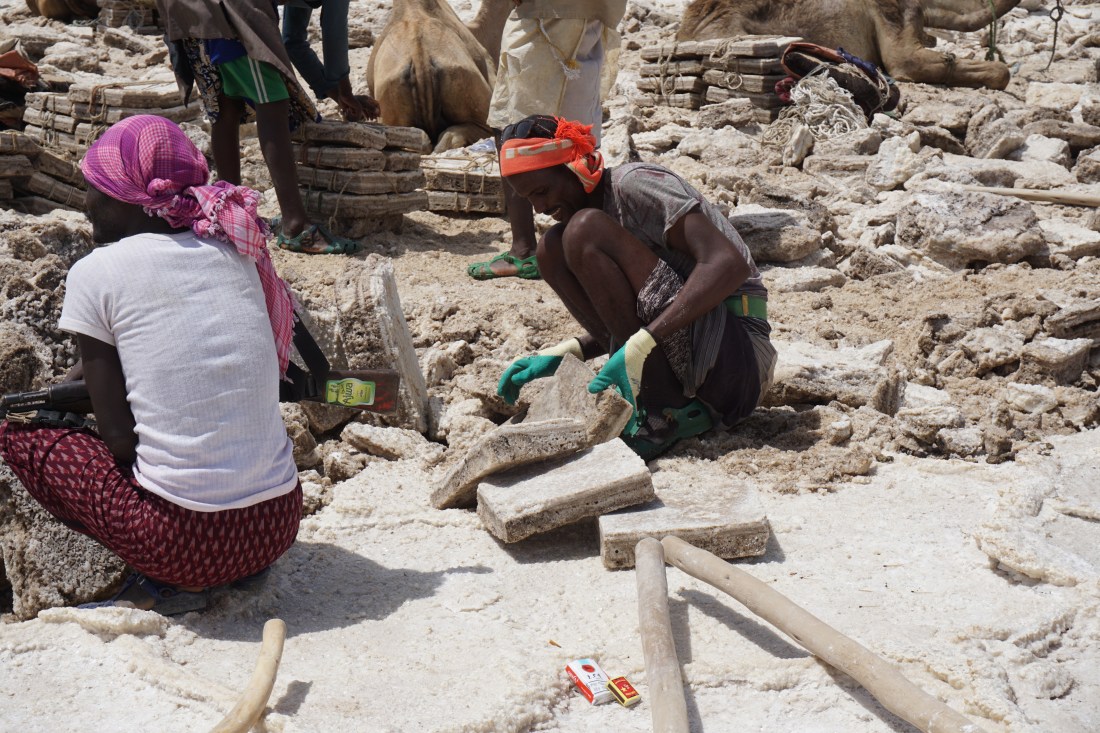
Here workers spend their day cutting slabs of salt to take to the market in Mekele.  It is a week’s walk.

It is +44 with a hot wind blowing.

DSC03519

DSC03533


OK this is way too much for me. I am pooped.

DSC03530

DSC03523

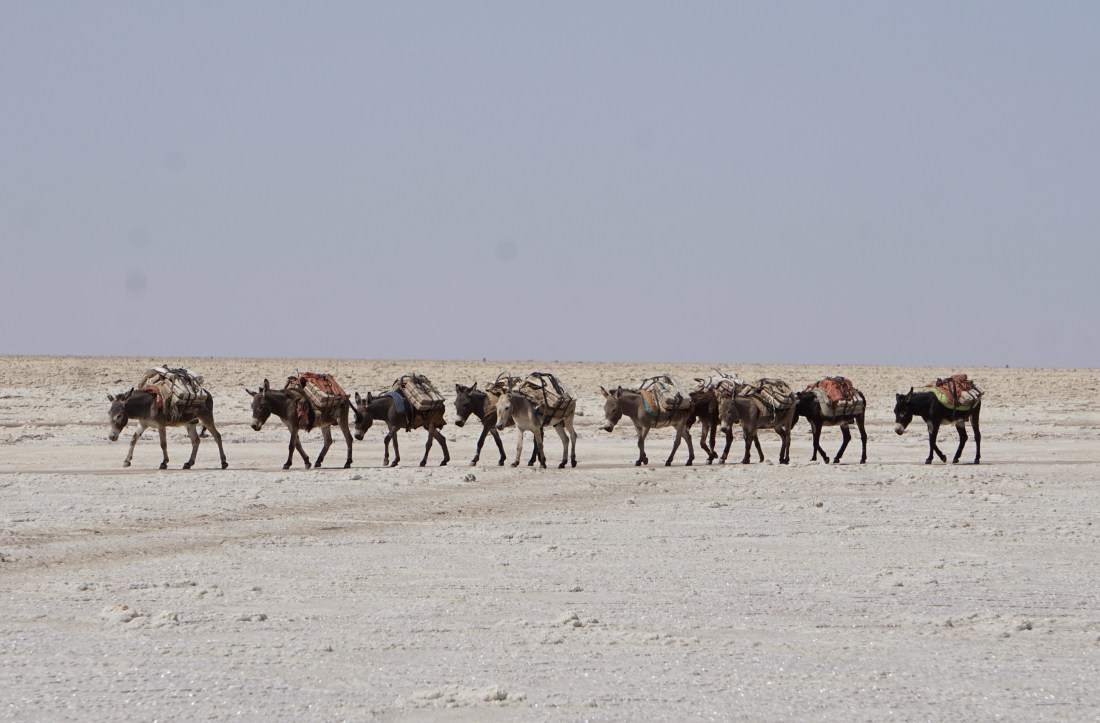
They use donkeys as well.

DSC03538

It feels like you are on another planet.

DSC03544

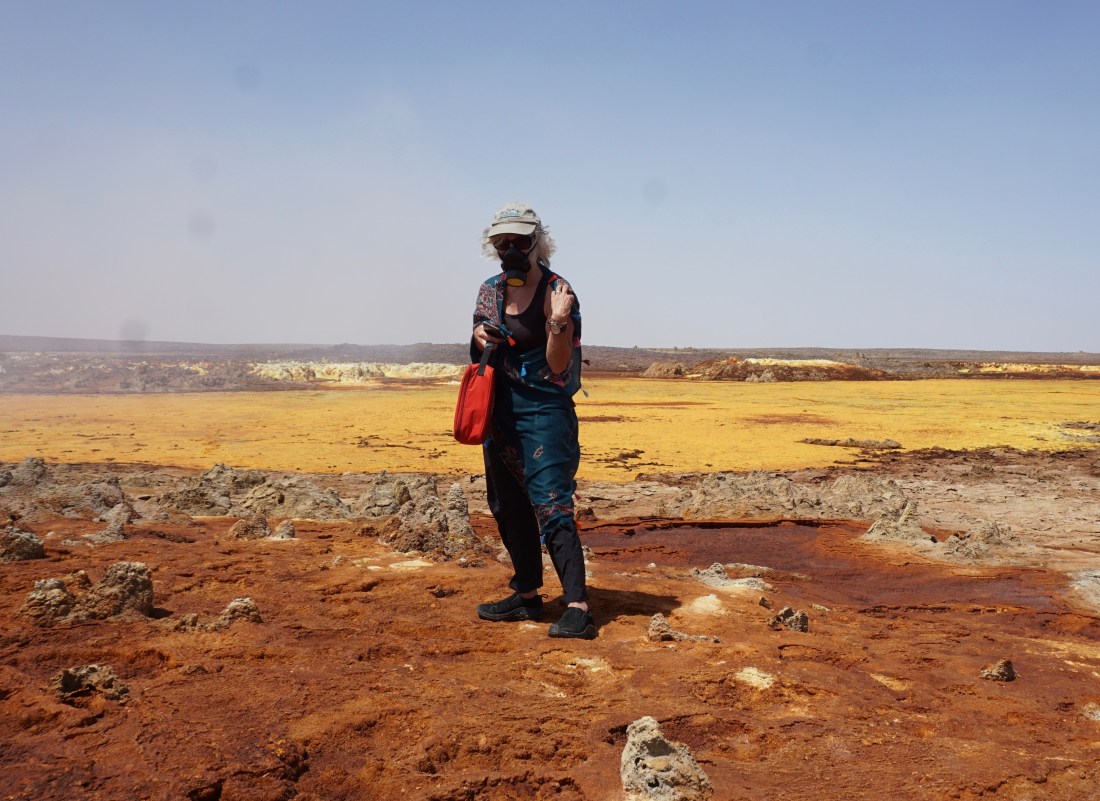
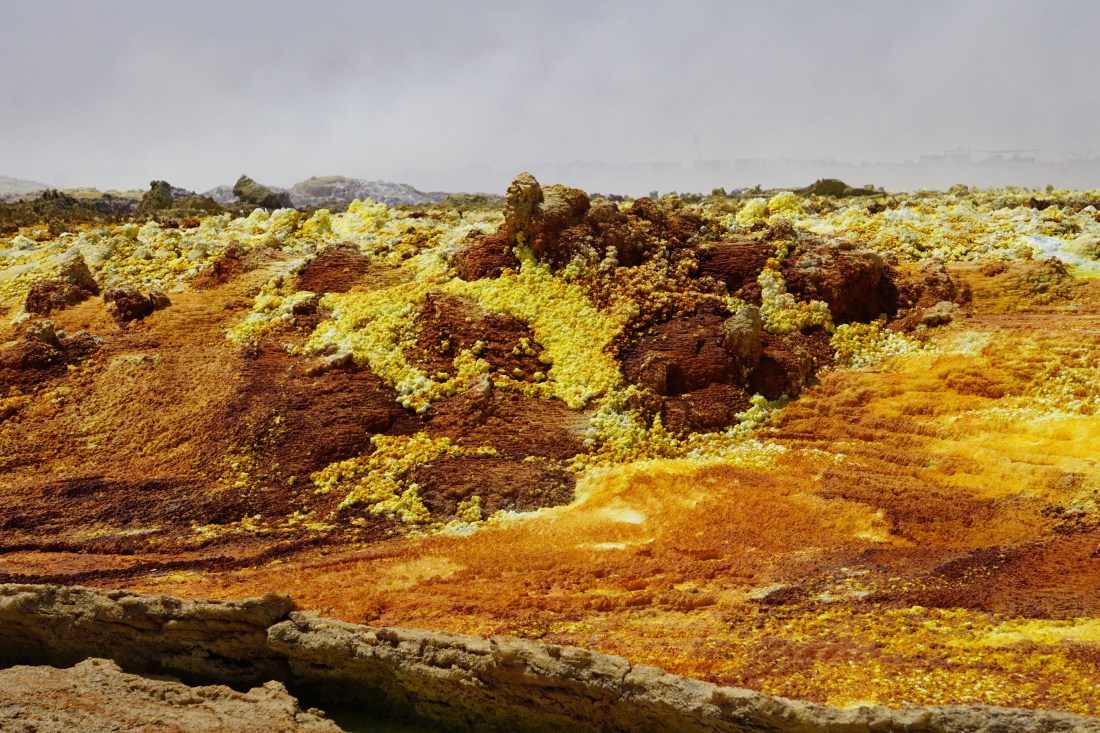
I hiked with our driver and guide in this area to see the coloured salt deposits. It was +44. They told me to drink lots of water before we went saying it was a 25 minute walk. Meanwhile our guard stayed in the car chewing kat and guarding John with his        AK47.

DSC03554

On the other side this is what we saw.

I had to wear a mask for the sulphur fumes.

DSC03580

DSC03548

DSC03562

DSC03565

DSC03568

DSC03569


DSC03582

DSC03586

It was unbelievable to see. By this time though our 25 minutes was 45 and we still needed to get back to the car. With the heat, the over consumption of water, the smell, the wind and the exertion,  I literally hit a wall and needed to stop but they said I couldn’t so they look a bottle of water dumped it over my head and took turns piggy backing me until I could walk again.

A hot spring area.

DSC03590

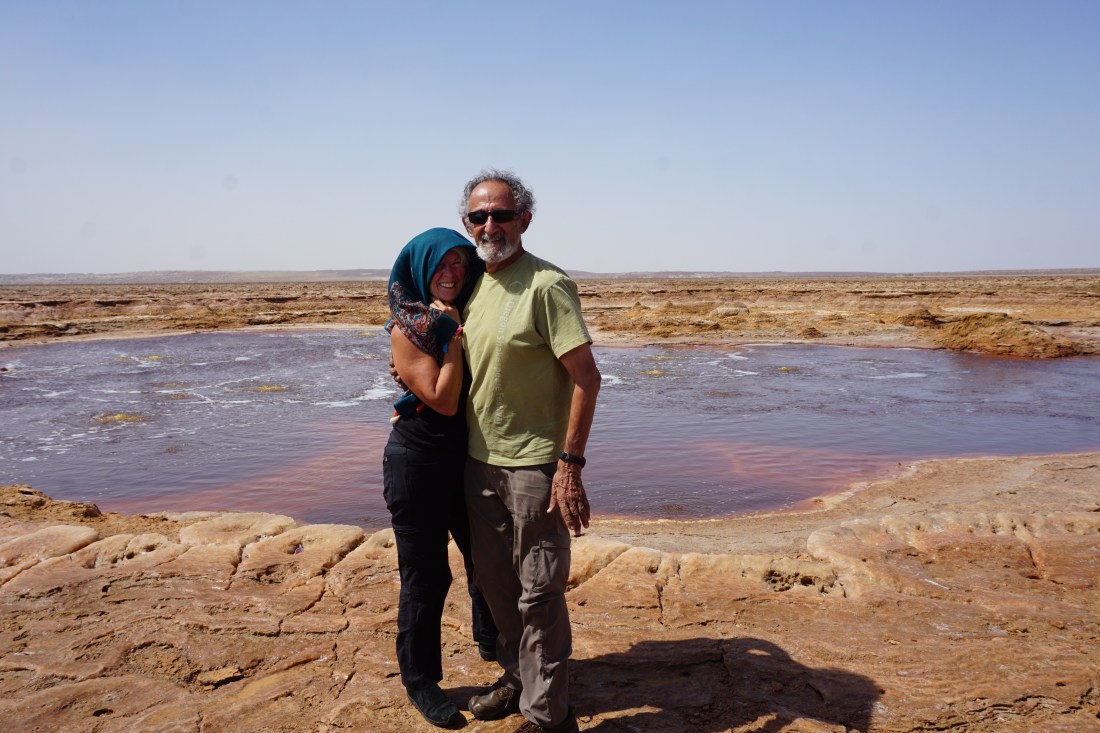
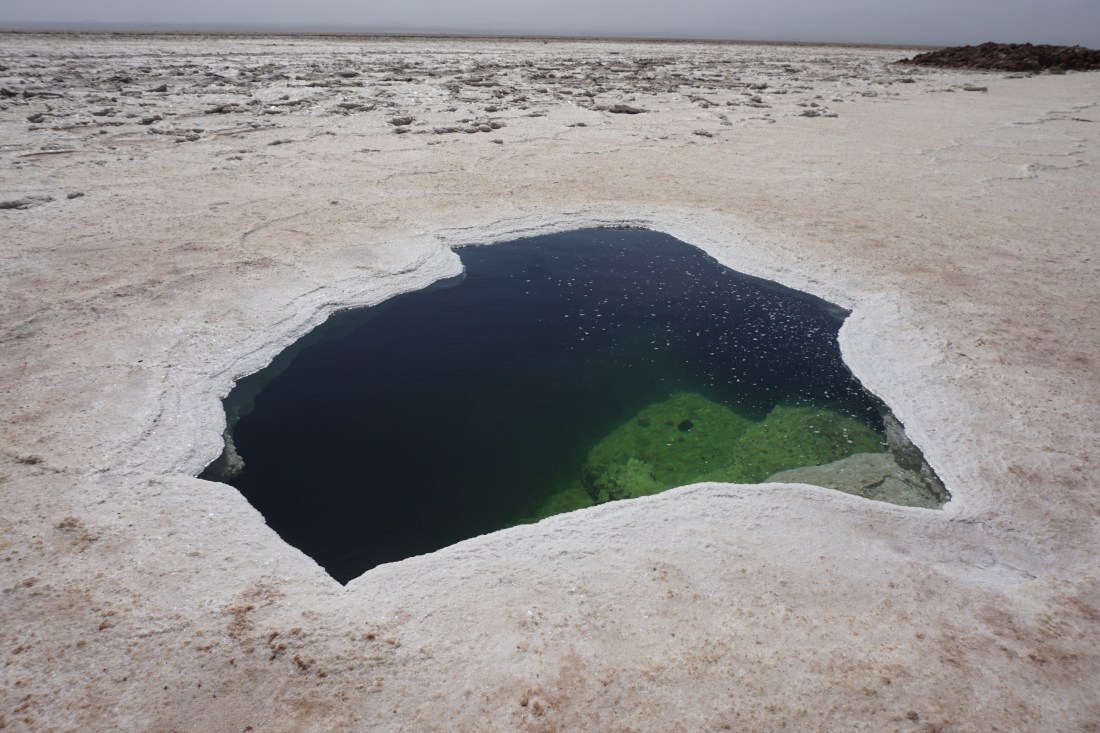
The opening in this salt pan was incredibly deep and extremely salted.

DSC03597

DSC03608