
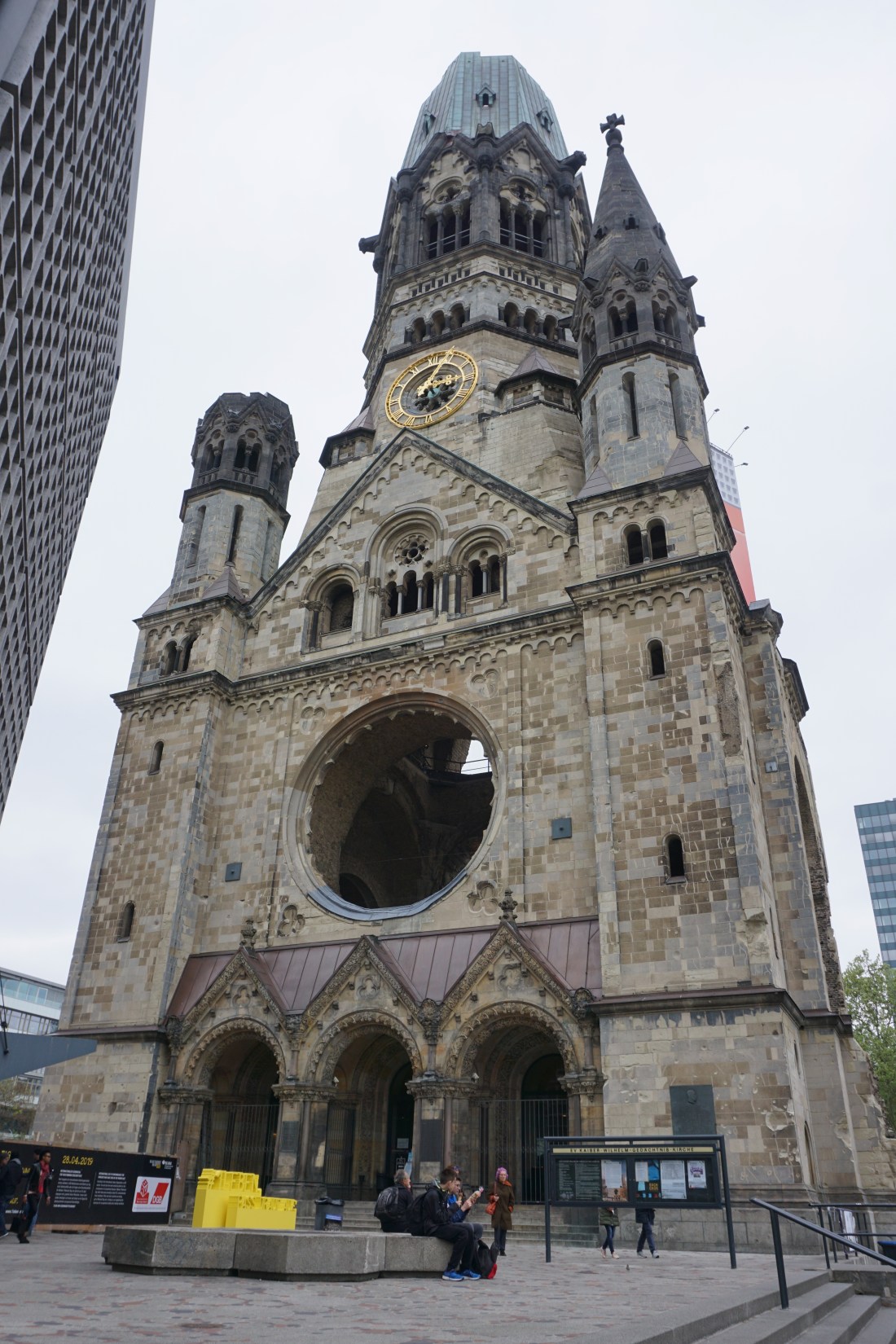
After the bombing of the city, the only part of the Kaiser Wilhelm Memorial Church left standing was the entrance.
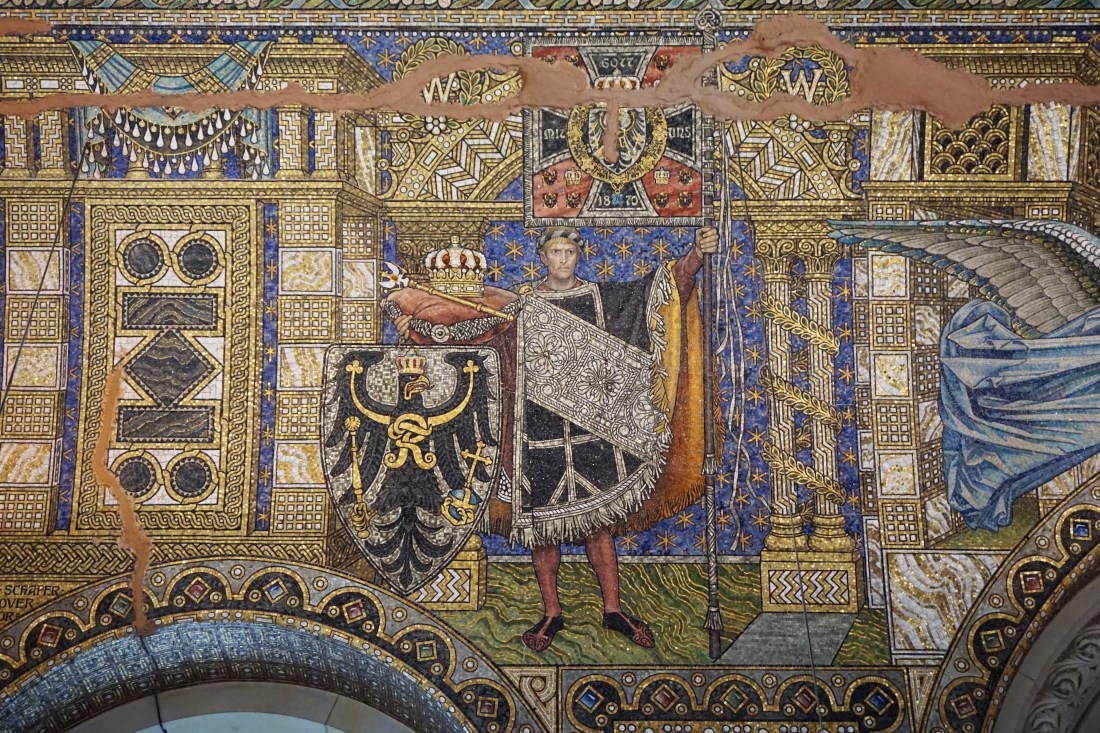
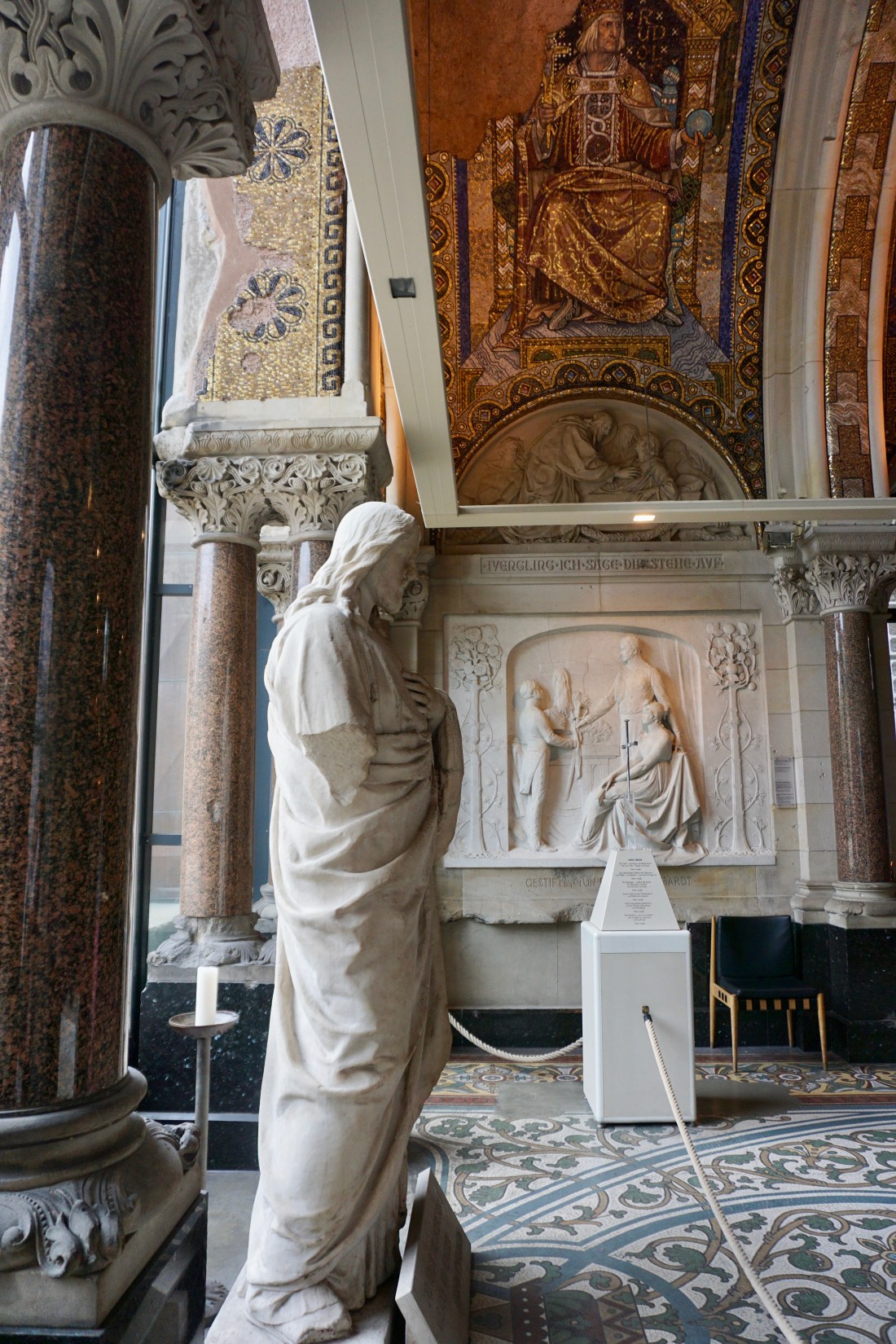
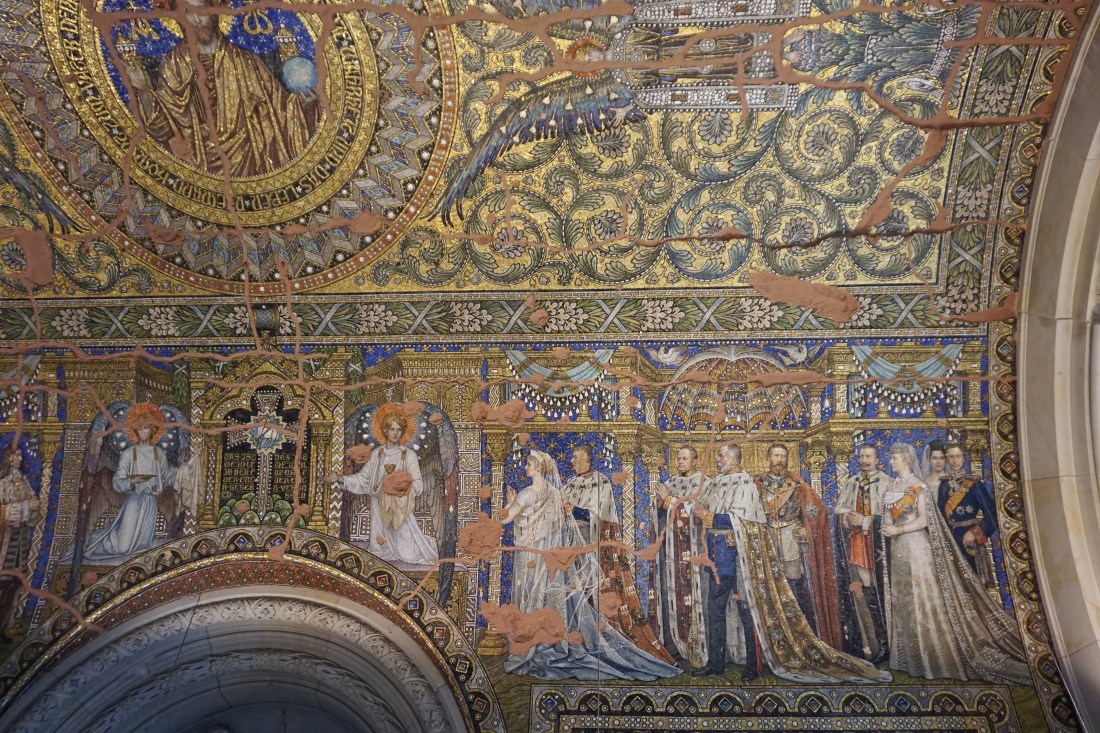
Pretty amazing interior mosaics.
Train stations were very ornate.


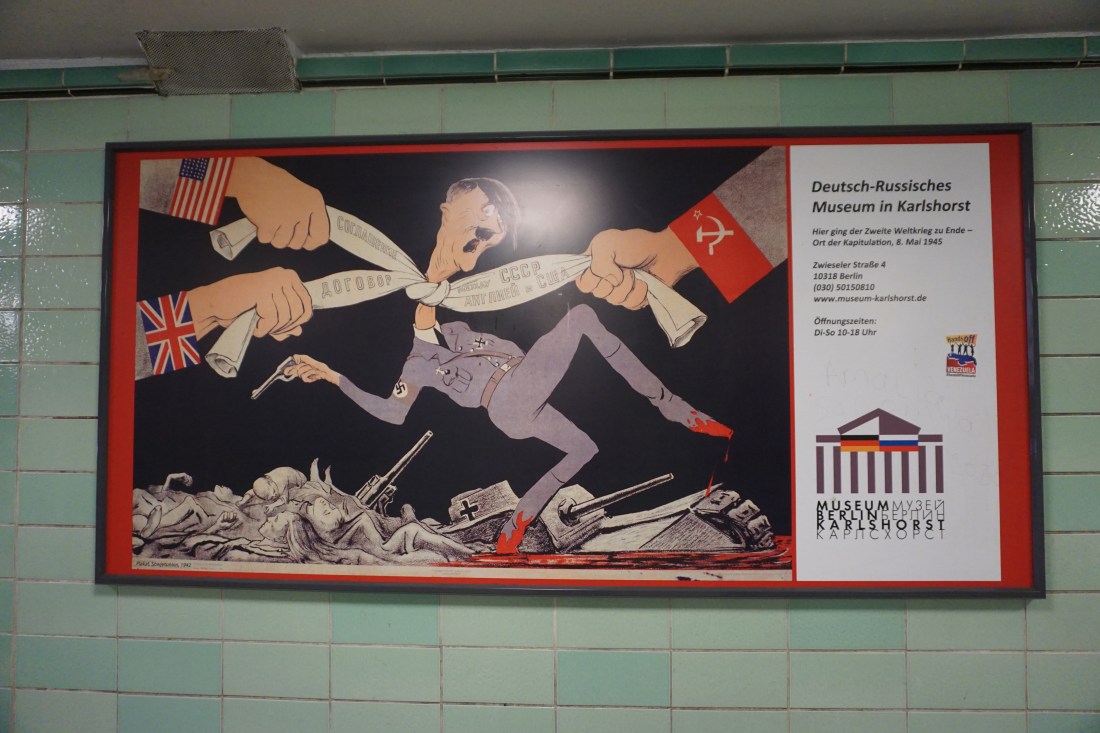
Underground poster.
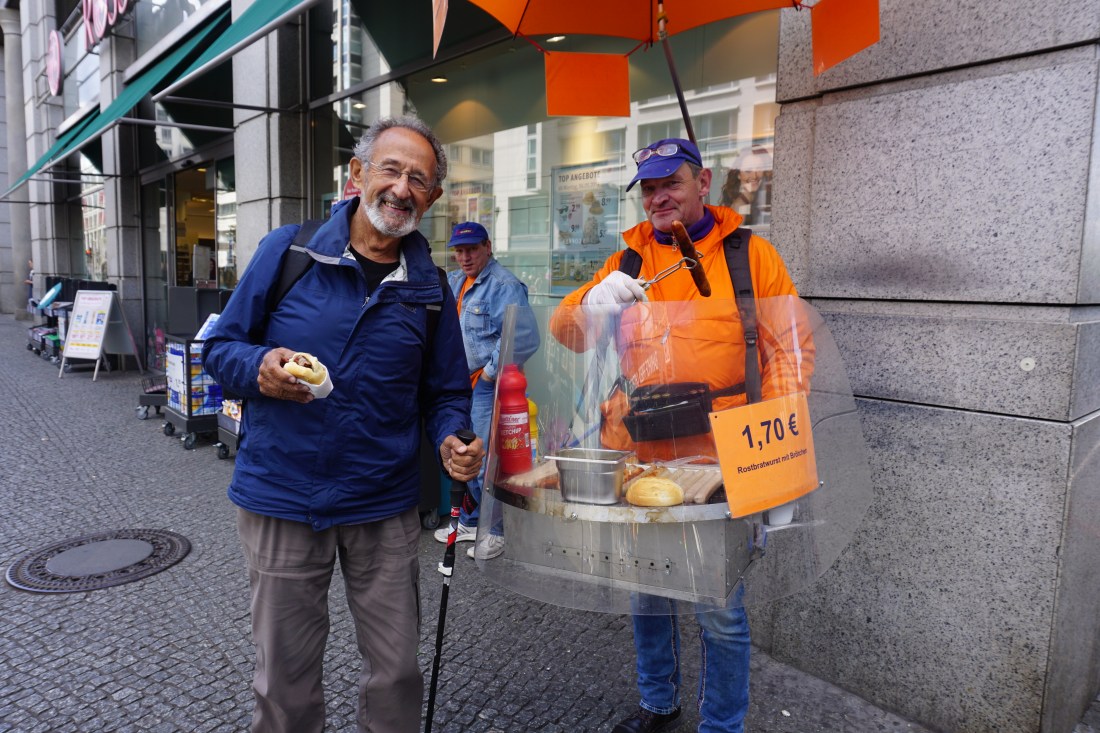
This fellow’s portable barbecue was interesting. John said the sausage was his guilty pleasure.
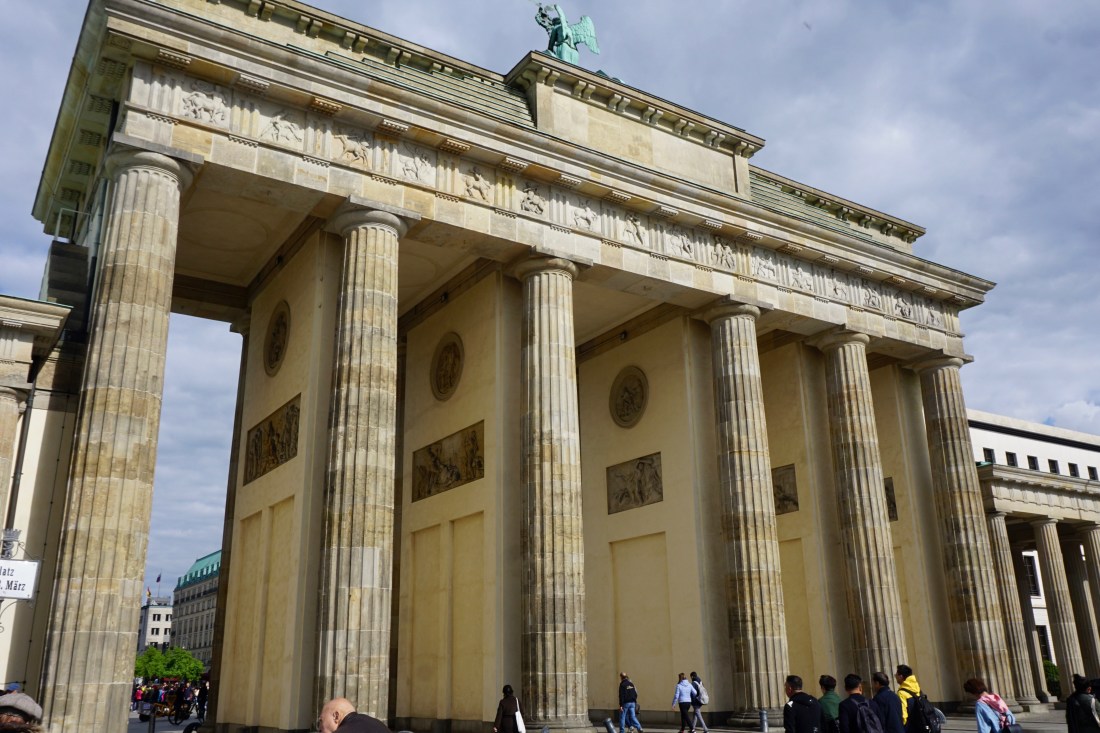
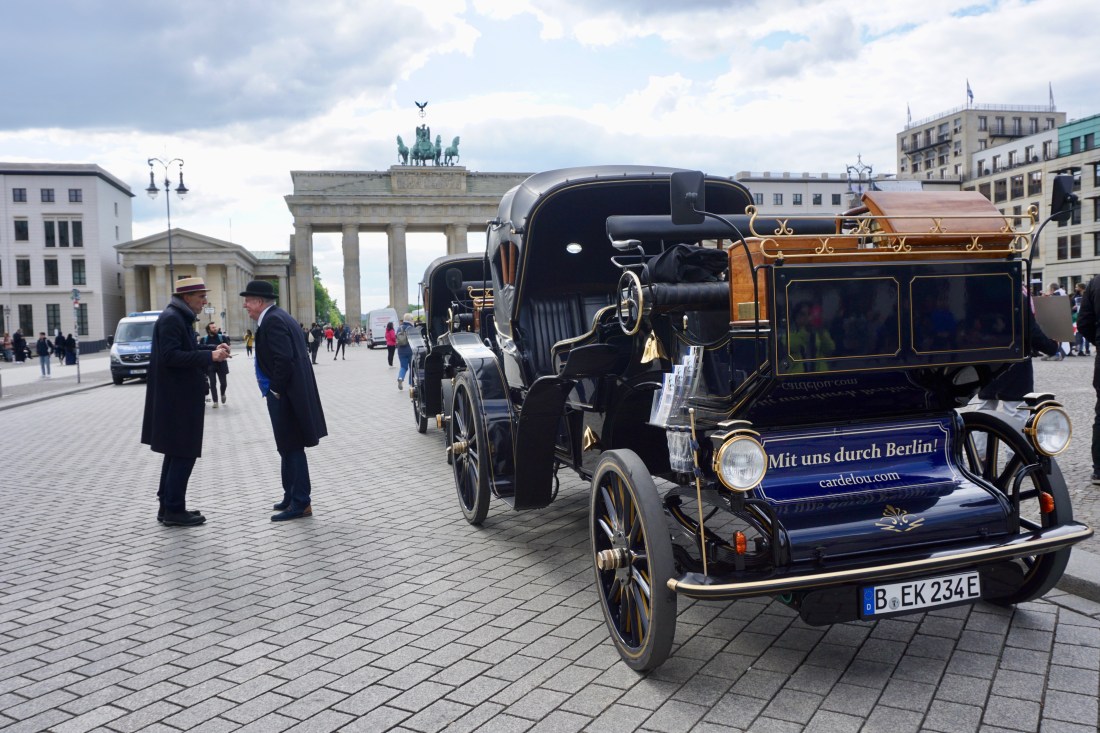
The Brandenberger Tor
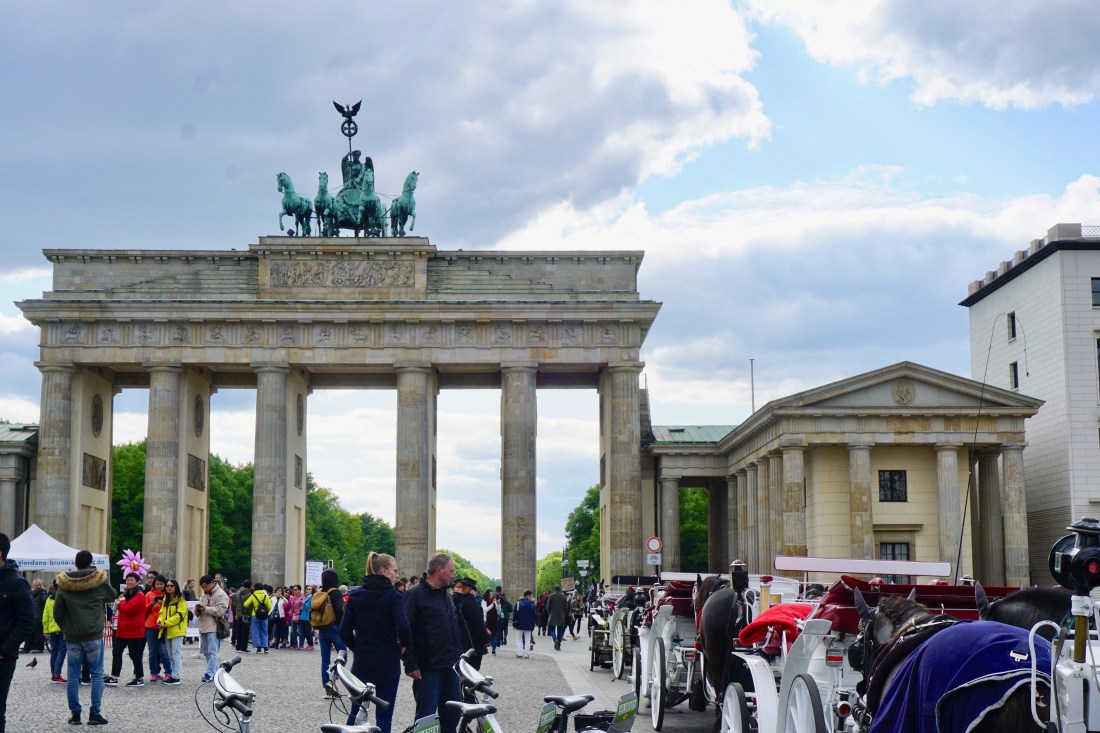
The symbol of Berlin
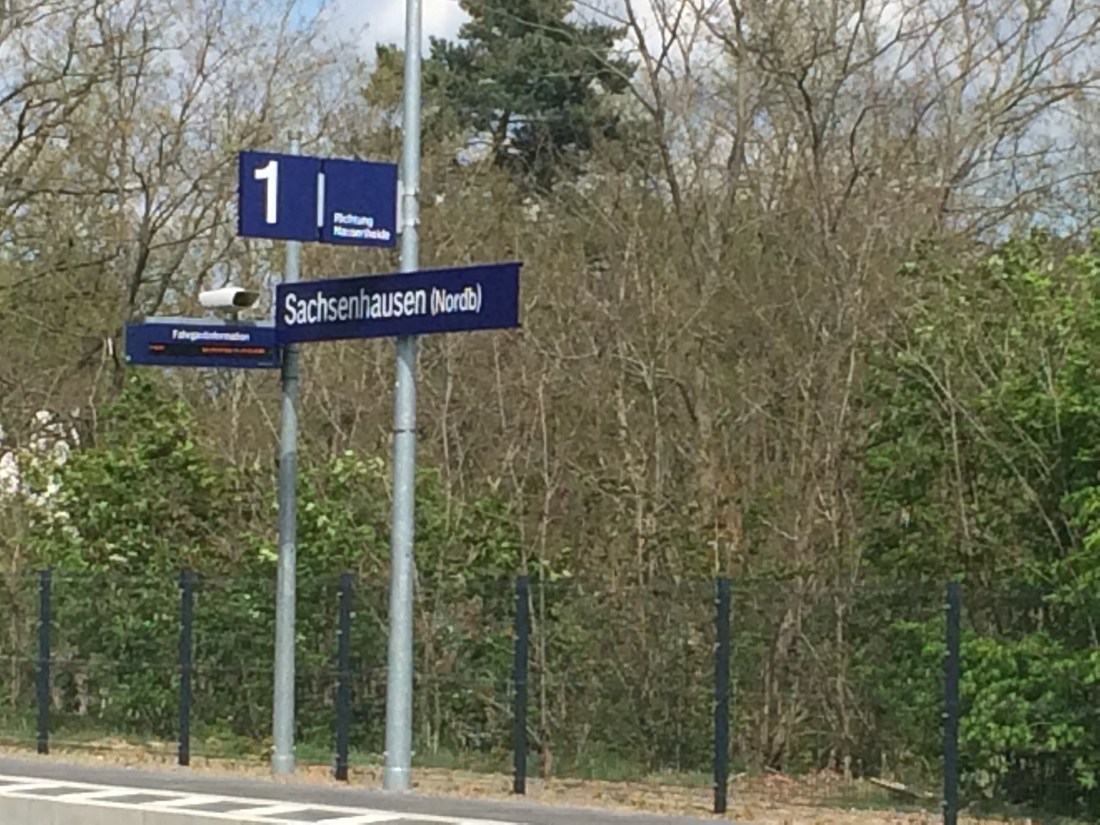
John visited the Sachsenhausen museum which is a train ride from the city. Together with adjacent Oranienberg, this was the first Nazi concentration camps, housing political prisoners as early as 1933.
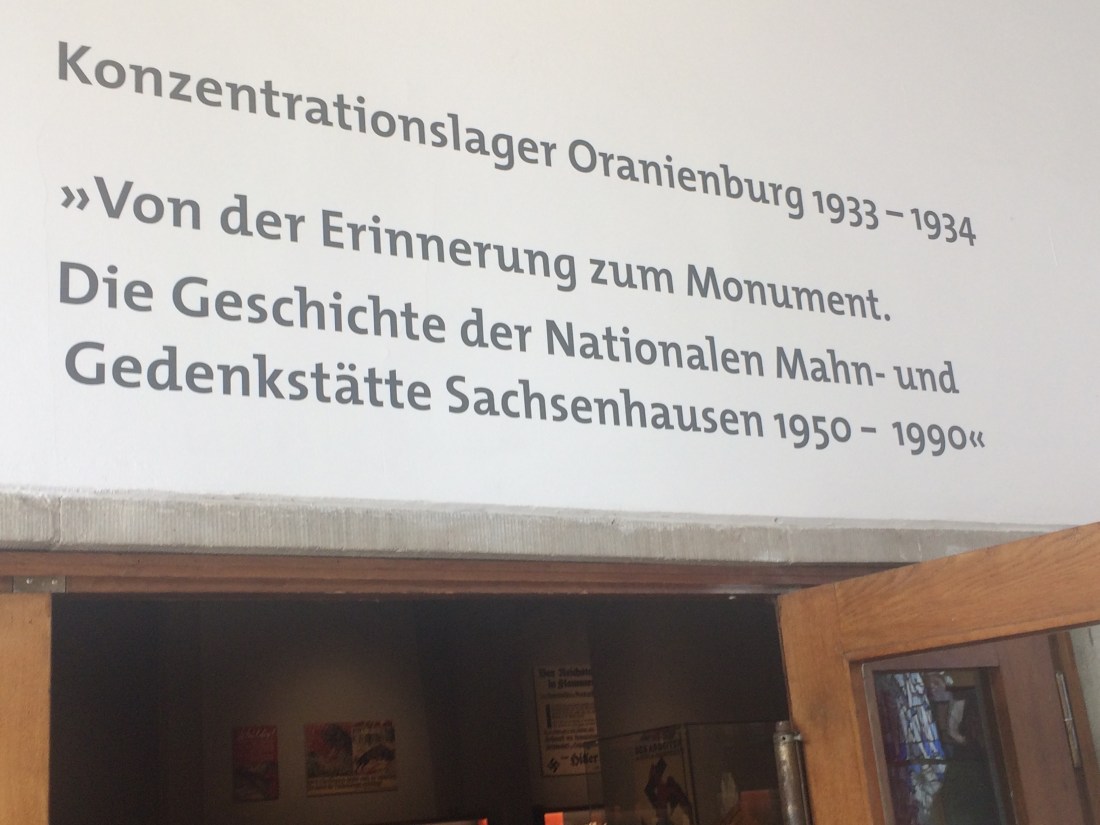
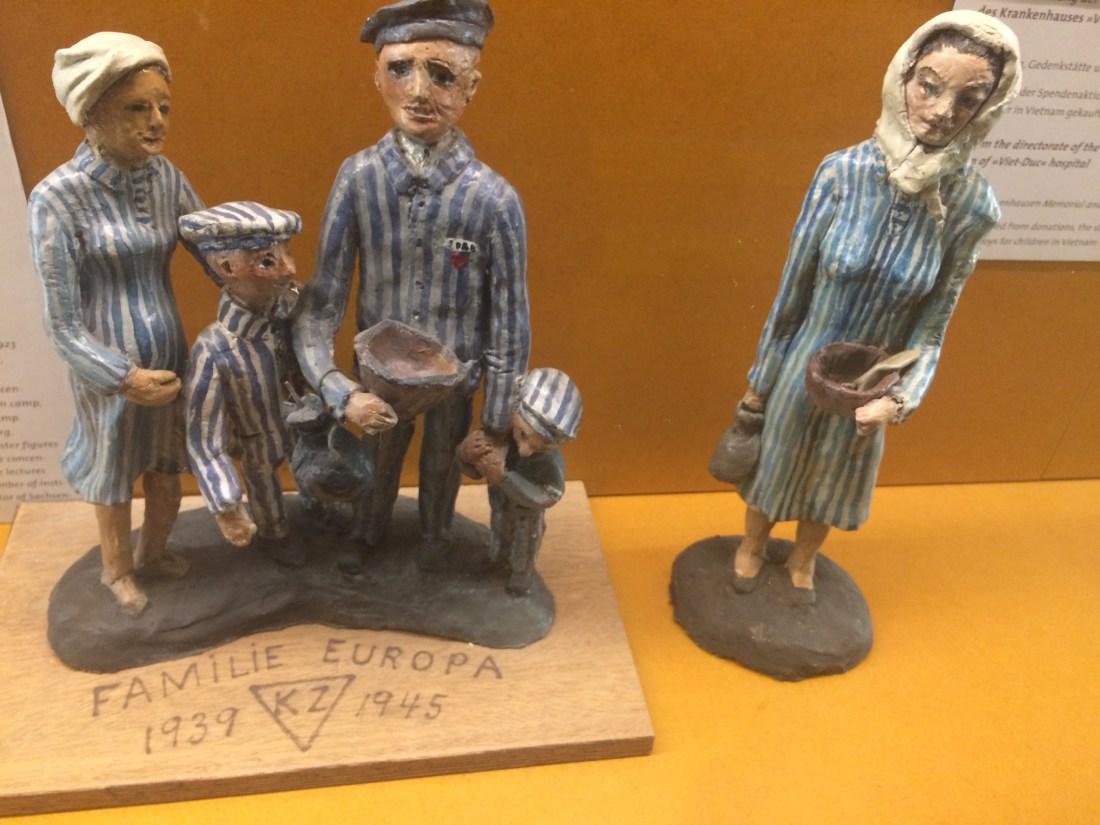
As the war approached, others – common criminals. Gypsies, Jehovah’s Witnesses, homosexuals and German Jews – were included – over 200,000 in all. After the Soviet Union captured Berlin in 1945, Sachsenhausen became a “Special Camp” for former Nazi officers and then enemies of the Soviet state. It was declared a national memorial by the East German Government in 1956.
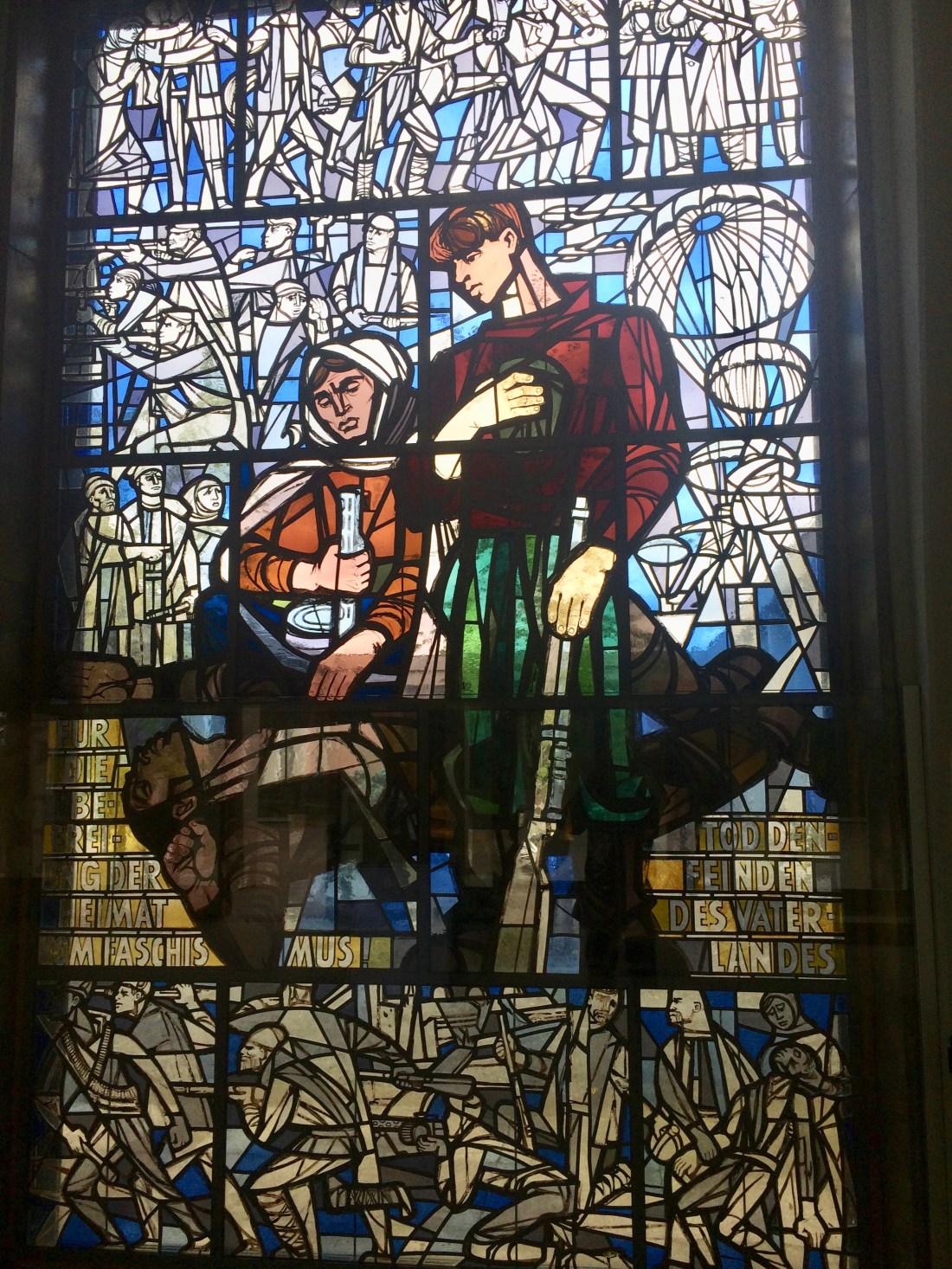
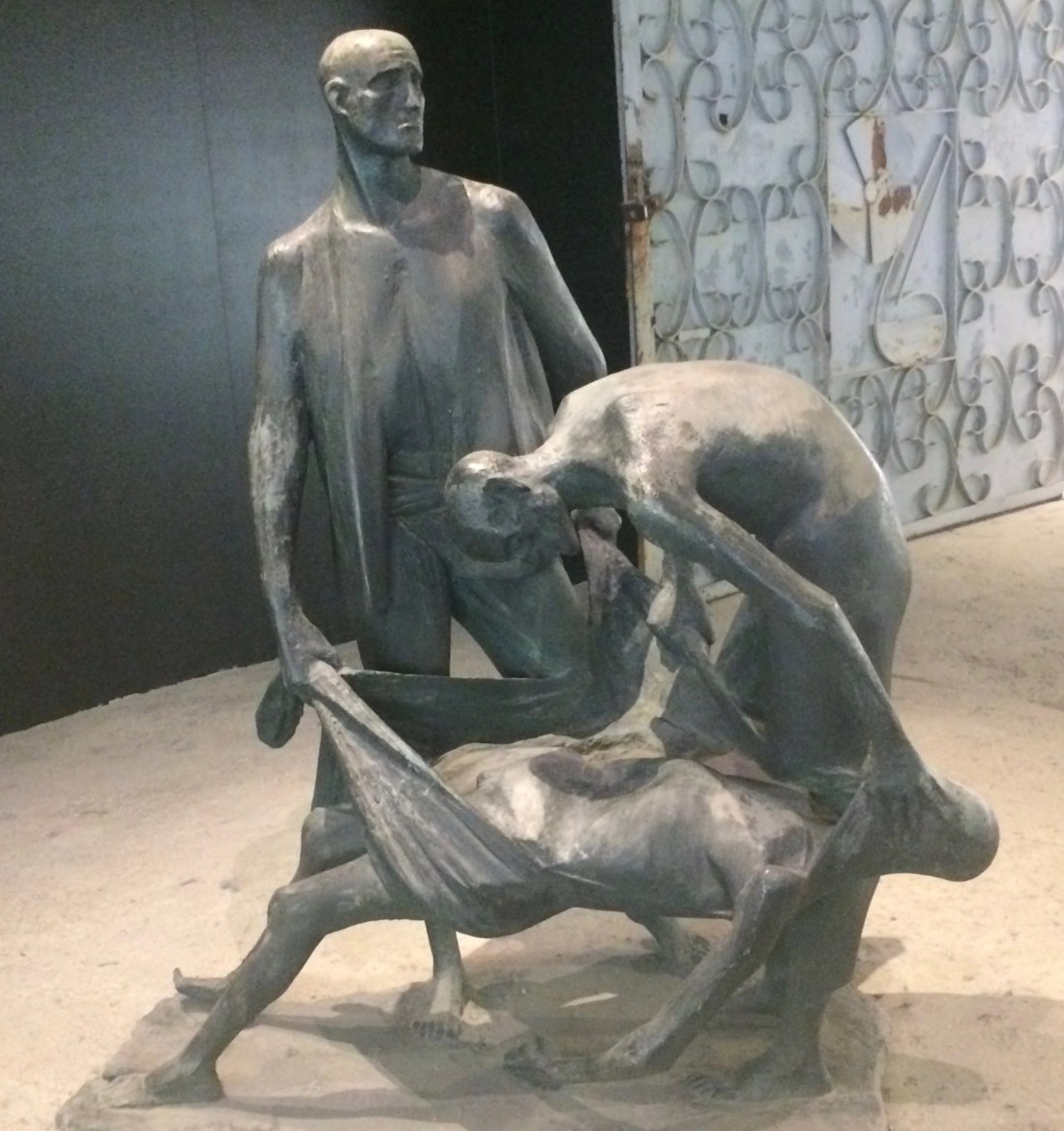
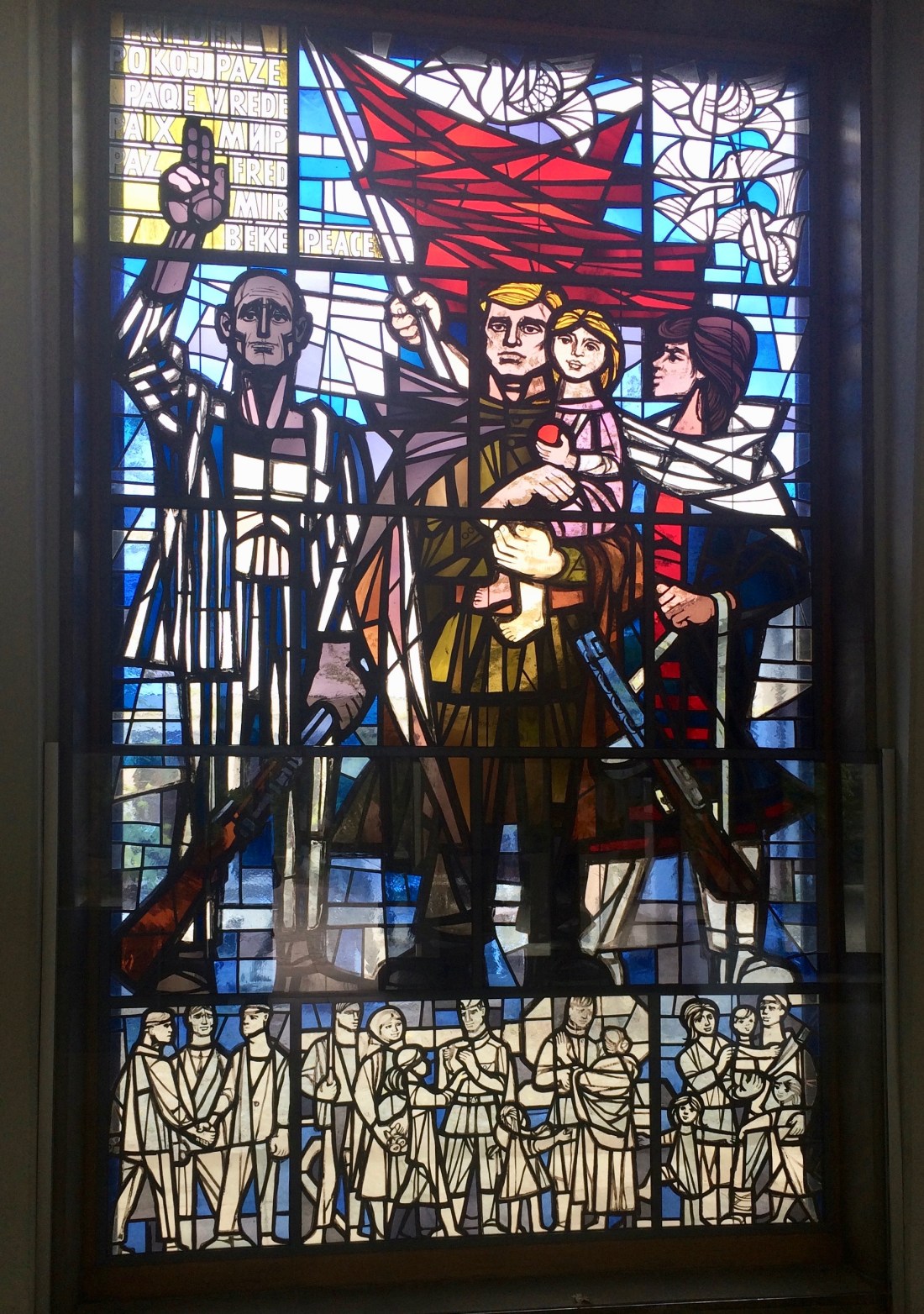
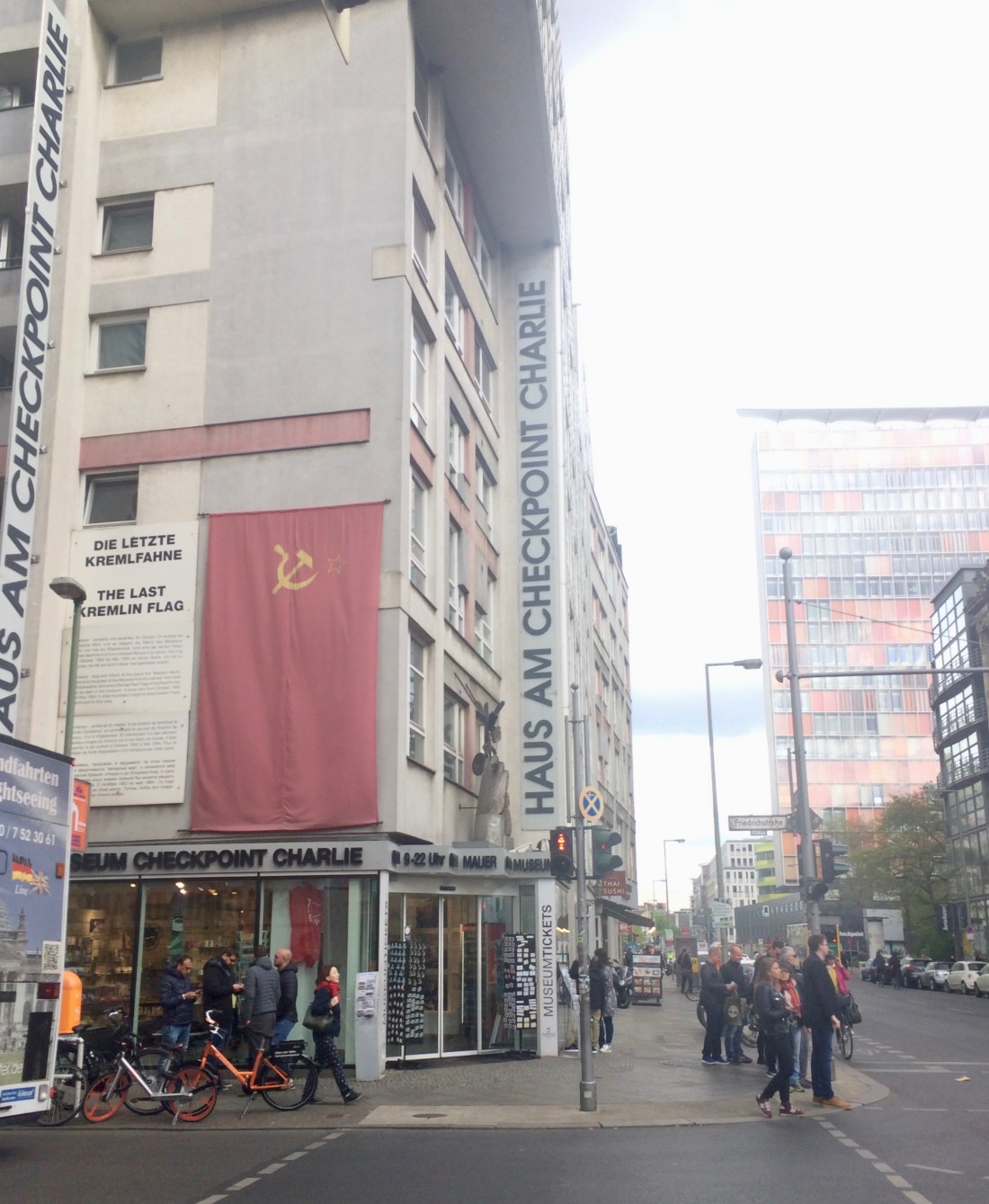
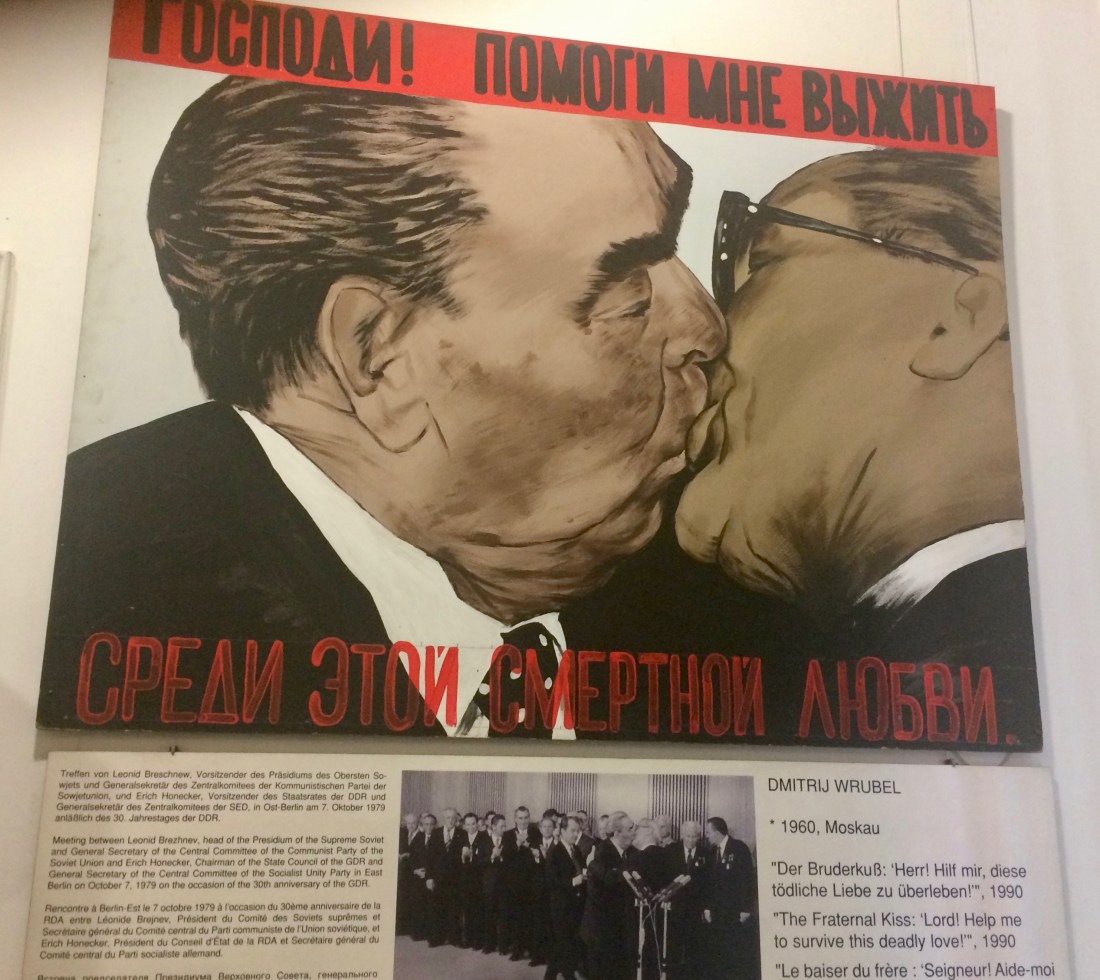
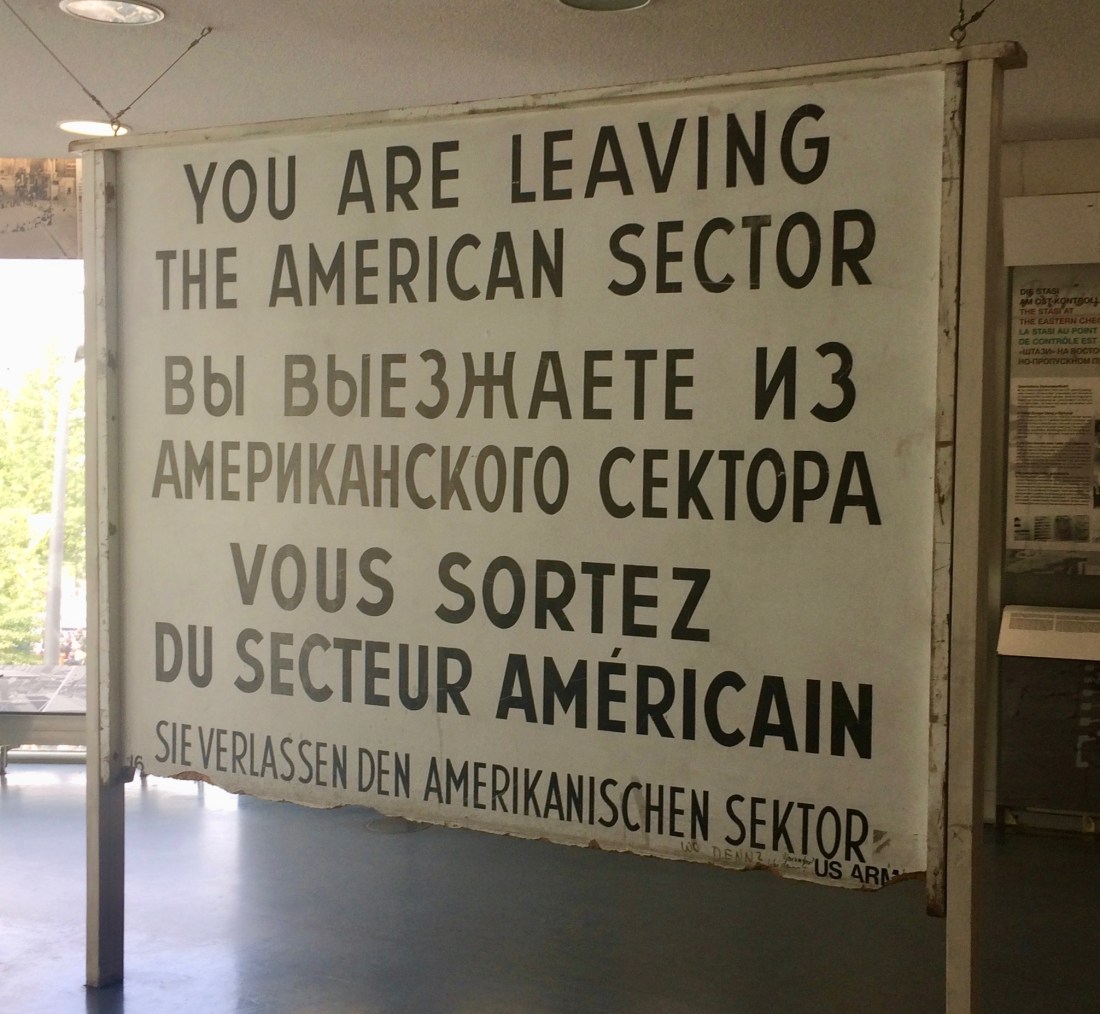
John also spent time at the Wall Museum, which is an incredibly detailed look at Berlin from 1945 to the destruction of the Berlin wall in 1989. Many of the artifacts are various ways that East Germans escaped to the West after 1961, when the wall was constructed, as well as pictures and posters of the time.
Brezhnev and Honecker – “The Kiss”
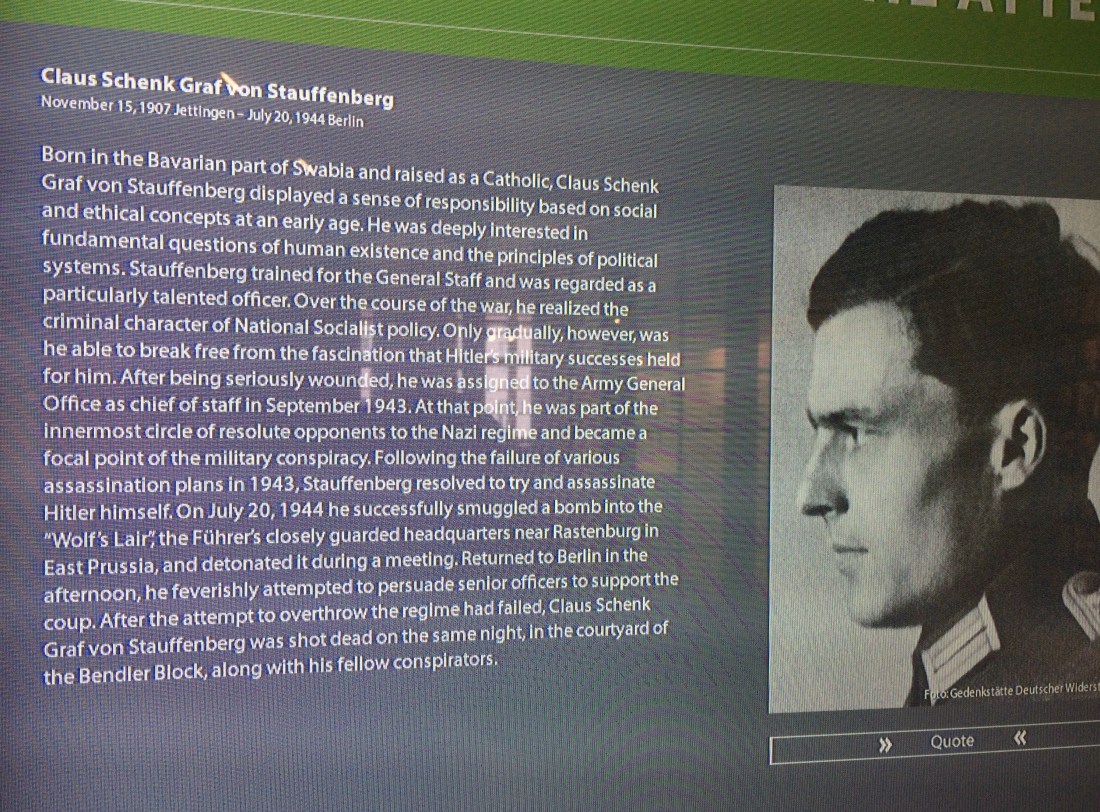
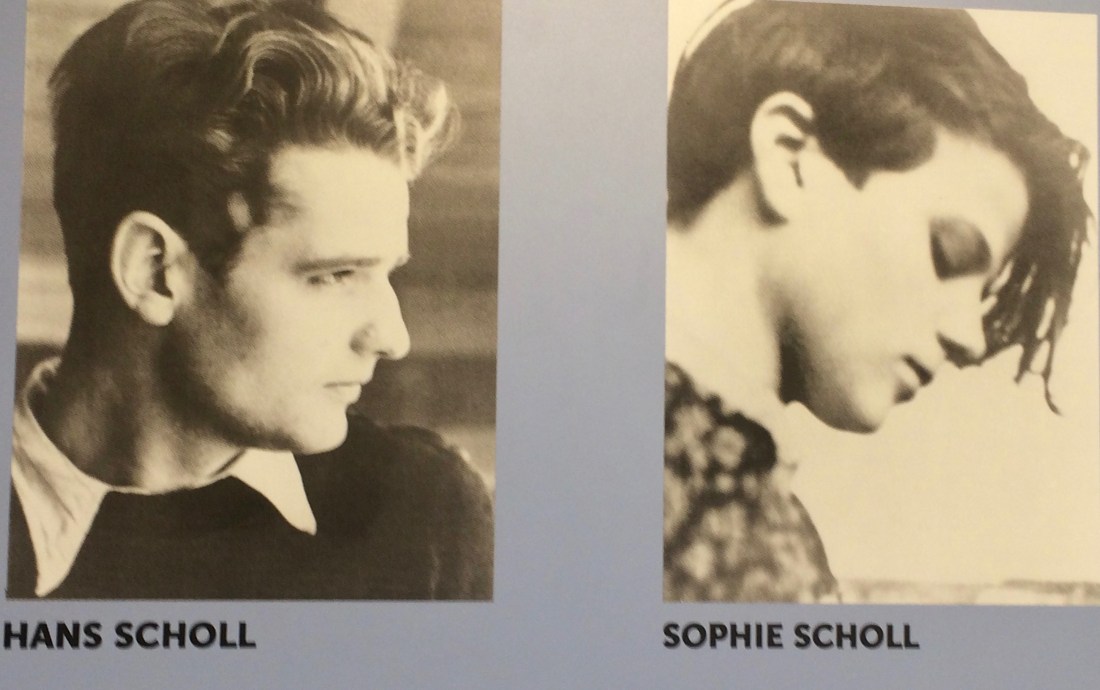
A third museum is dedicated to German resistance to the Nazi regime. 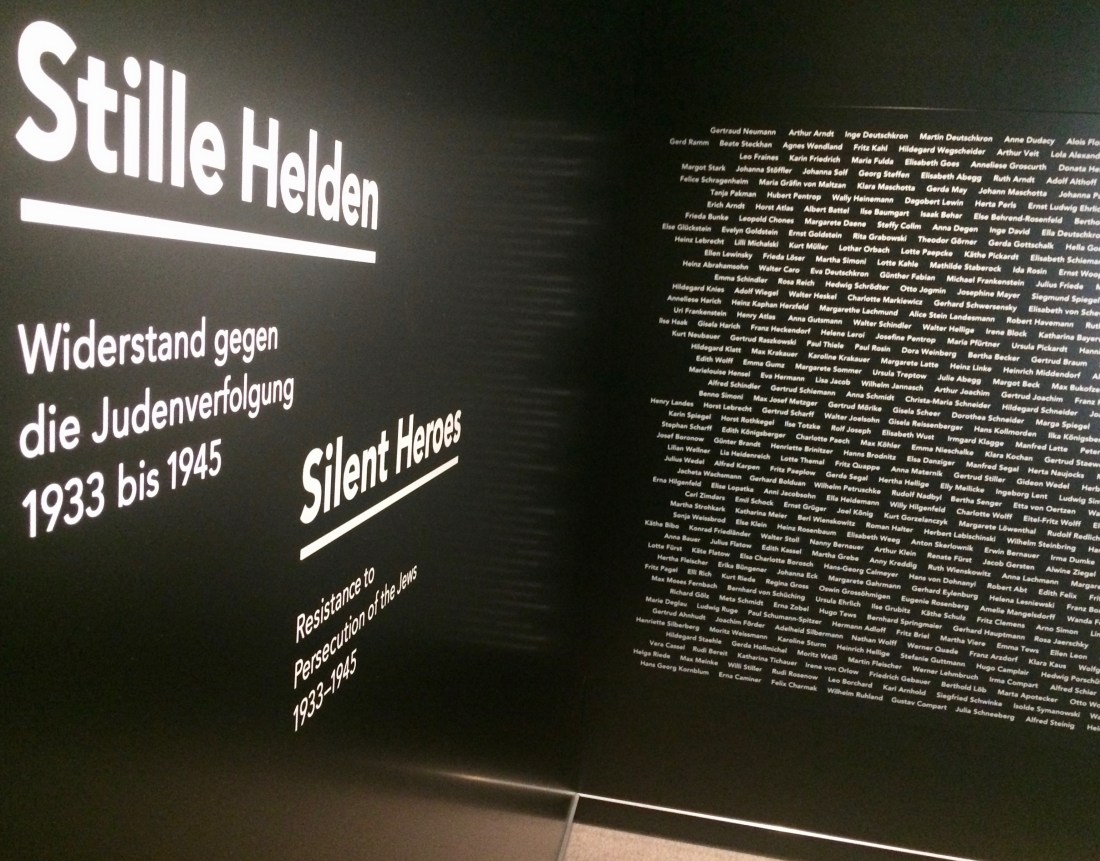
The Topography of Terror exhibit was built on the former site of the Berlin Gestapo.
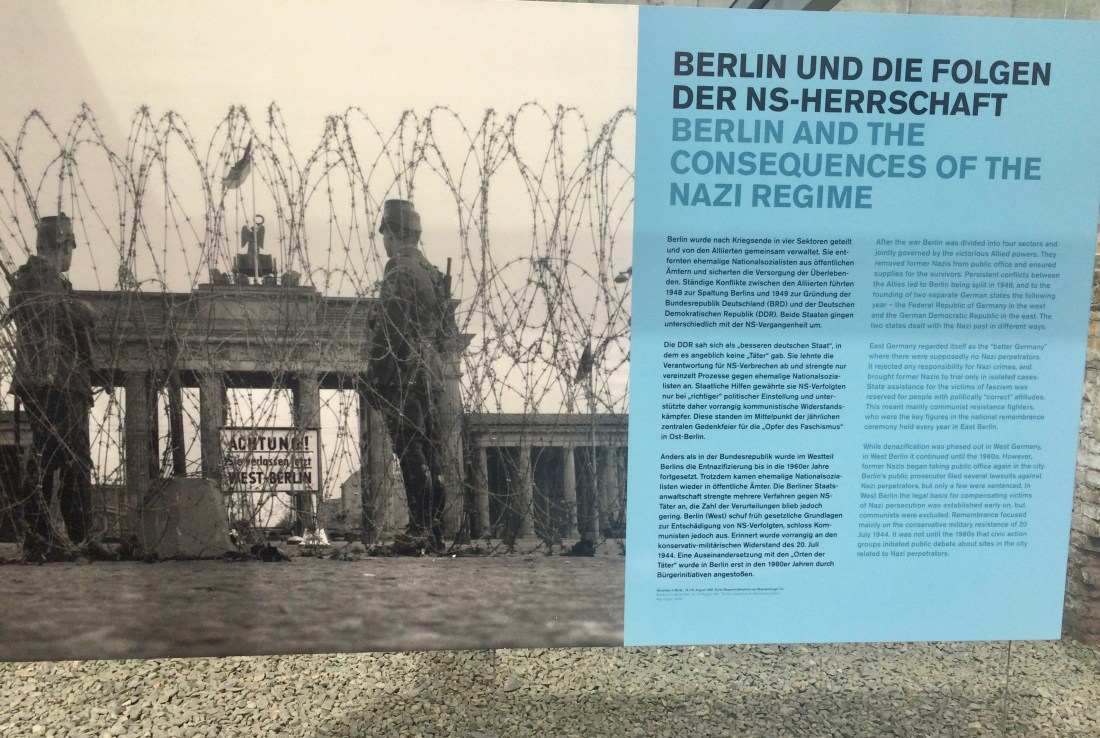
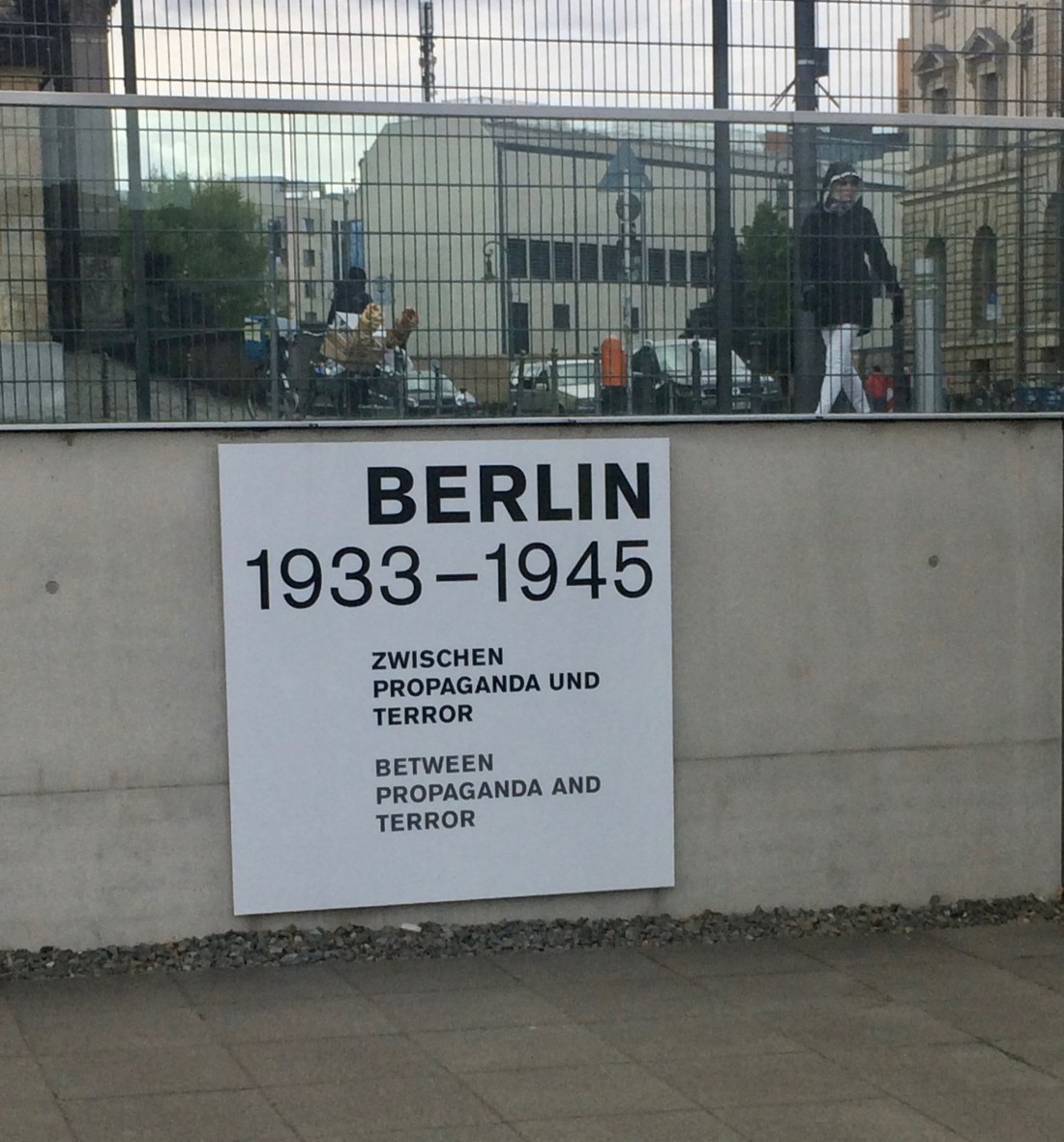
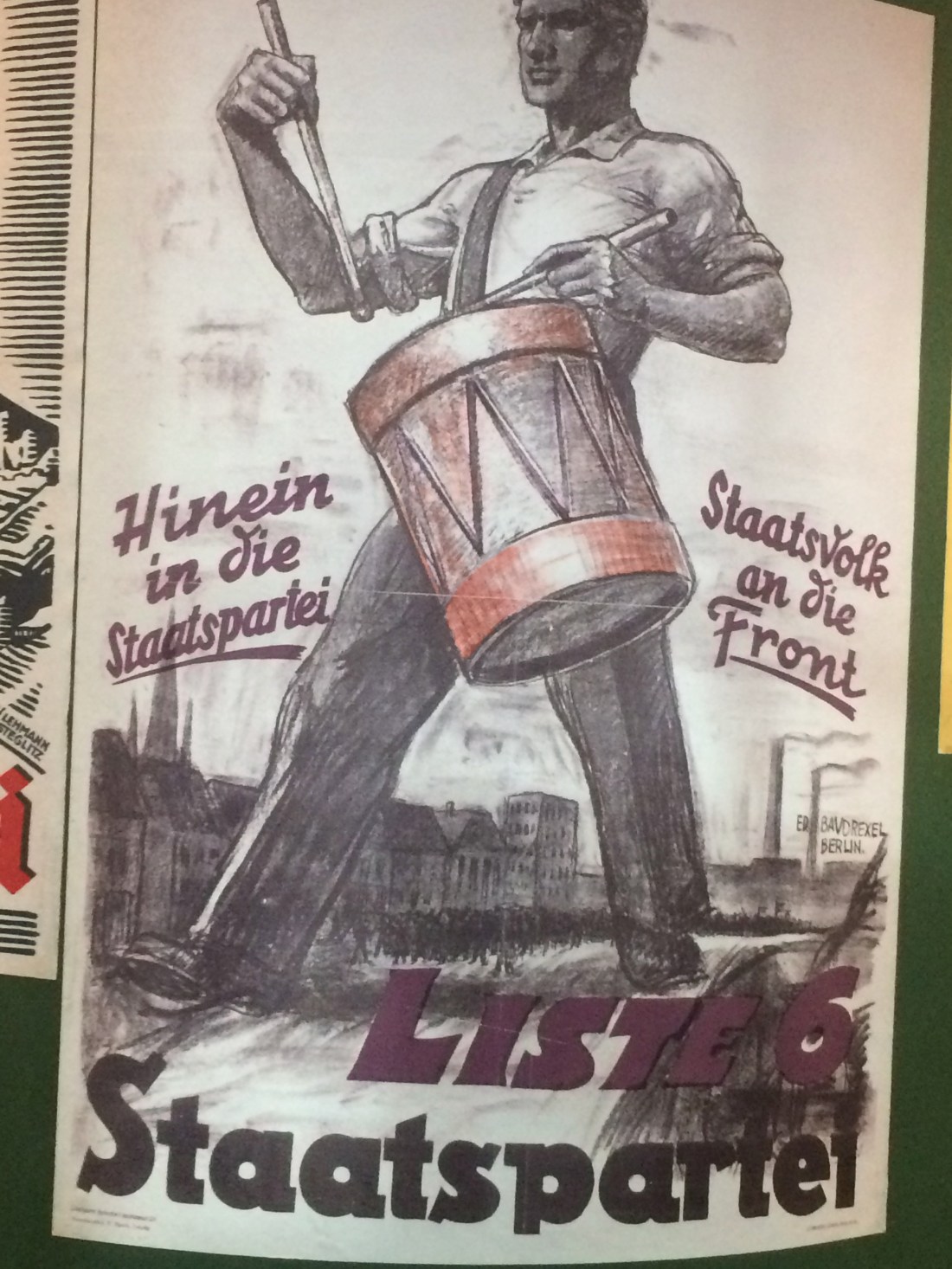
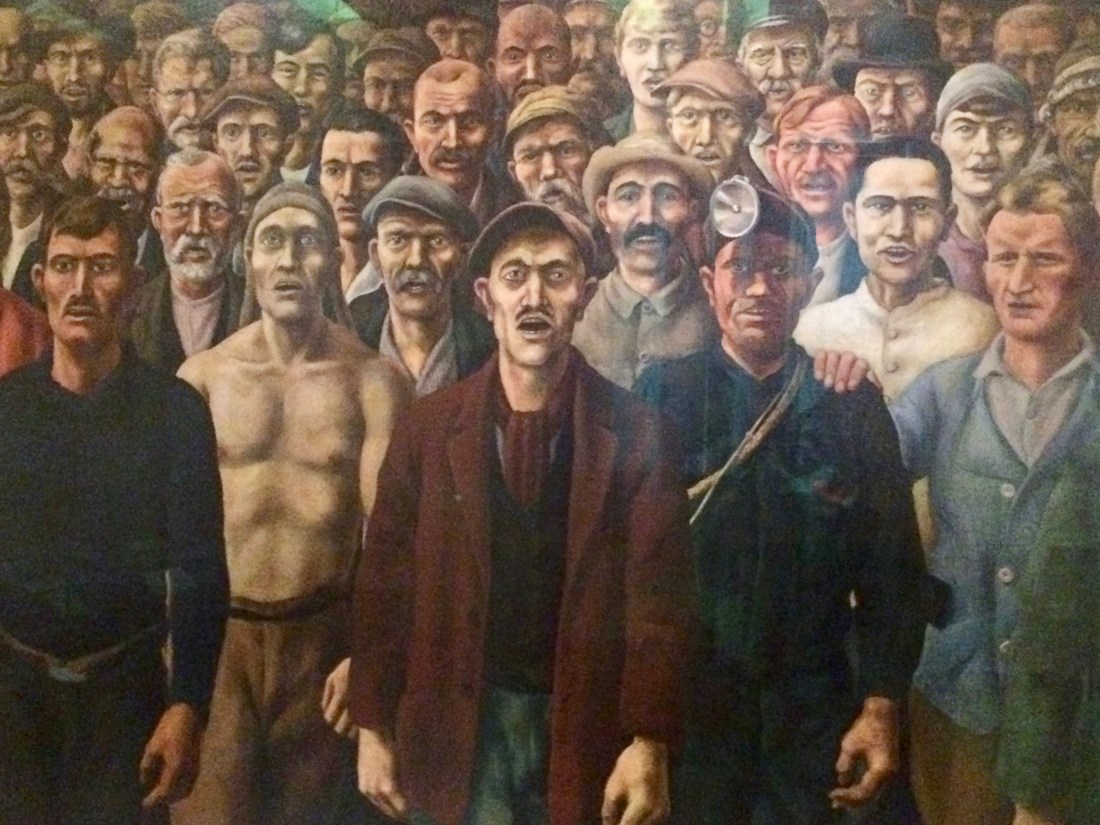
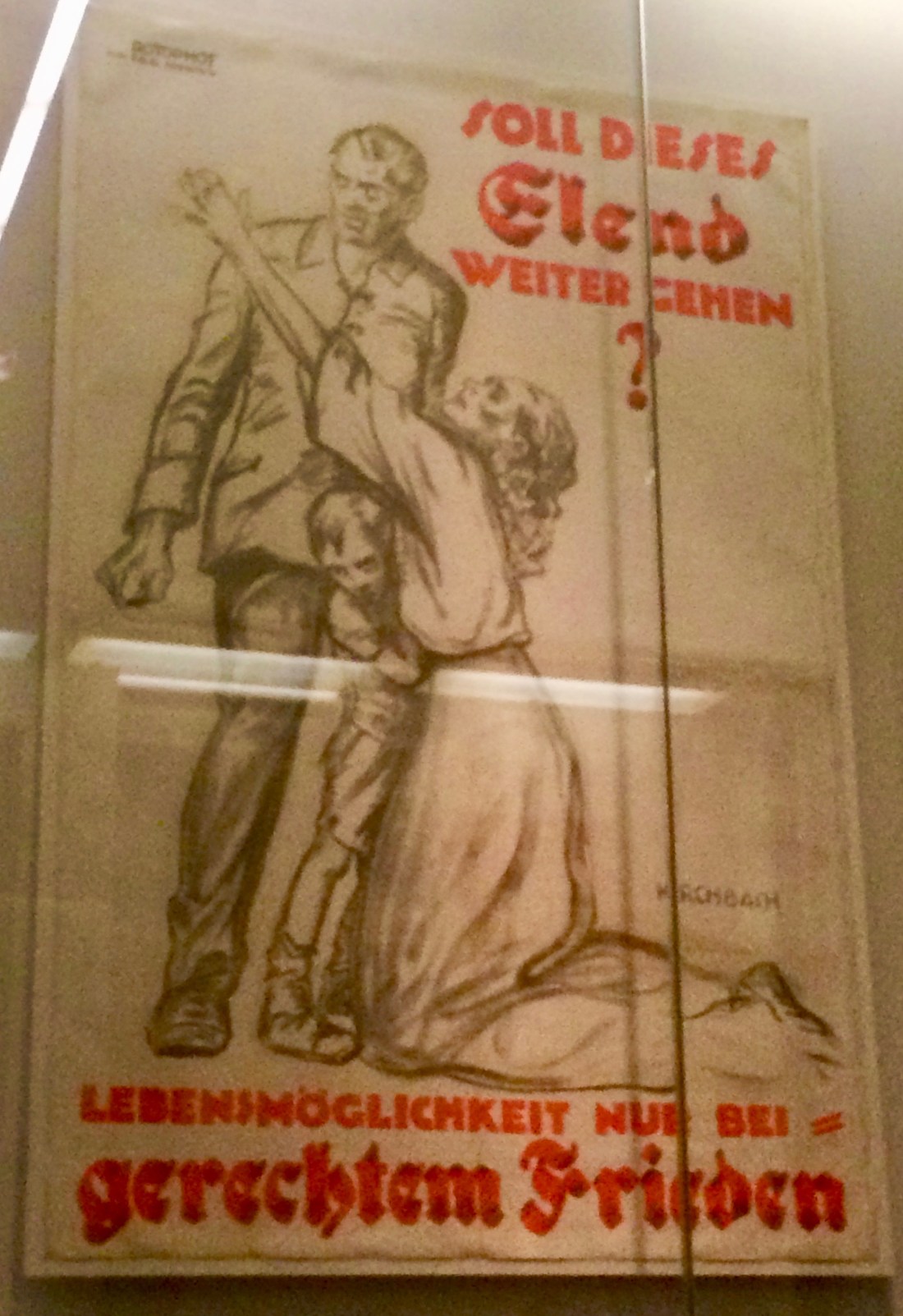
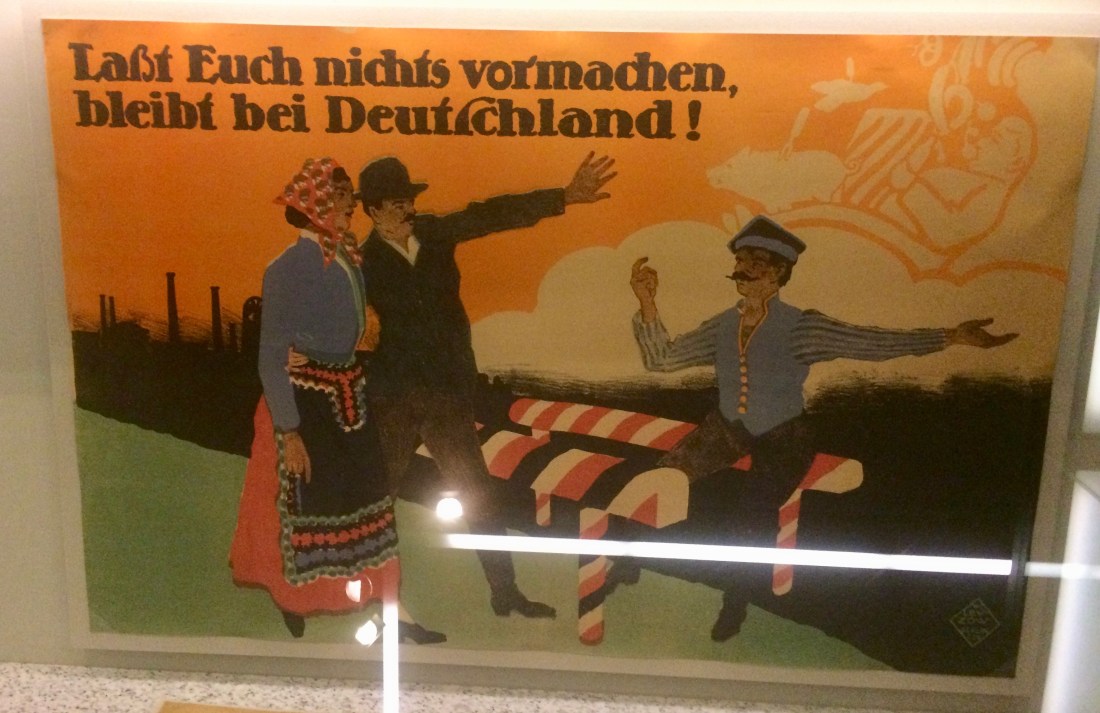
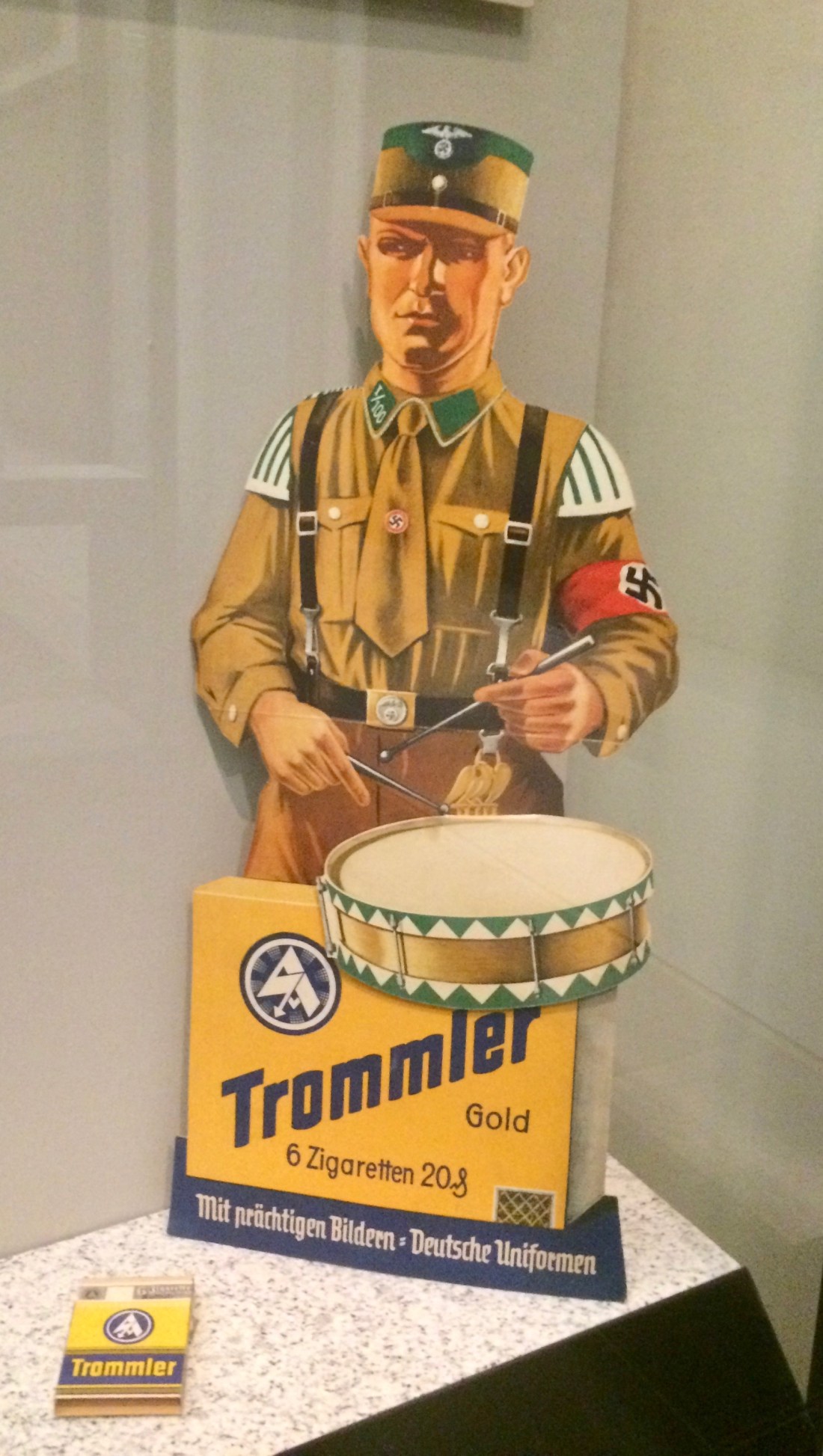
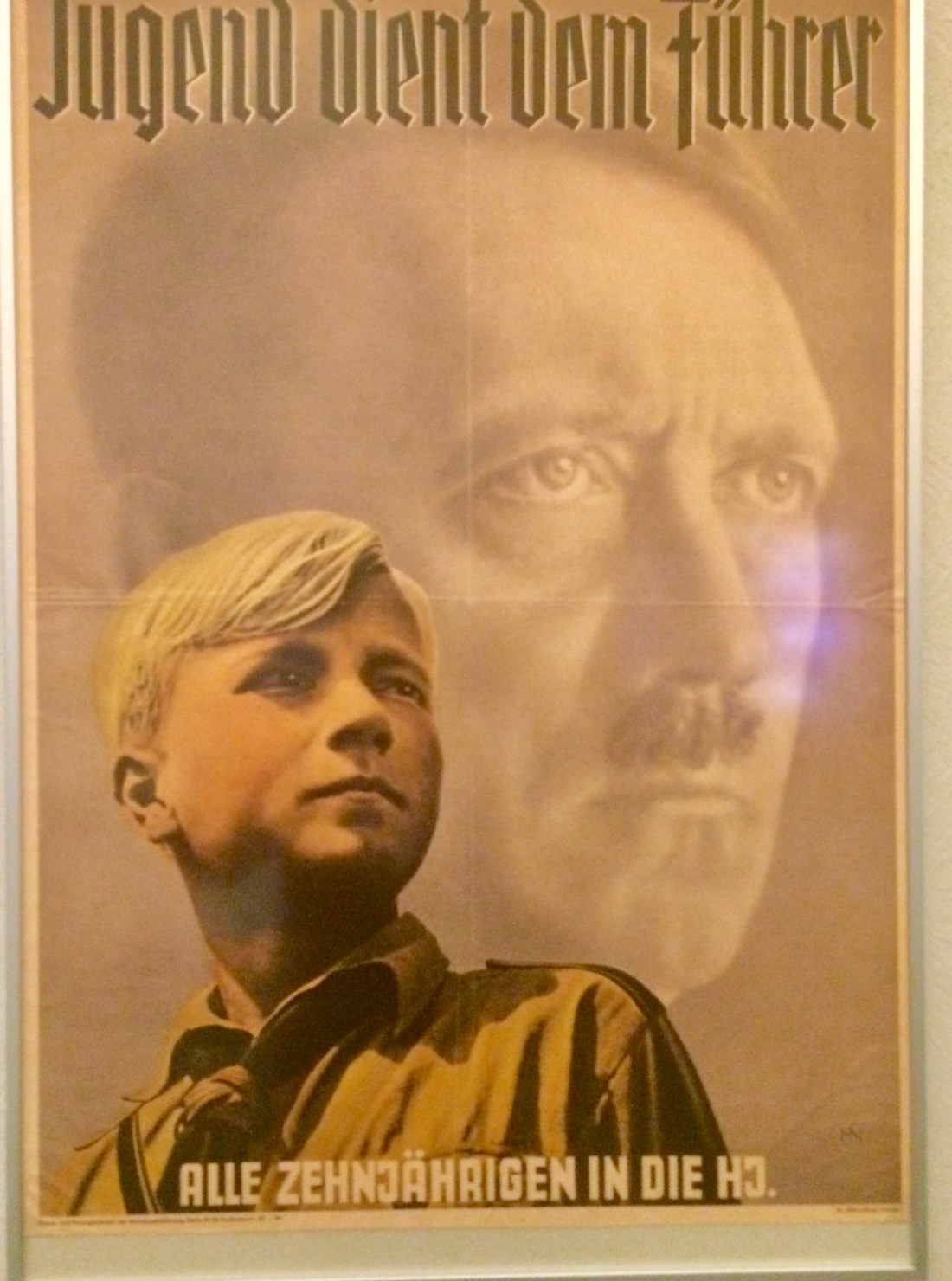
The National Museum of History has a large exhibit showing the development and ultimate collapse of the Weimar Republic, after 1918. The propaganda poster collection illustrated the political turmoil of the twenties and the Nazi takeover by 1933.
 BeverleyandJohn's2018Travels