
We took the night train from Vienna to Warsaw, leaving at 11:00 PM and getting into the Warsaw Central Station at 9 the next morning. It was a comfortable trip, as we had a roomette and travelled in style!
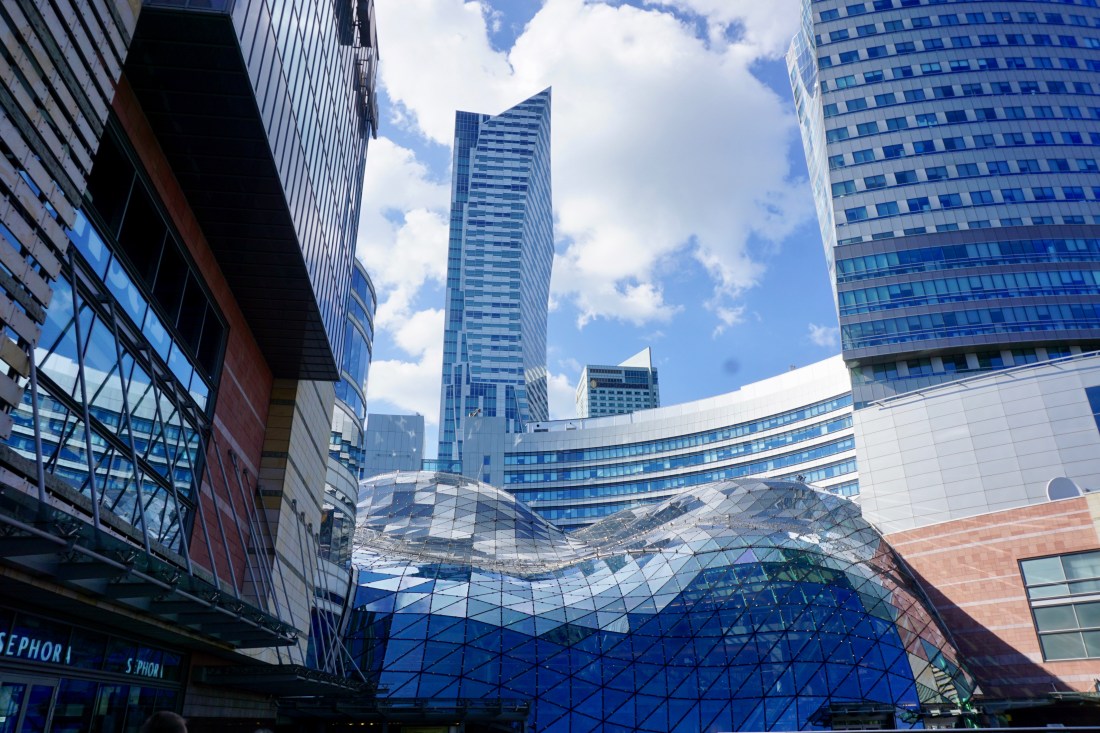
The very old in Warsaw
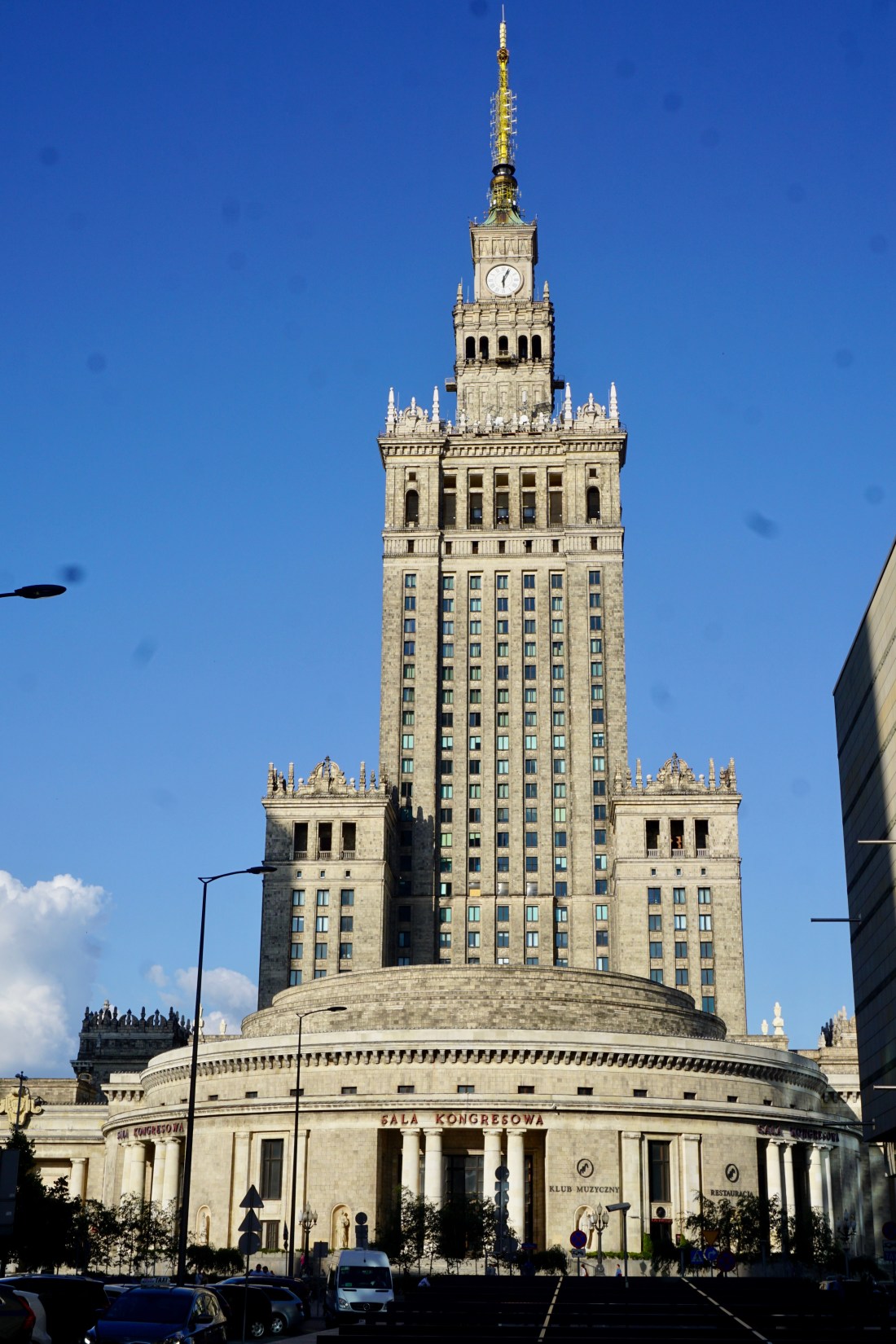
right beside the modern and new.
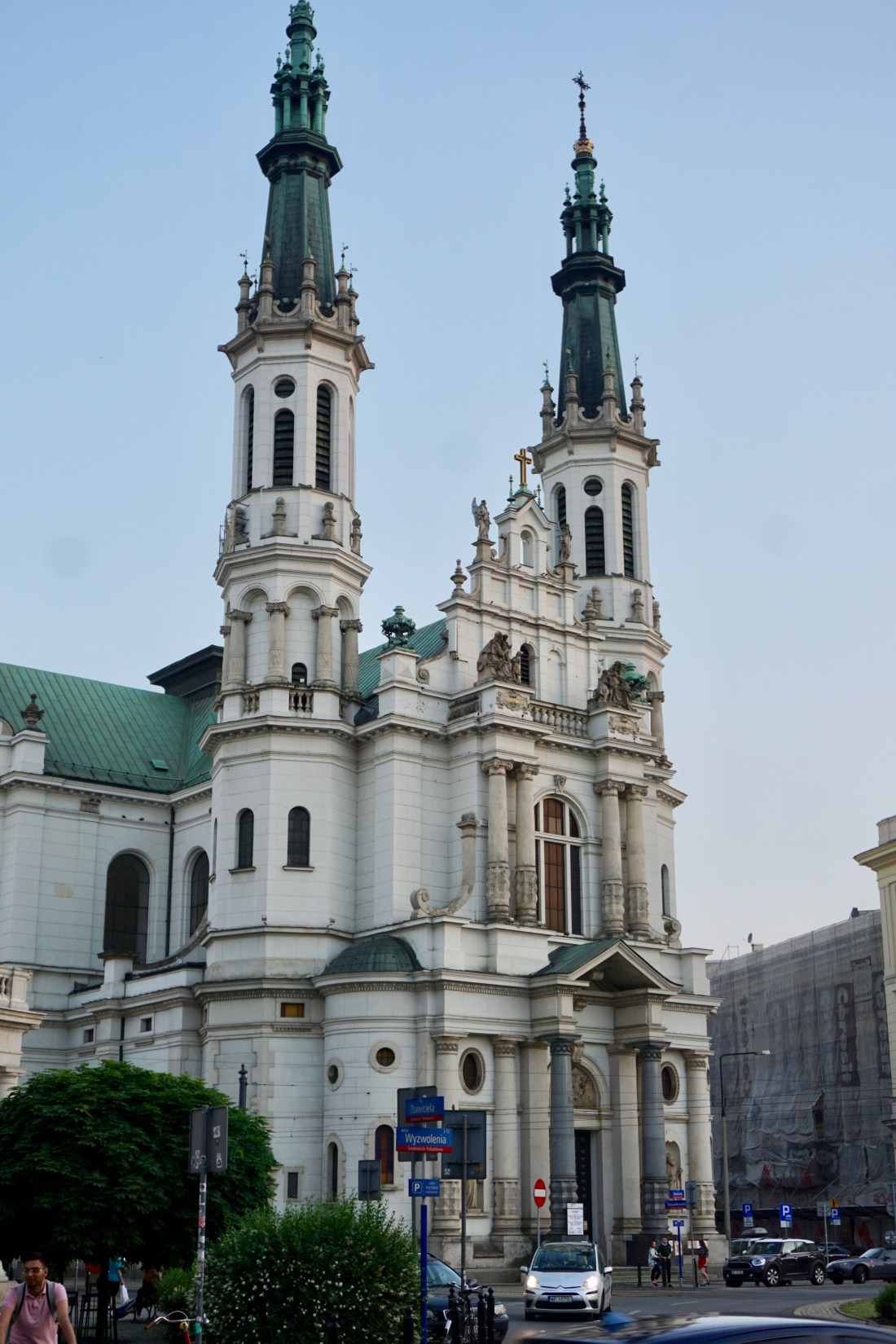
The church right around the corner from where we stayed. Beautiful to pass each day and a great landmark. We had a lovely apartment but so close to a large main road we could not open the windows and no air conditioning! We will put that on our list for amenities that we need next time as we roasted.
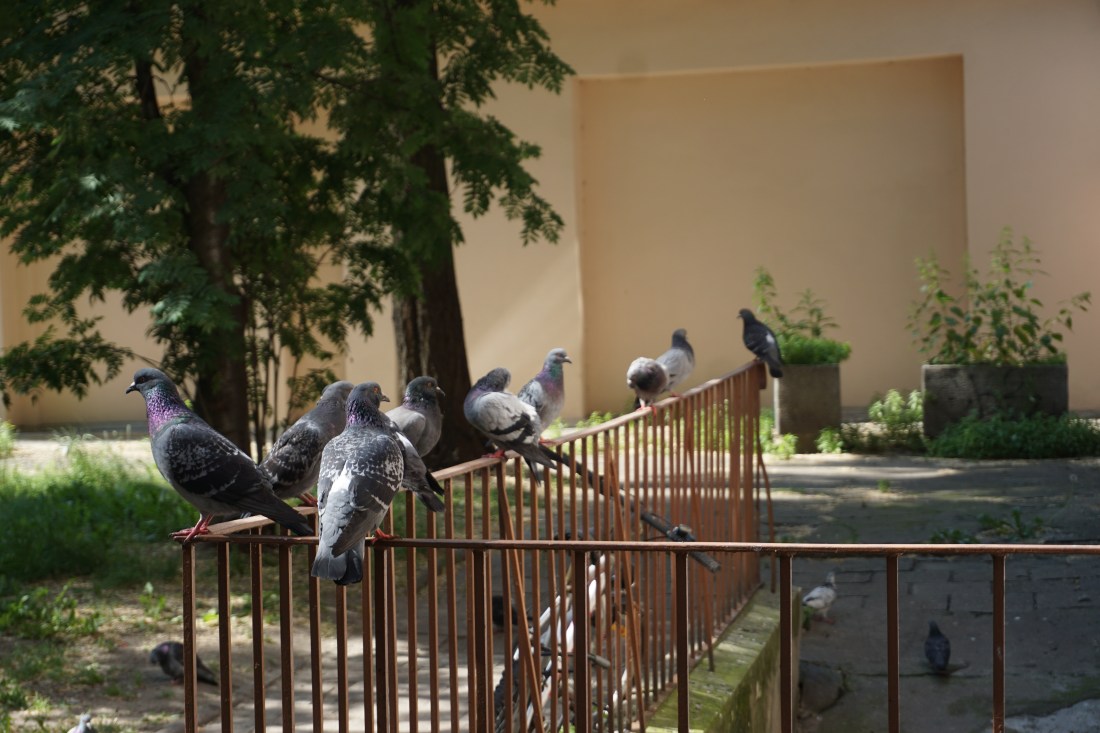
I think someone in the complex must feed these fellows.
Gorgeous park right by our apartment; unfortunately also noisy which was in such contrast to its serene beauty.
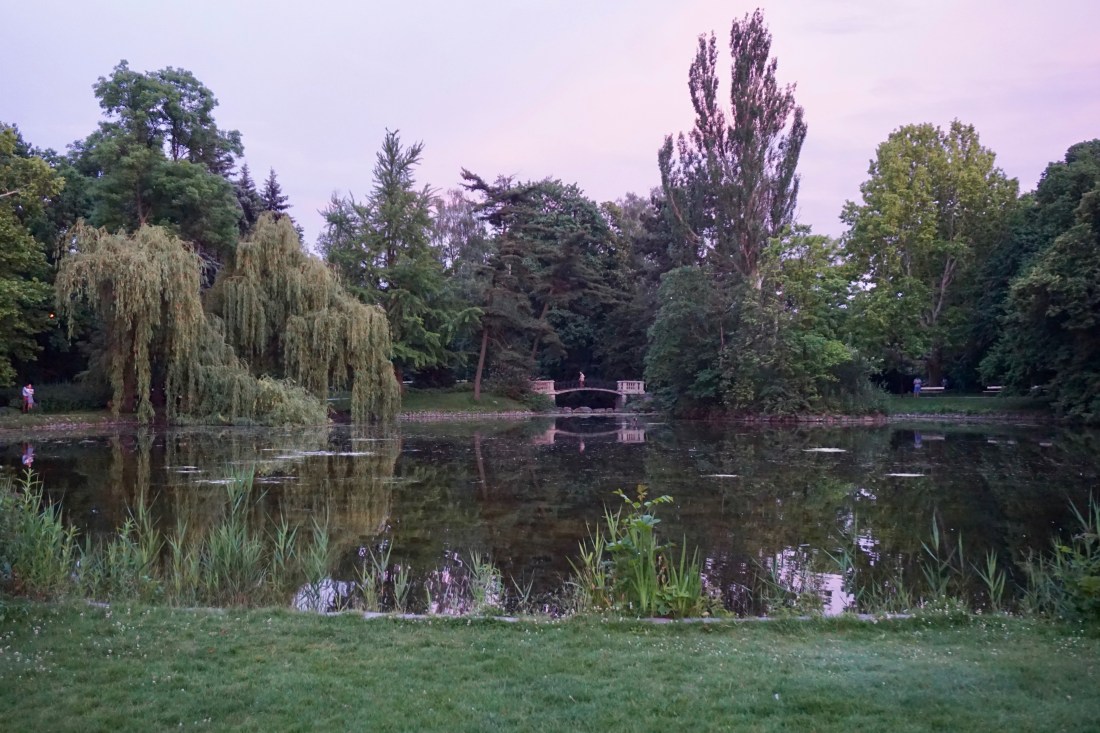
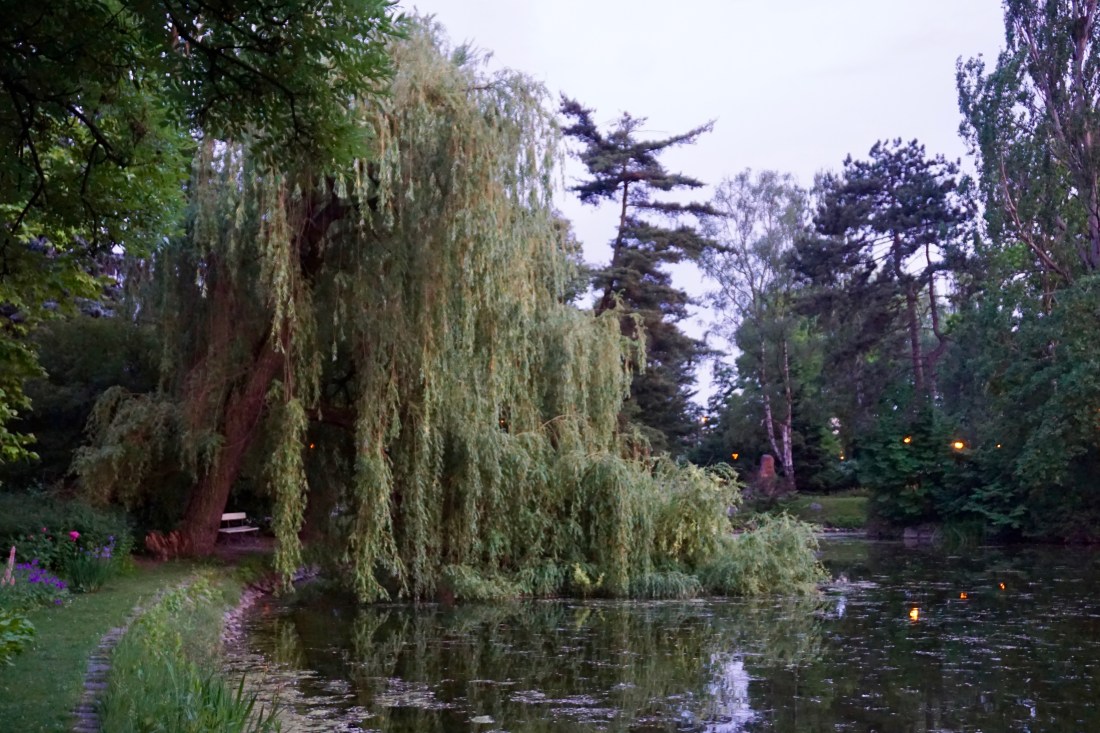
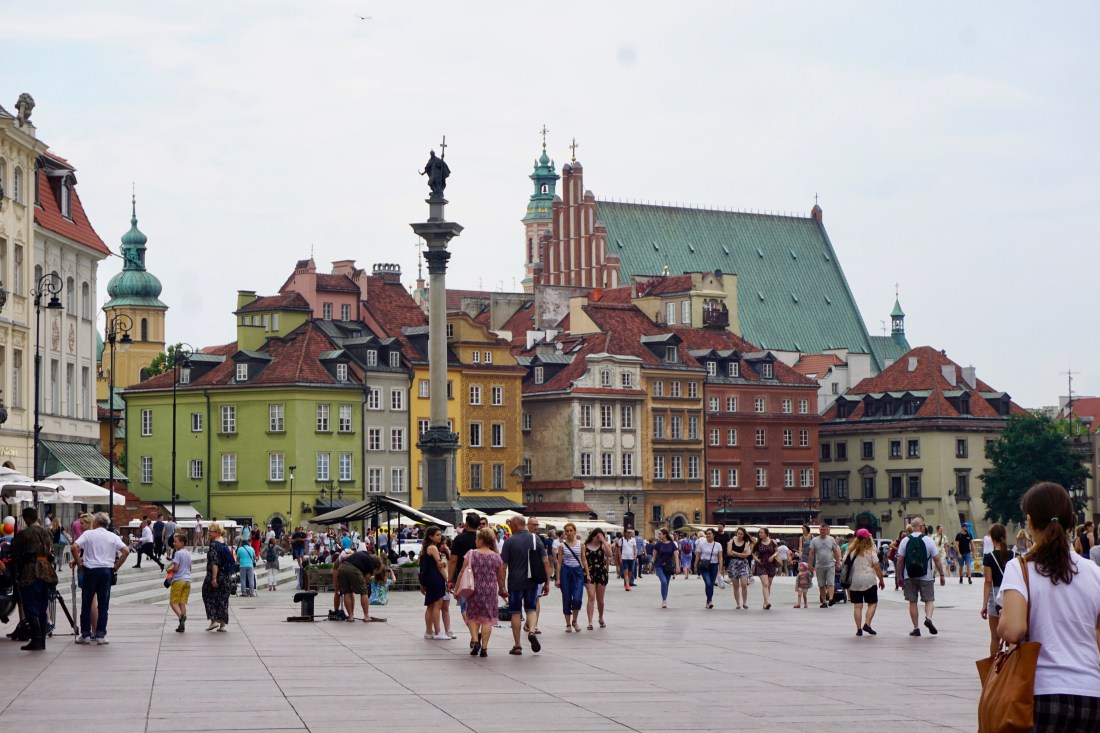
Our first day we ventured downtown on the trolley and had a coffee on the square in the Old Town. Gorgeous.
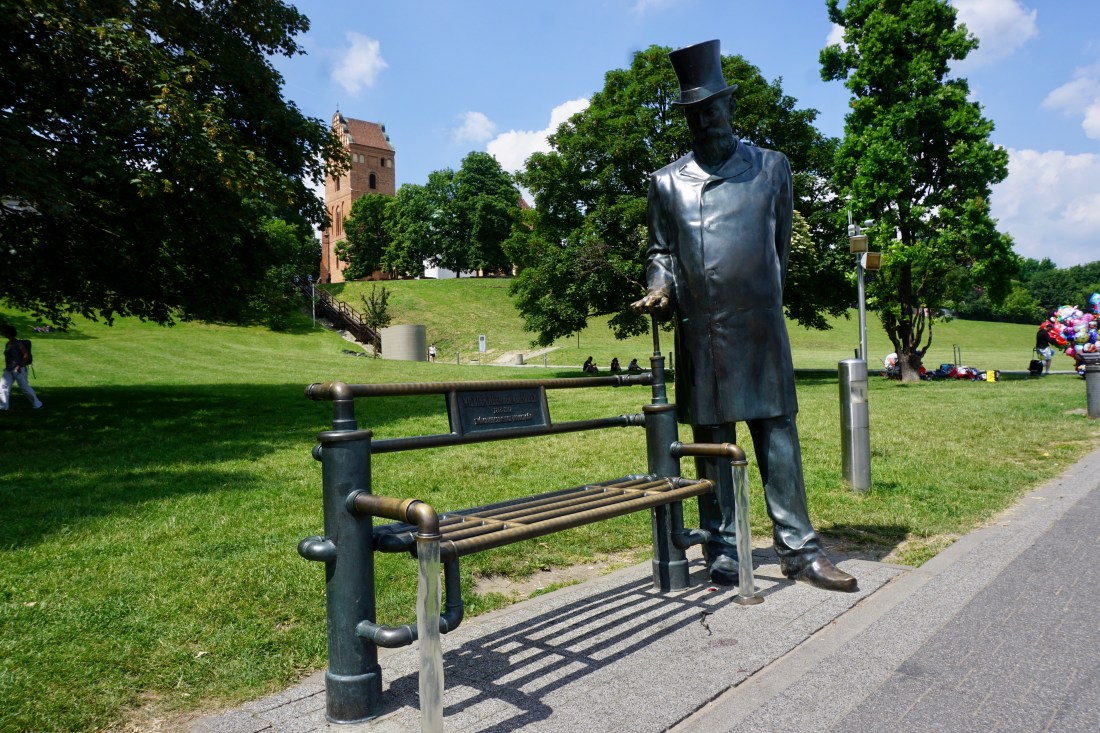
Statue of William Lindley 1853-1917 responsible for water treatment system for the city still in use today. Loved the pipe bench.
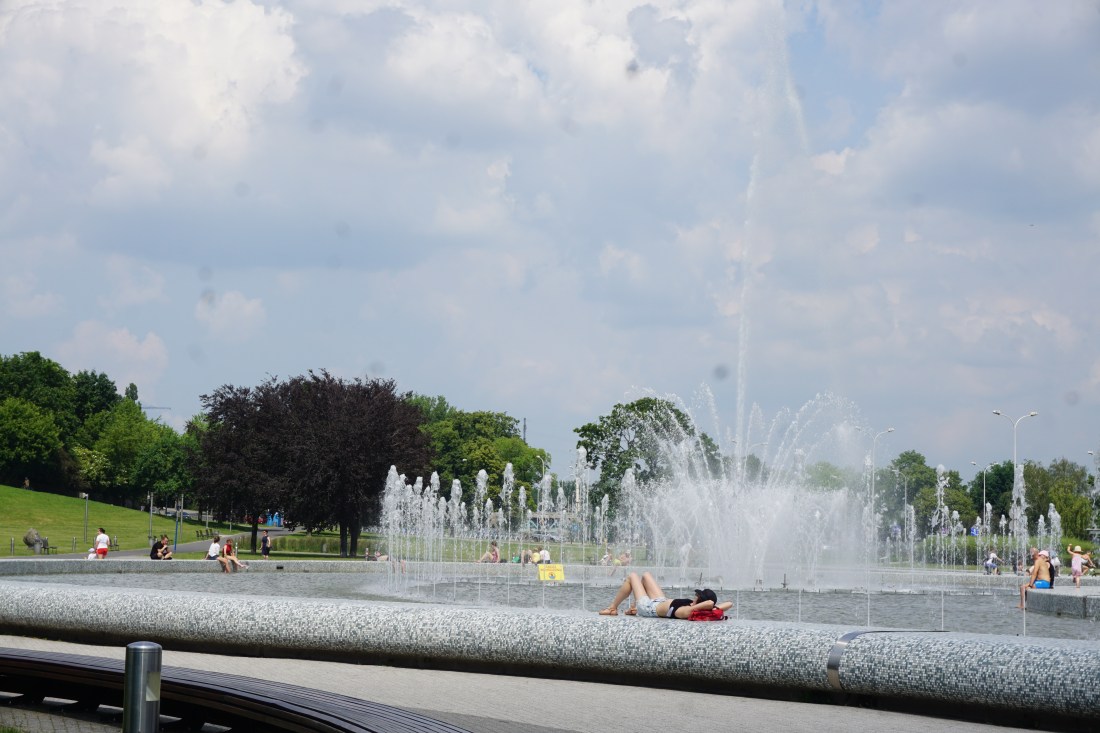
In this city park a water show happens on weekends to music and lights but not until dark. Unfortunately we faded before the dark arrived.
I did a guided bike trip around the city with Krzysztof, while John visited the Museum of the Warsaw Uprising.
Here we are at the university.
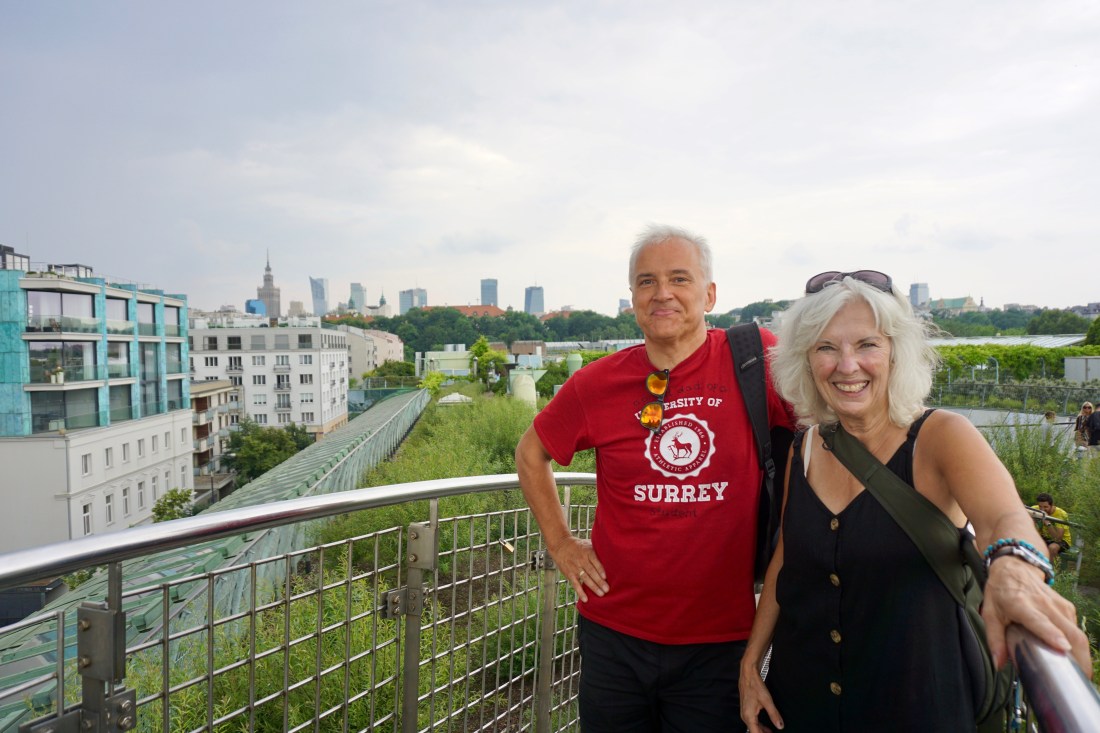
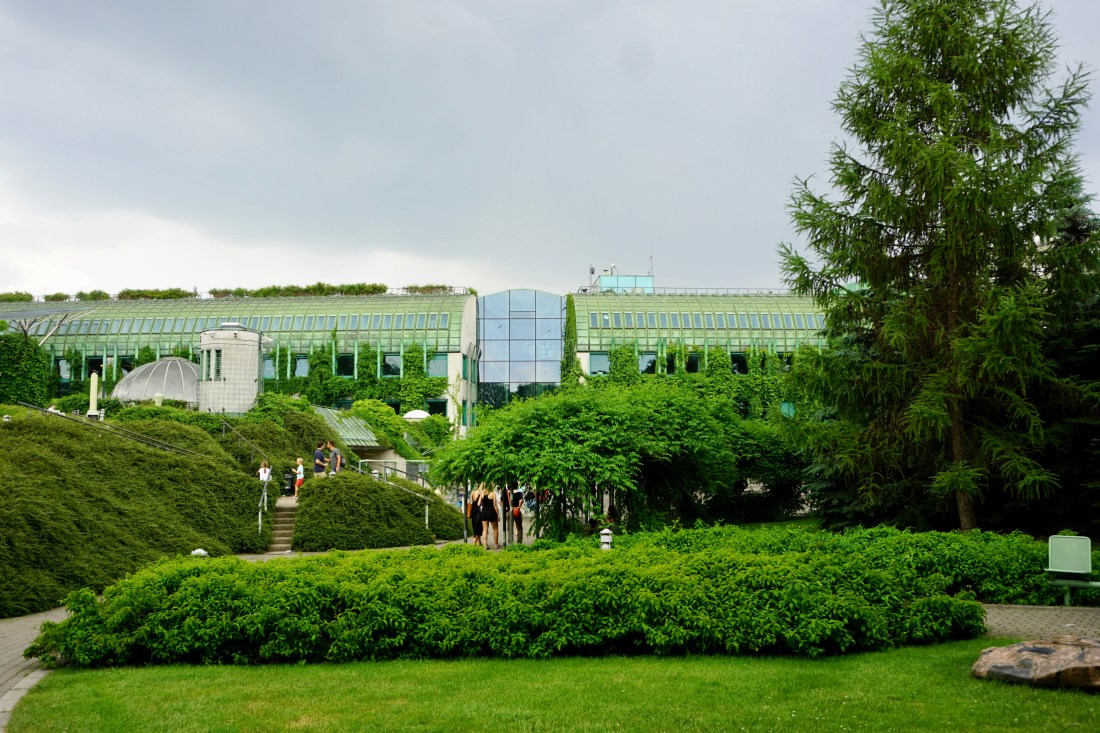
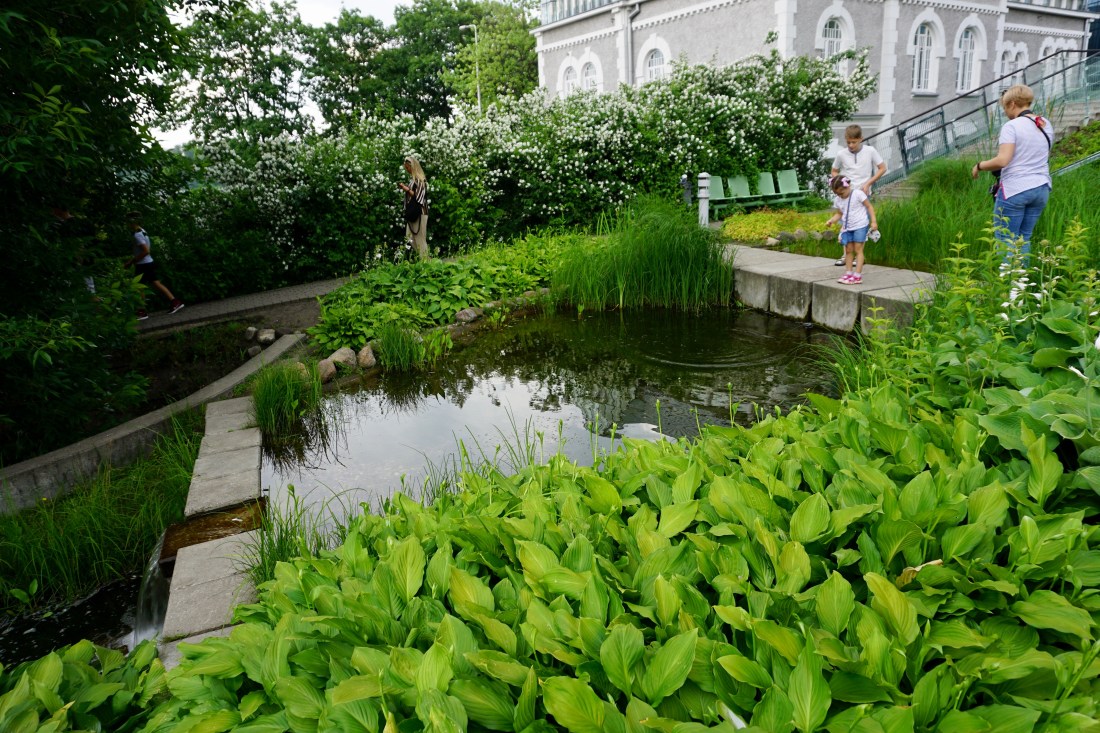
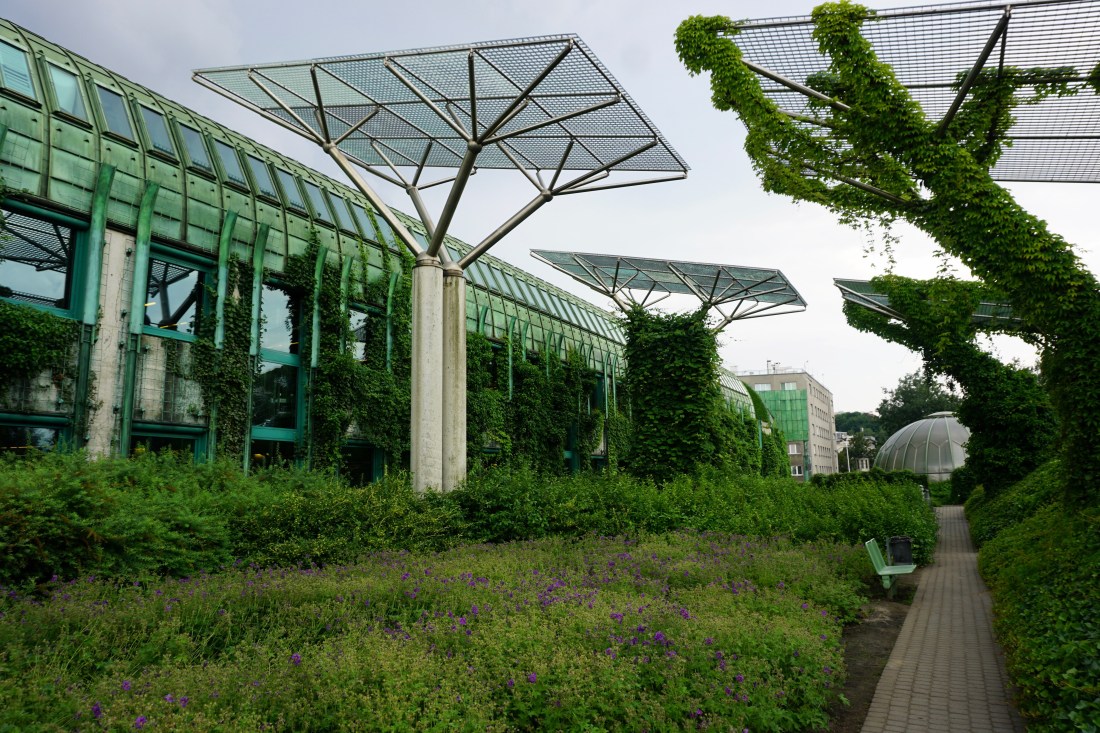
The library was very impressive.
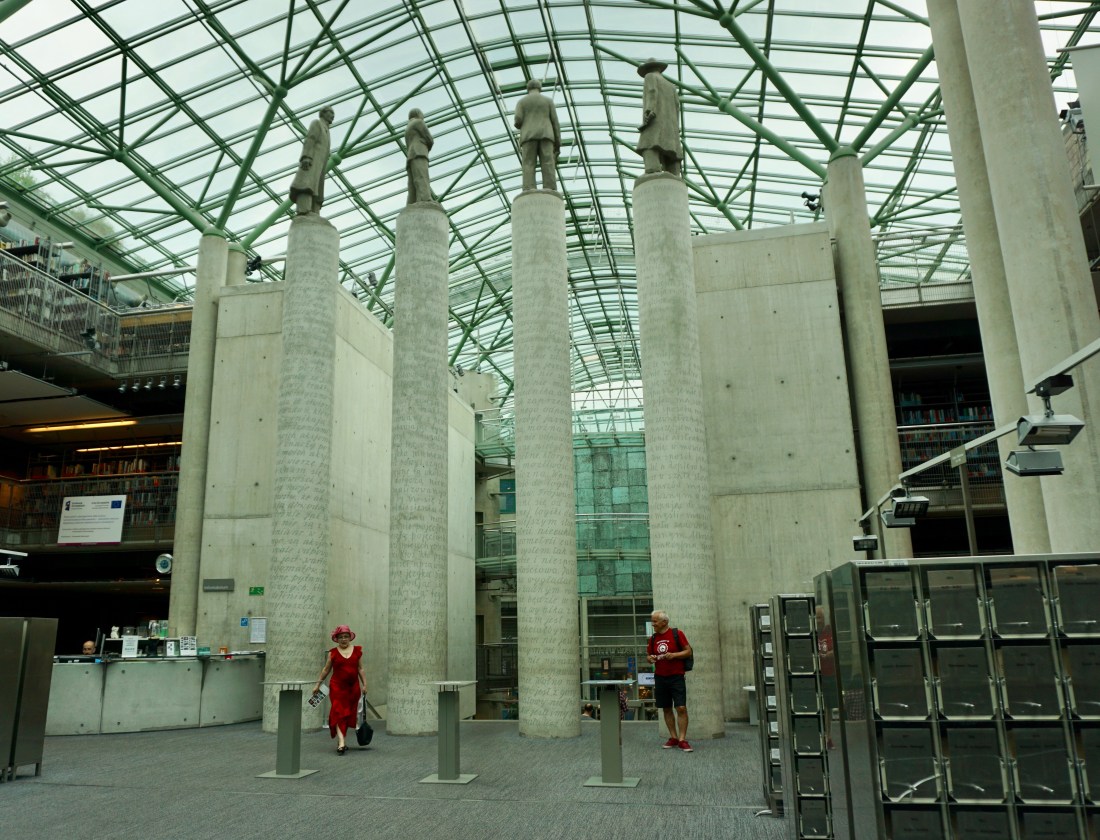
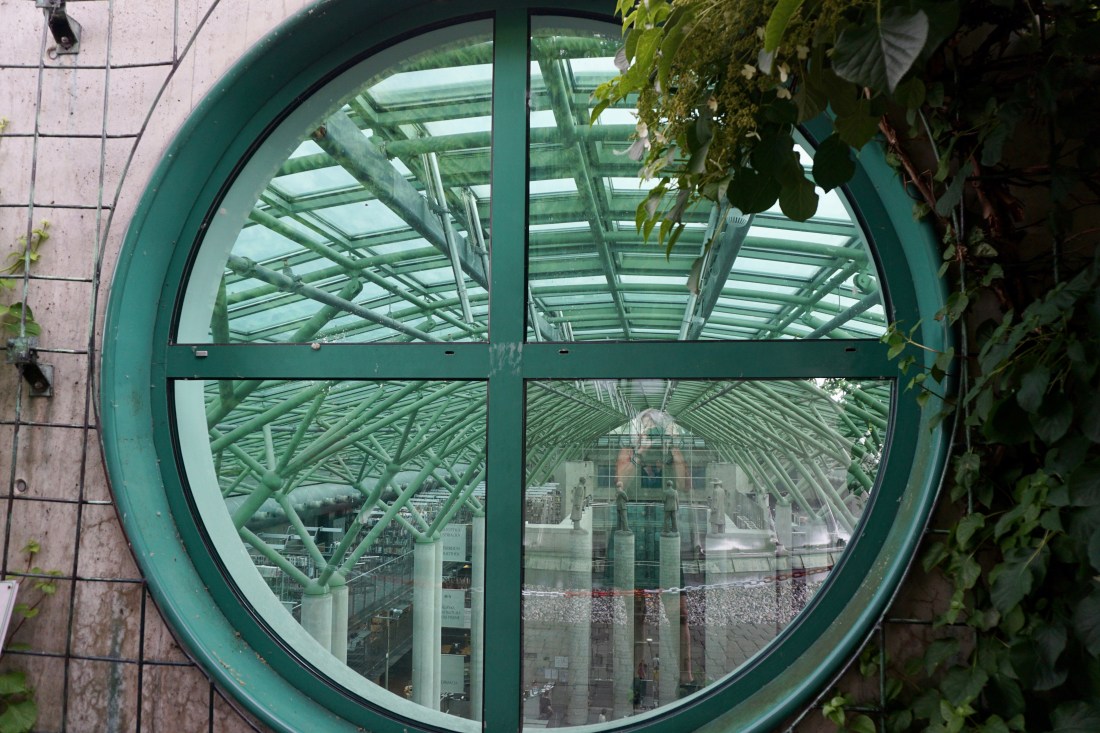
Looking down into the library from the gardens above.
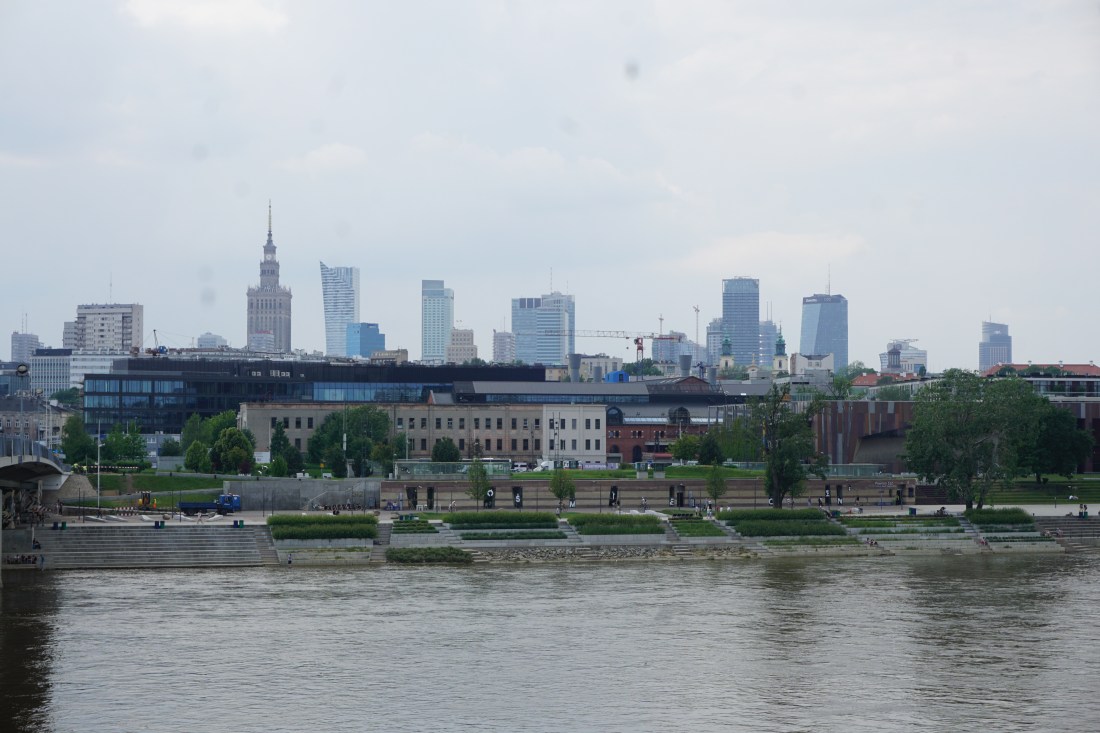
Looking towards the Vistula River we rode along the Promenade to the
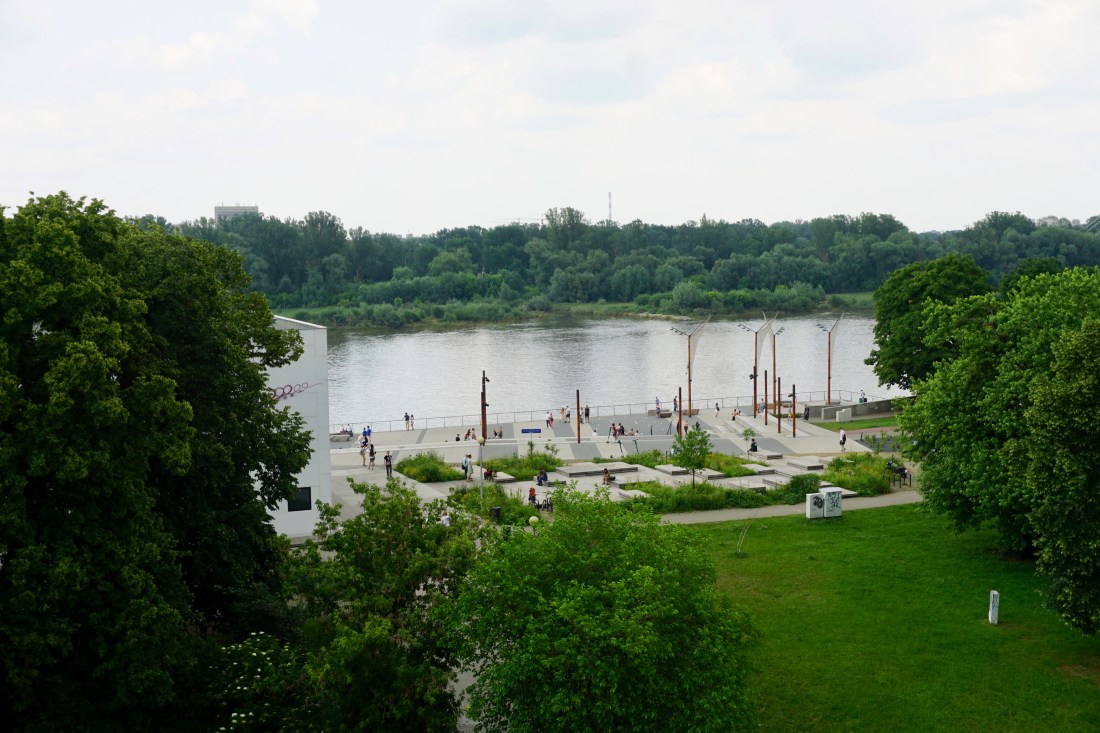
bridge that we rode over
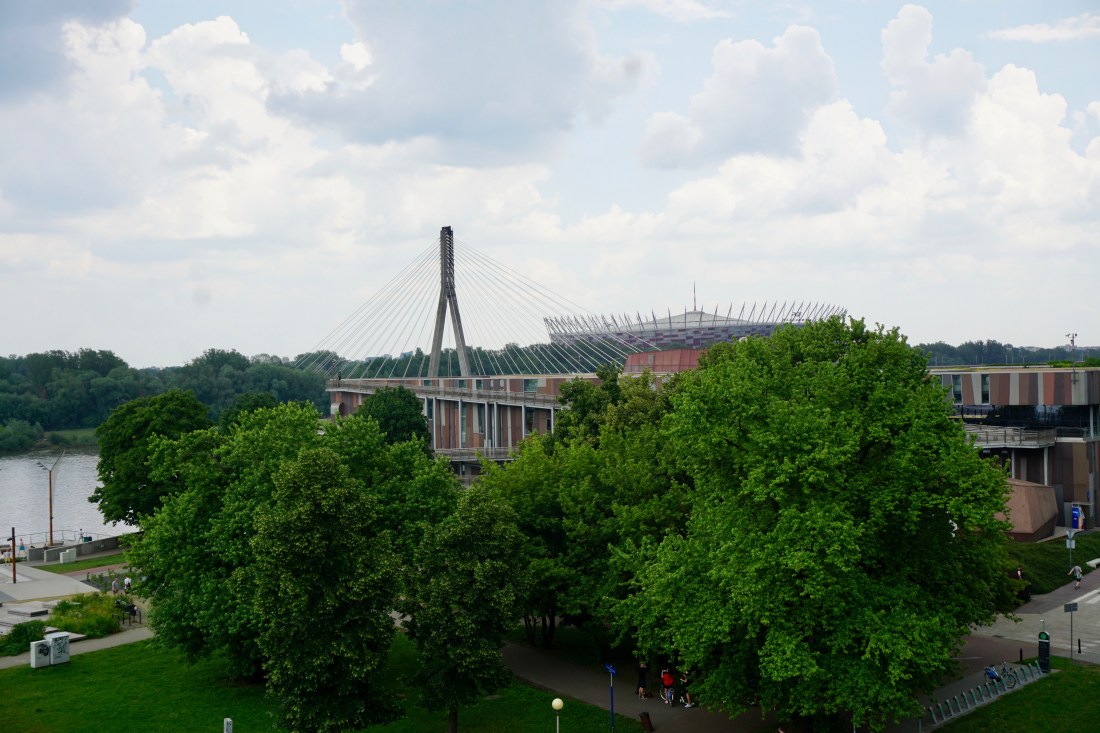
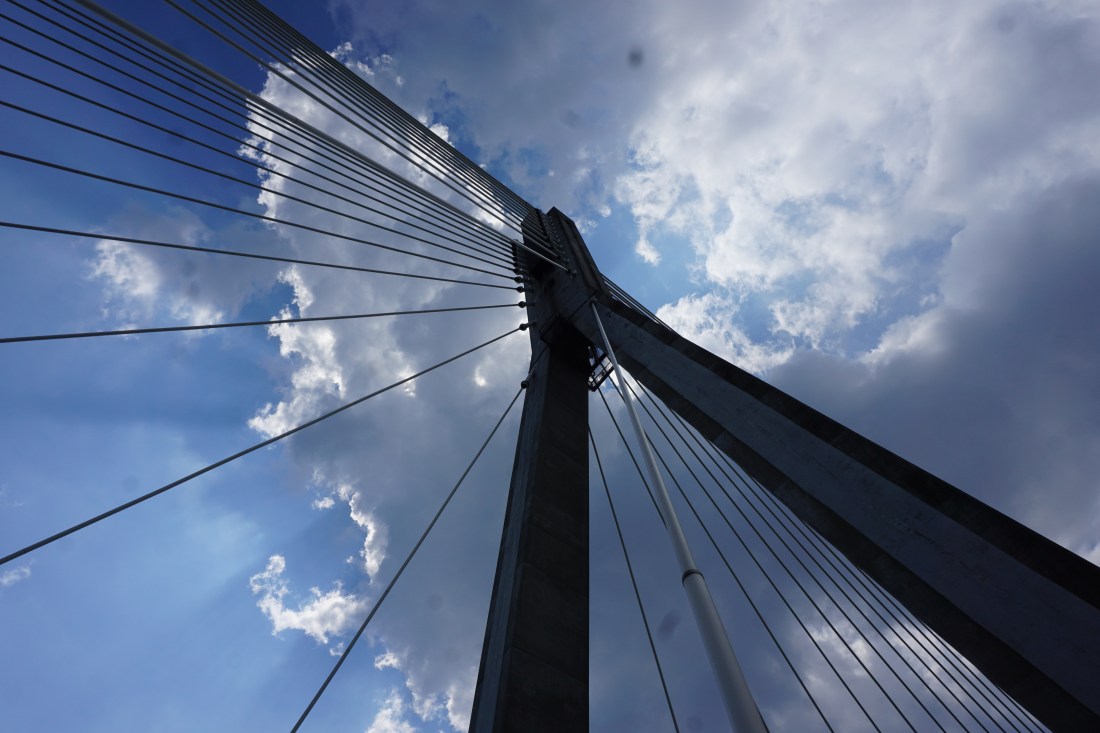
to get a great view looking back at the city.
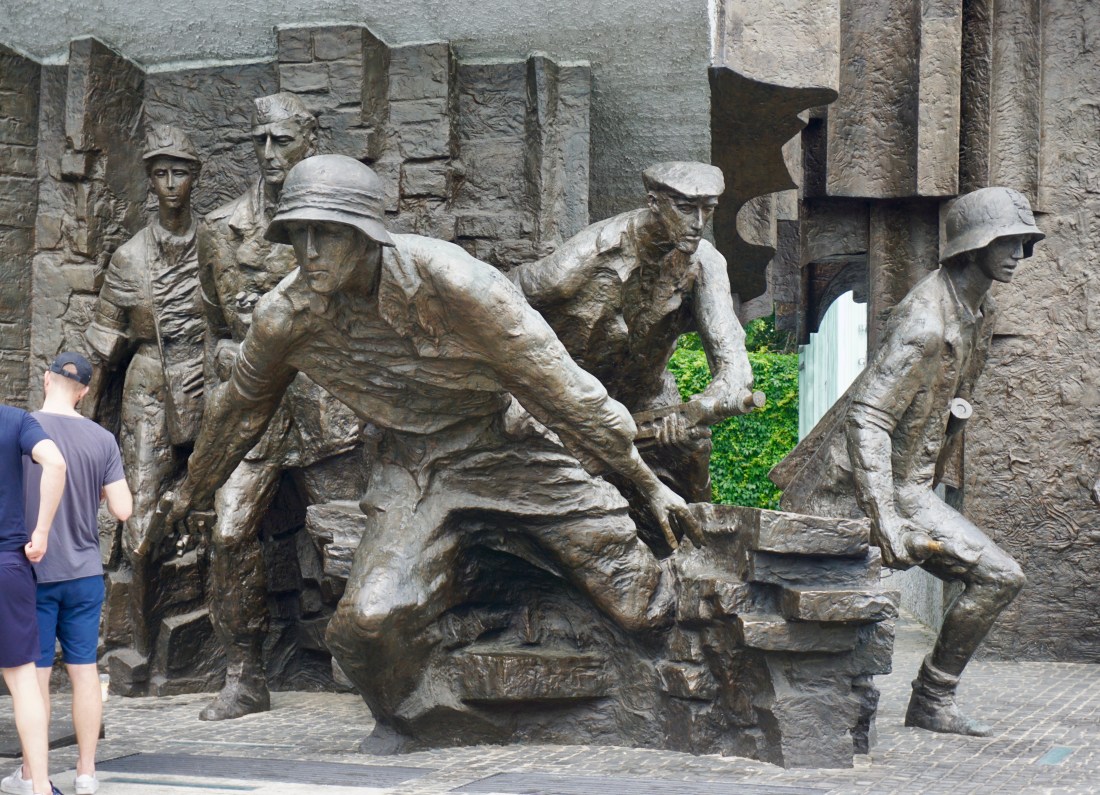
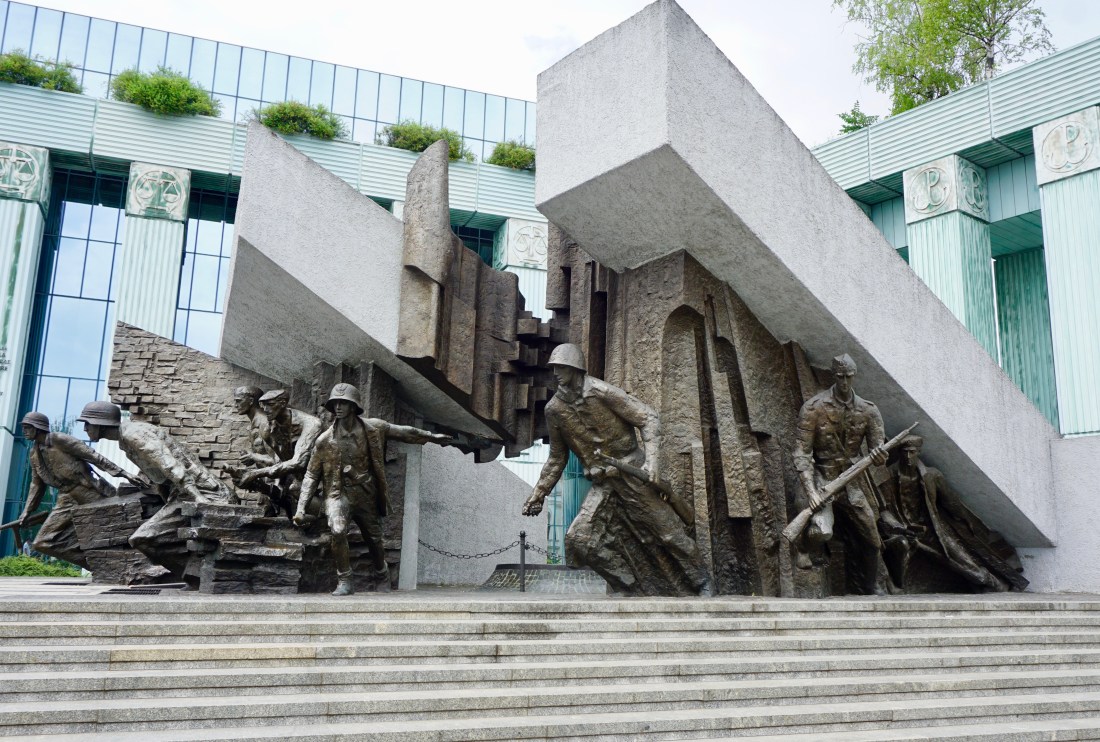
Monument to the Polish Resistance. John visited the museum which also commemorates the details of the fight against the Nazi occupiers. .
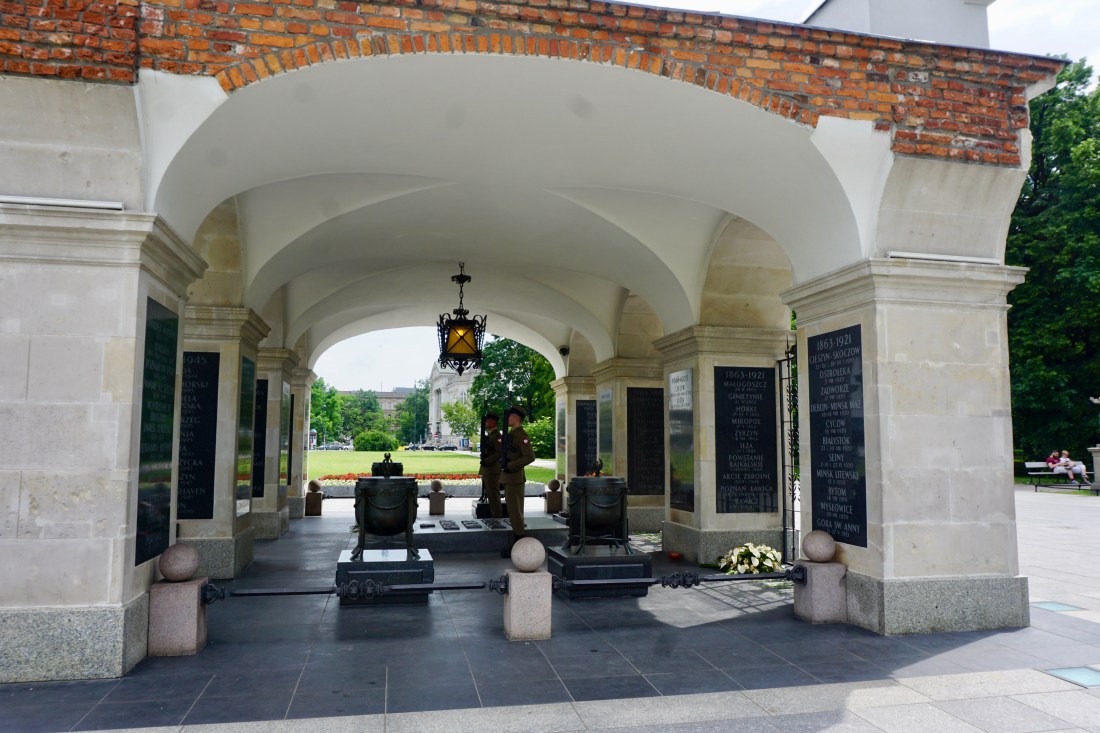
Tomb of the Unknown Soldier.
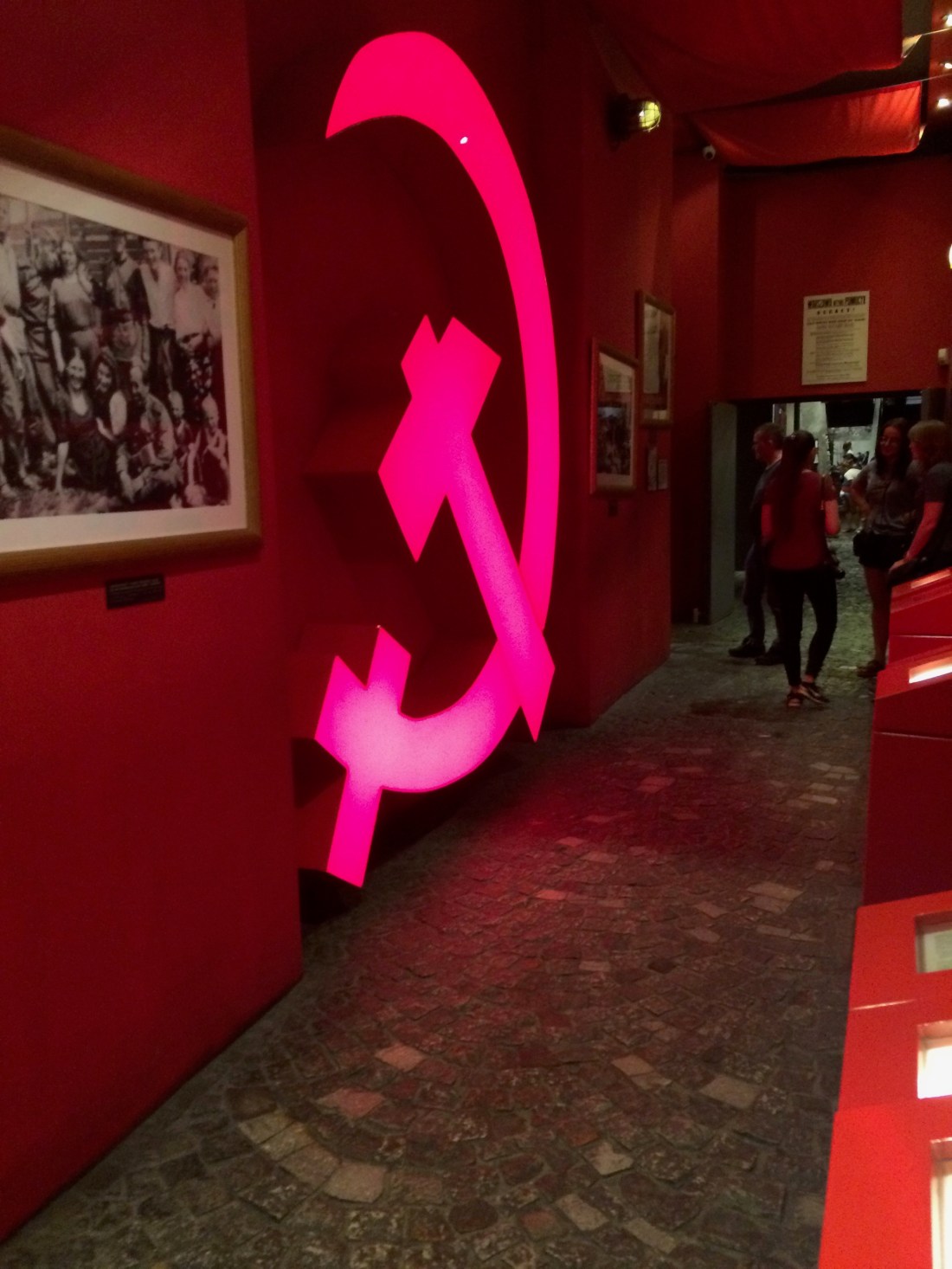
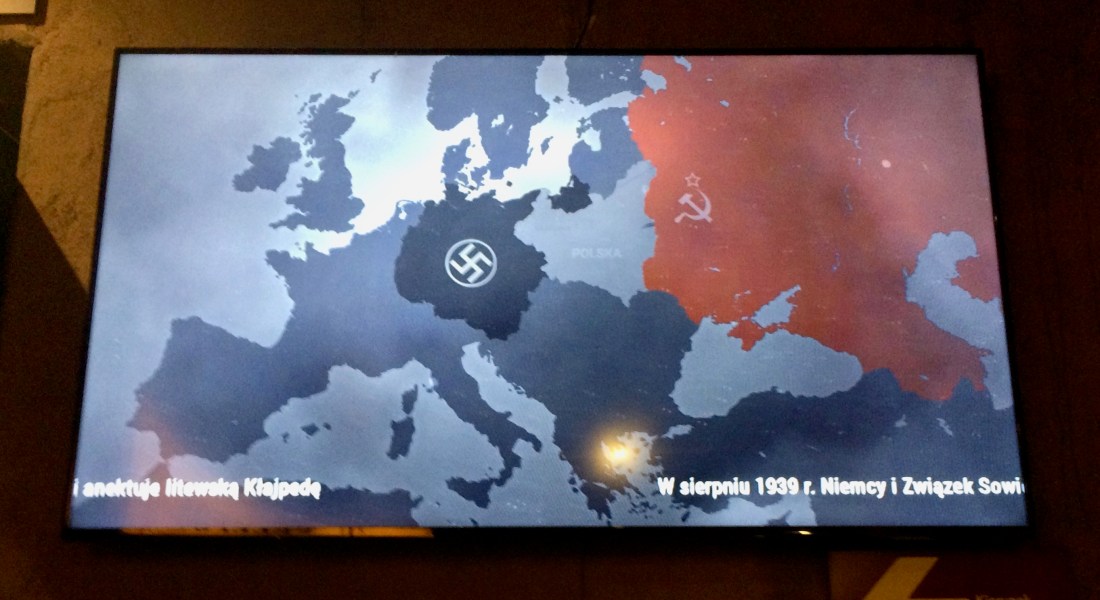
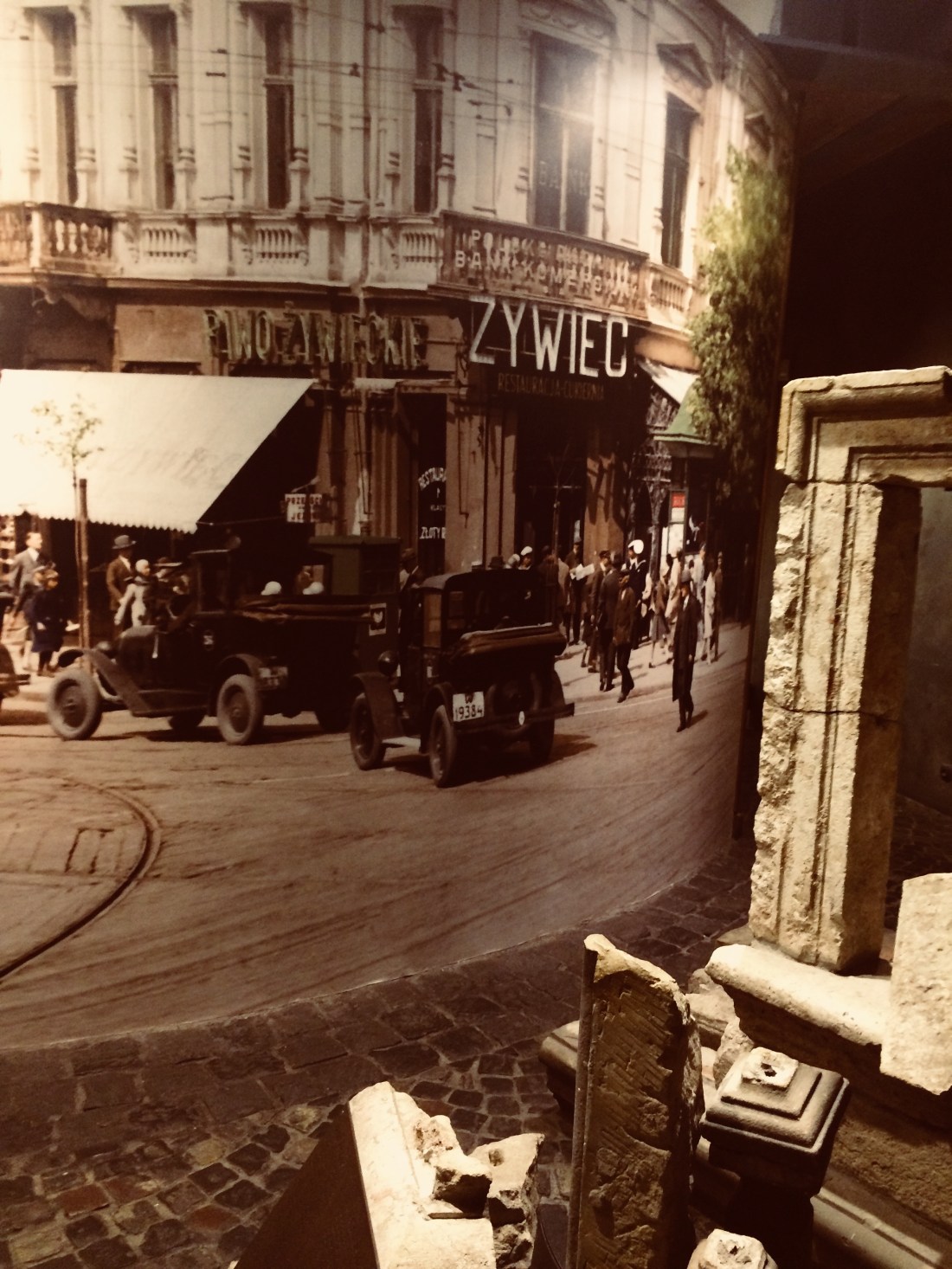
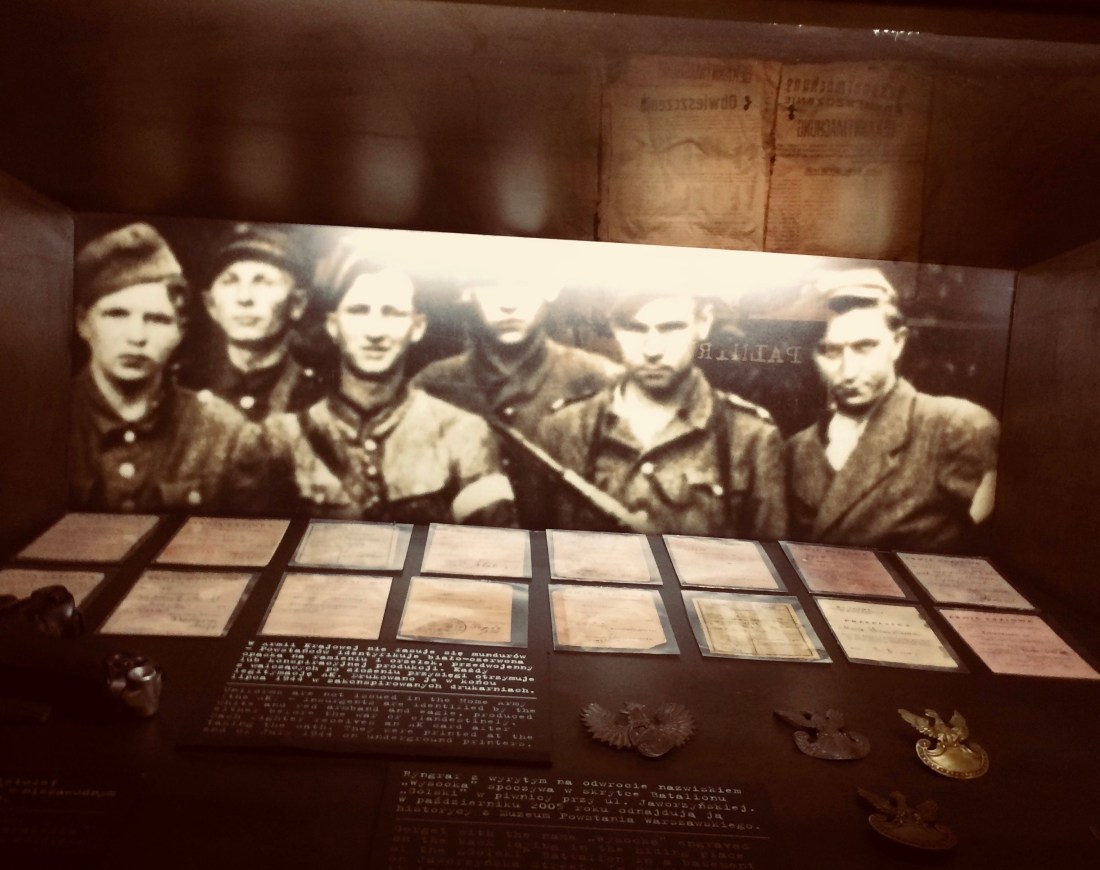
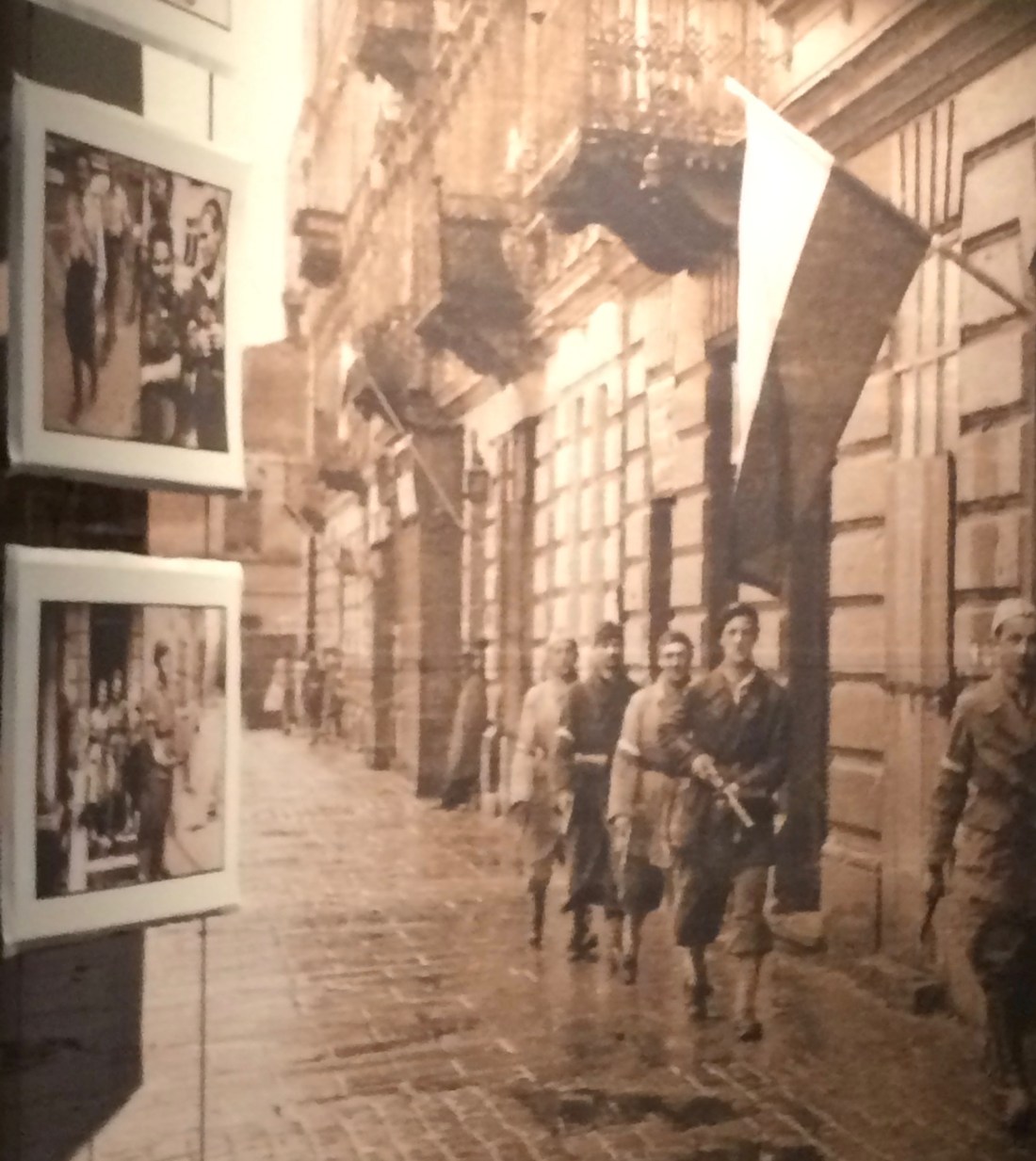
The Museum of the Polish Resistance covered the occupation and the struggles against it by the Polish Resistance, the Home Army, and the inhabitants of the Warsaw Ghetto. After the Jewish uprising in the Ghetto was crushed, and the area destroyed, the Polish underground rose up and fought for months until it too was crushed by the German army. By the time the Red army arrived in January 1945, 85% of the city had been destroyed by the Nazis. The exhibit covered the events of the uprising, which saw fierce fighting in the city while the Russian forces assembled across the Vistula and refused to intervene – a subject of huge controversy to this day.
 BeverleyandJohn's2018Travels