Back in Cape Town we stayed at the same unit as previously, 8 floors above the beach lovingly watching and listening to the surf for 3 more days. During that time we visited Langa Township in Cape Town and Robben Island.
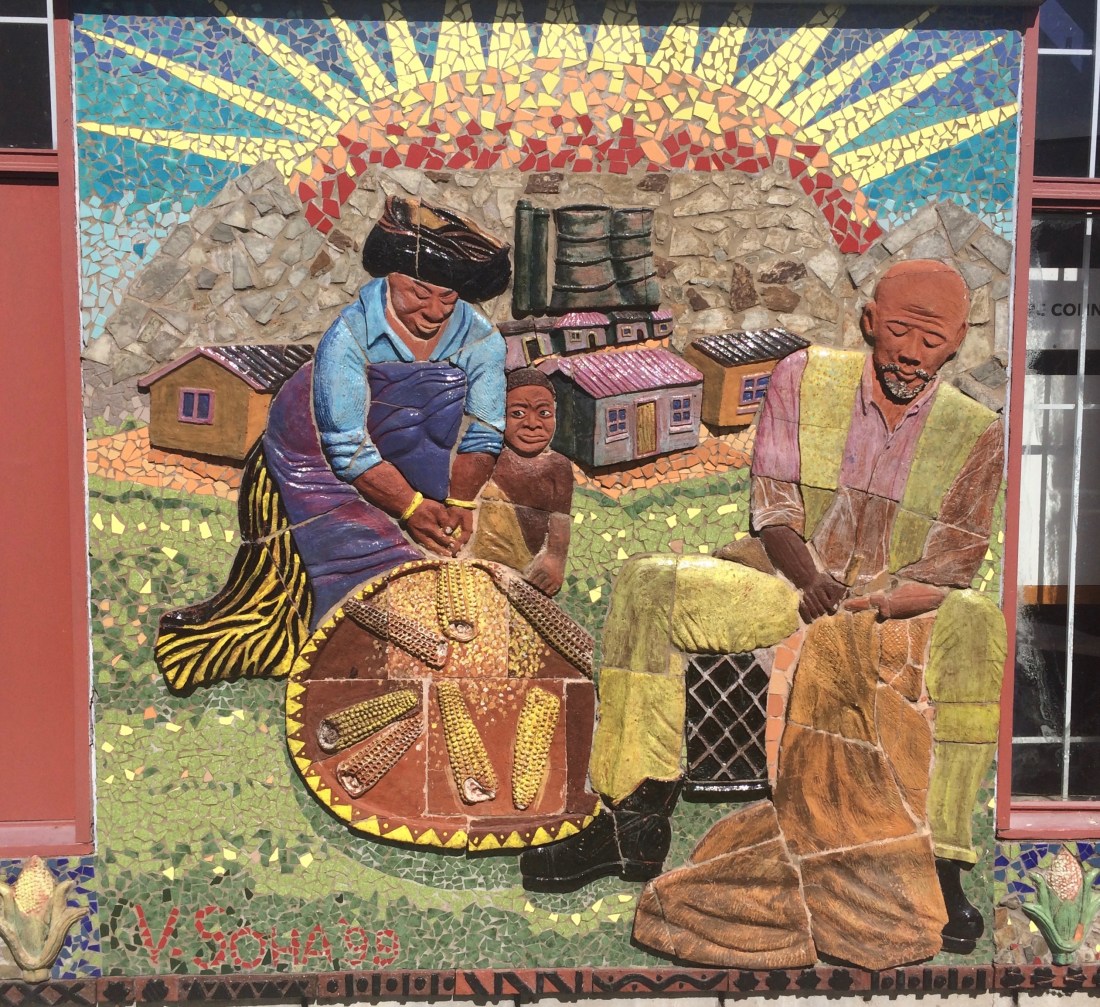
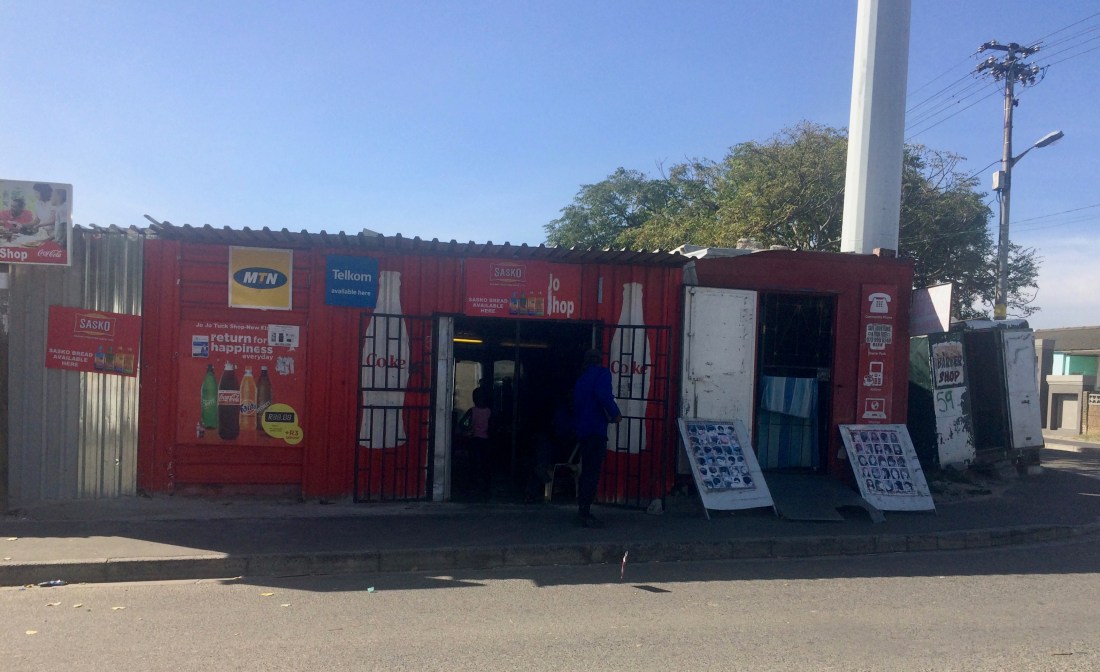
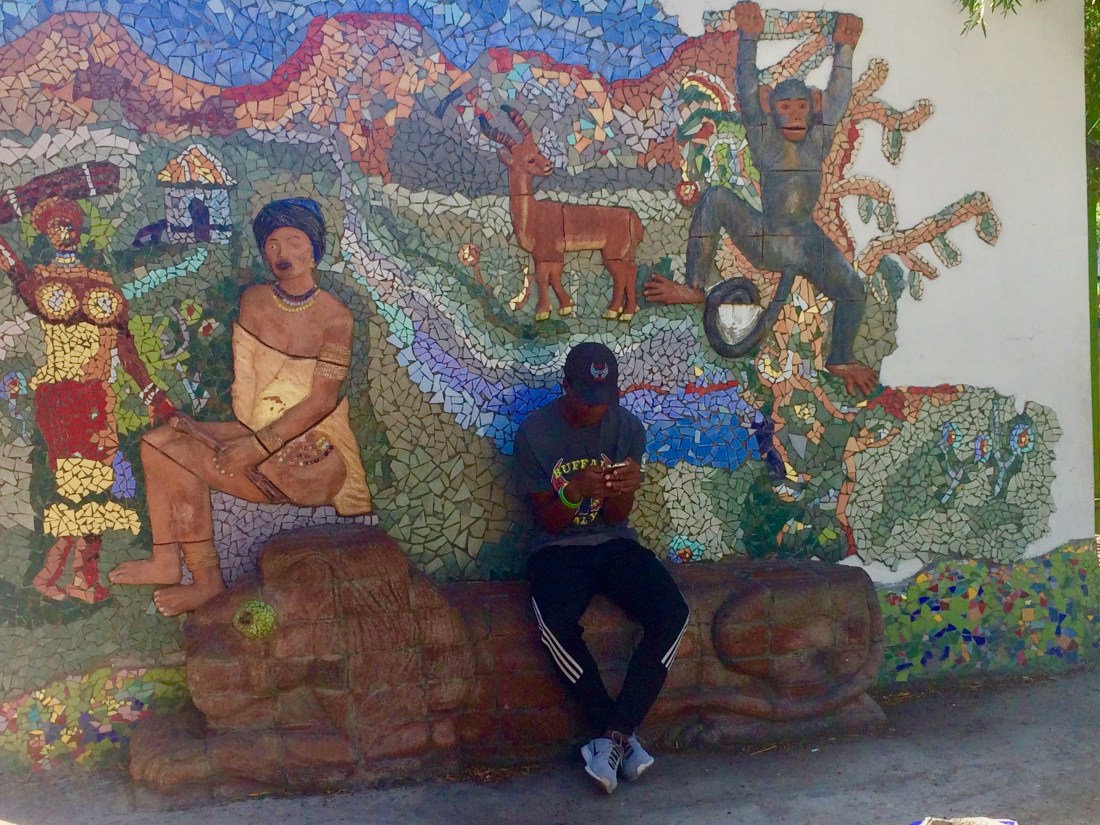
Langa Township is the oldest township in the city and was developed in the 1920’s as a place for black male workers from the Eastern Cape. It was part of the pre-Apartheid system of race and family separation instituted by the British. Langa evolved into a township which later included women and families. After 1948 when Apartheid was made official, it grew rapidly. Since 1991 and the end of Apartheid, it has continued to grow. Our tour guide, Namhla, showed us some of the original barracks built for single men, as well as shipping containers, which are used as homes for people who are waiting for proper housing, apartments, and detached houses.
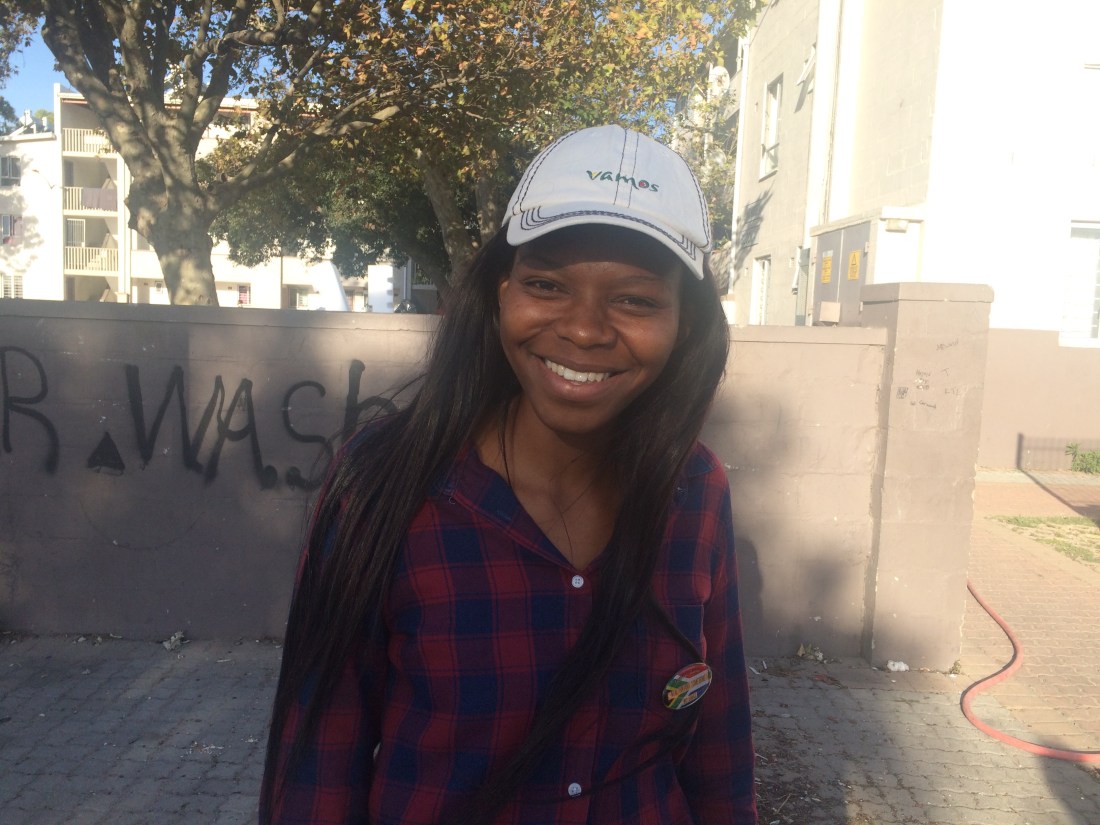
Namhla, who is Xhosa with roots in the Eastern Cape, was very proud of her township, very knowledgeable about its history, and hopeful that the future will bring more change and improvement.
Local Store.
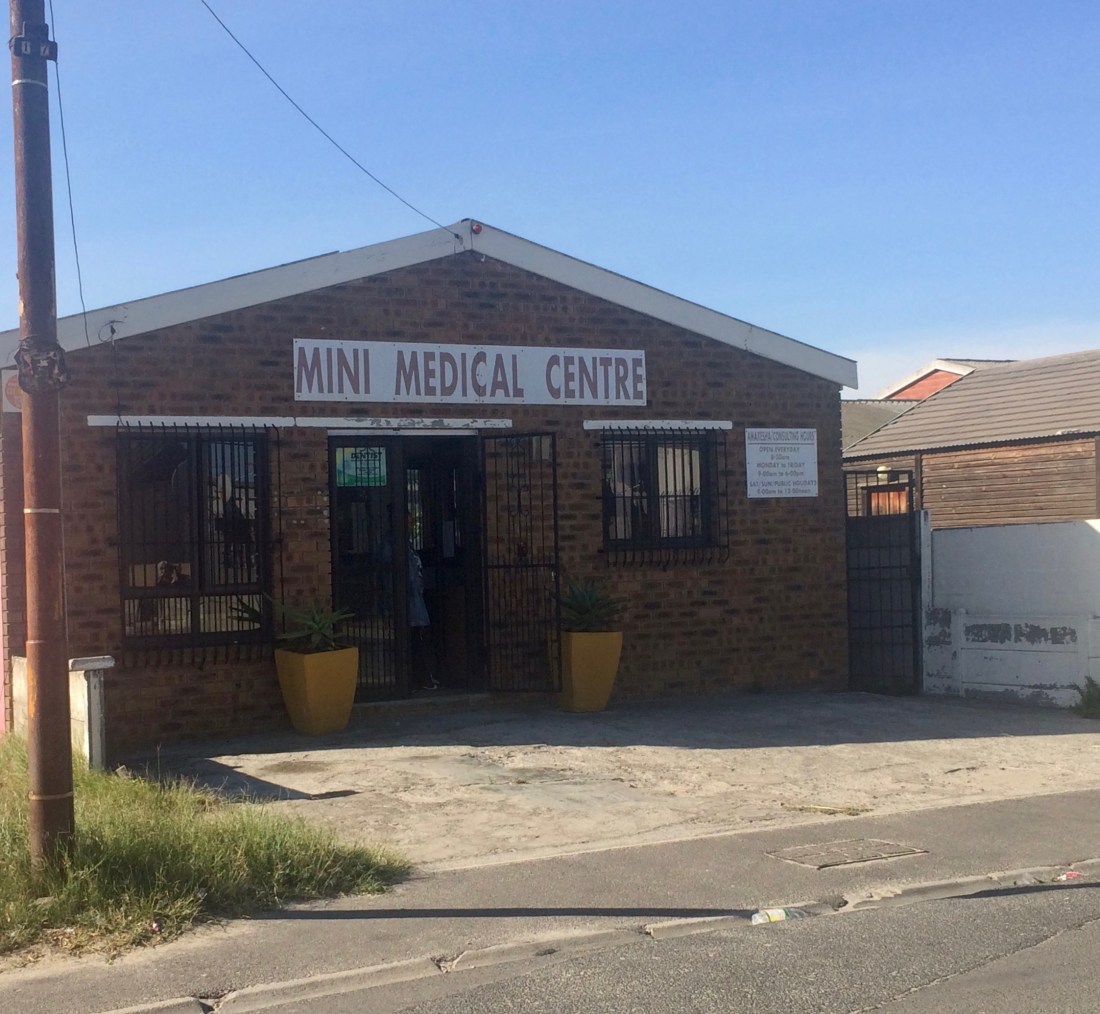
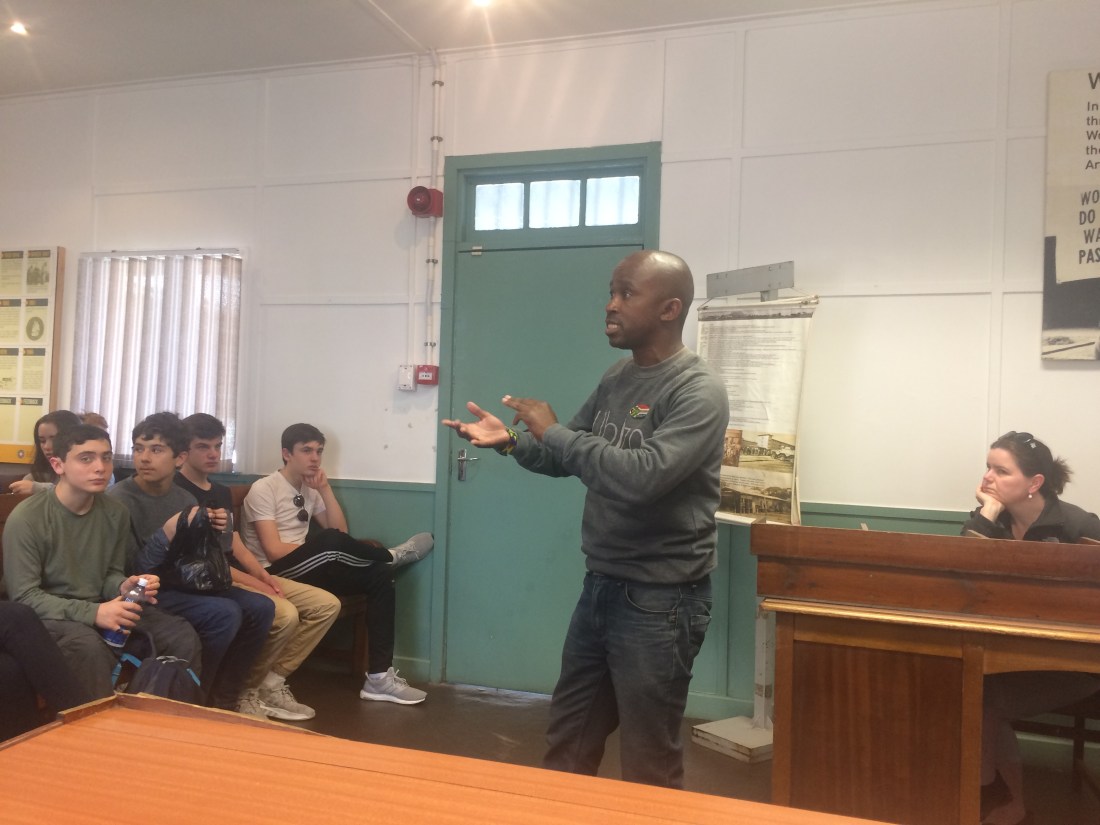
We sat through a presentation for students on the history of the settlement. The speaker was very dynamic as he explained how the history of Langa and the history of Apartheid South Africa were intertwined.
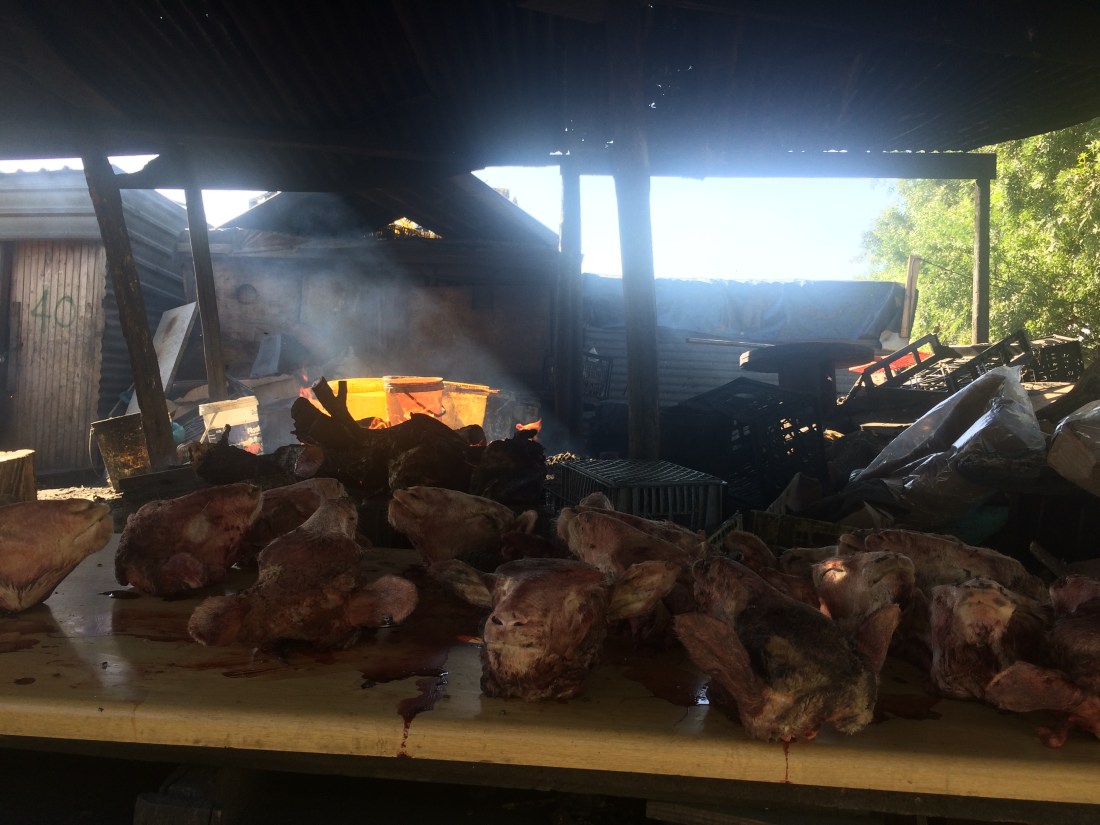
Cooking sheeps heads for food.
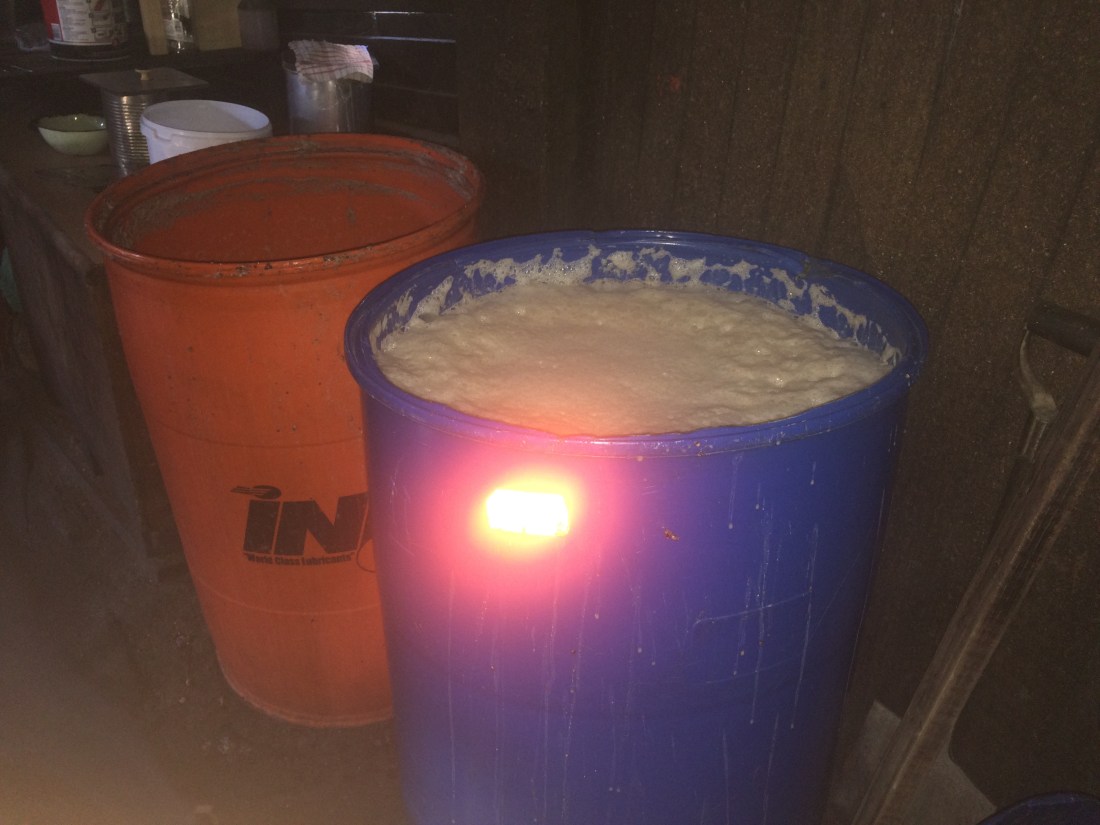
Local beer.
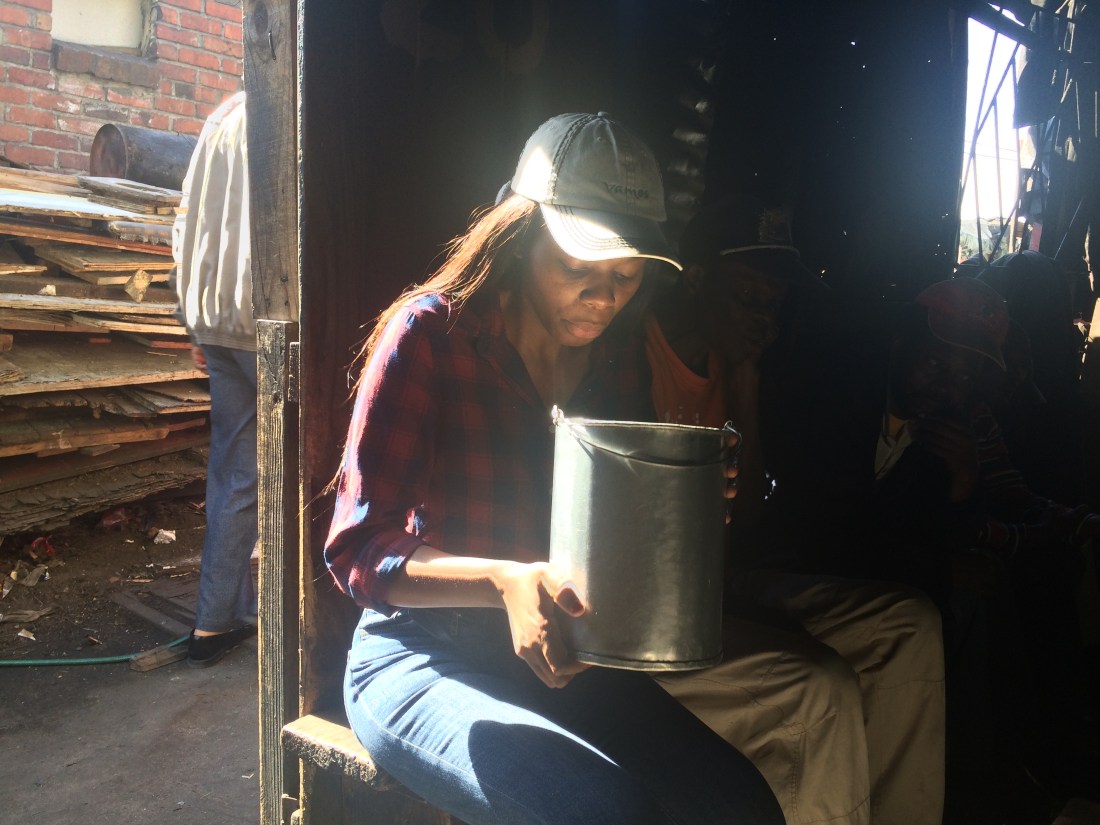
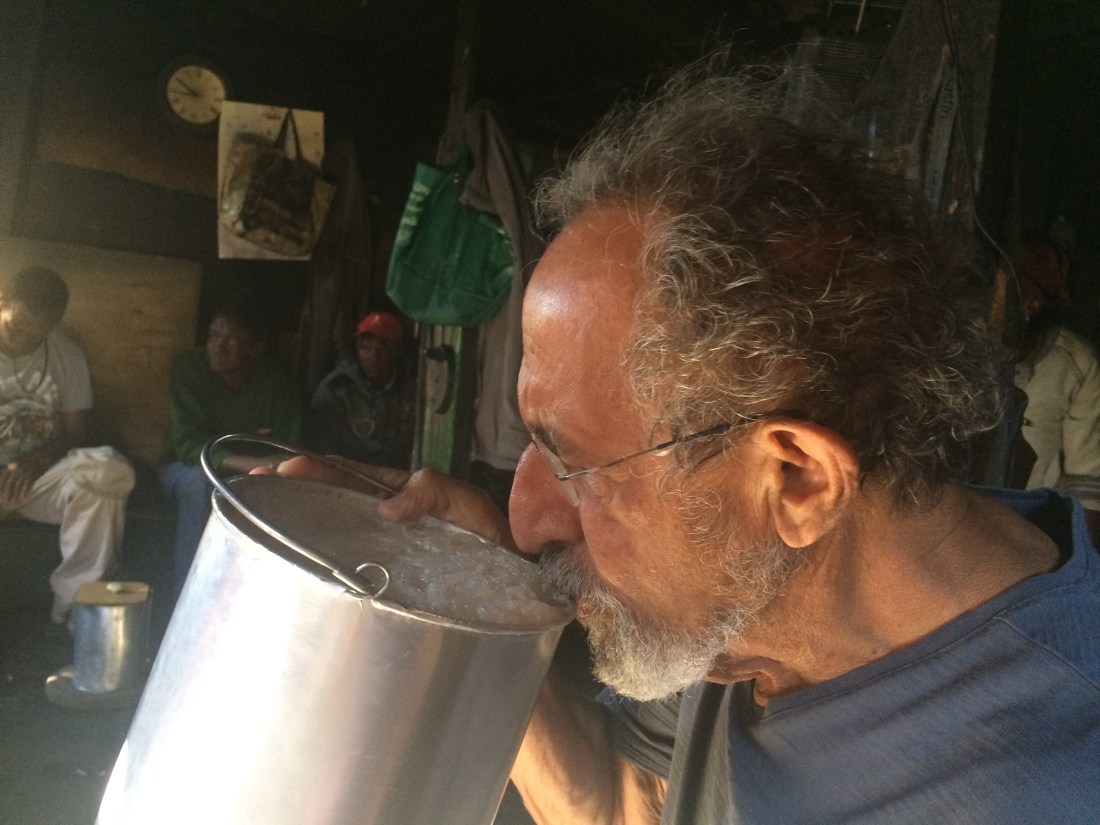
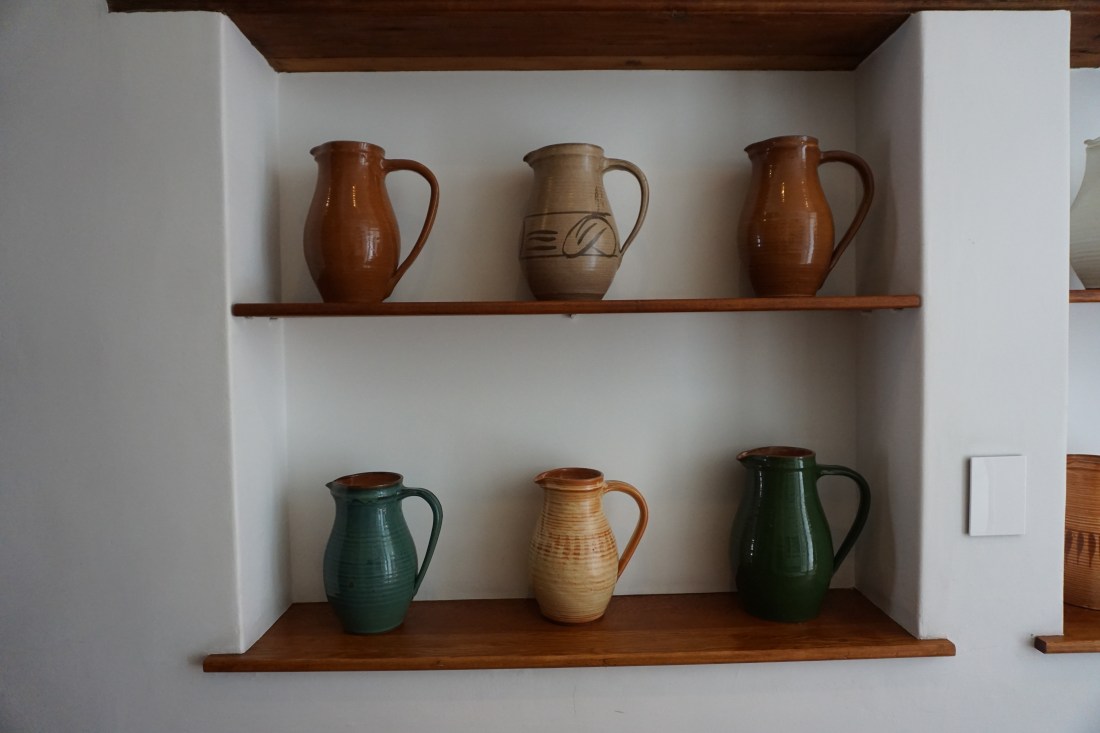
The sharing jug.
The following day we visited Robben Island, which is now a museum. Nelson Mandela and many others were jailed there for years.
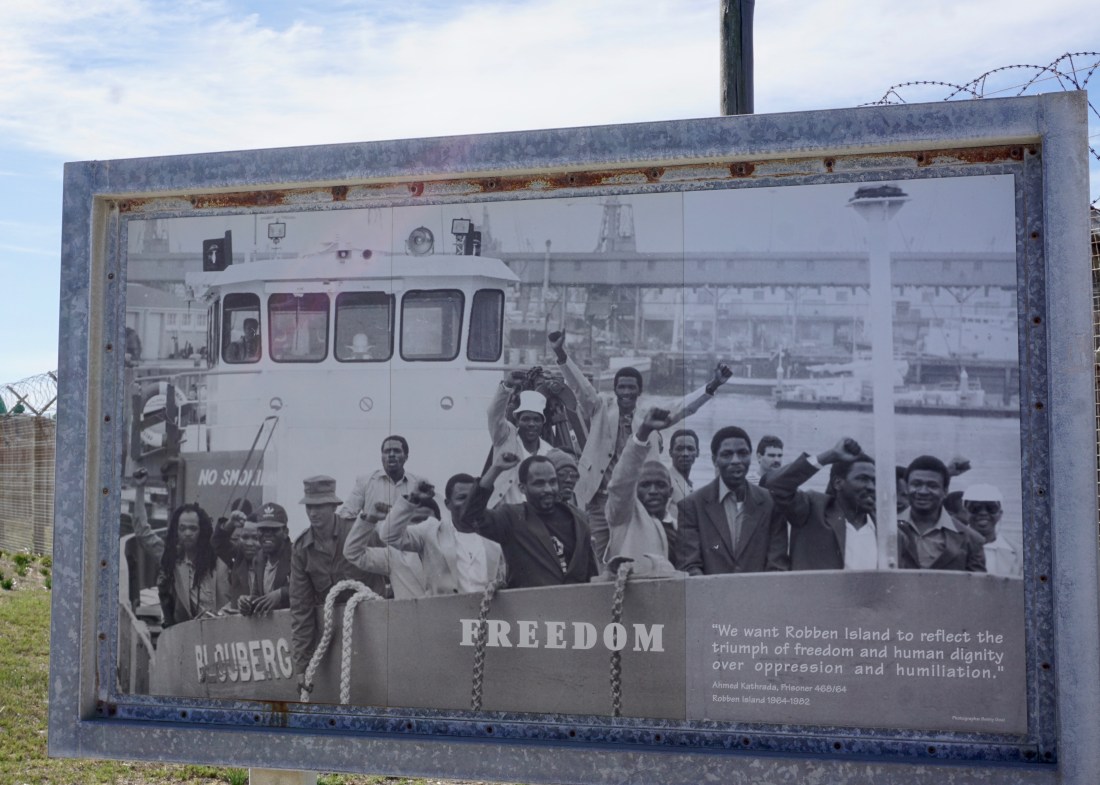
The island includes the maximum security prison in which Nelson Mandela spent 27 years, before liberation and the fall of Apartheid in 1991.
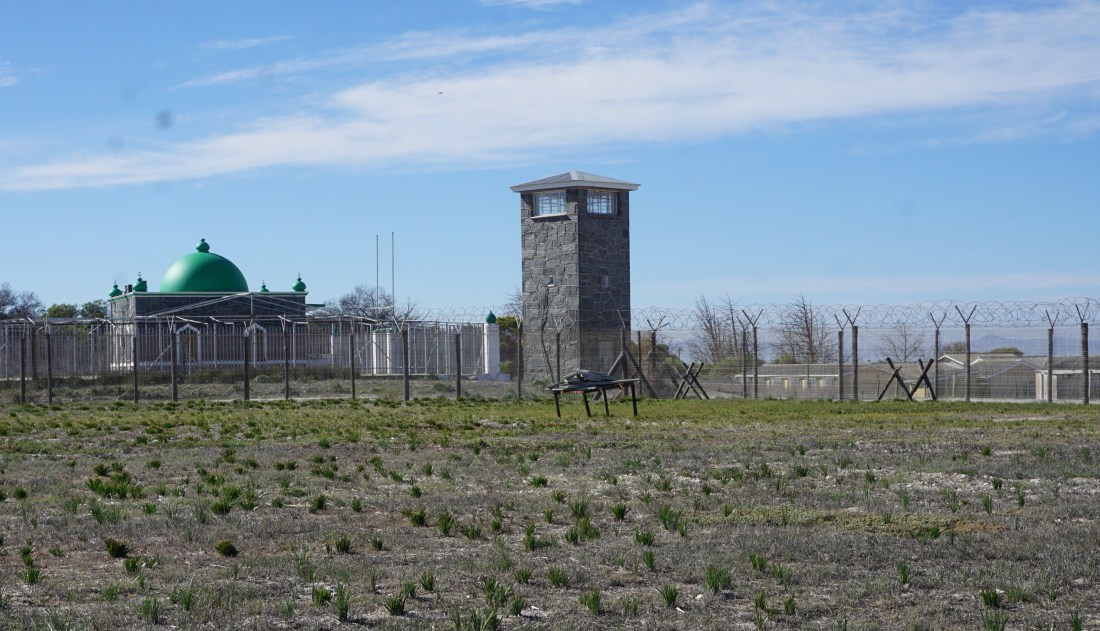
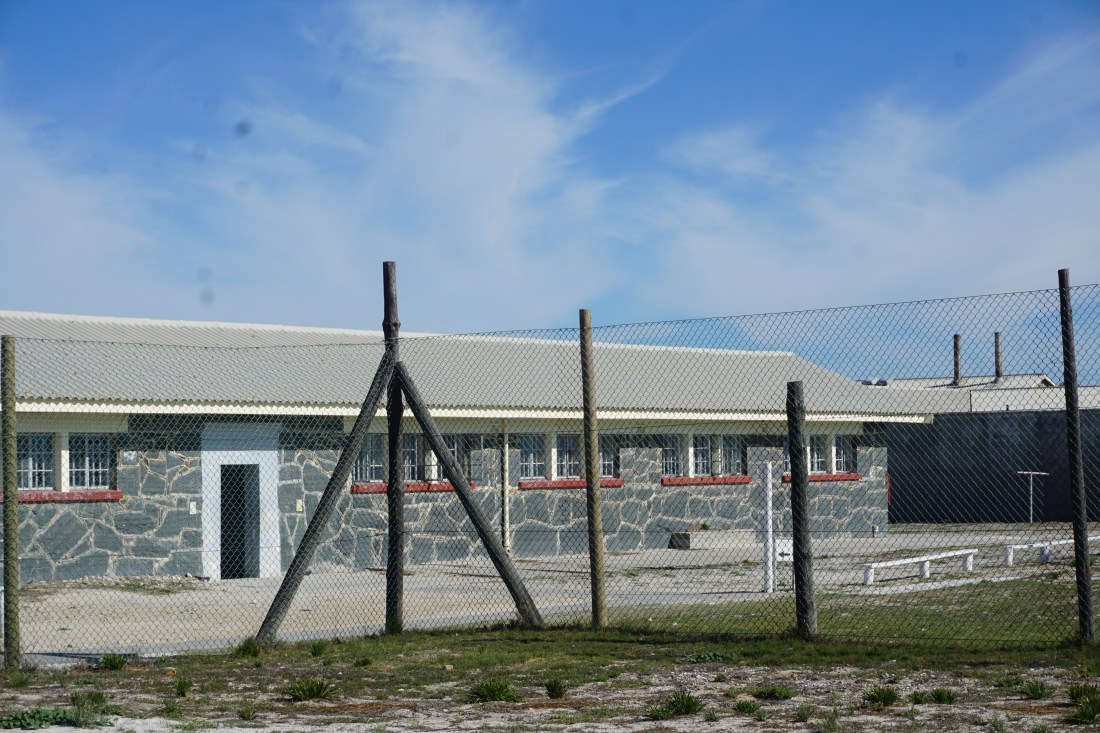
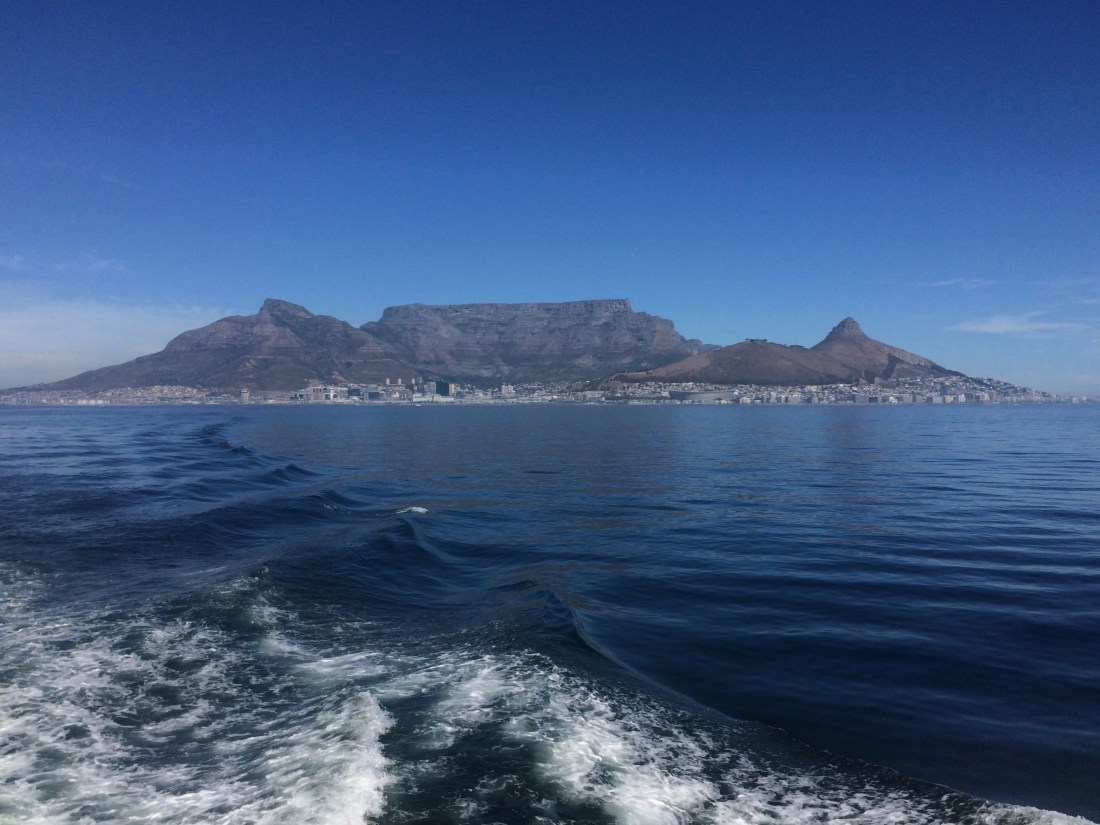
The bus ride from the ferry slip to the prison itself was very interesting; The lime quarry where prisoners worked, the village set up for the guards, and the various outbuildings are all set against a gorgeous view of the Atlantic, and Cape Town in the distance – a heartbreaking site to the more than 800 political prisoners who were incarcerated for long terms or, like Mandela, for life.
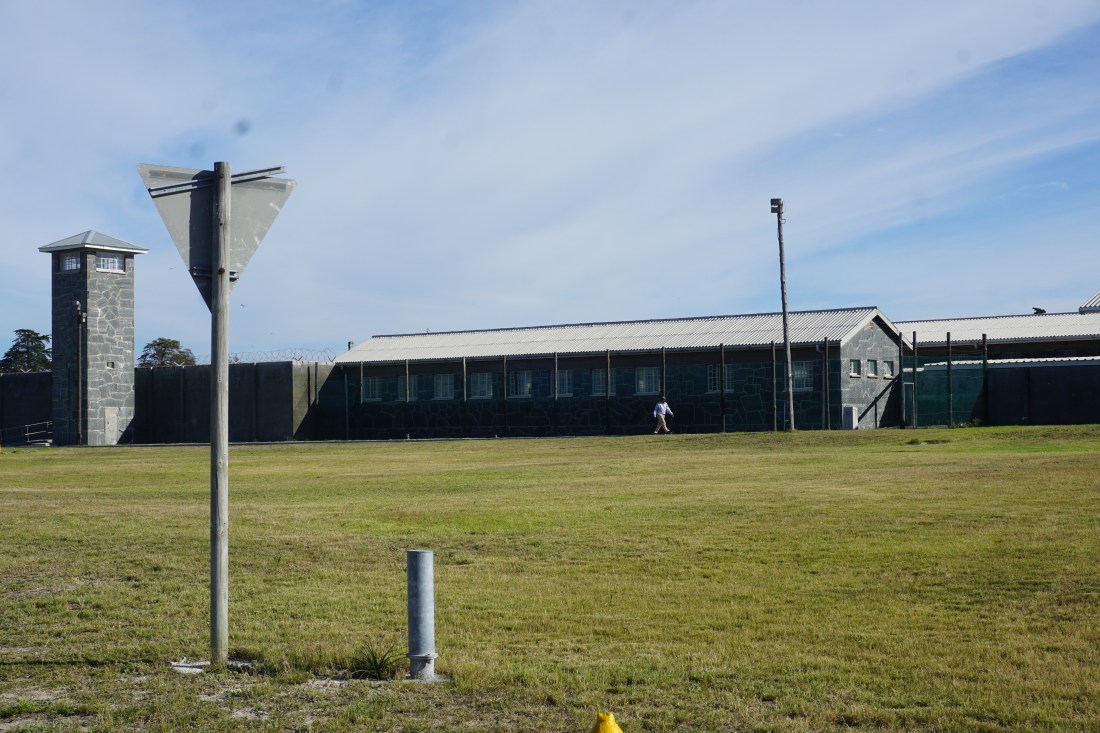
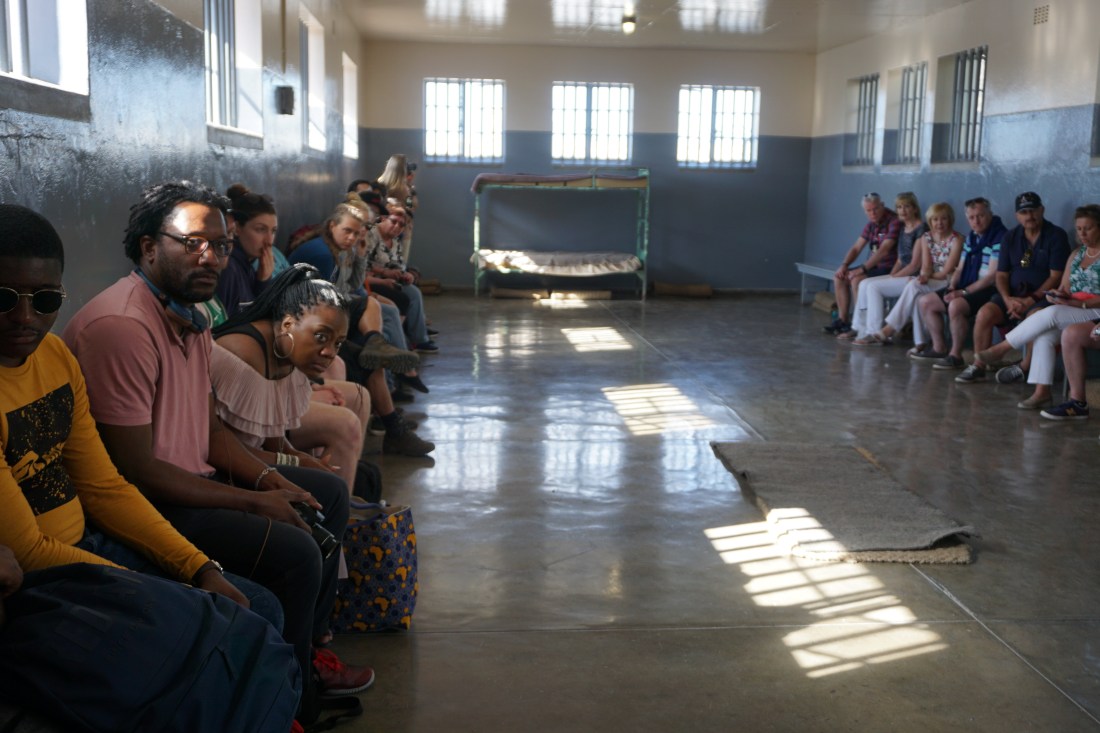
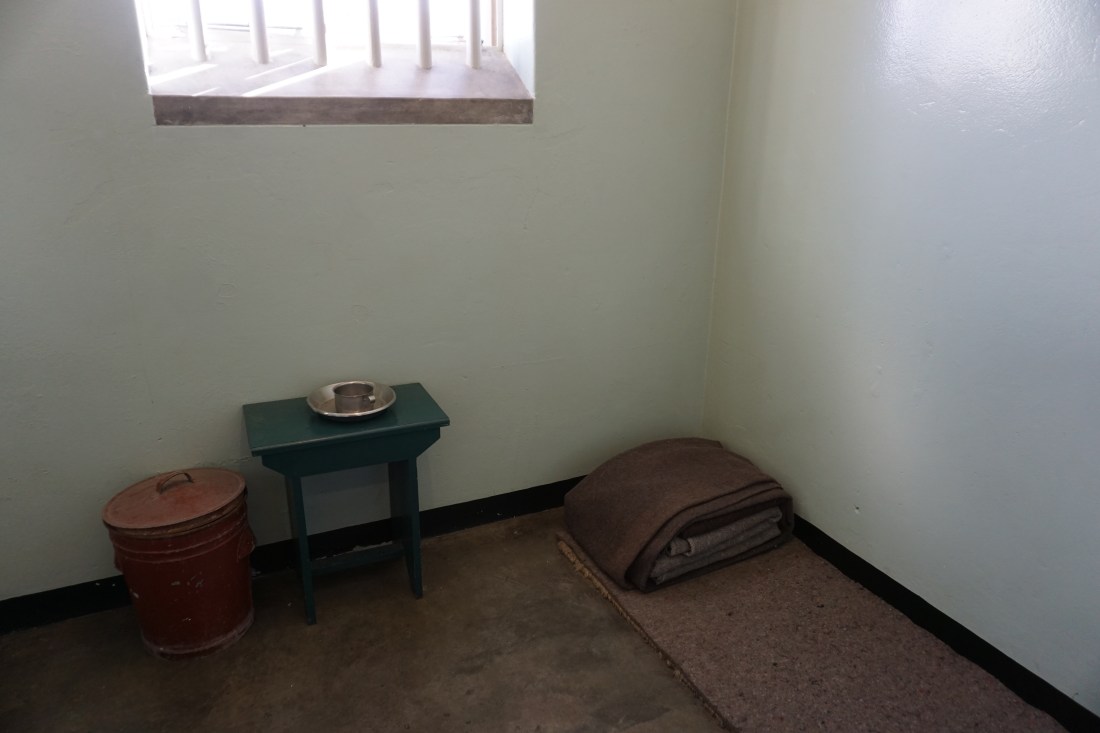
The walk through the prison itself and a look at Mandela’s cell, was brought to life by our guide, who was a political prison for eight years, beginning as a very young man in 1984.
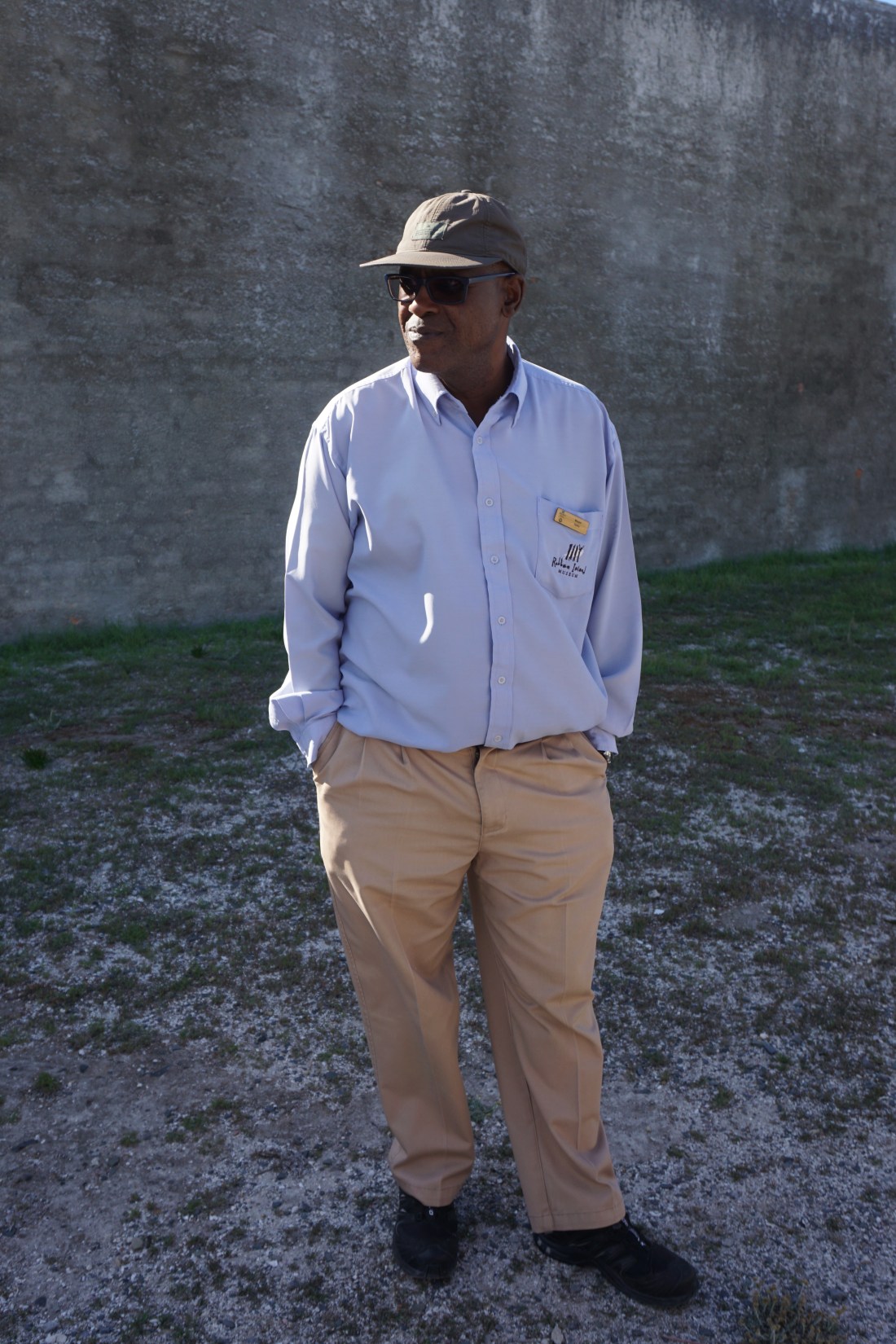 He explained the daily routine as well as the political education which many of the prisioners provided for their fellow inmates as a way of keeping the fire of resistance alive.
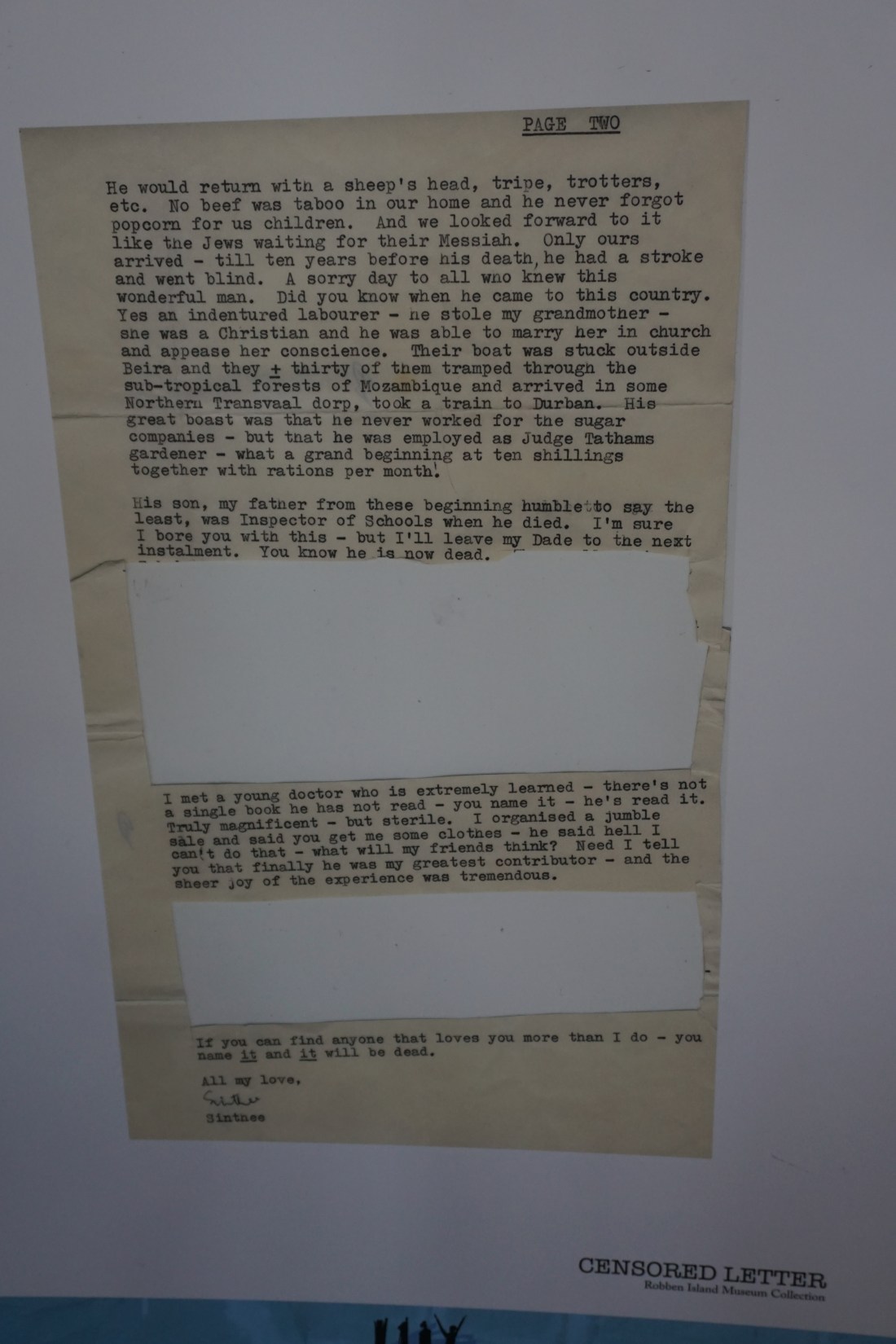
Portions of letters were cut out before being delivered to the inmates.
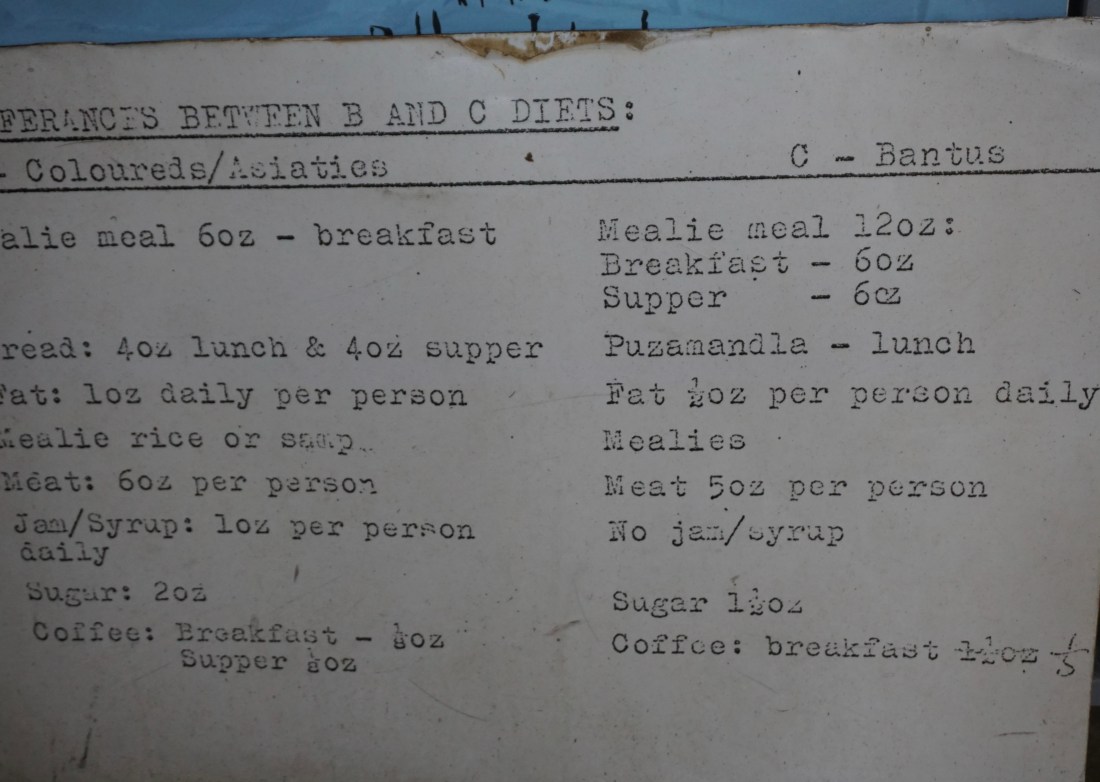
Menus for blacks were different from those for colored. Whites were never incarcerated here.
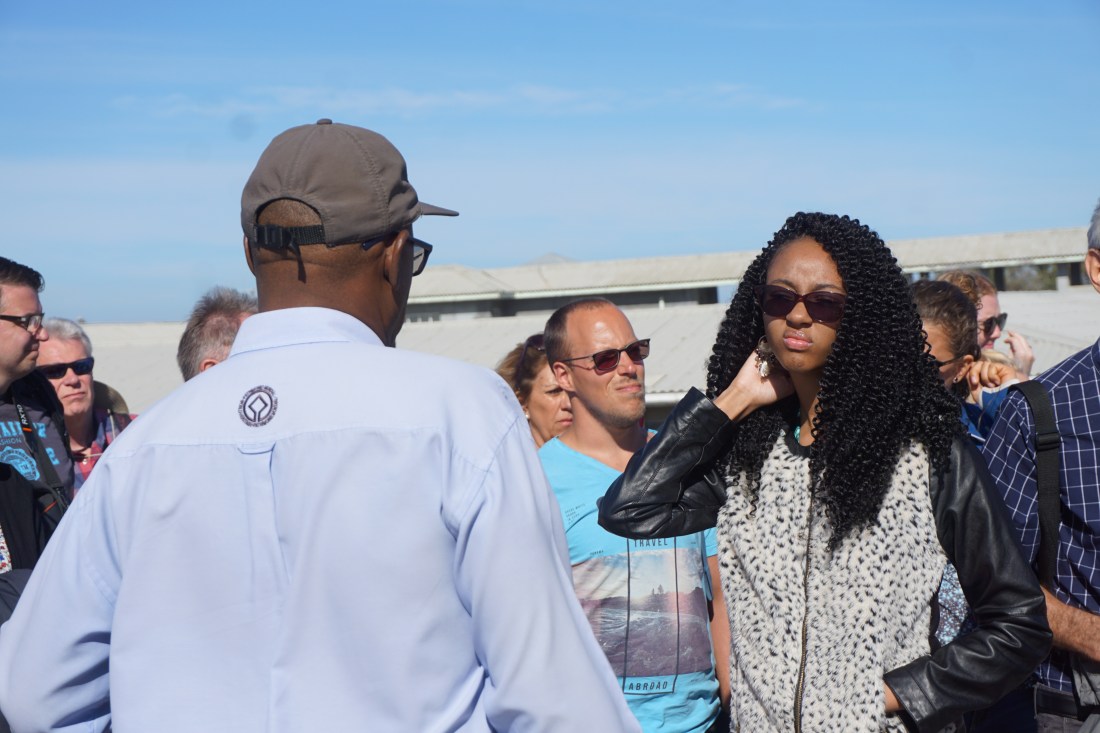
Back to the mainland.






























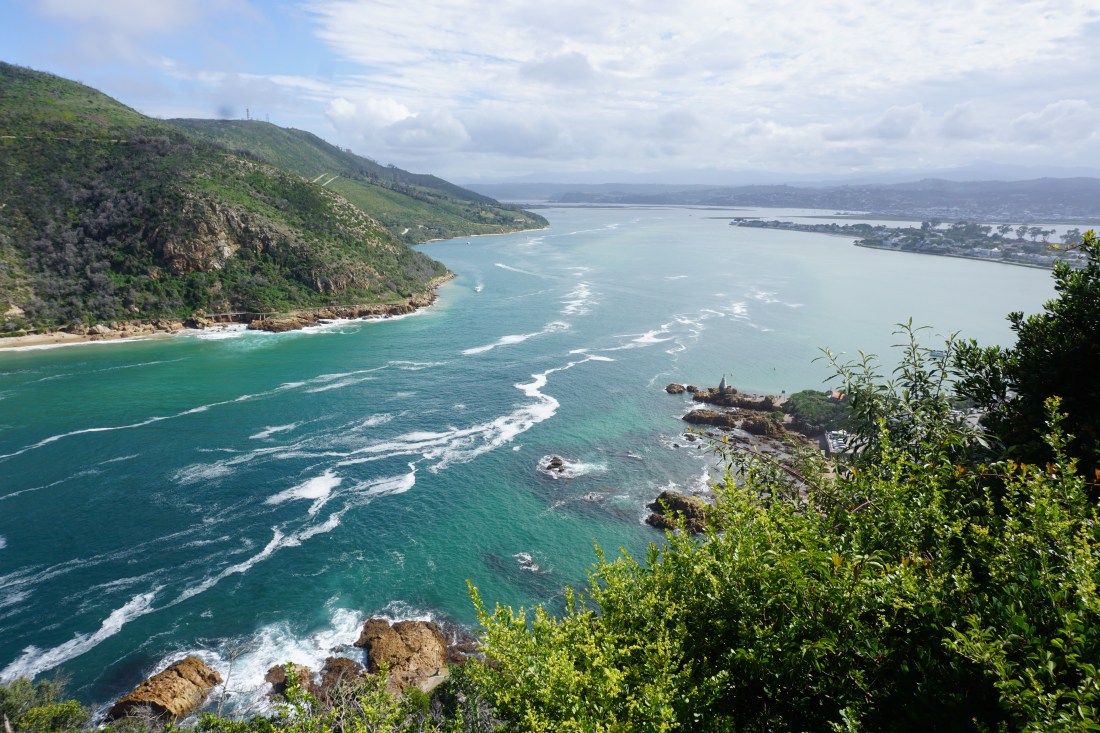
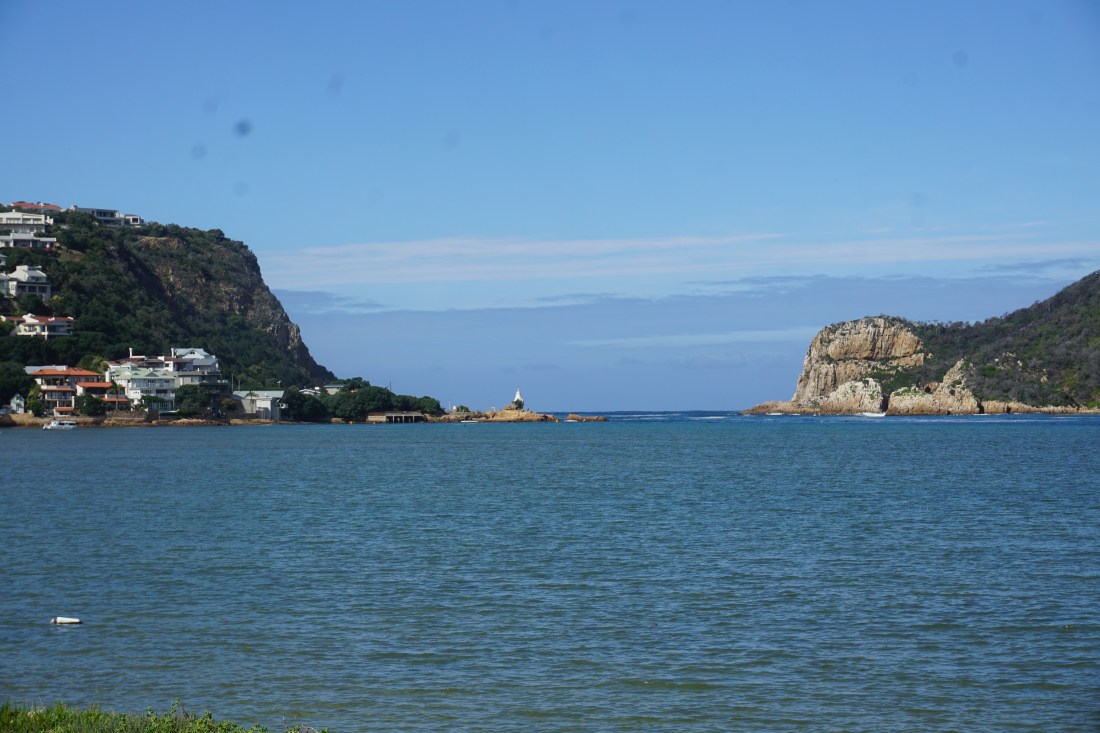
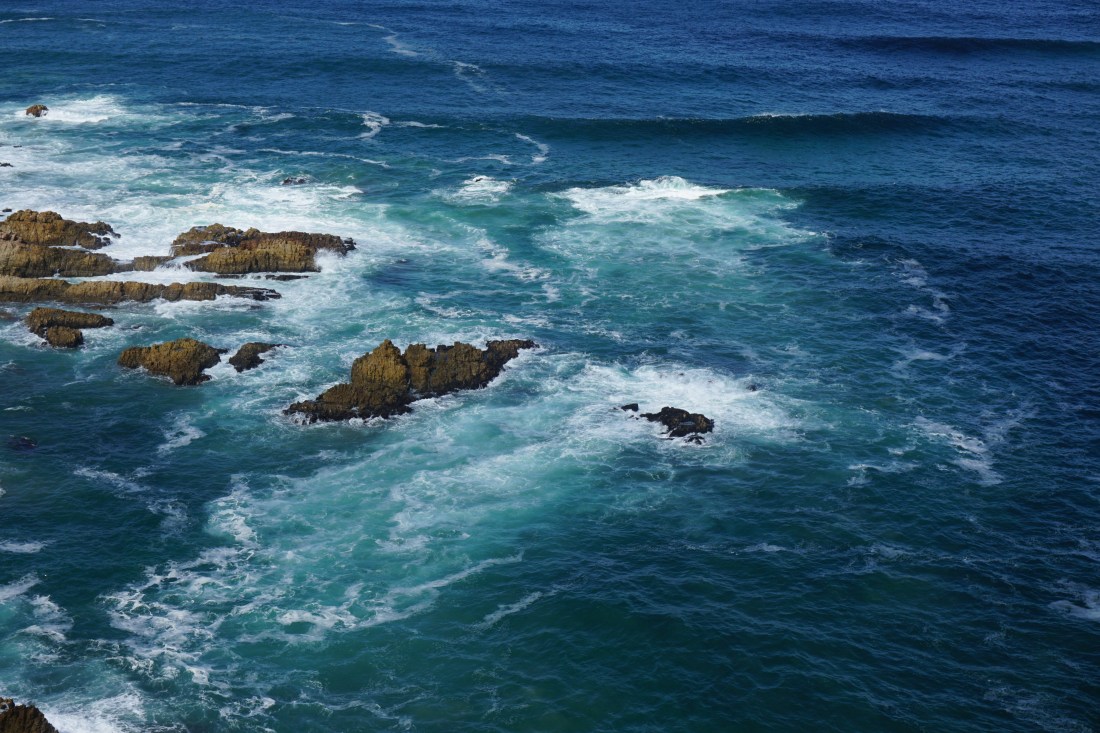
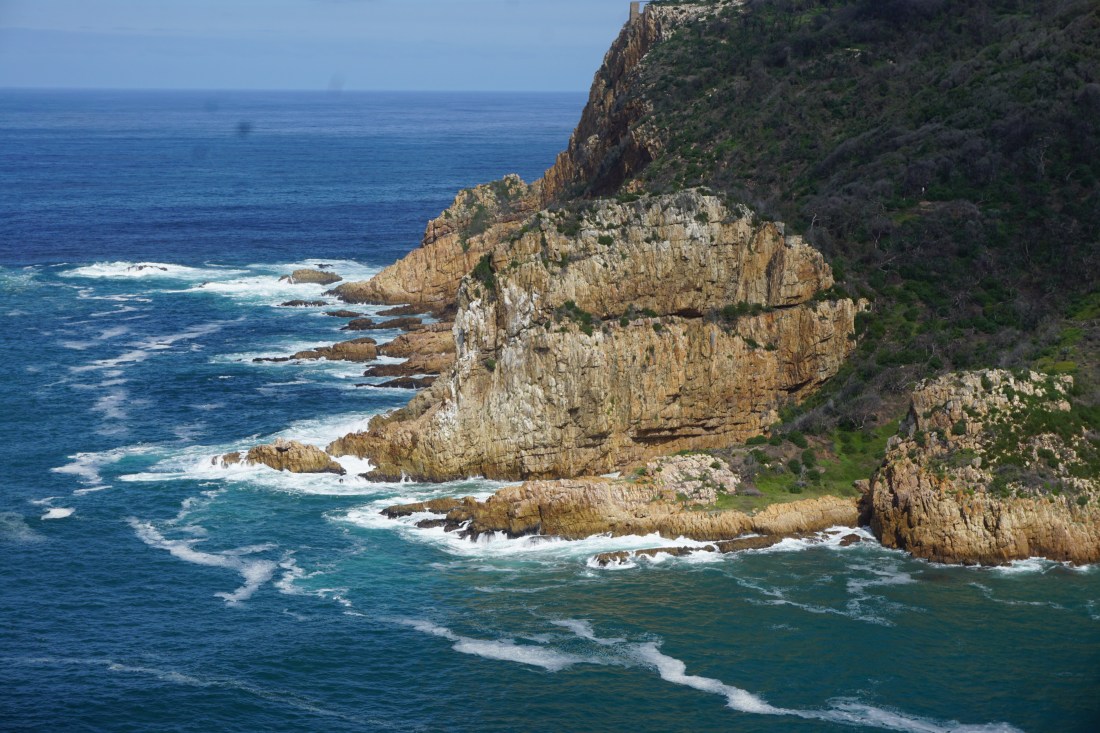
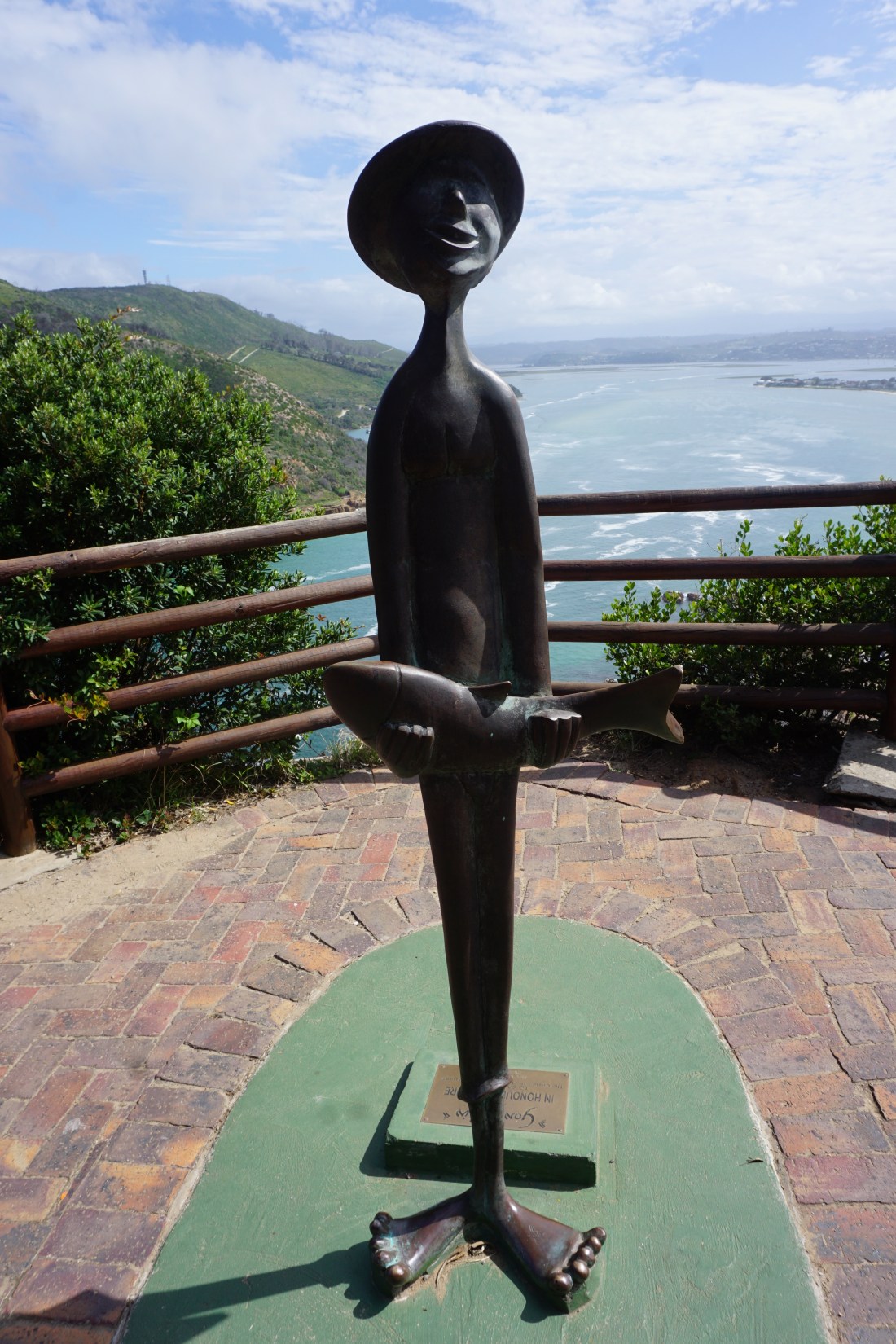
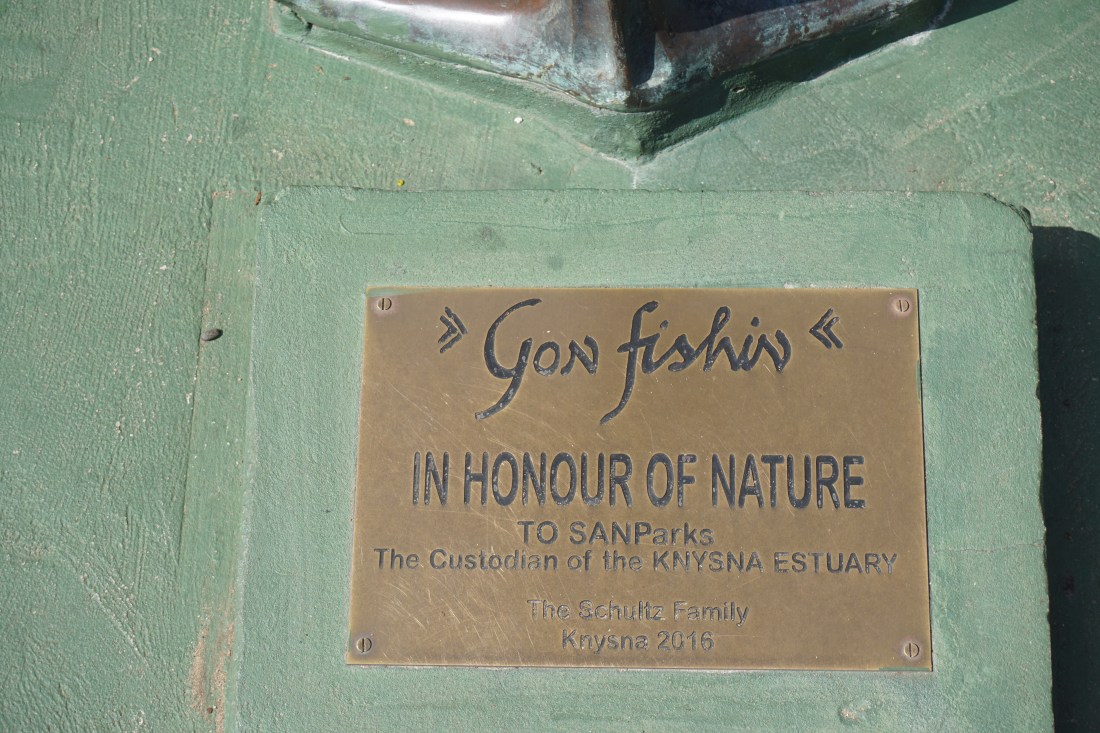
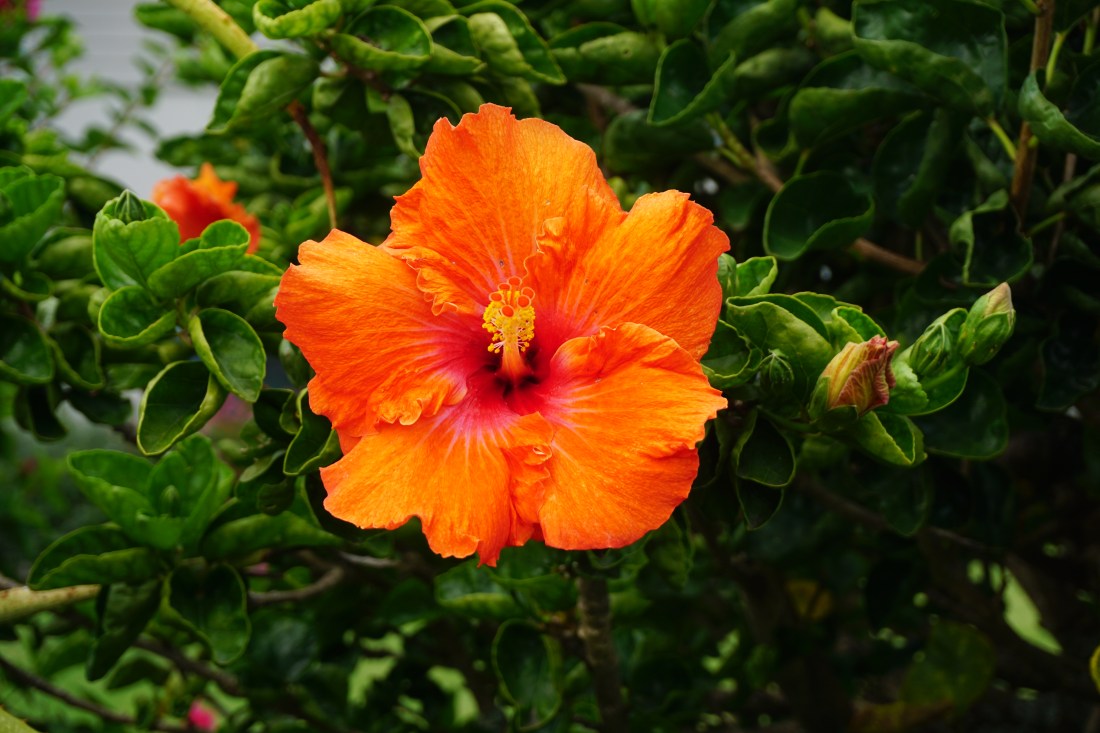
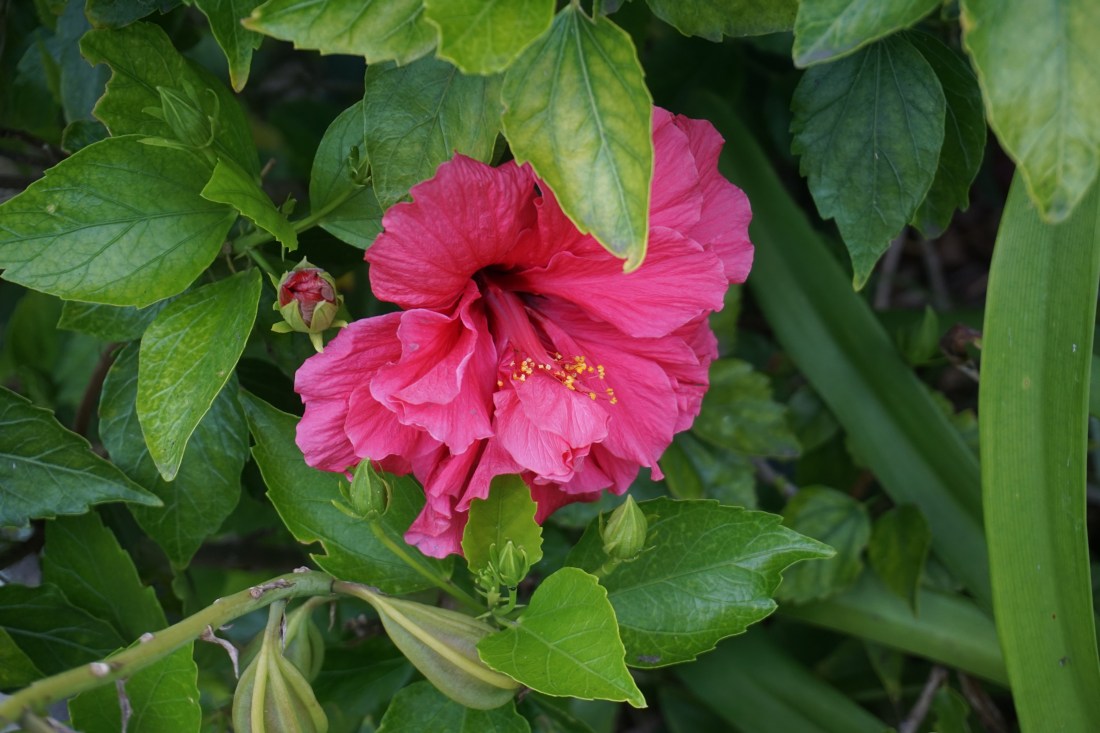
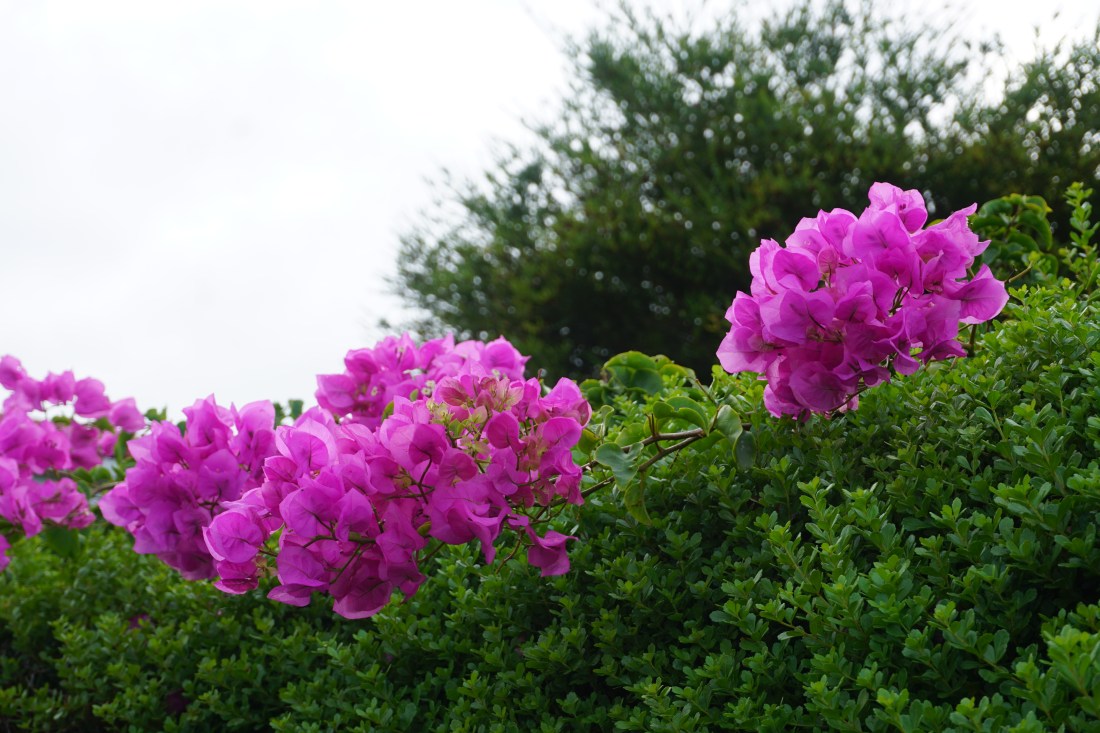
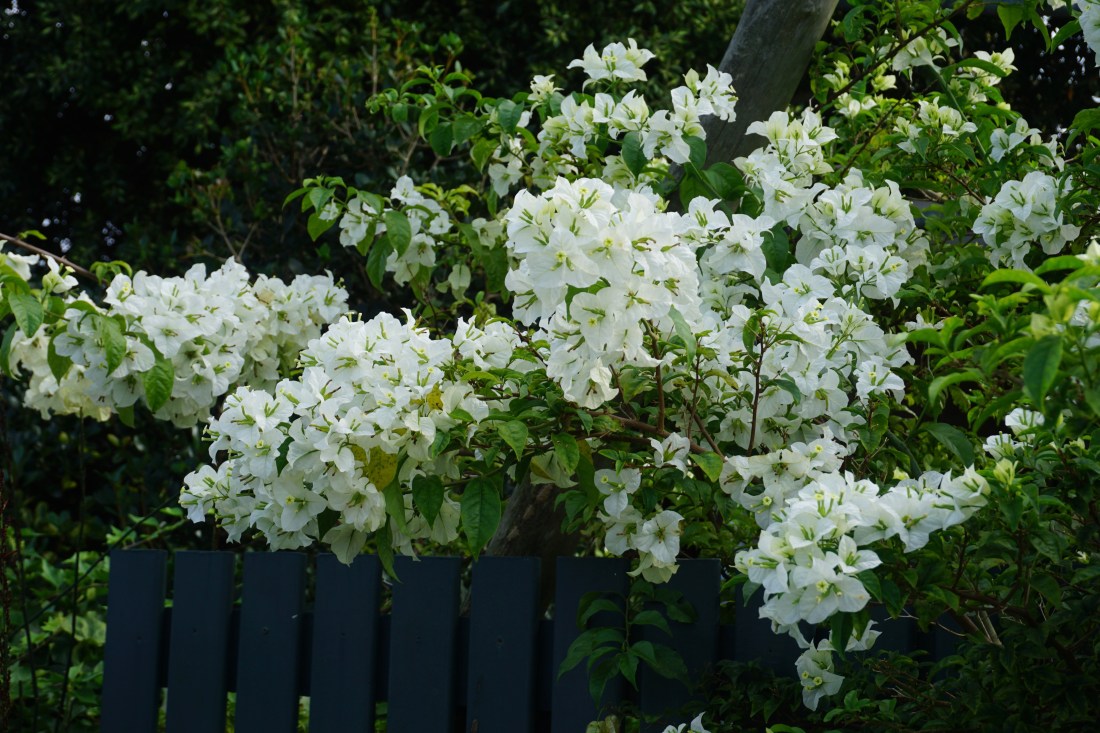
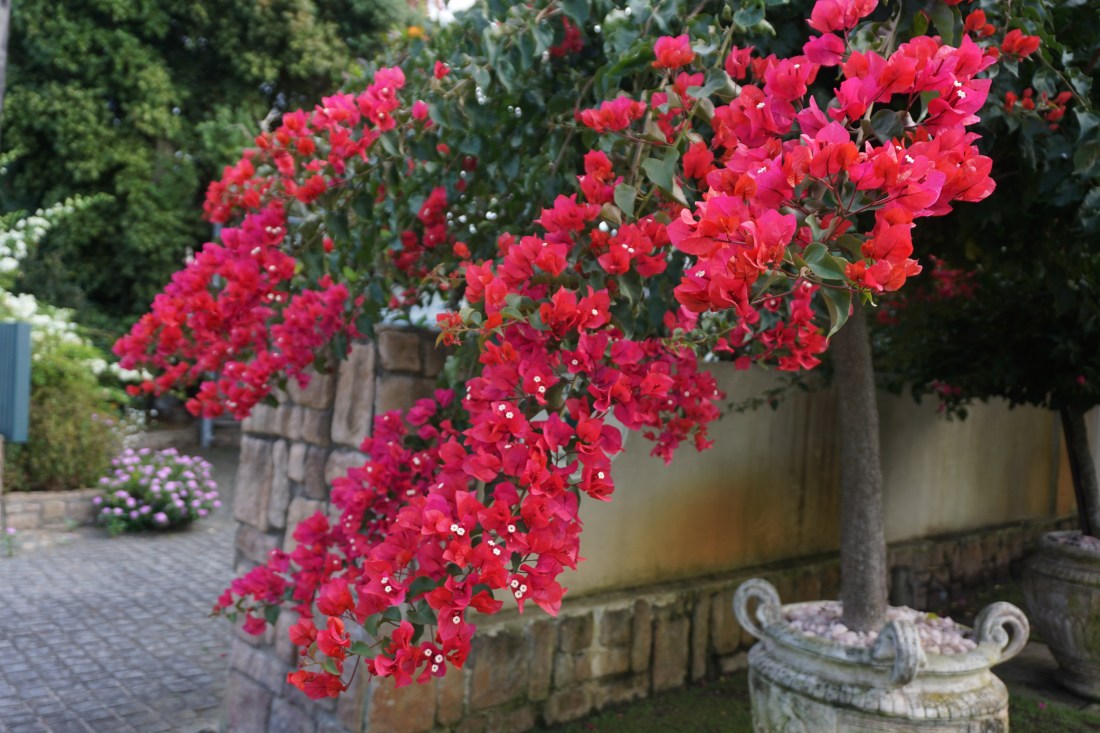
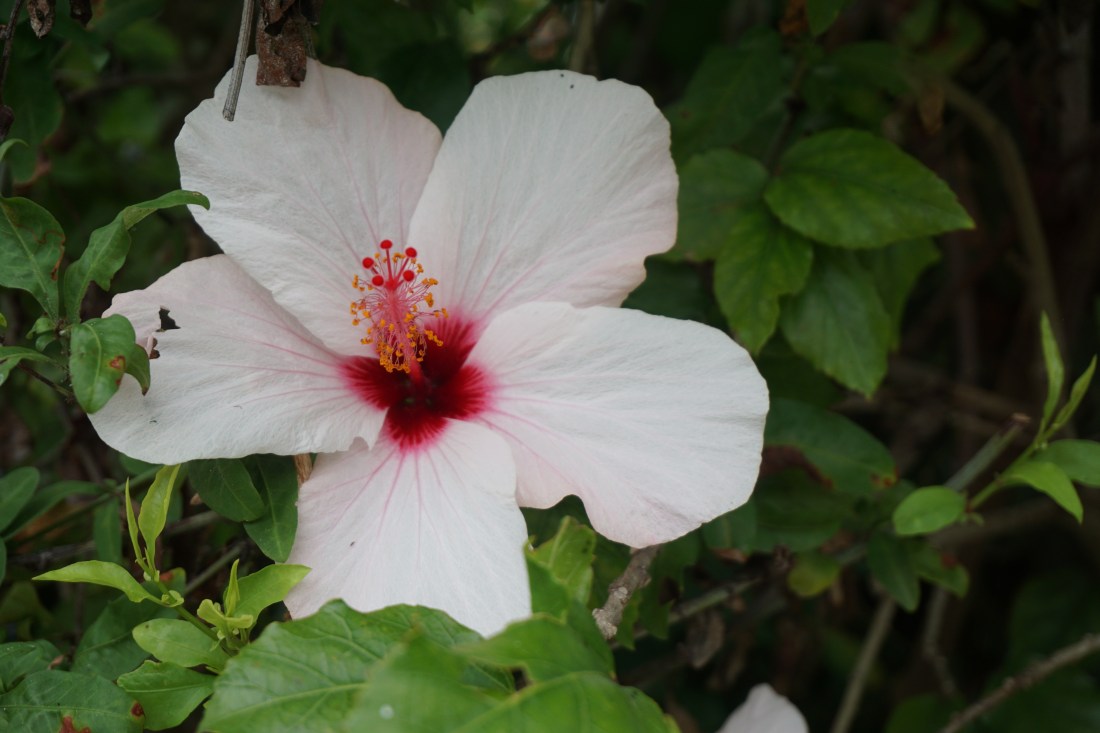
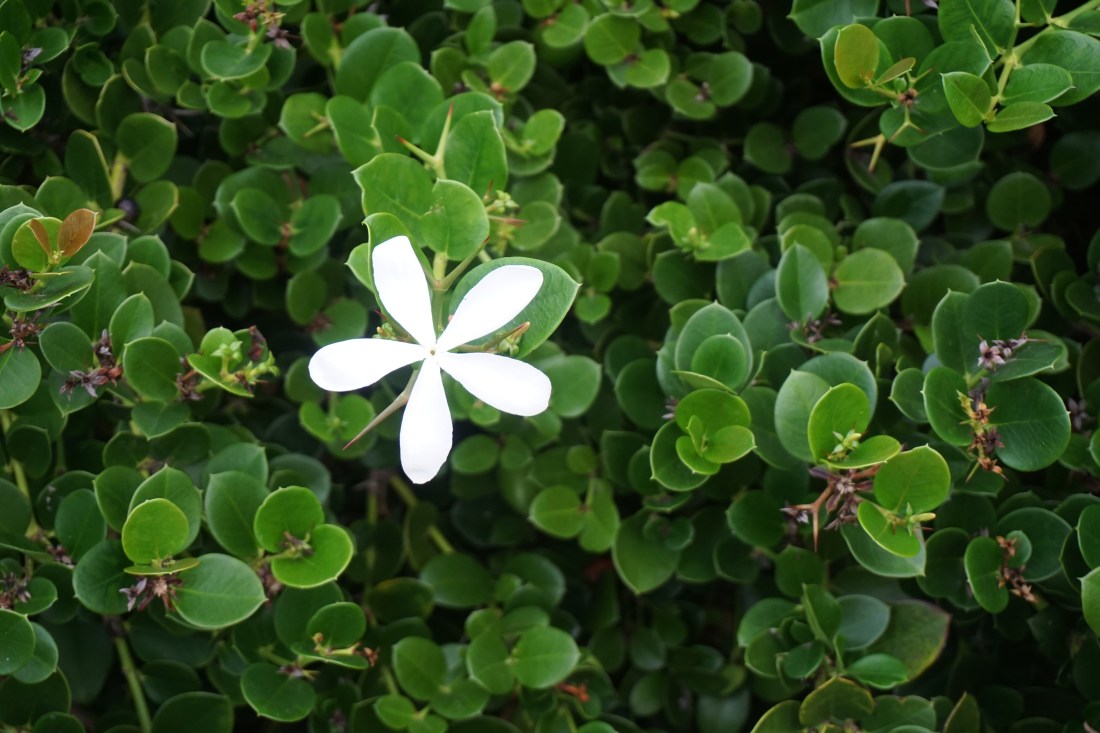


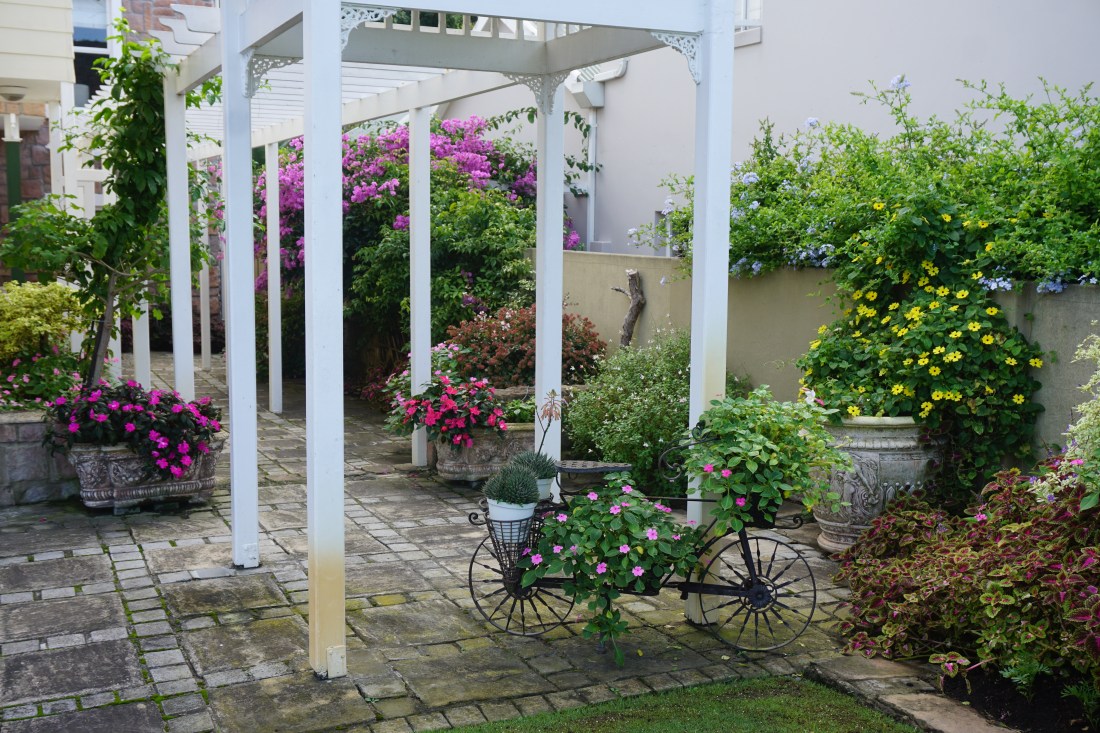


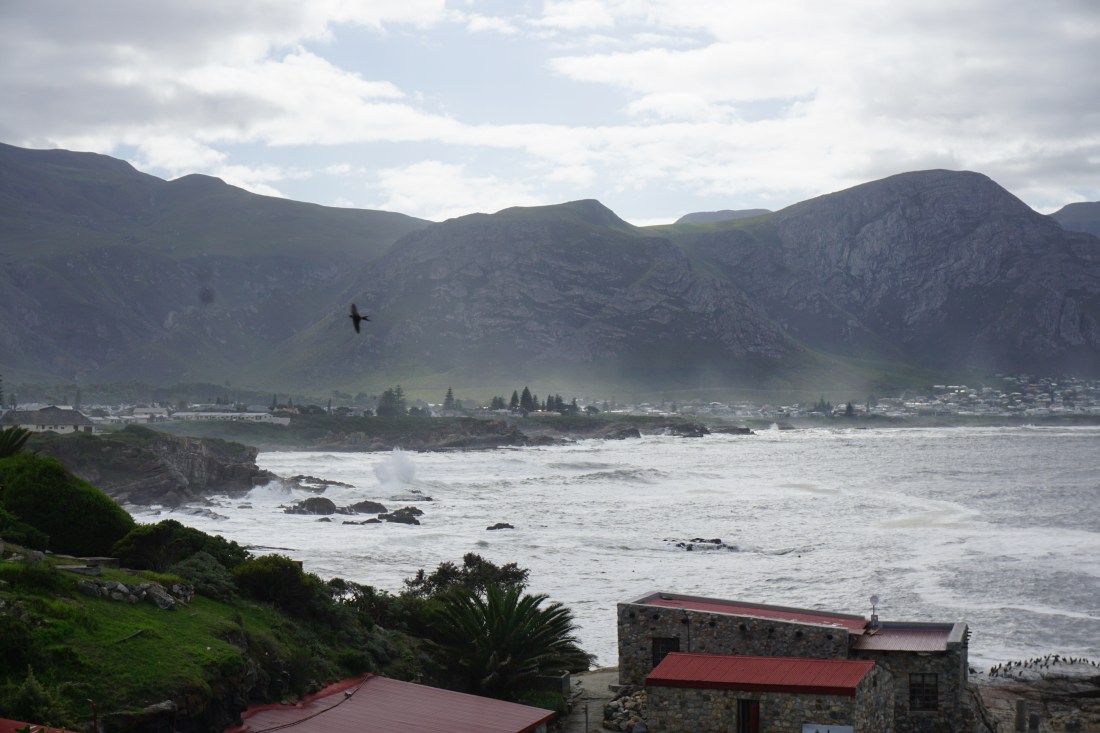
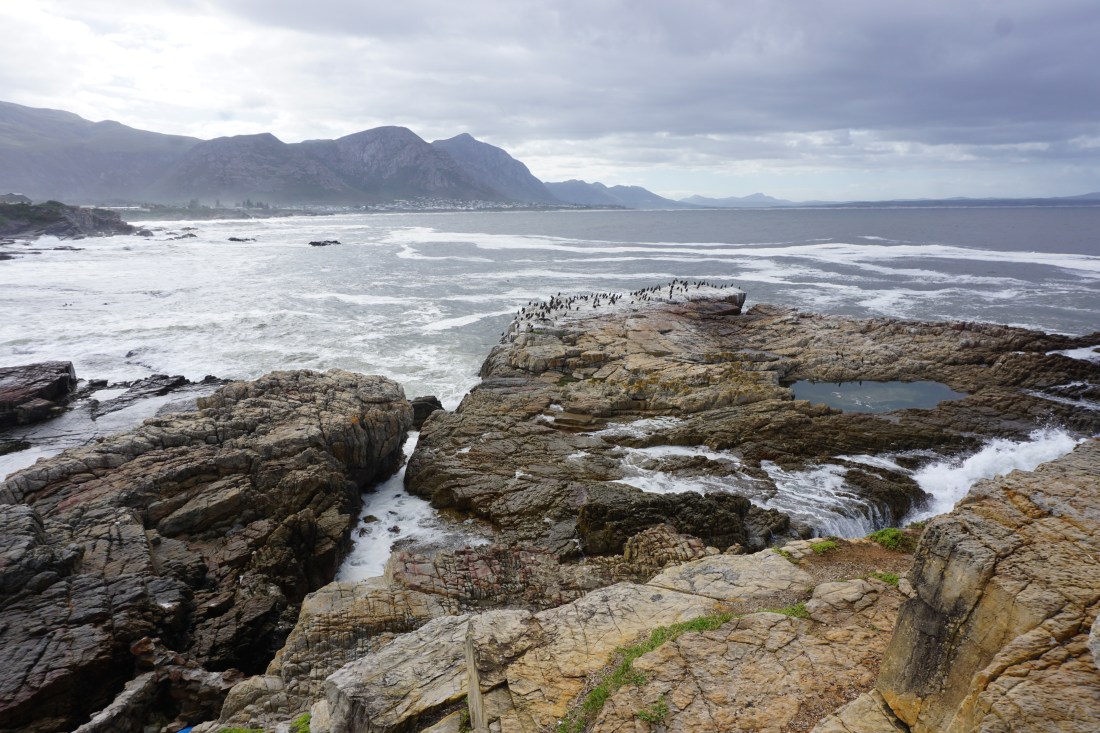
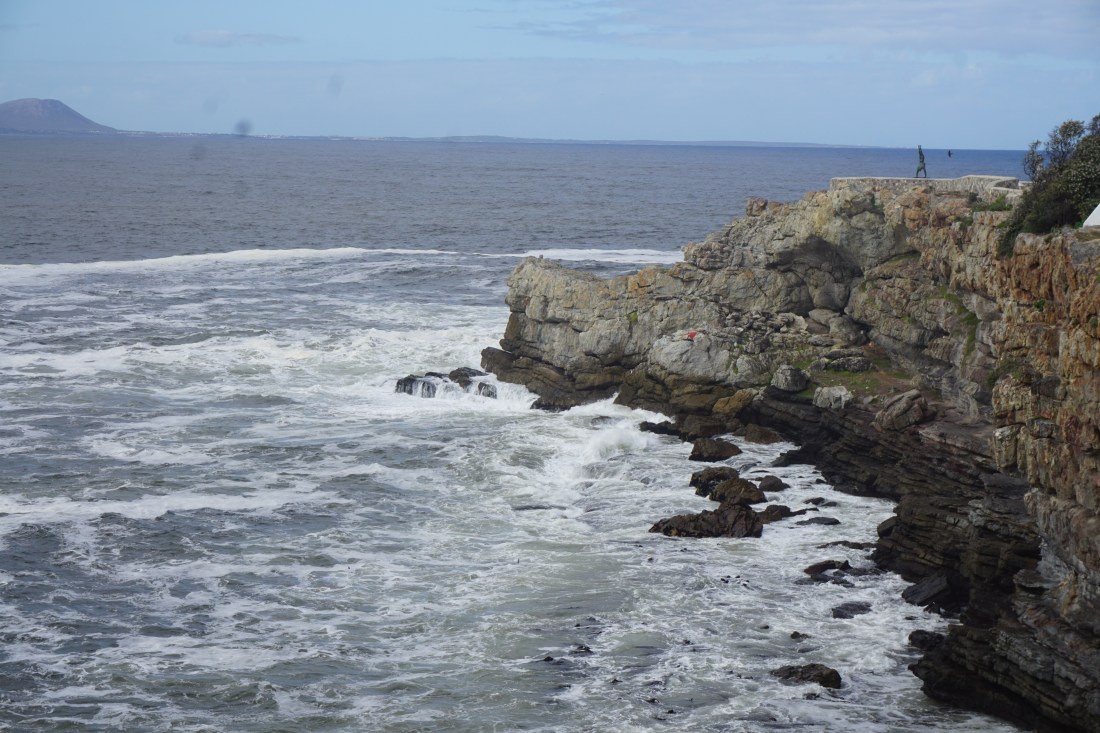
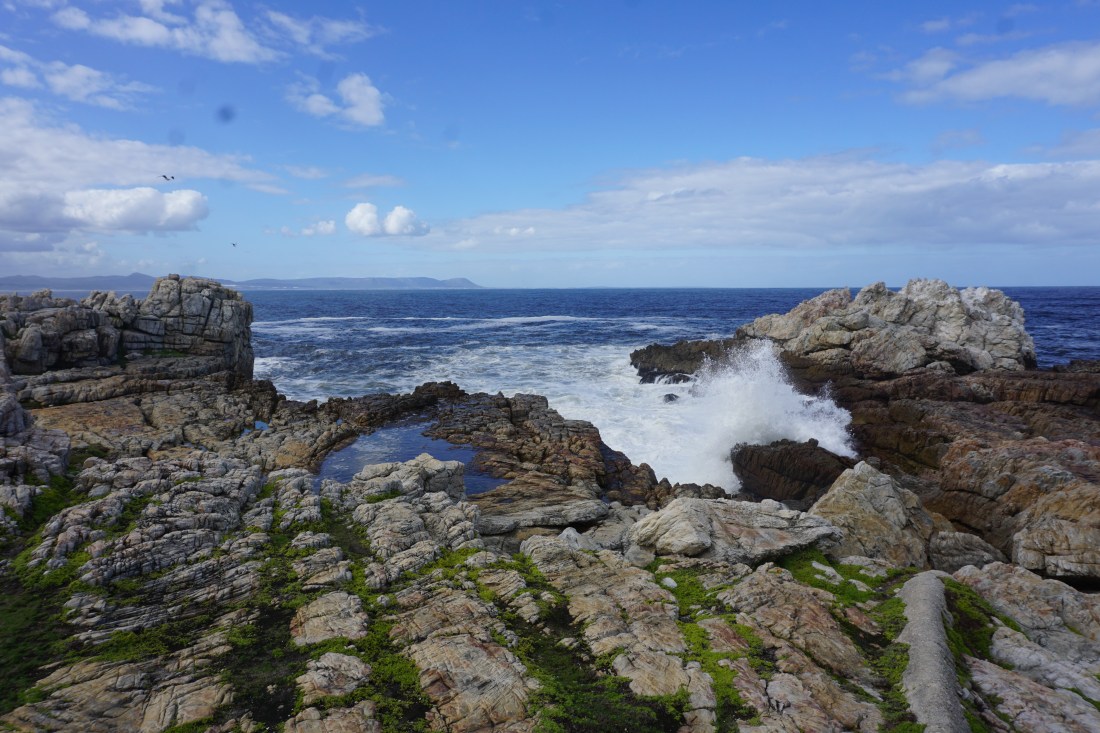





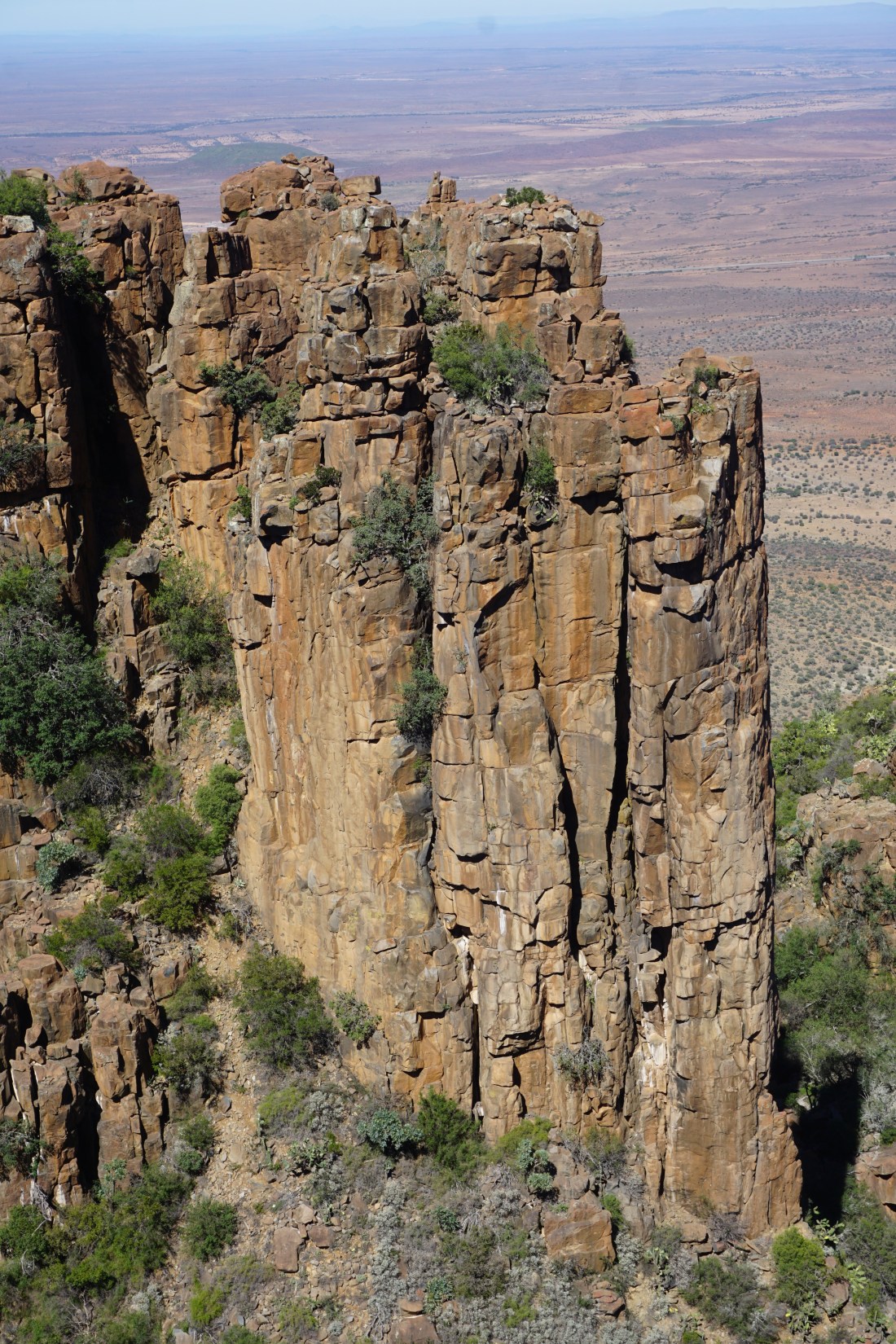
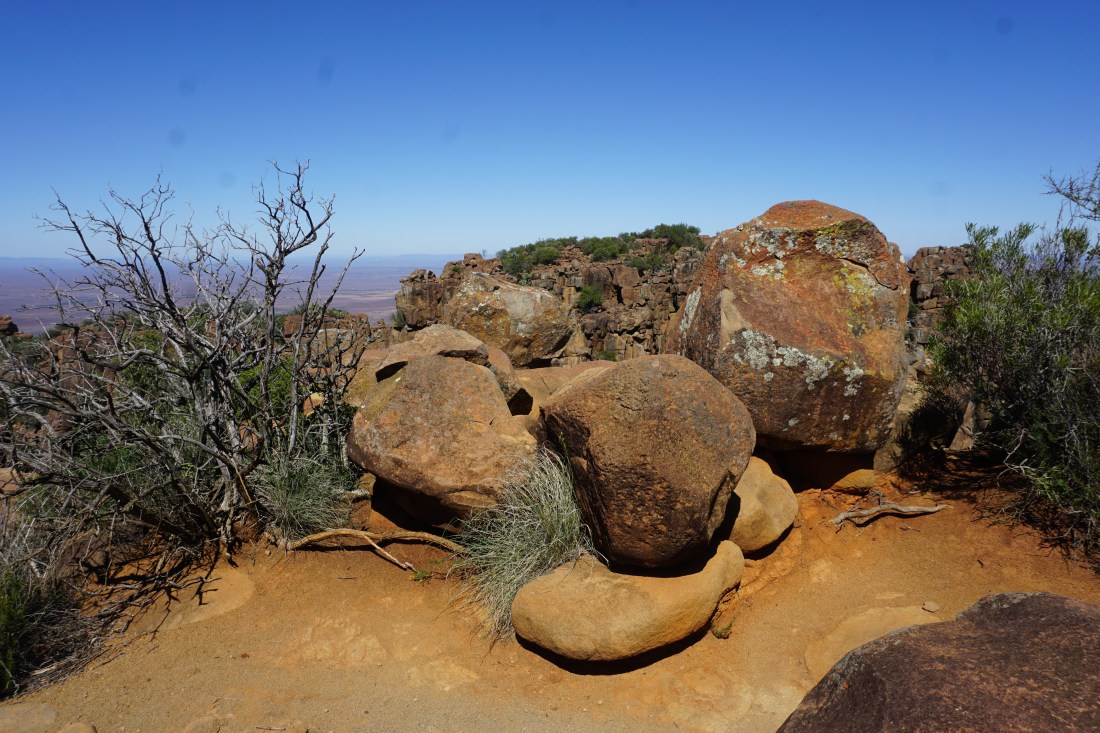
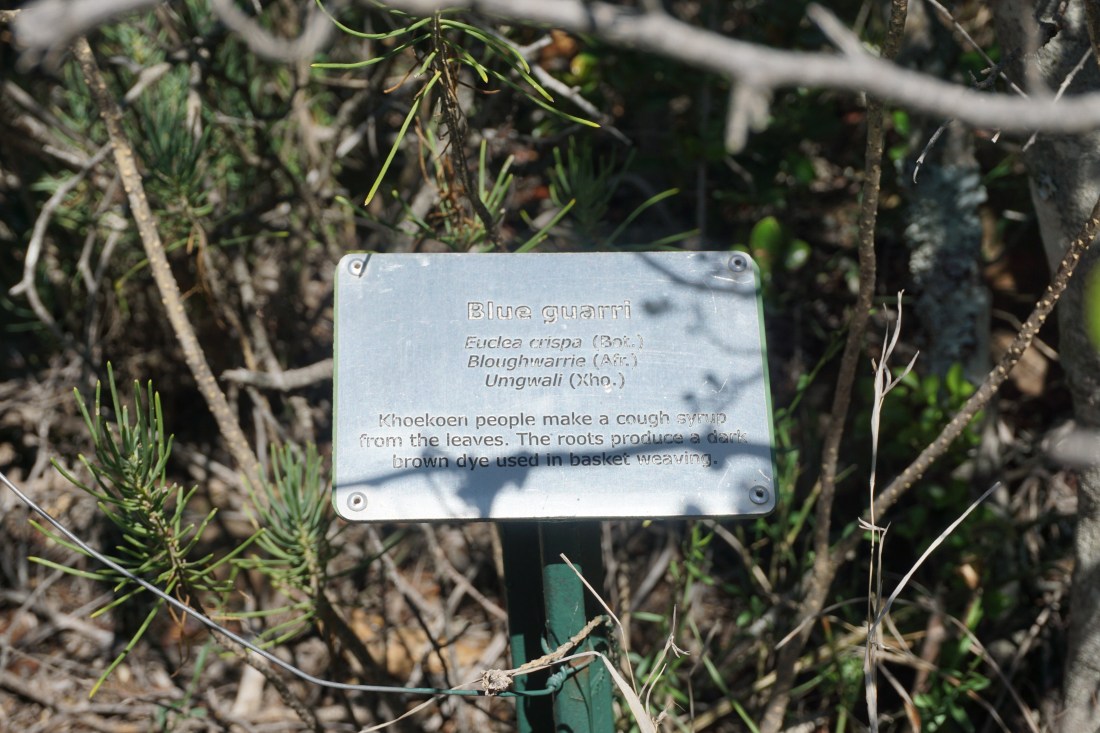
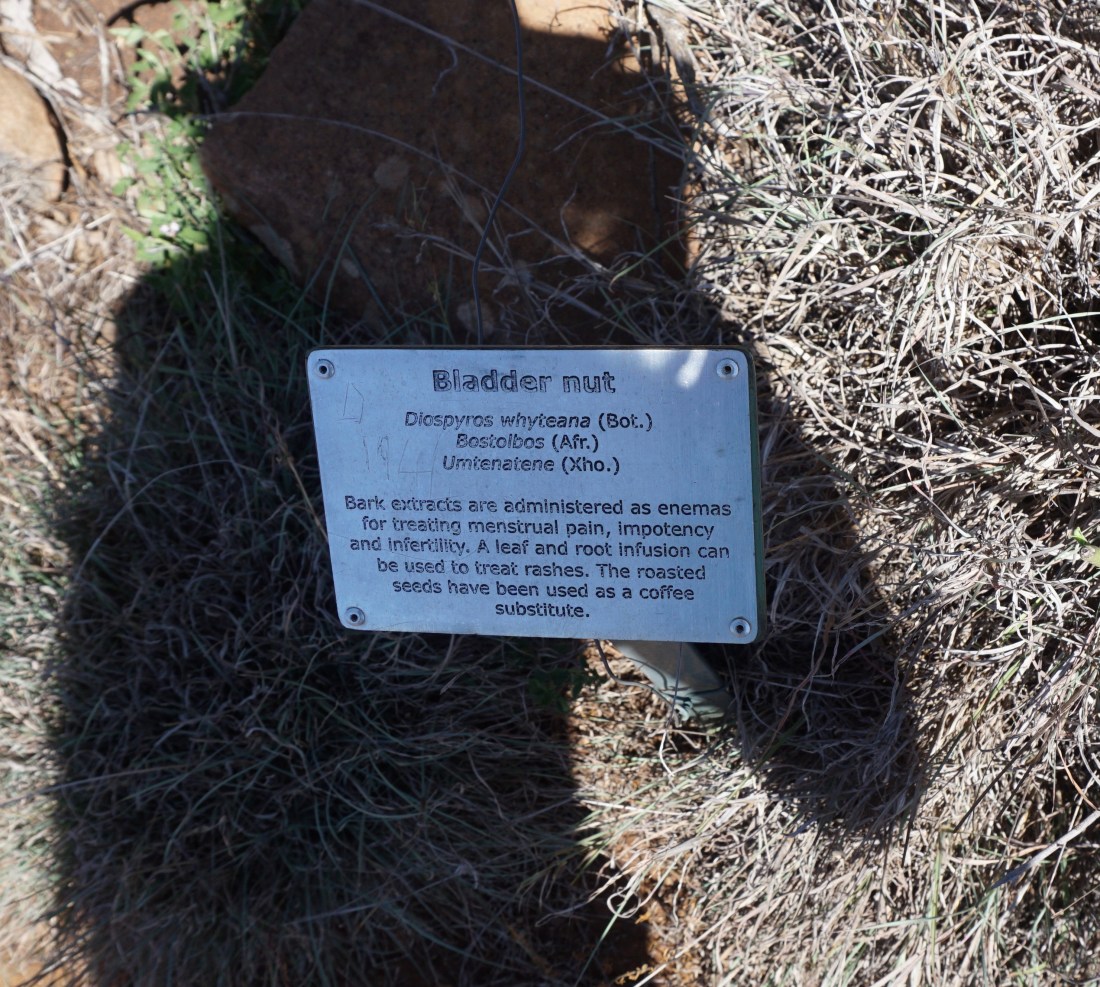
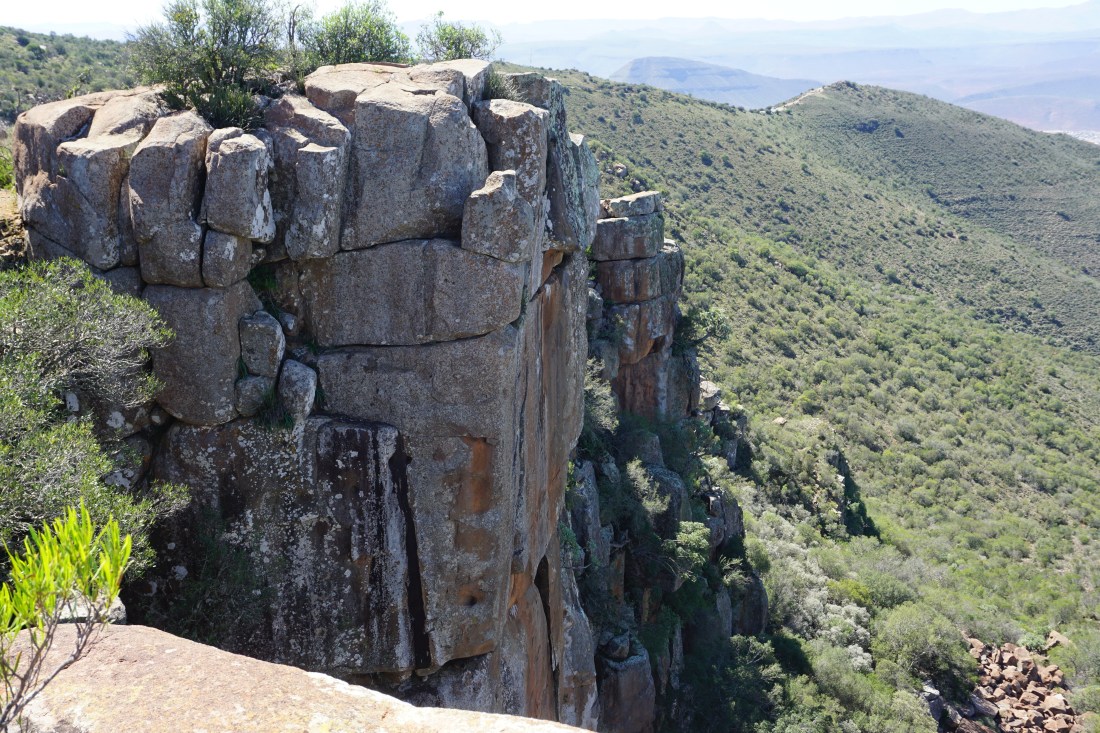
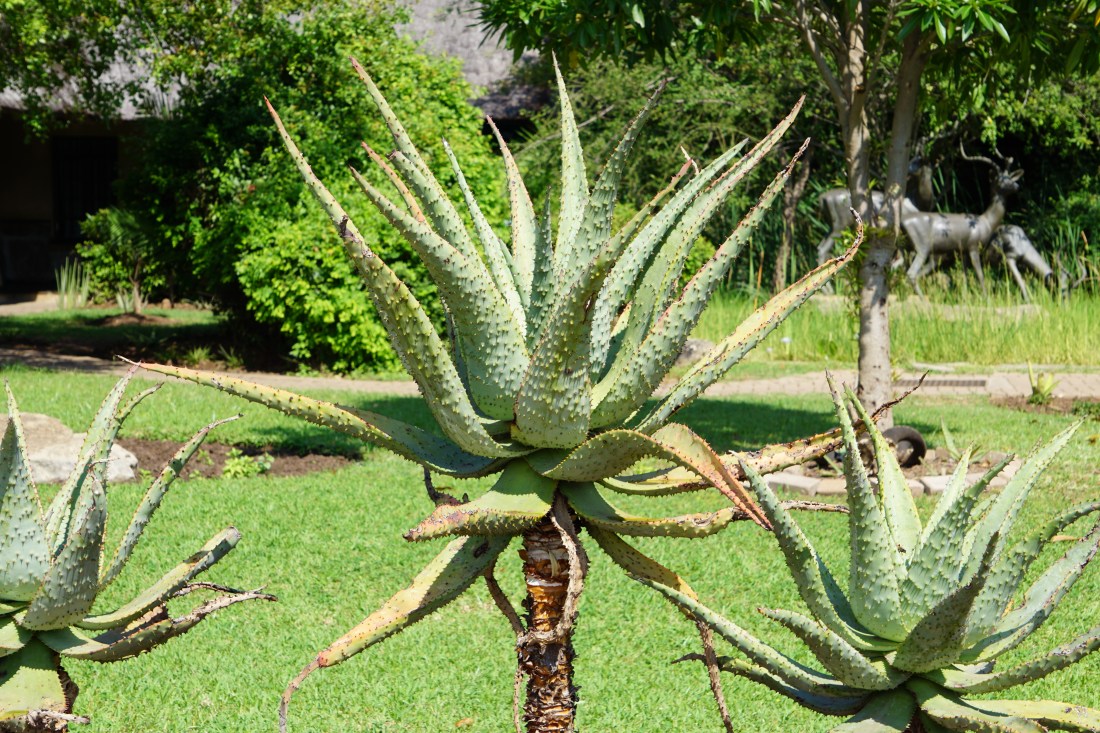
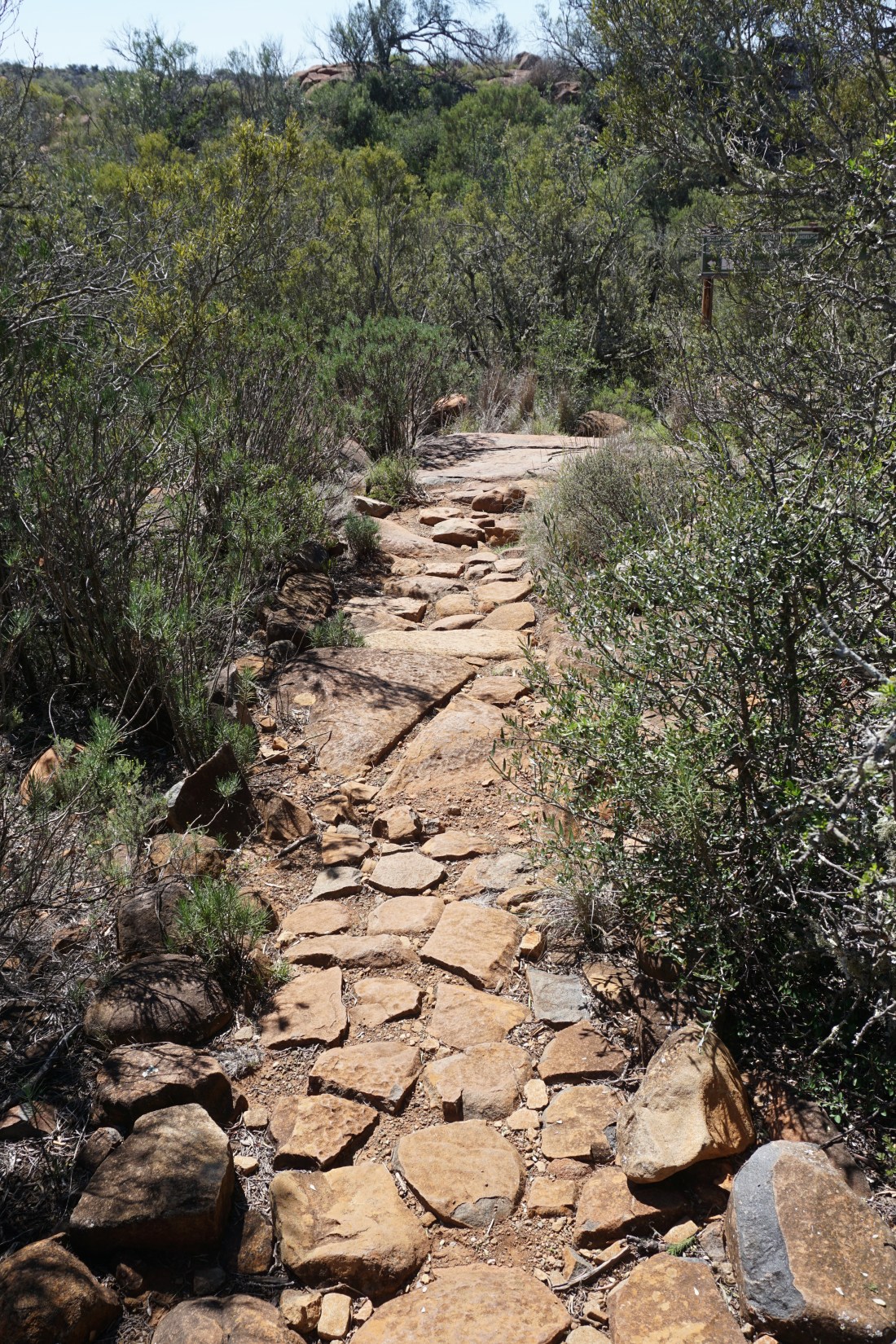 Along the trails the plants were identified with plaques and their use by local people was identified.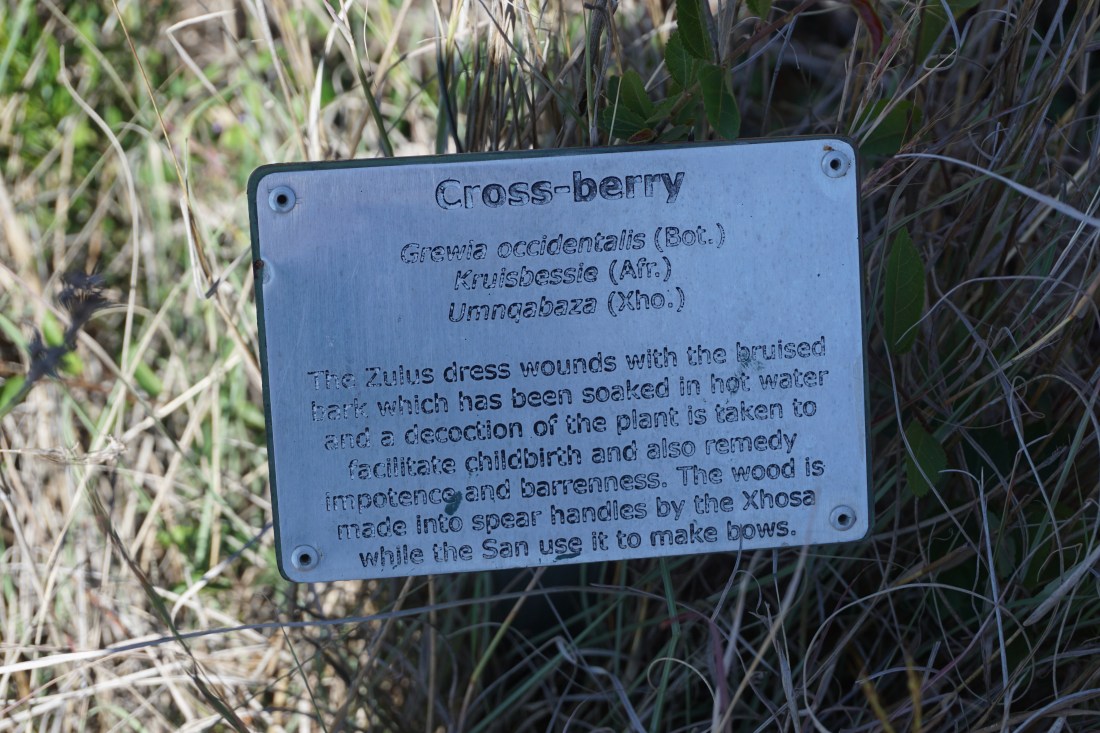


































 BeverleyandJohn's2018Travels