South Africa – Kruger Park

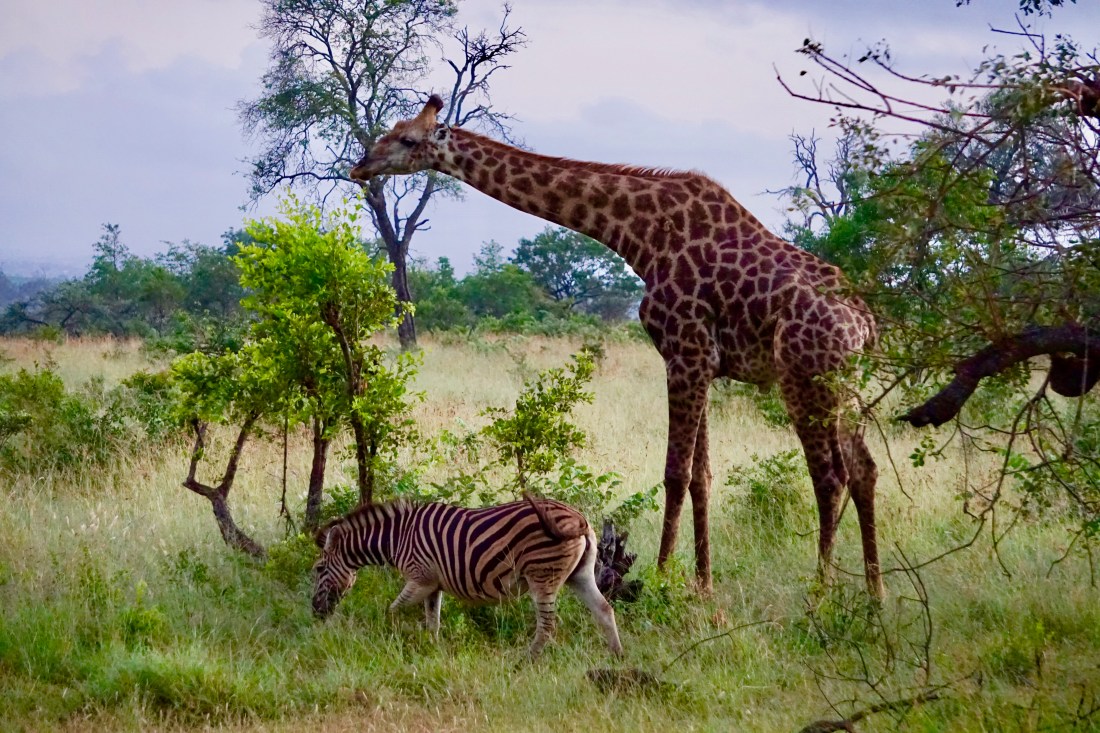
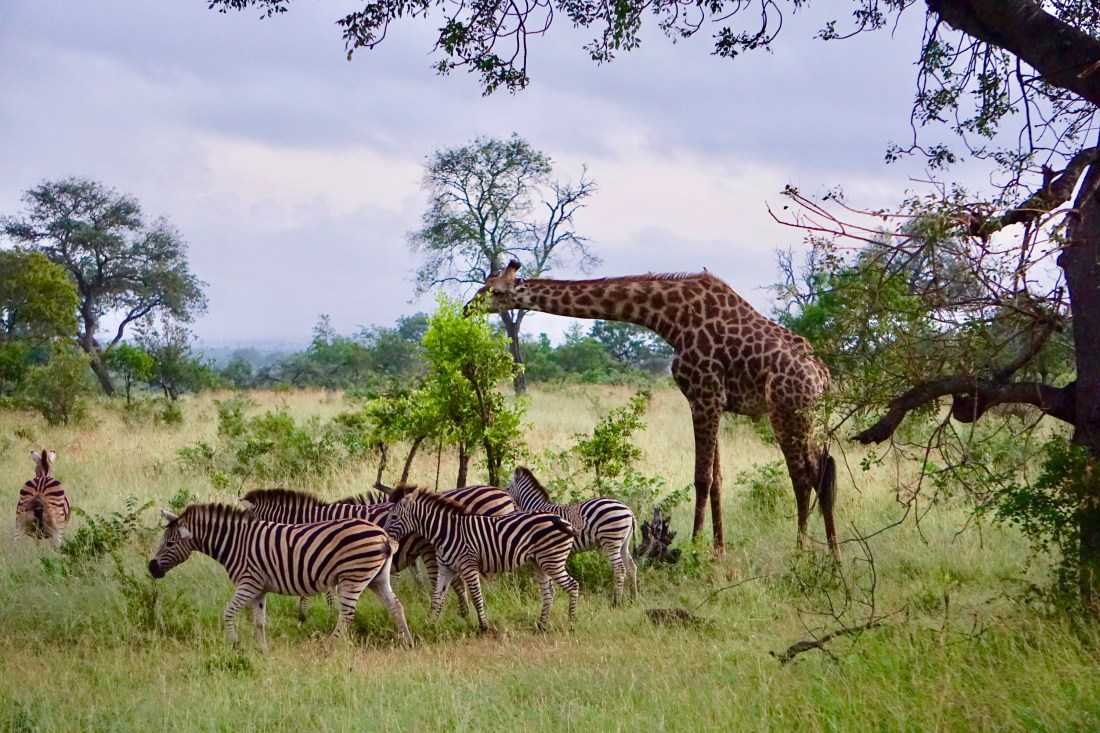
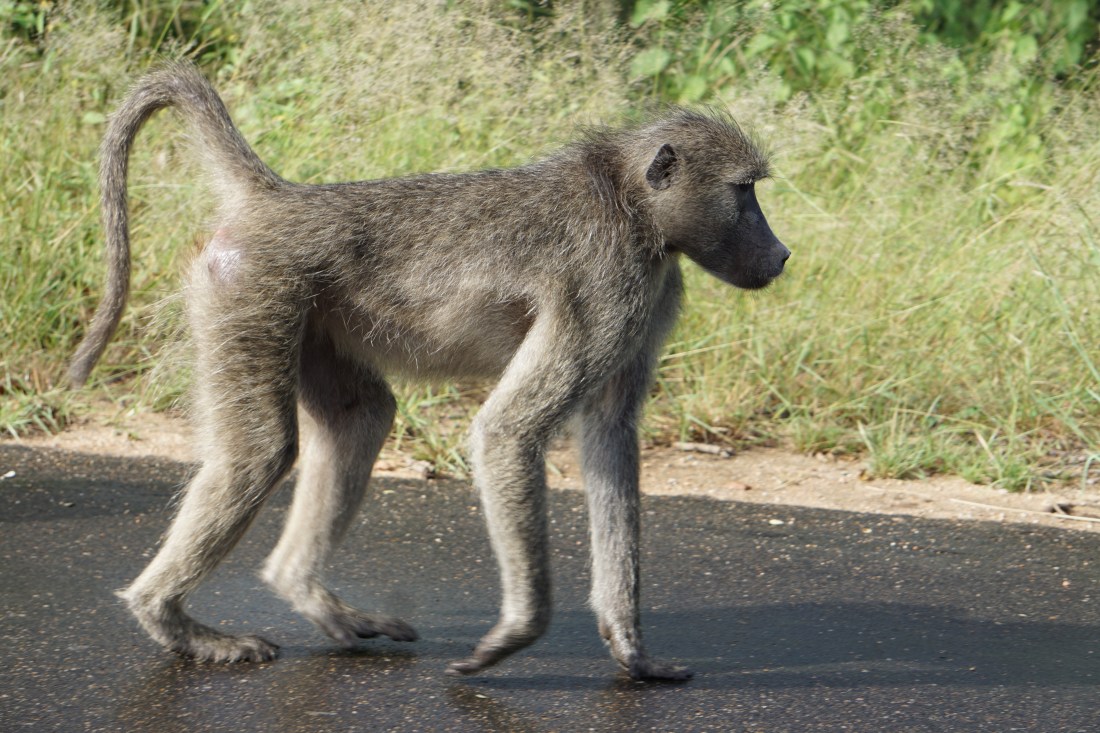
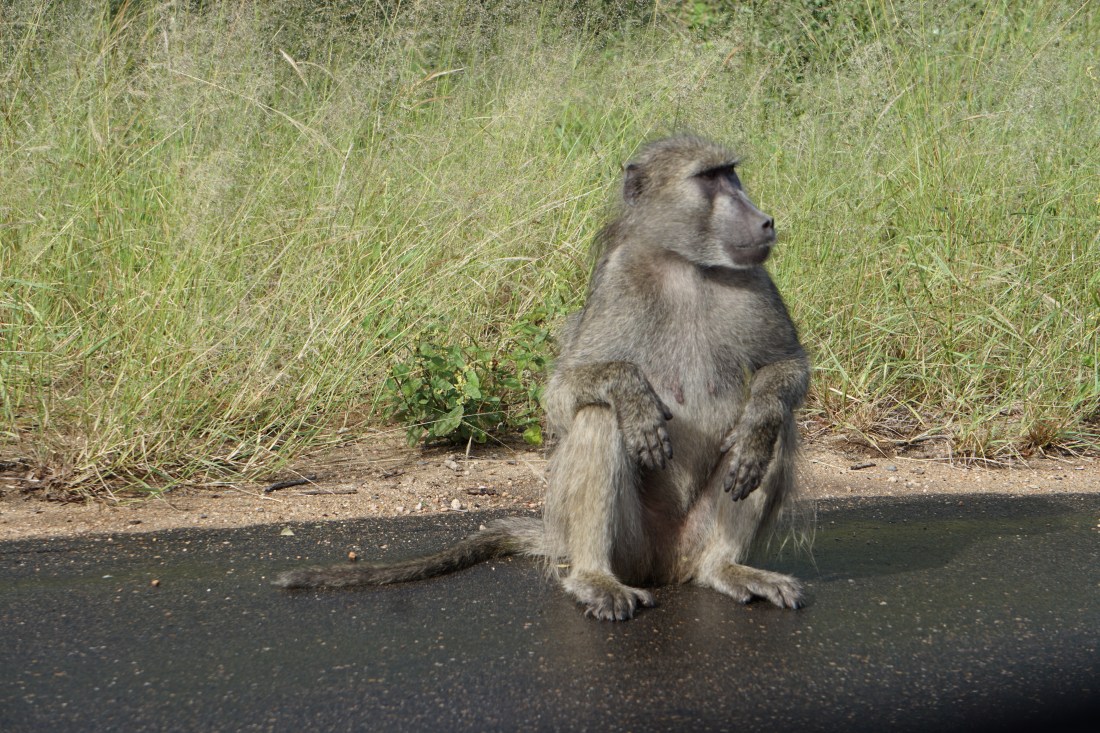
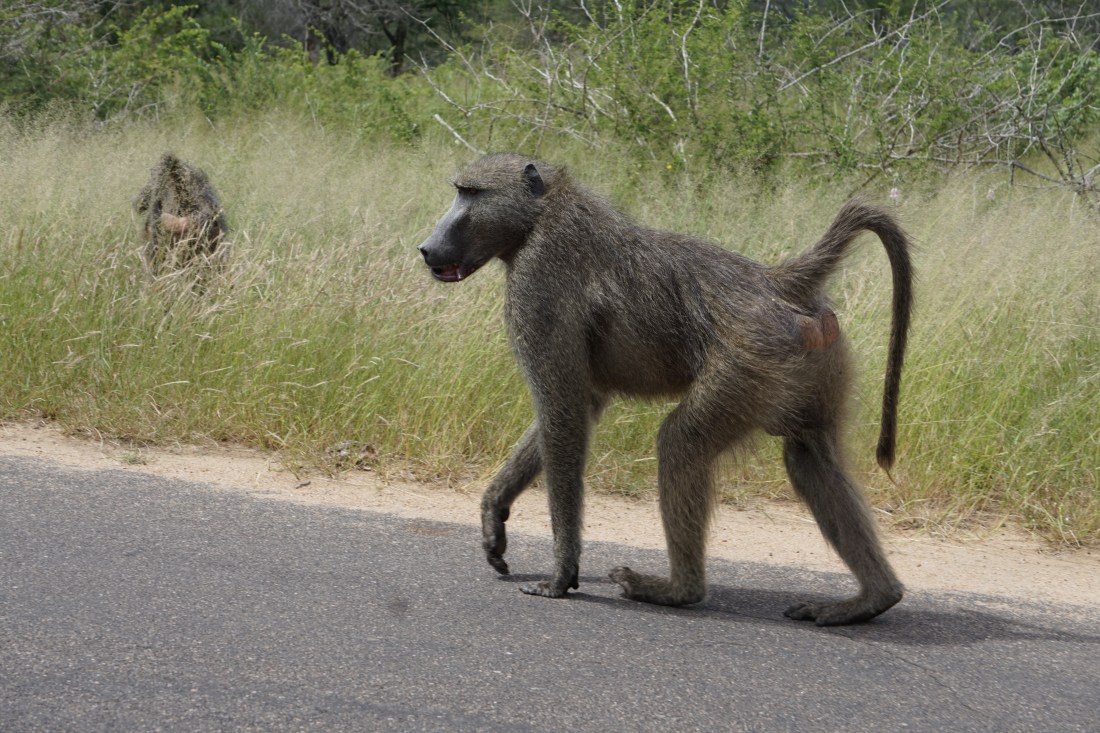
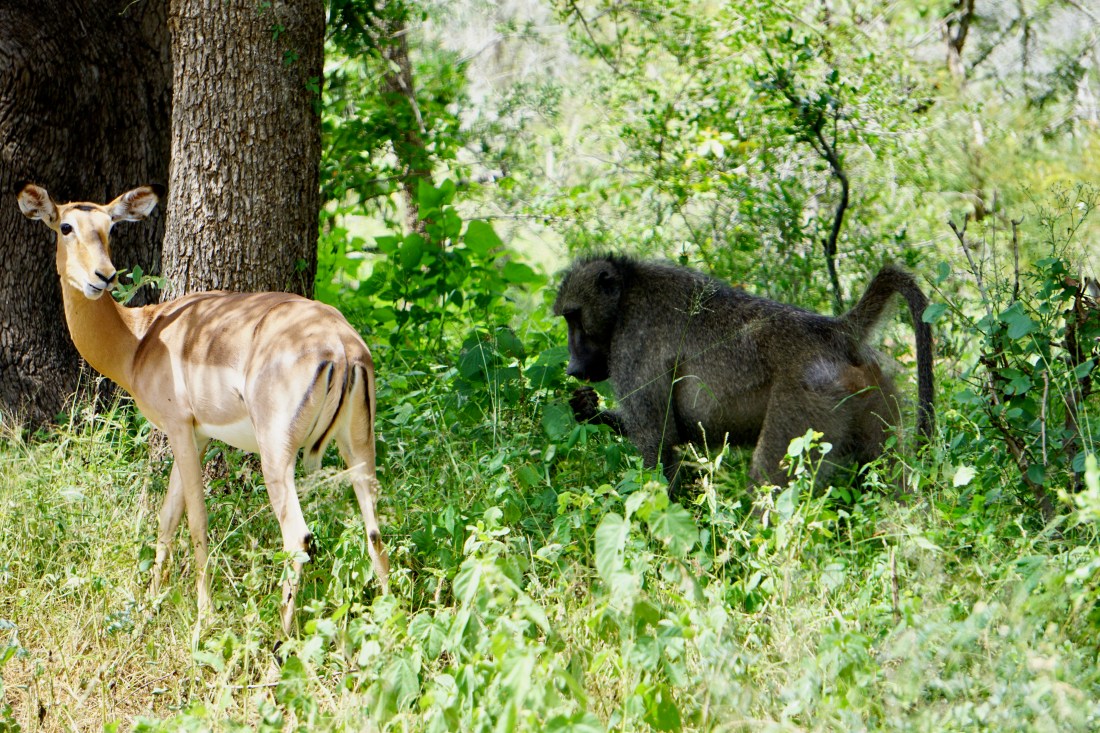
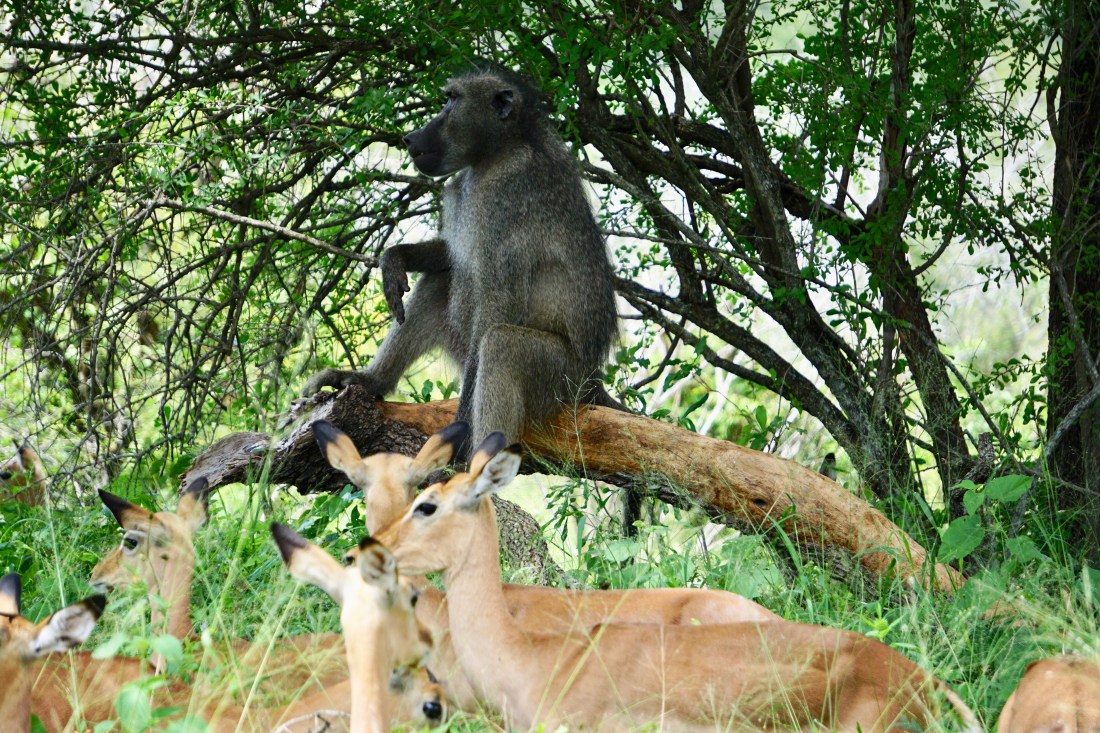
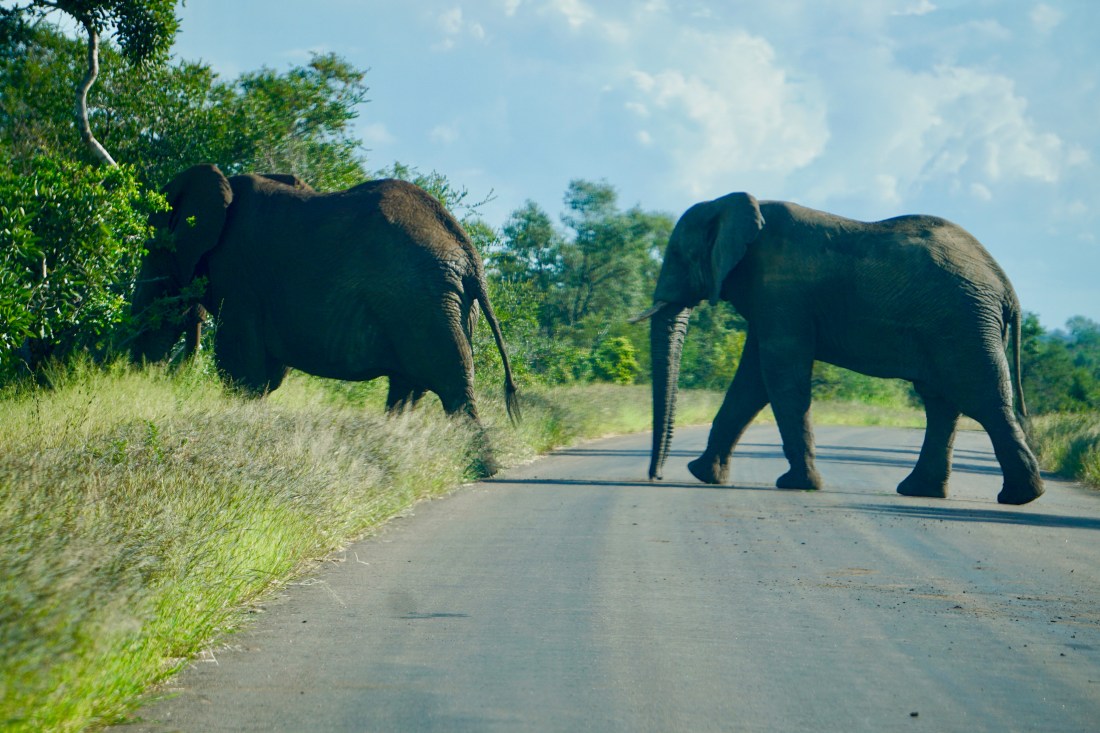
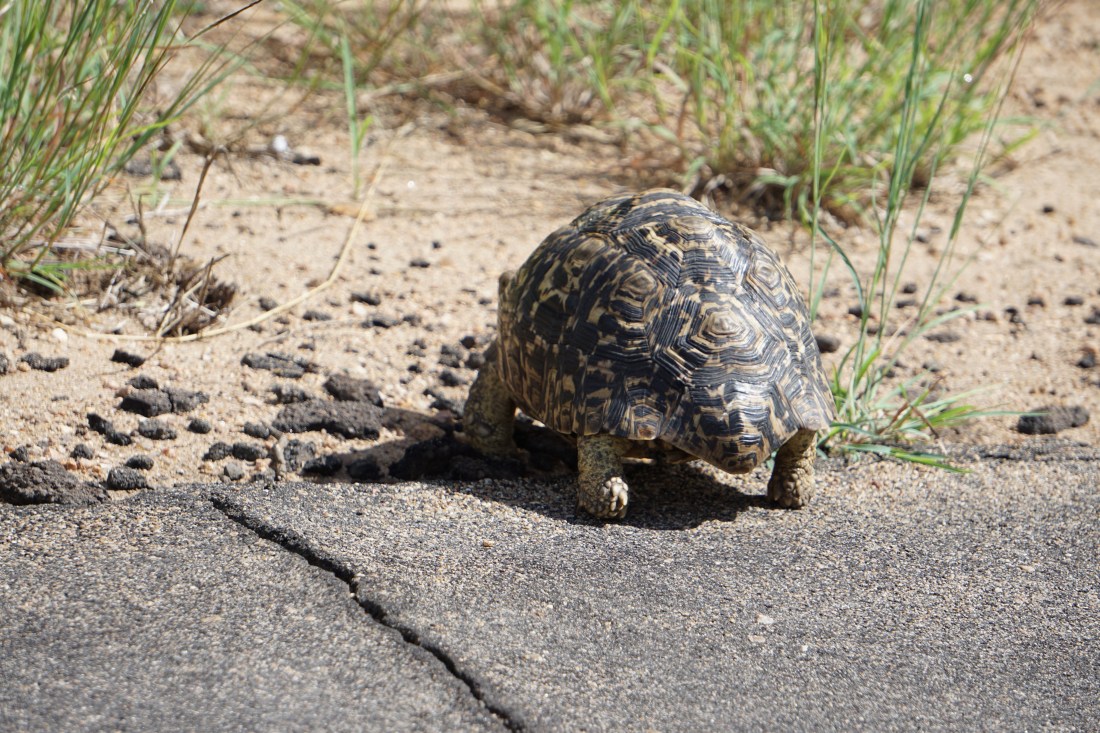
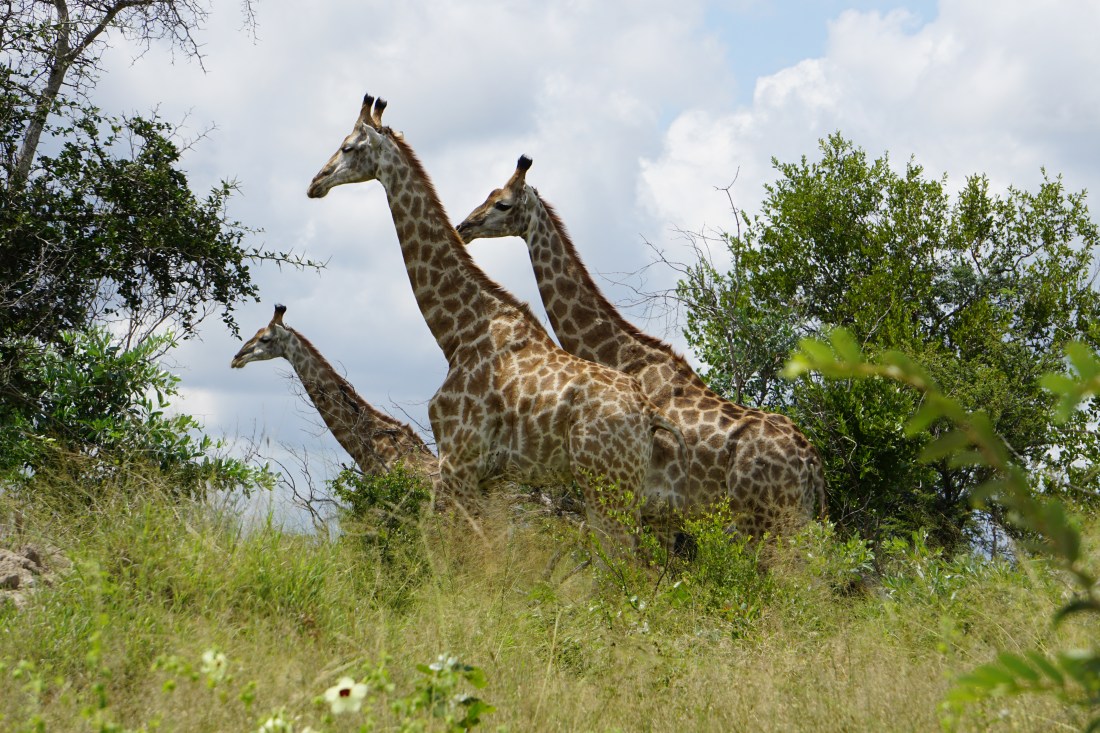
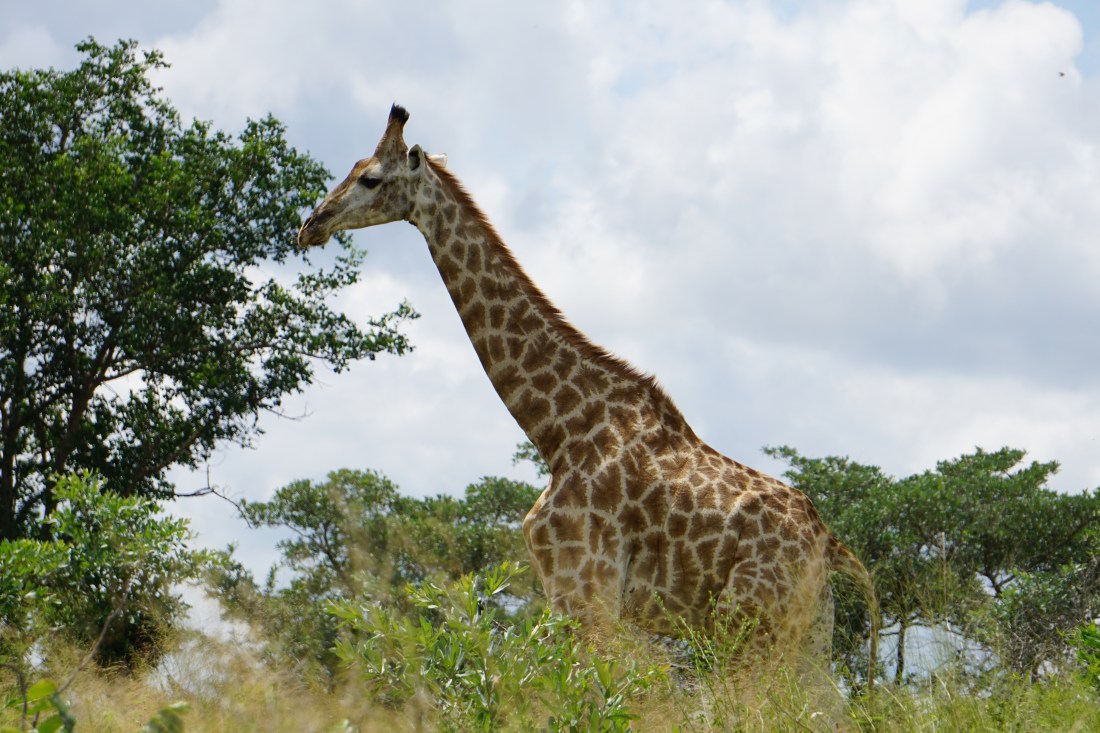
On Day 2 we saw giraffes, a baboon family, turtles and impala. We drove further North on dirt roads with not as many sightings today. As we were trying to get out of the gate for 6:00 before shutdown 2 elephants locked tusks on the road right in front of us. That caused us enough stress that I never even get a photo. We thought they were going to start fighting;  however it never happened. One just untangled himself and moved on. Whew! We later thought they were teenagers just playing around but definately not at the time. 

DSC05104

DSC05106

DSC05108

DSC05041

DSC05045

DSC05125

DSC05159

DSC05154

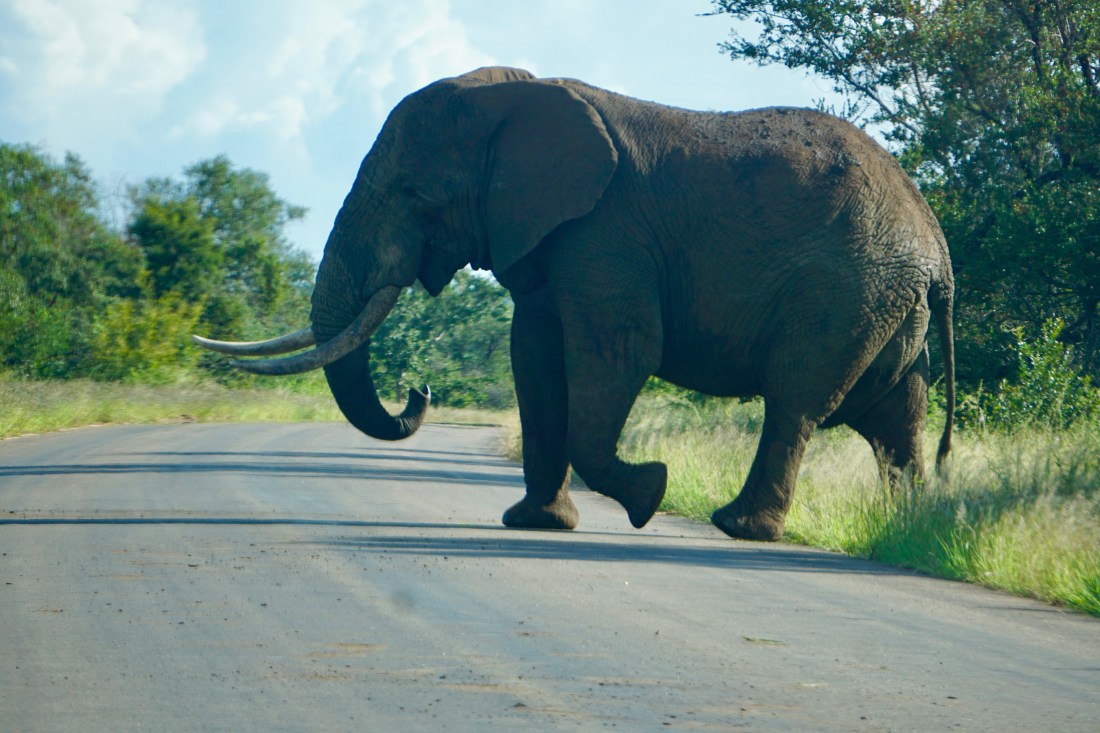
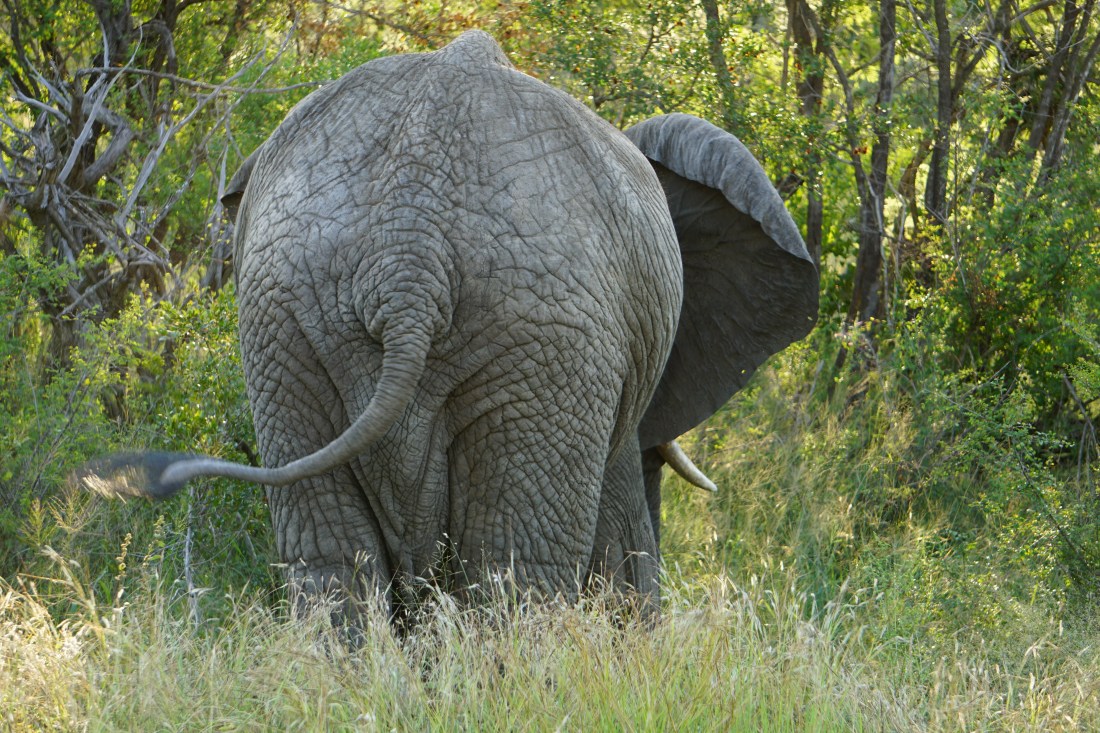
These fellows are so immense; it was awe inspiring when they emerged from the bush and not just a little breathtaking as were more than twice the size of our little rental car.


DSC05079 (1)

DSC05081 (1)


DSC05050

DSC05055

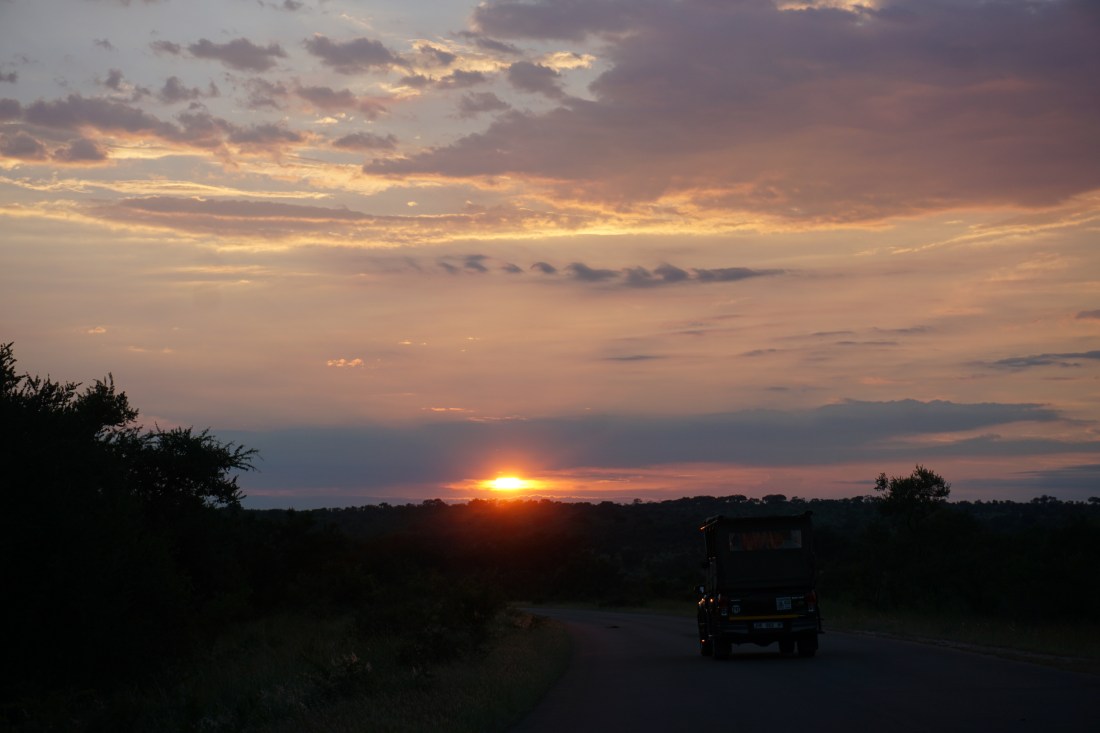
Perfect end to a great viewing day.

DSC05291


South Africa – Kruger National Park

March 22, 2019

On the way to Kruger Park,  we spent one night in Swaziland.  The tiny country is surrounded by South Africa and seemed quite peaceful and certainly very beautiful.  Its official name is now Eswatini.

We spent 4 full days at Kruger Park. Each day the gates close once a certain limit of vehicles has entered. We arrived on a long weekend plus school vacation so we were not able to get accommodation in the park. Hence we were up every morning at 3:30 and at the park gate by 5:00. Traveling as far as we had to see the park we did not want to miss  possibly not entering one day. It did mean seeing some lovely sunrises.

DSC04901

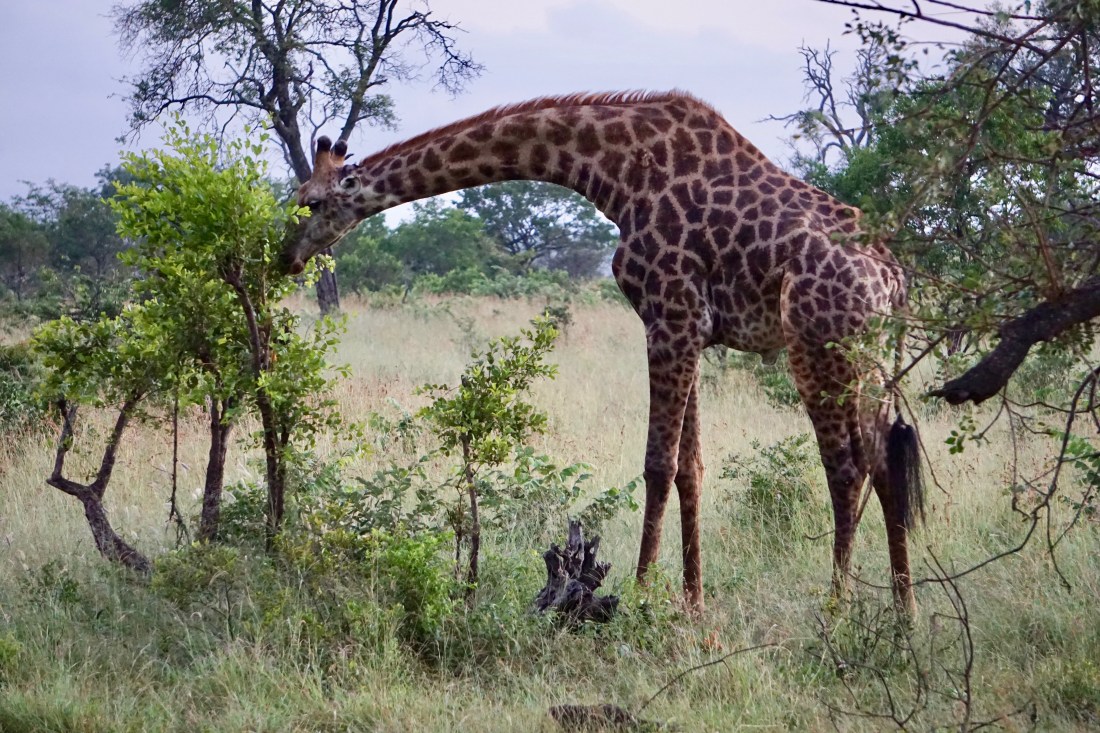
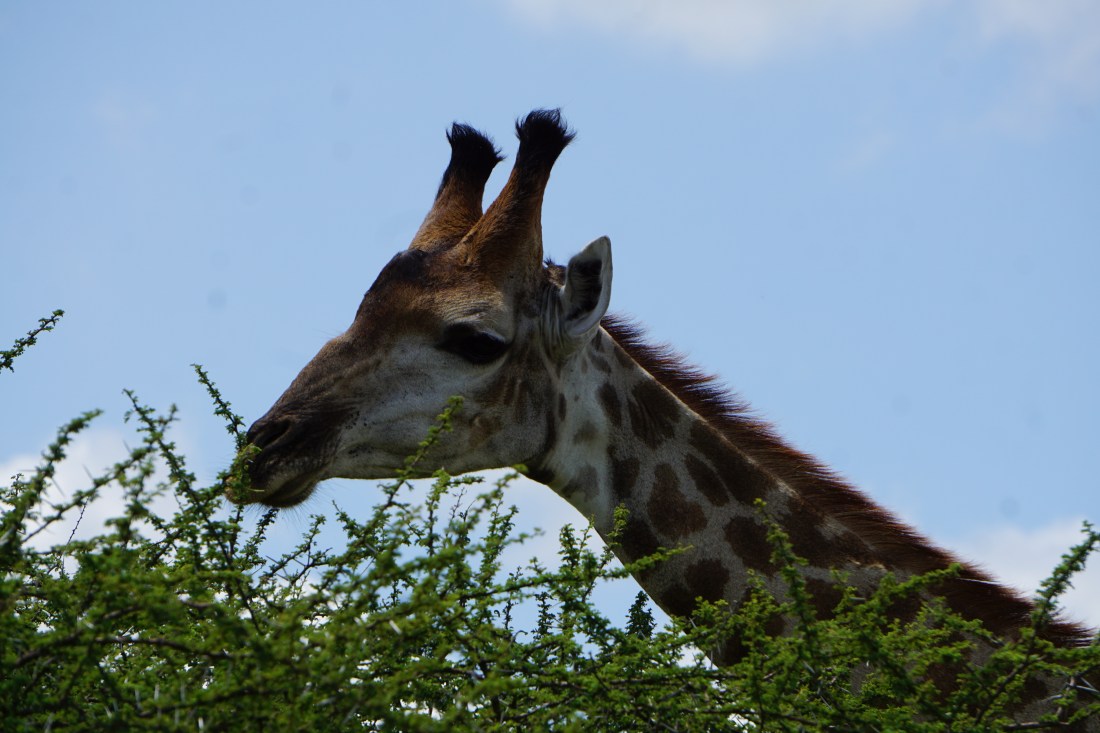
On day 1 we were blessed to see many giraffes and impalas as well as a baboon barking in a tree. Birds and warthogs were also on our day 1 list of sightings.

DSC04986

DSC04989

DSC04979

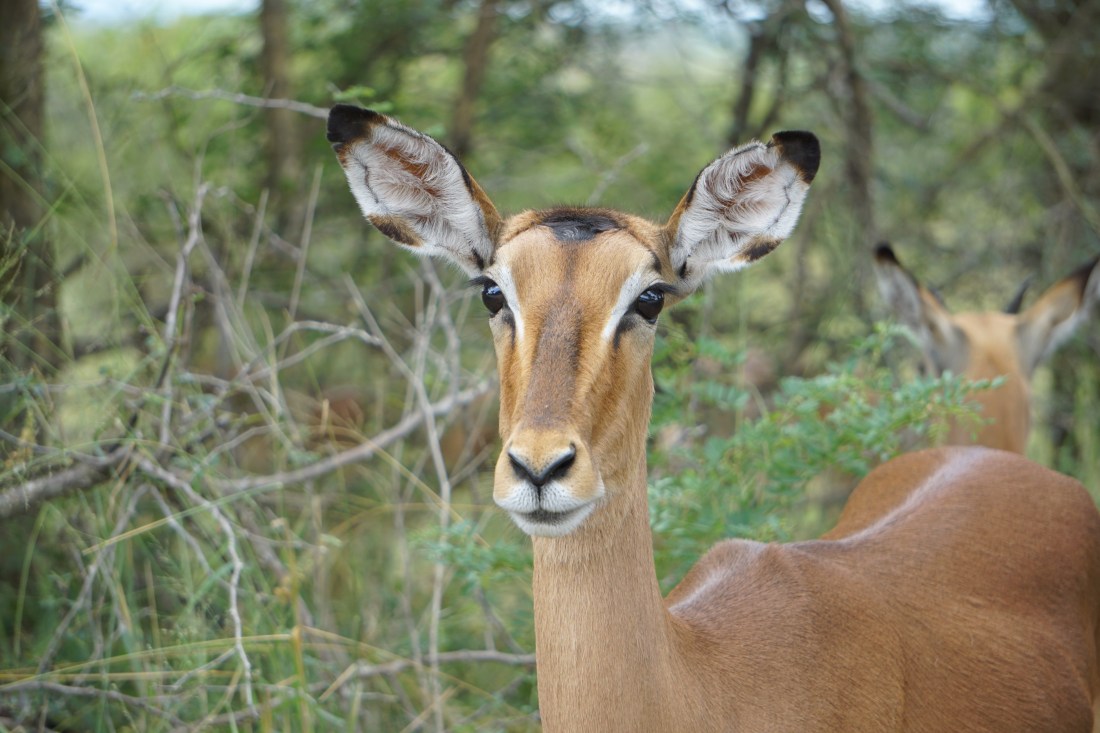
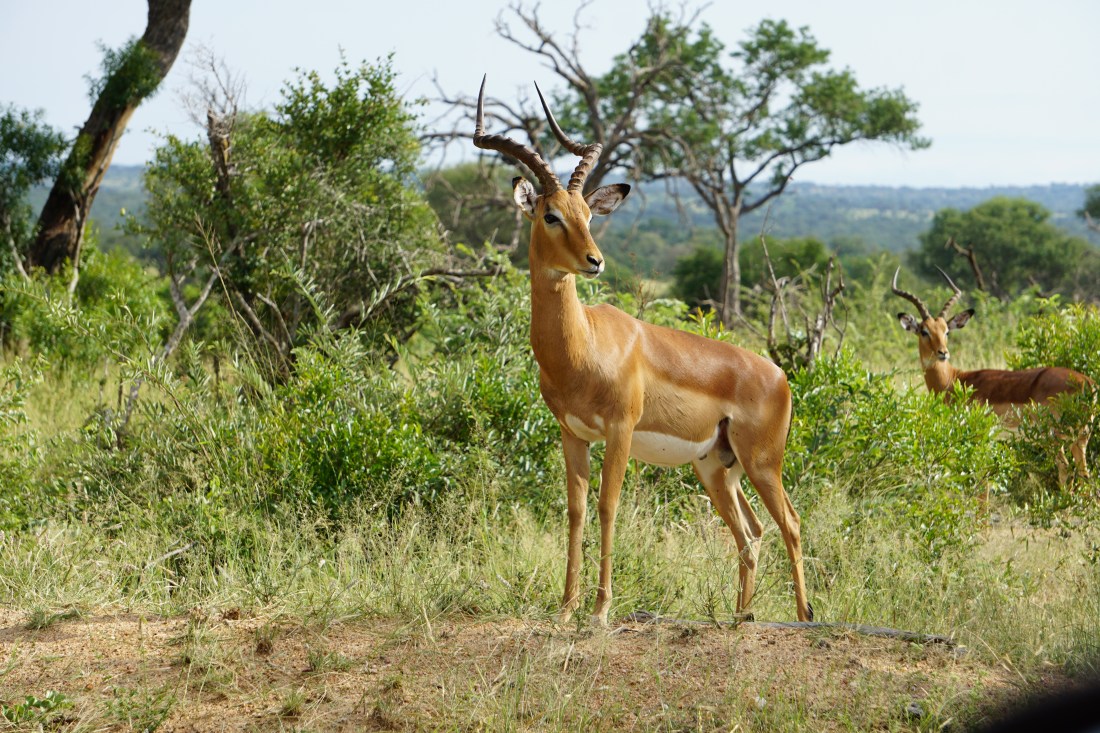
The impalas were so beautiful and everywhere.

DSC05010

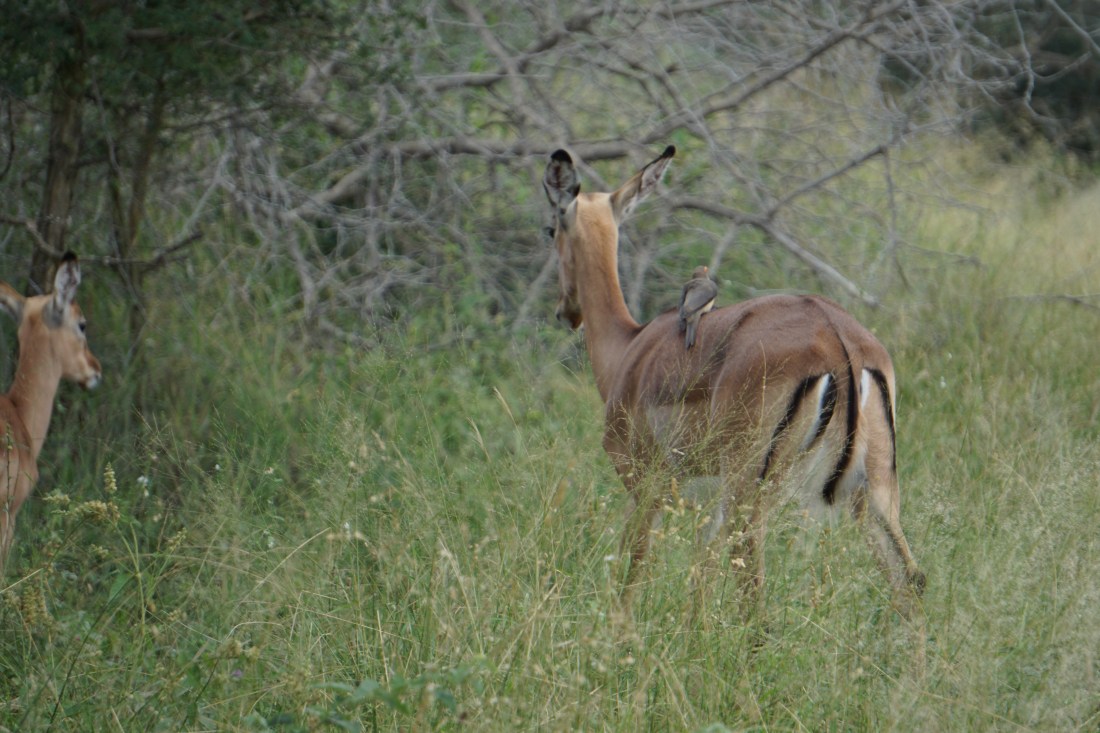
Here you can see an oxpecker on his back.

DSC05008

DSC04955


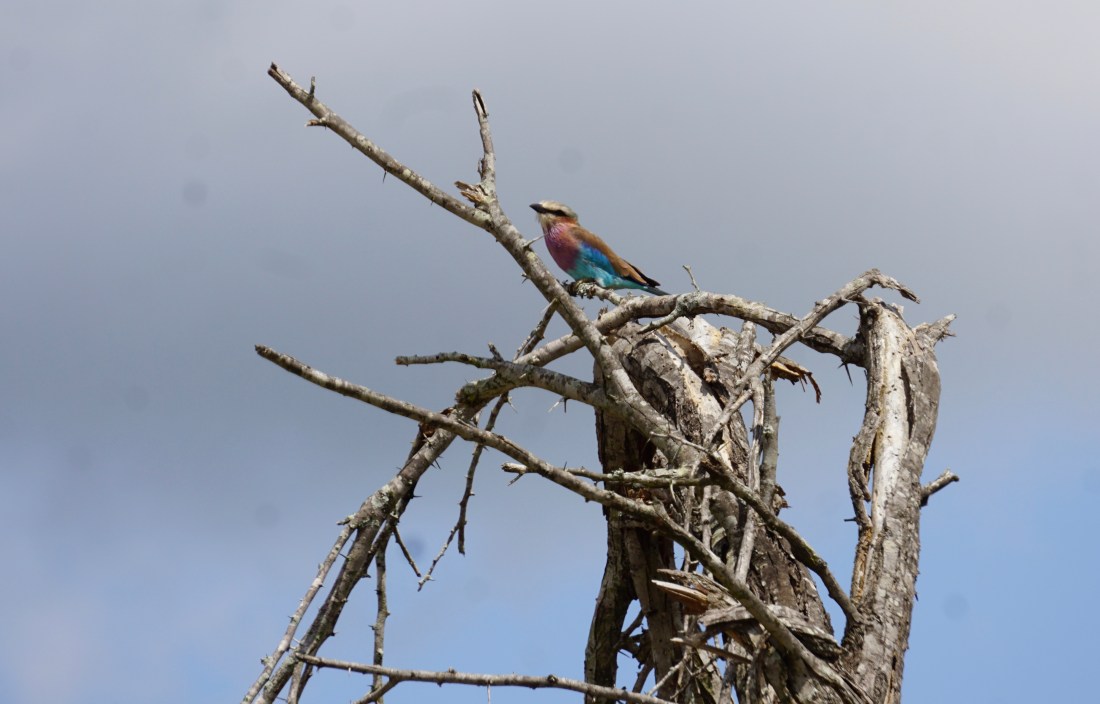
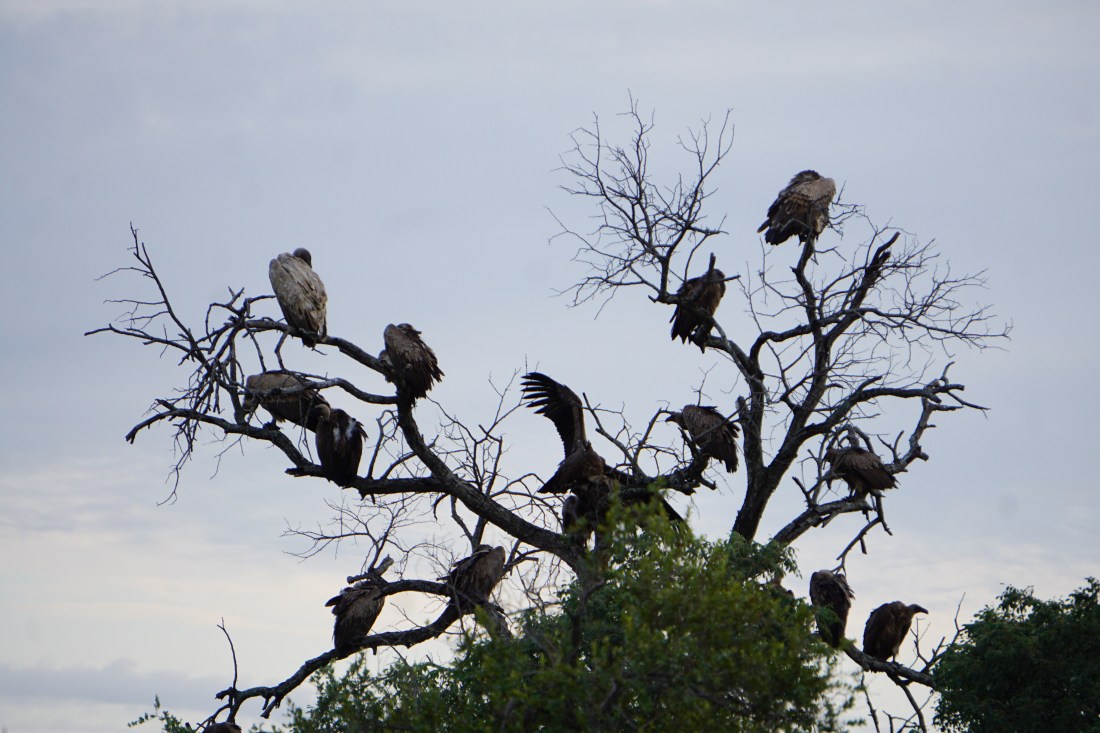
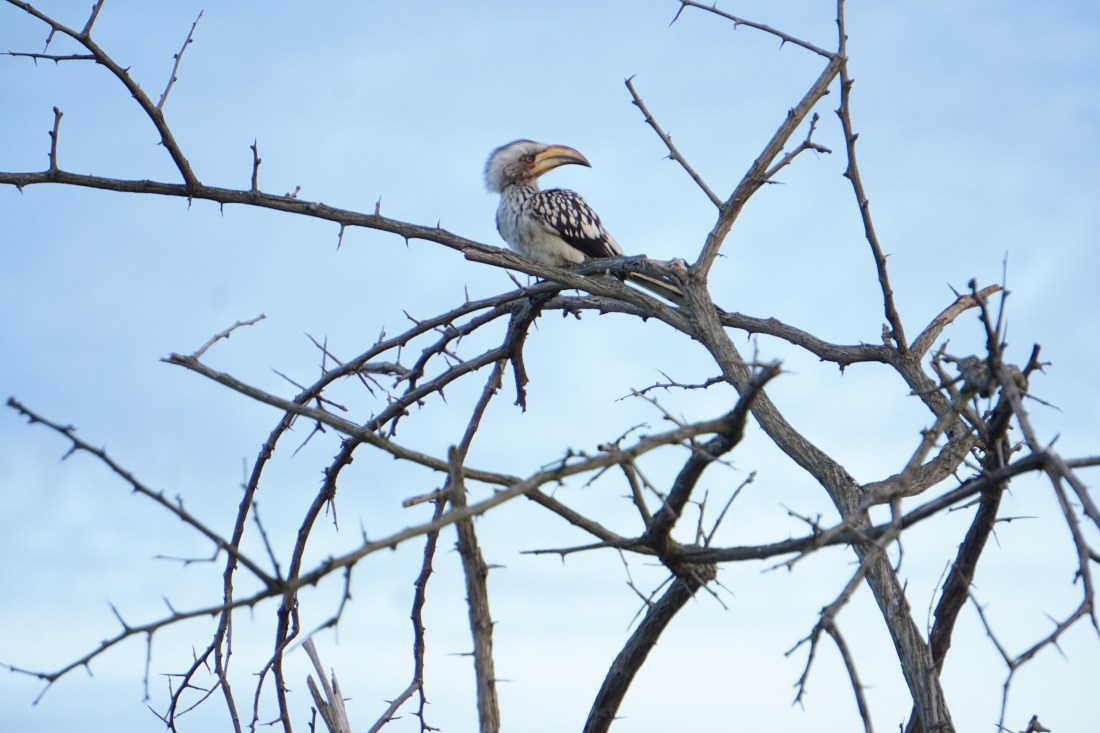
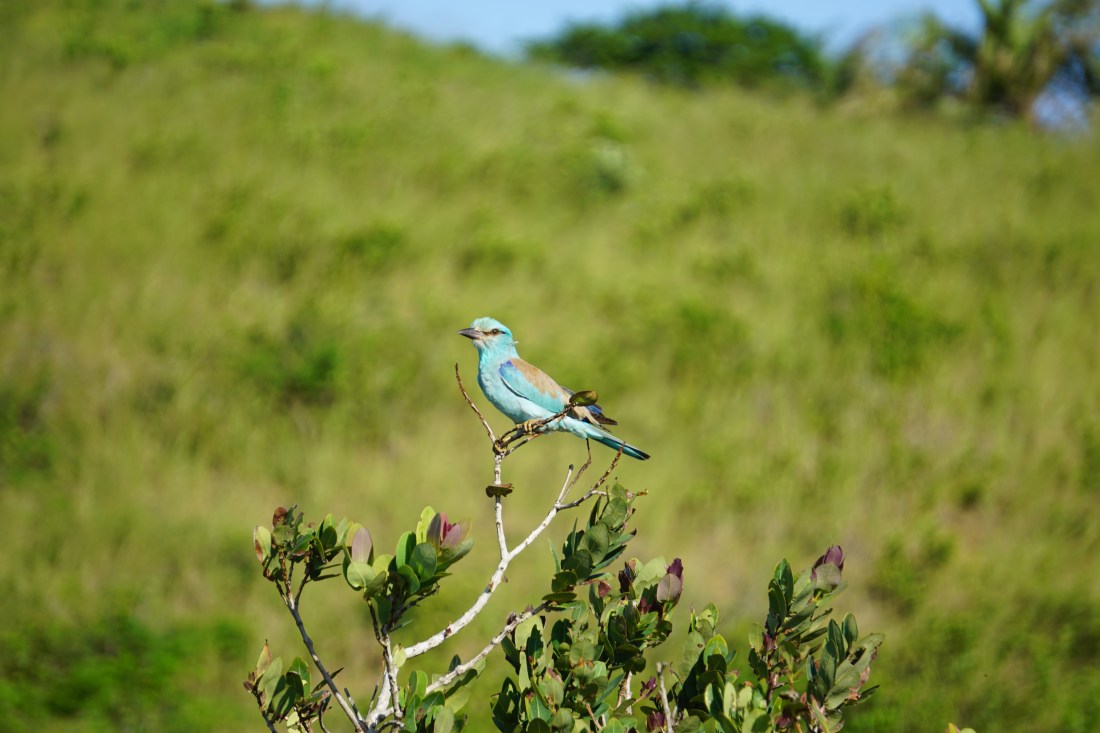
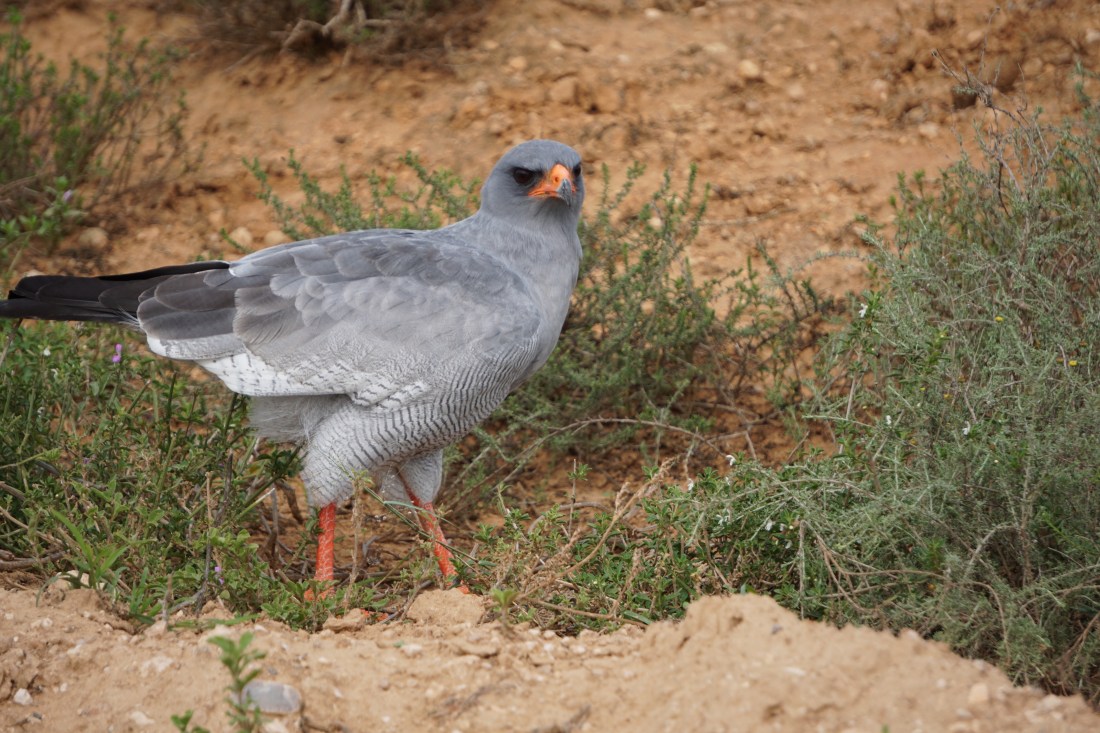
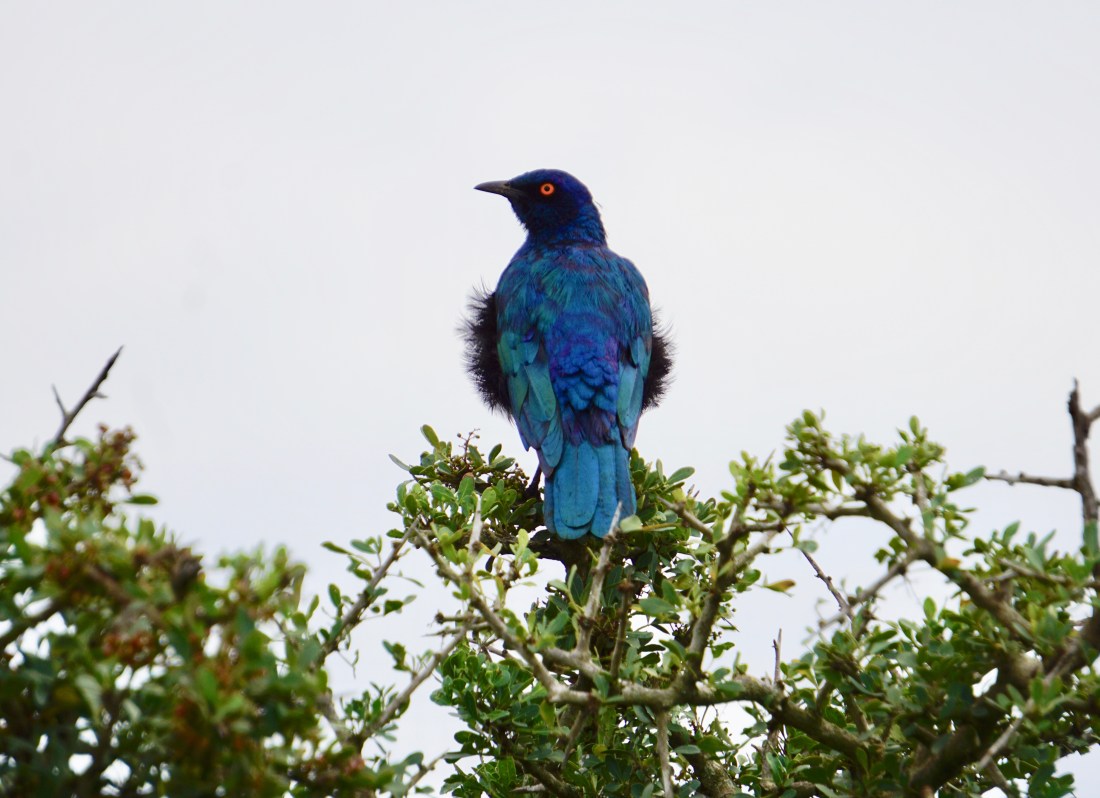
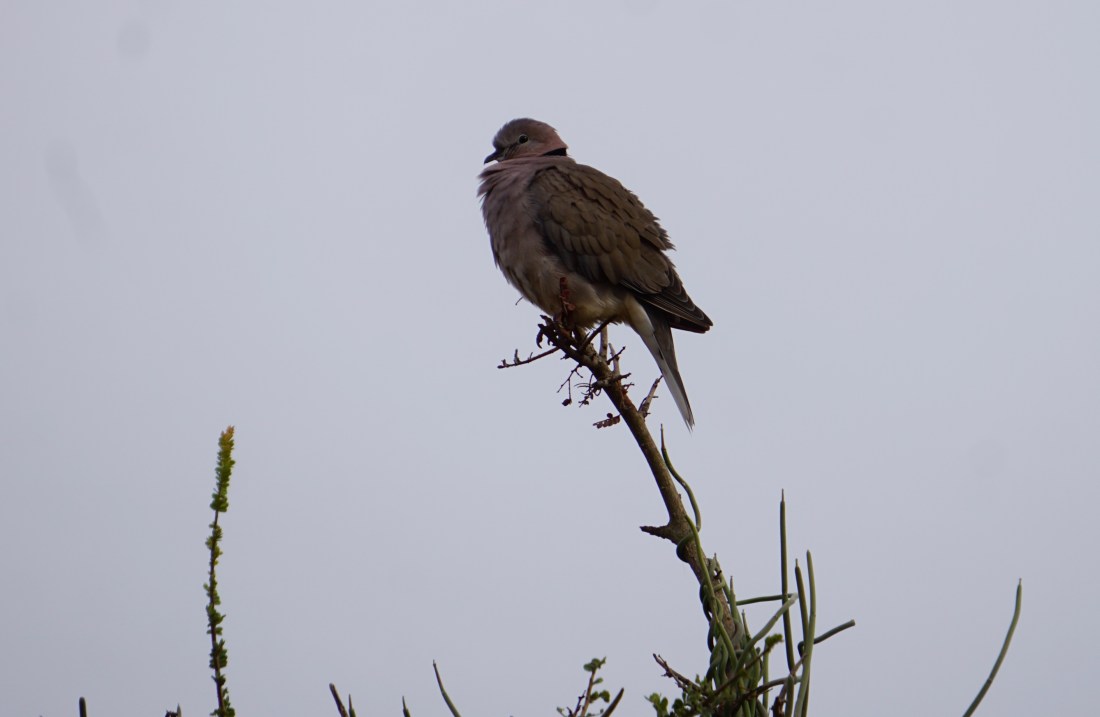
The variety of birds was incredibe.

DSC04964

DSC04926

DSC04919

This baboon in the tree was a real surprise as we were parked near the tree and could not figure out where this intermintant sound was coming from.

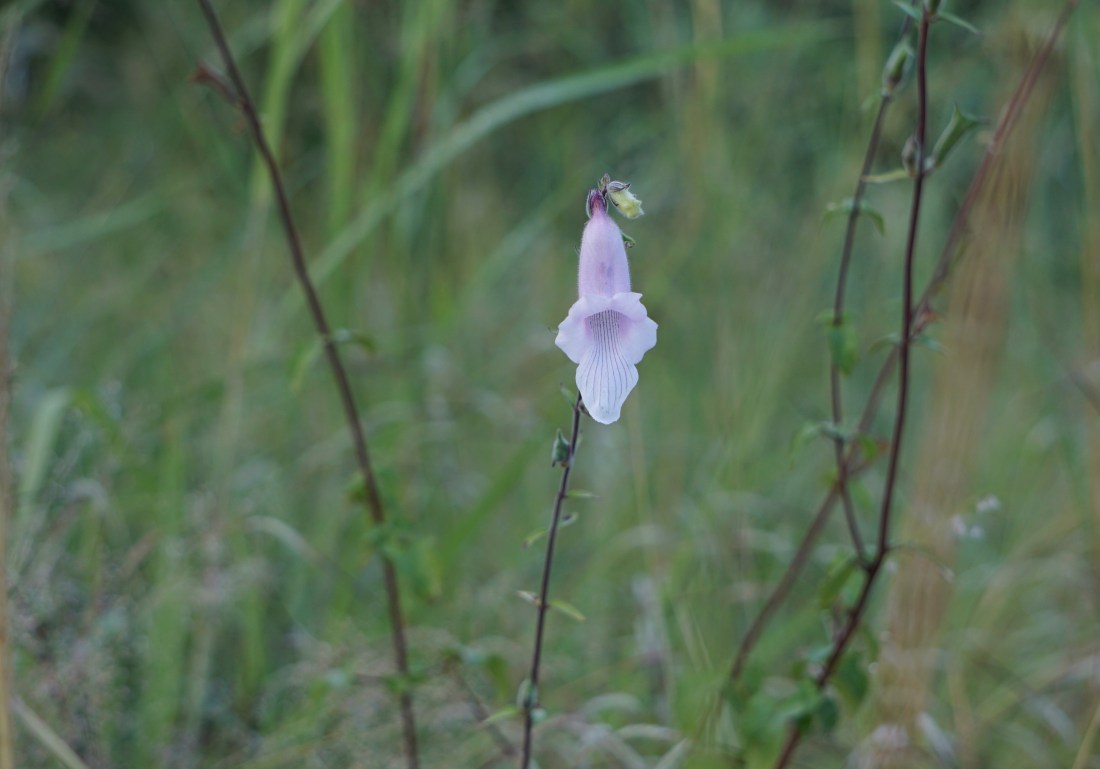
Flowers were not in abundance but those we saw were exsquisite.

DSC04924

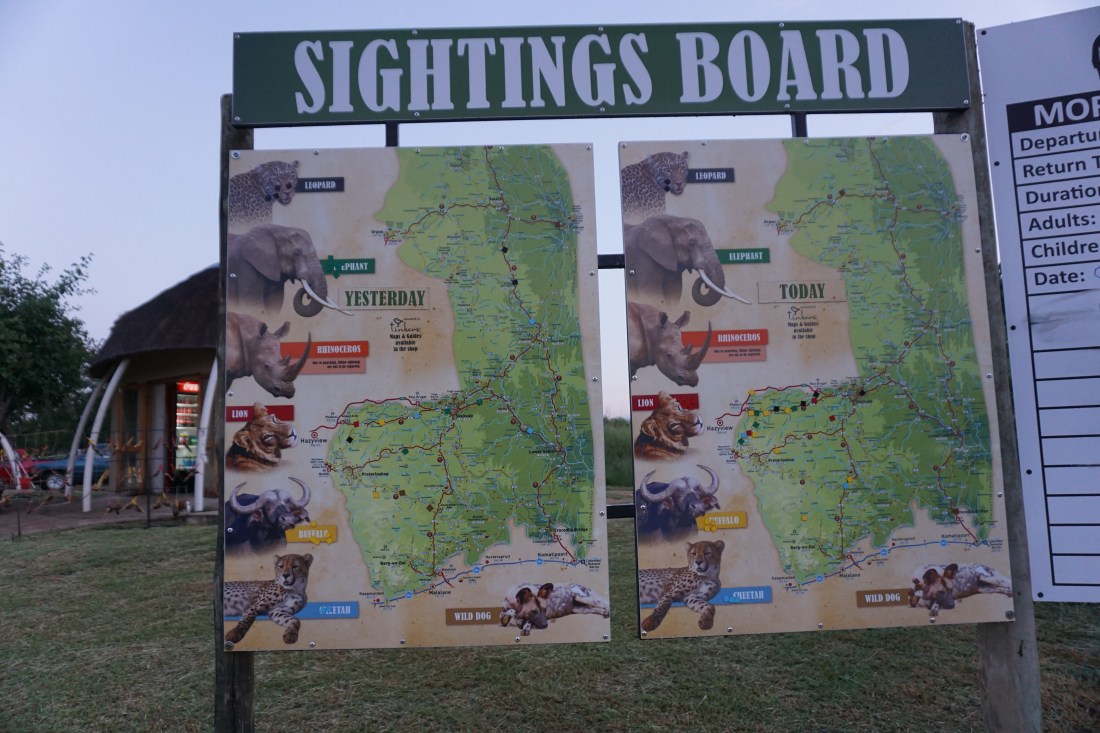
Kruger had five entrances. At each entrance was a sighting board so it gave you an idea in which direction to drive that day depending on what animals you wanted to see. The only sighting people were asked not to mark was that of the Rhino because poachers are a big problem and any information could be used by them to find one.  We were even asked not to use our mobile phones to tell others about the location of a rhino if one was spotted.

DSC04900

South Africa – KwaZulu Natal Province

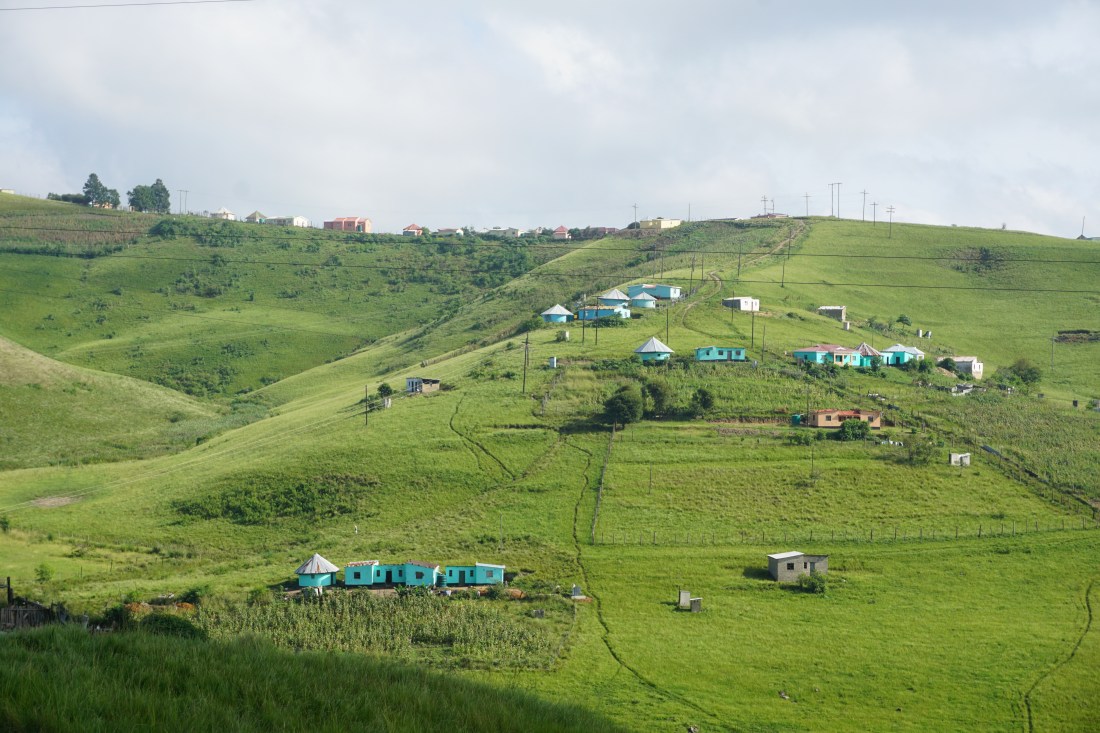
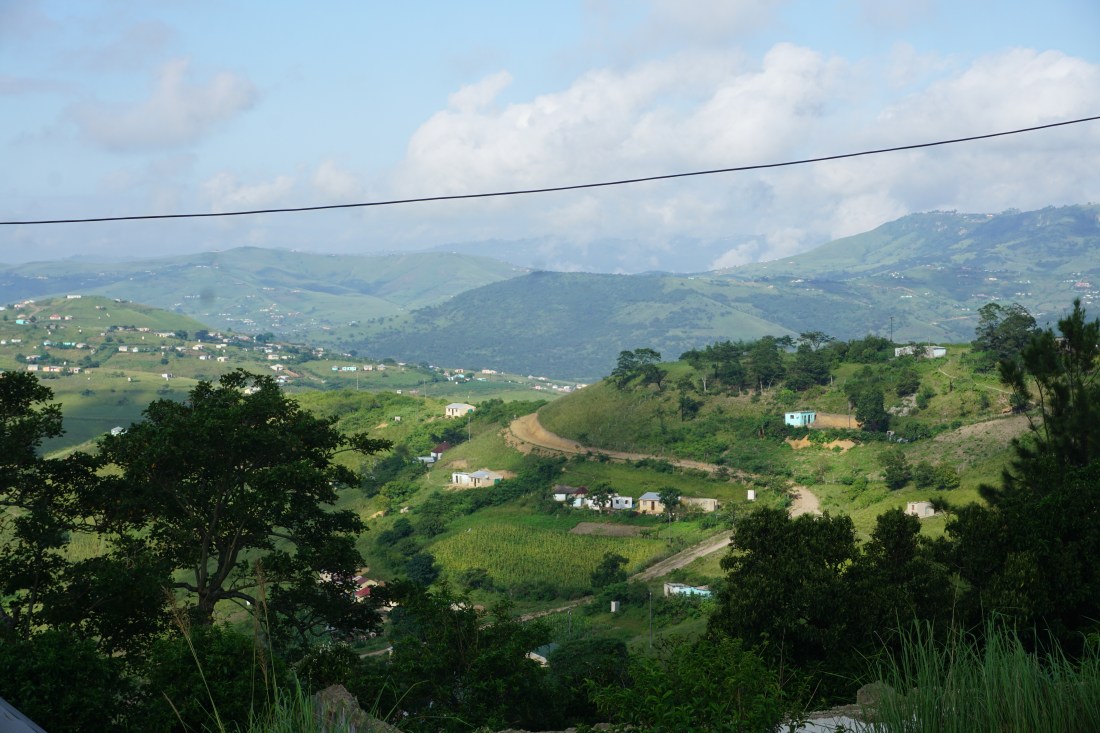
We traveled through the Transkei in KwaZulu Natal Province, with its rolling hills, winding roads and beautiful scenery. This was the area during the Apartheid years that was declared a Zulu homeland with its own “self government”.  In fact, the national government in Pretoria was in complete control.  The homeland was terribly overpopulated, with the local people needing a passbook to venture outside their territory.  After Apartheid was dismantled in the nineties, the Transkei became a region of the province.

DSC04638

DSC04640

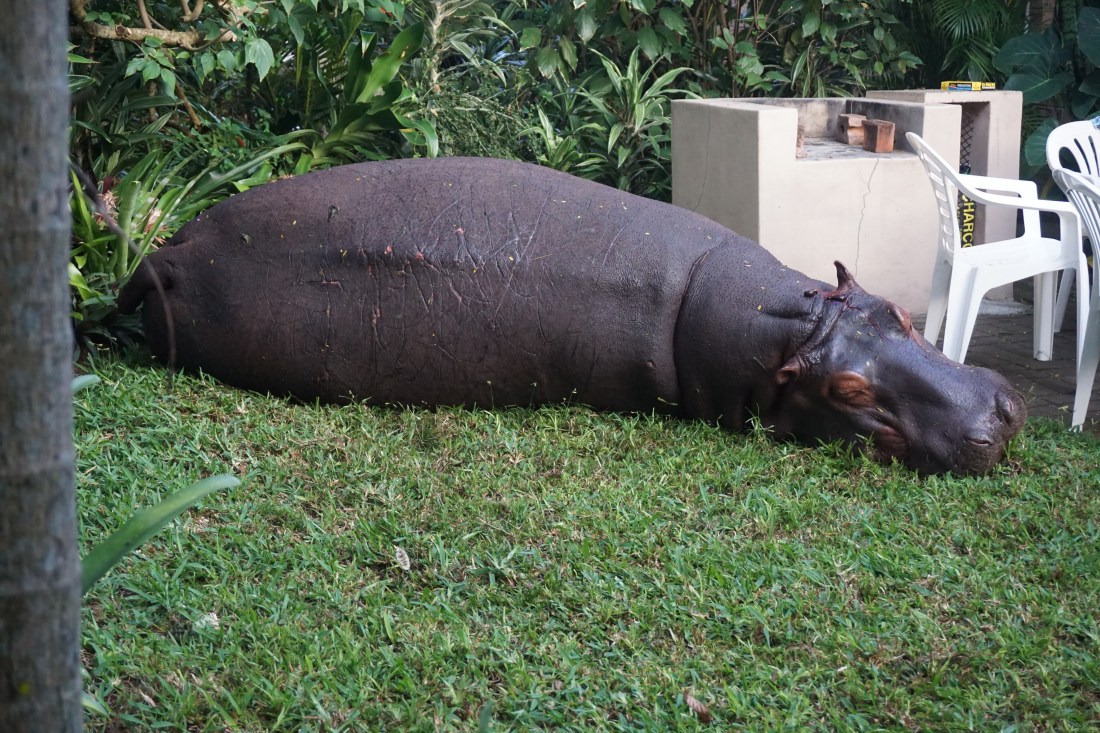
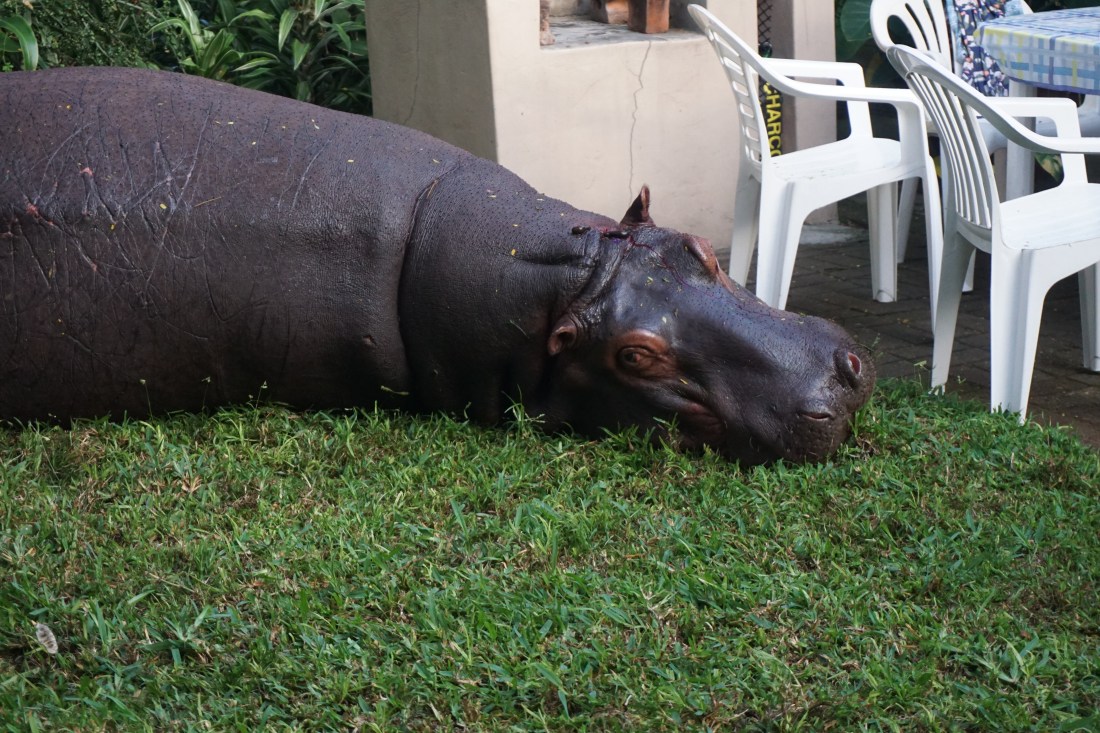
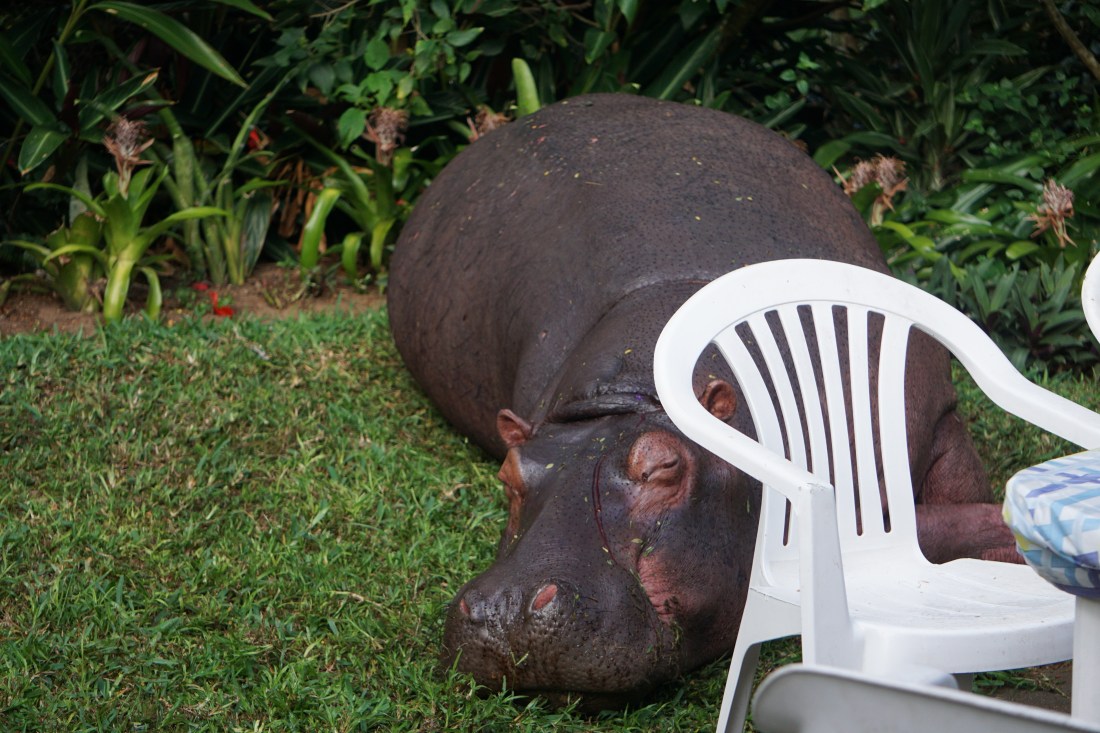
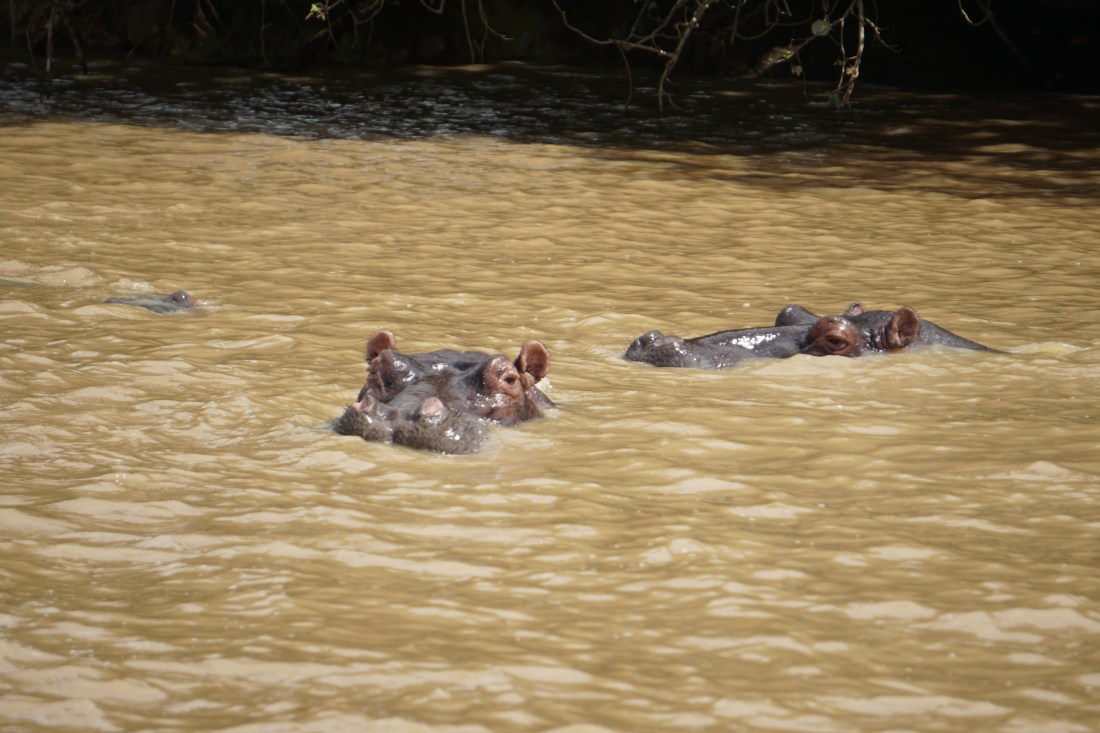
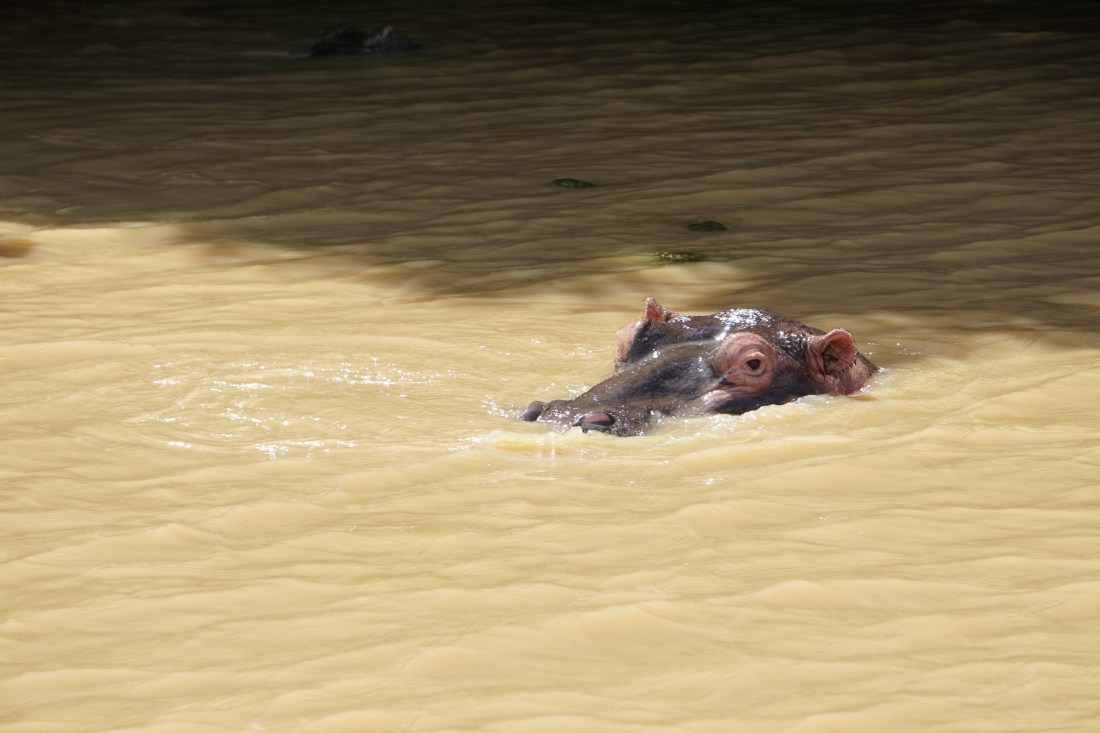
At Saint Lucia, we did a trip on the lake to see the hippos but the one in our yard was by far the best possible sighting. The owner, where we were staying, knocked on our door at 6:30 in morning to tell us a hippo was sleeping in the yard. He was a young bull. They only come out at night because the sun actually burns their skin. Hipo’s are one of the most dangerous animals in Africa being responsible for more fatalities than any other animal.

DSC04647

DSC04648

Checking out the sleeping hippo.

DSC04654

The people whose unit he was sleeping in front of let me in their back door.

DSC04656

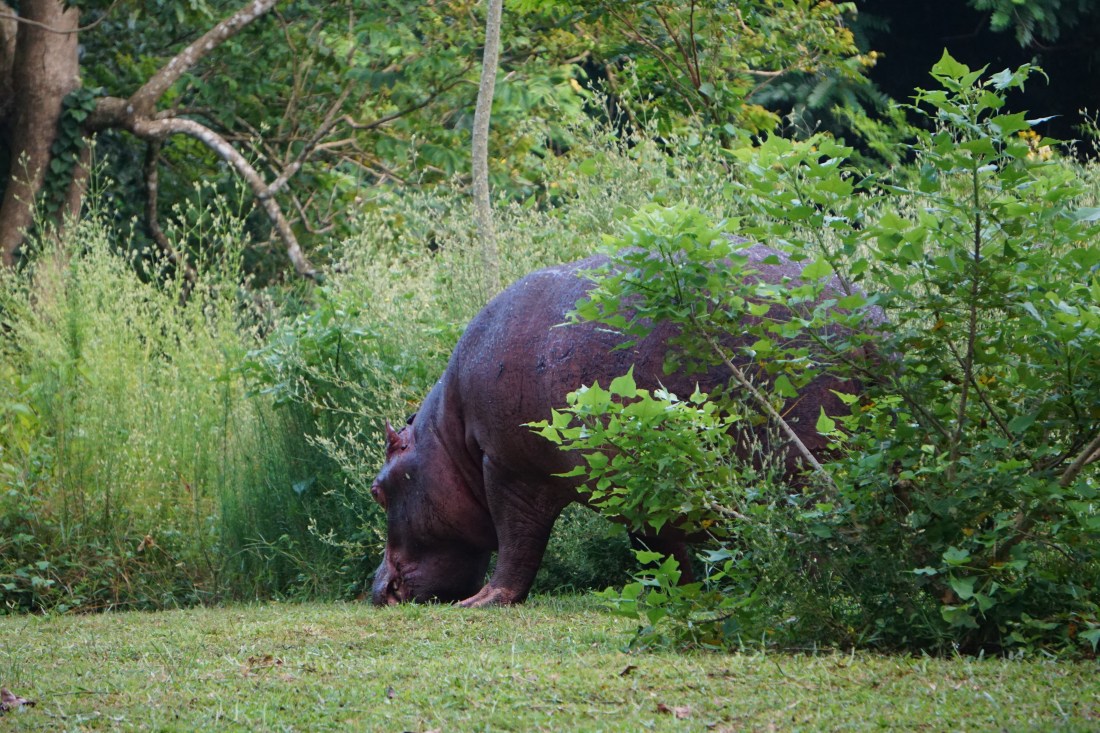
At 4:00 AM, I got up because I could hear him eating right outside our unit.  This was a young bull that was being attacked by a large male in the group so he was on his own a lot. He would regularly come to the yard  to escape his much bigger adversary.


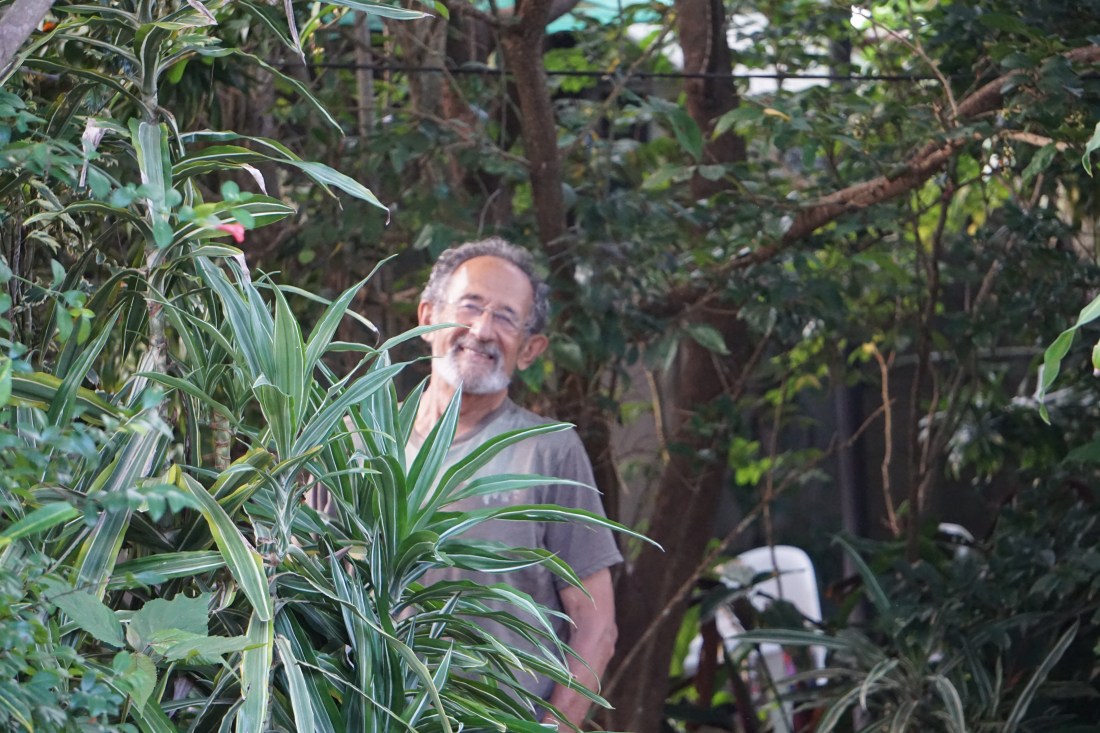
Right where John was standing a minute ago.

DSC04661

DSC04667

The boat trip provided some great views but of course all the hippos were in the water.

DSC04728

DSC04683

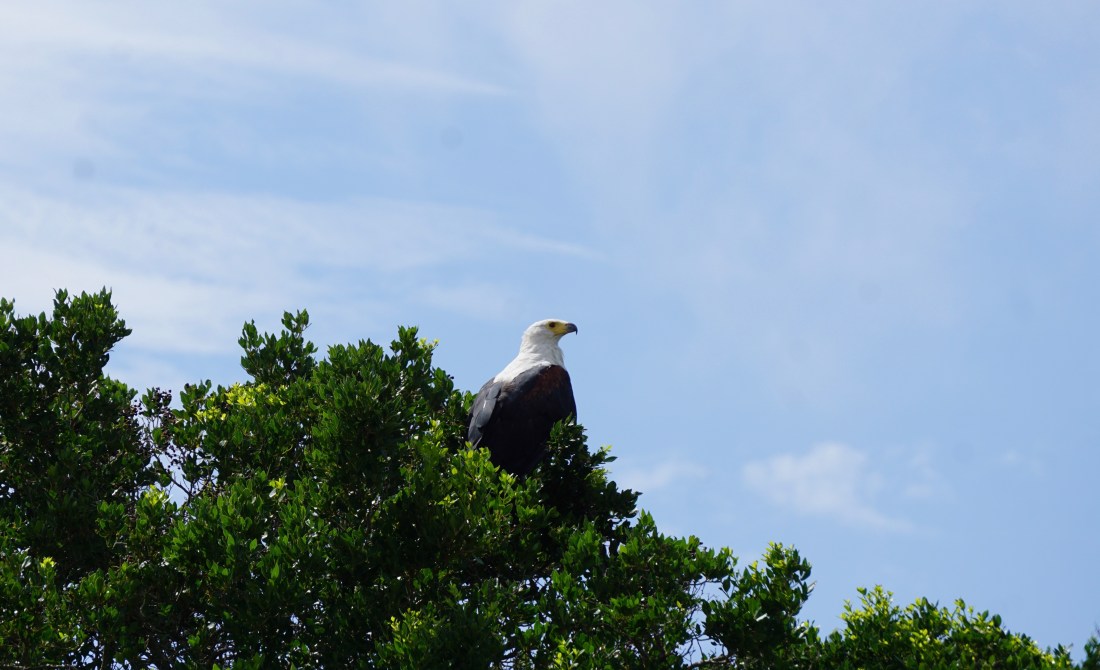
African fish eagle

DSC04693

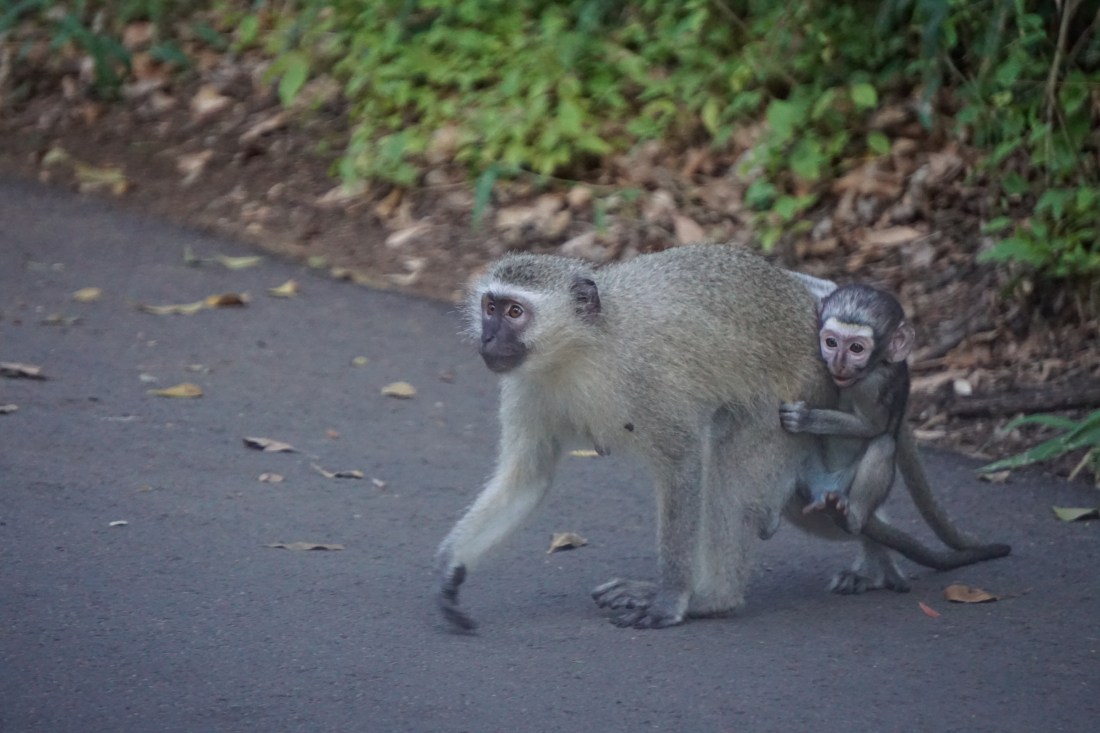
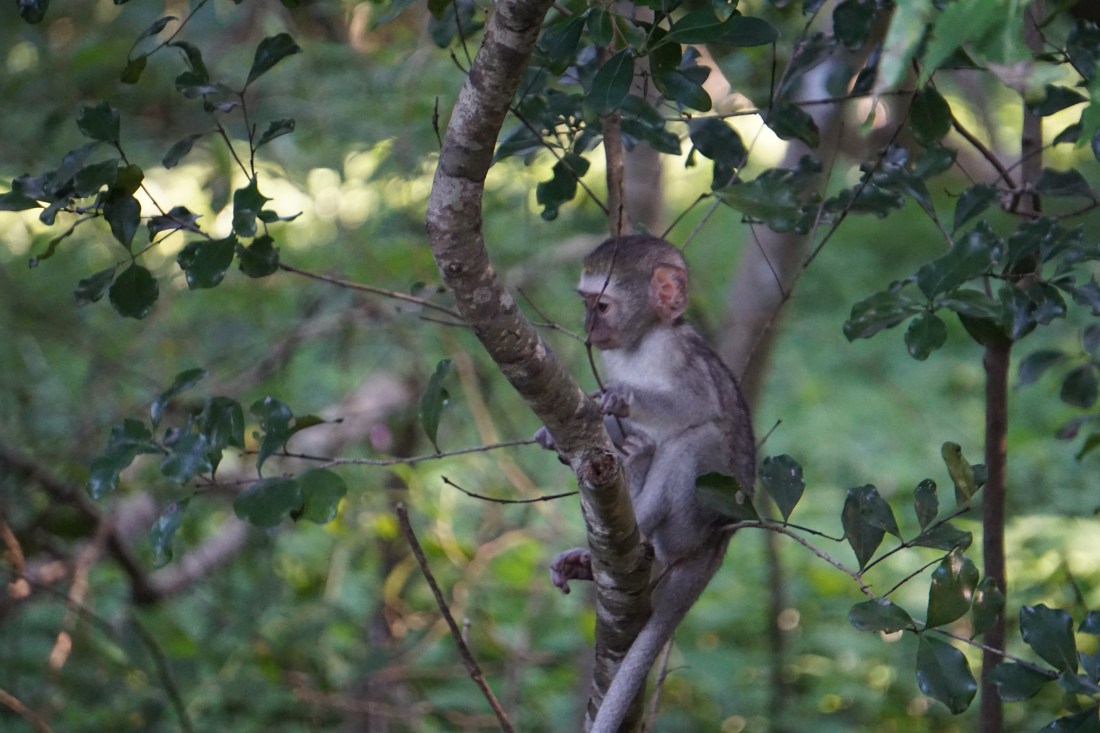
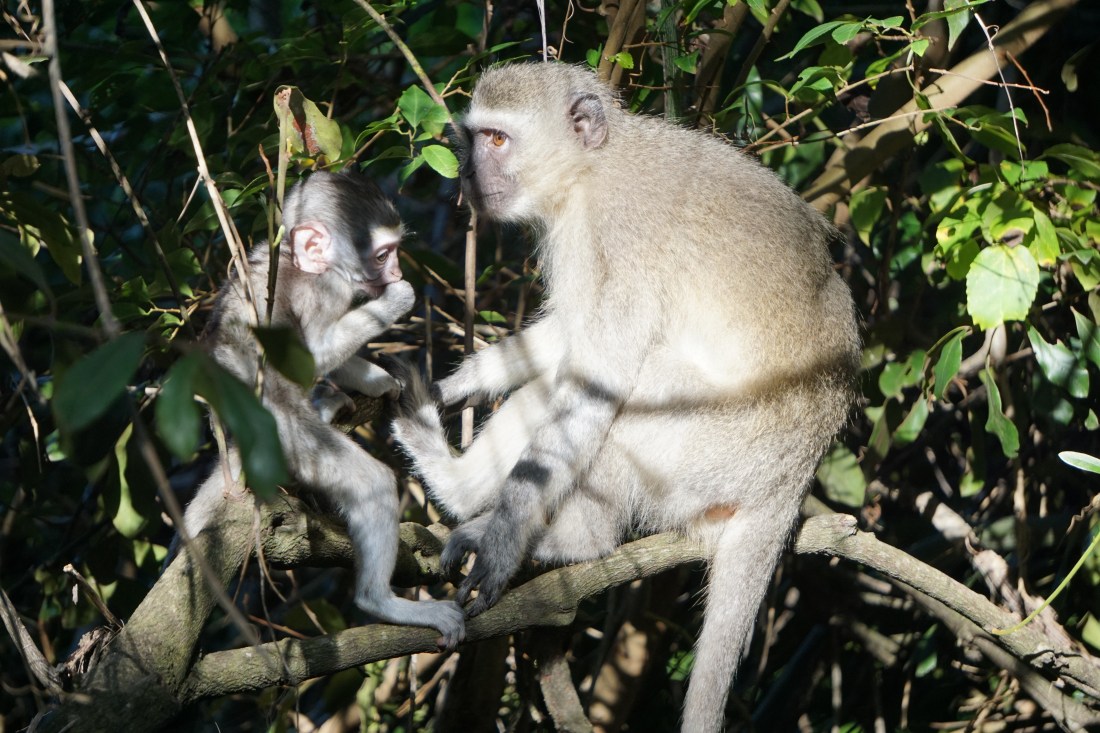
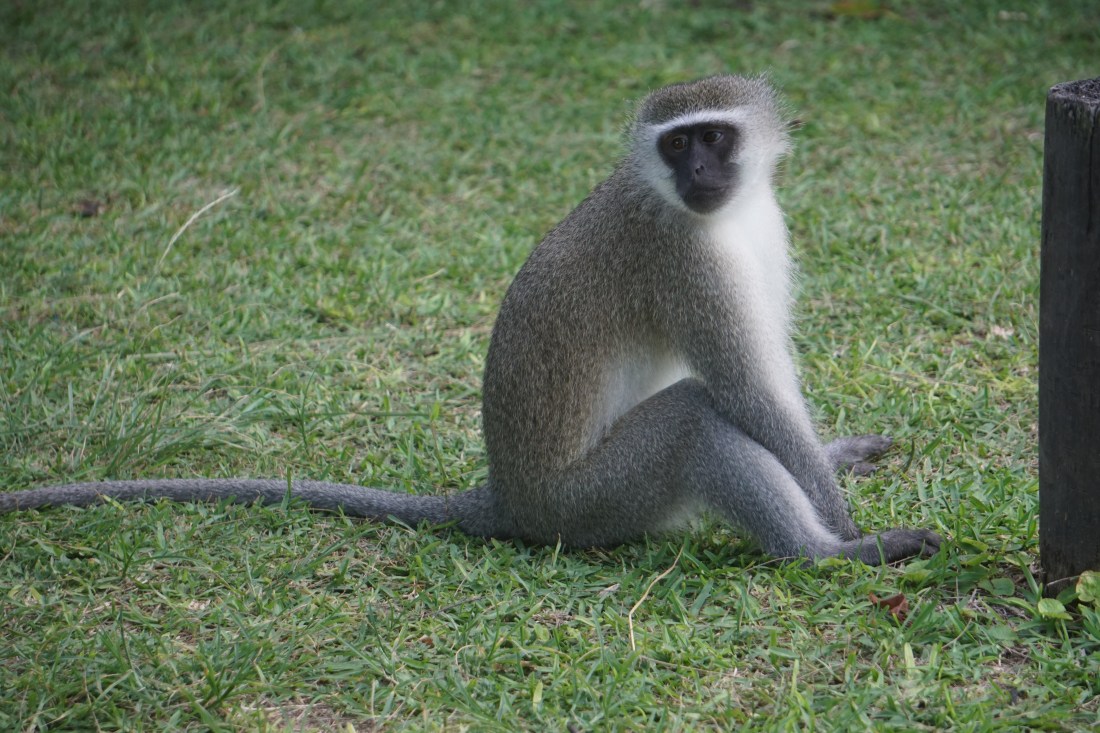
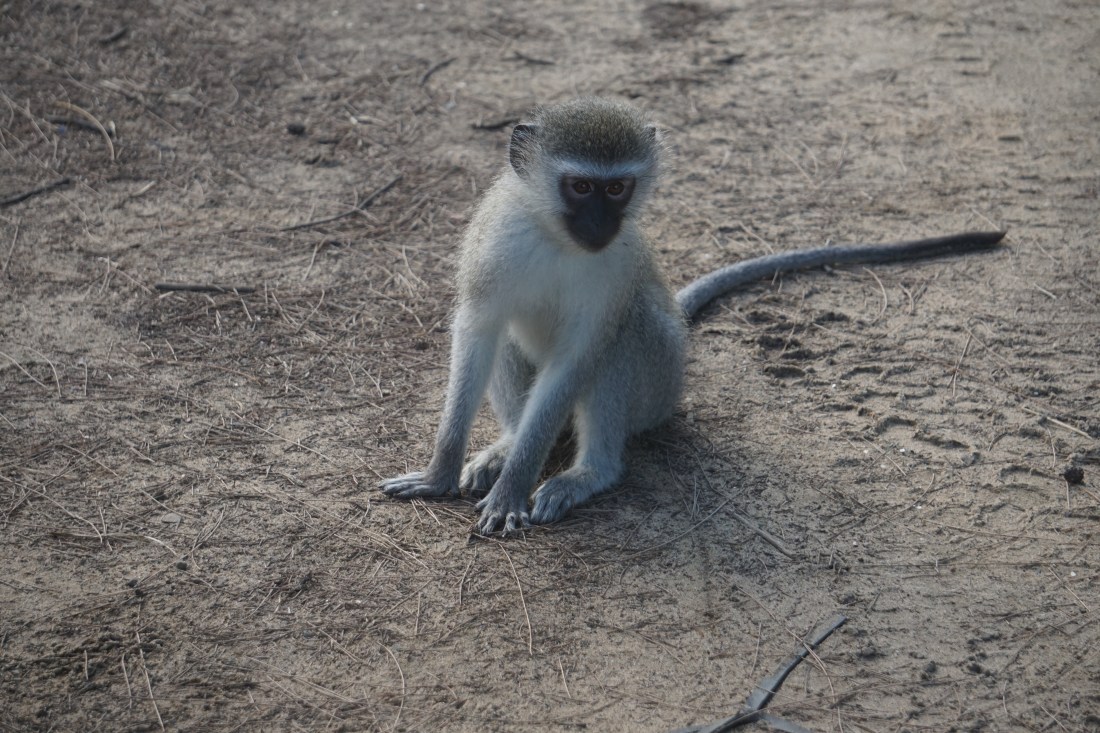
The Saint Lucia game preserve was a haven for monkeys.

DSC04781

DSC04793

DSC04790


DSC04859

DSC04865

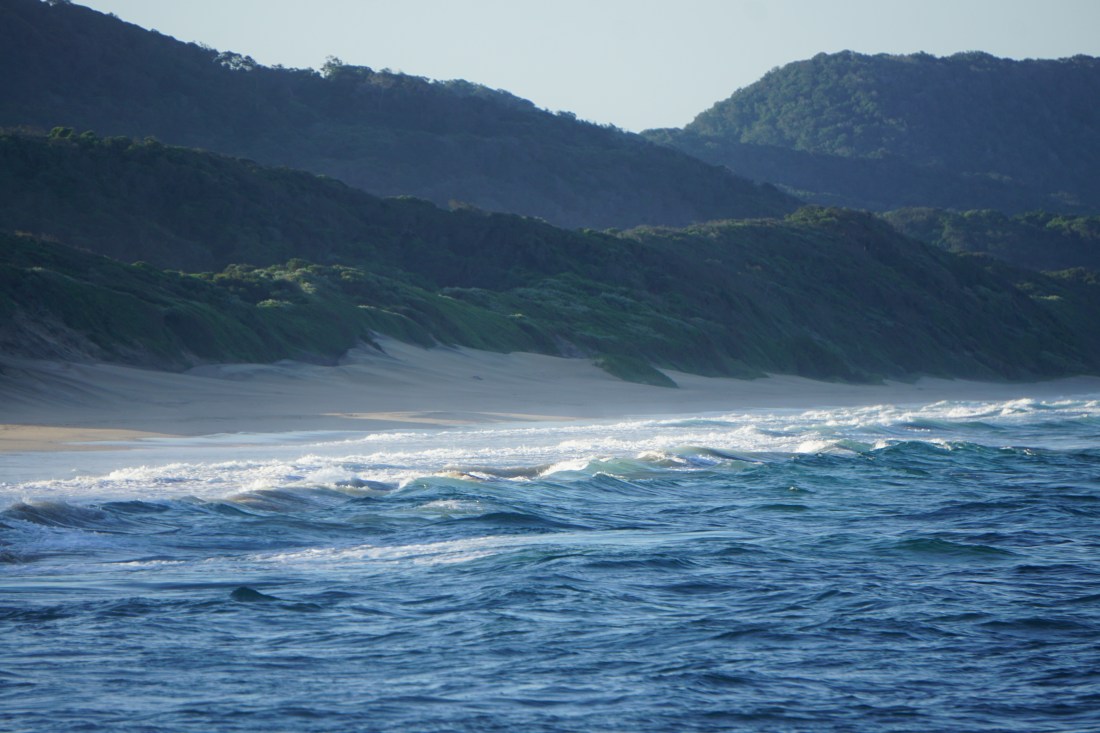
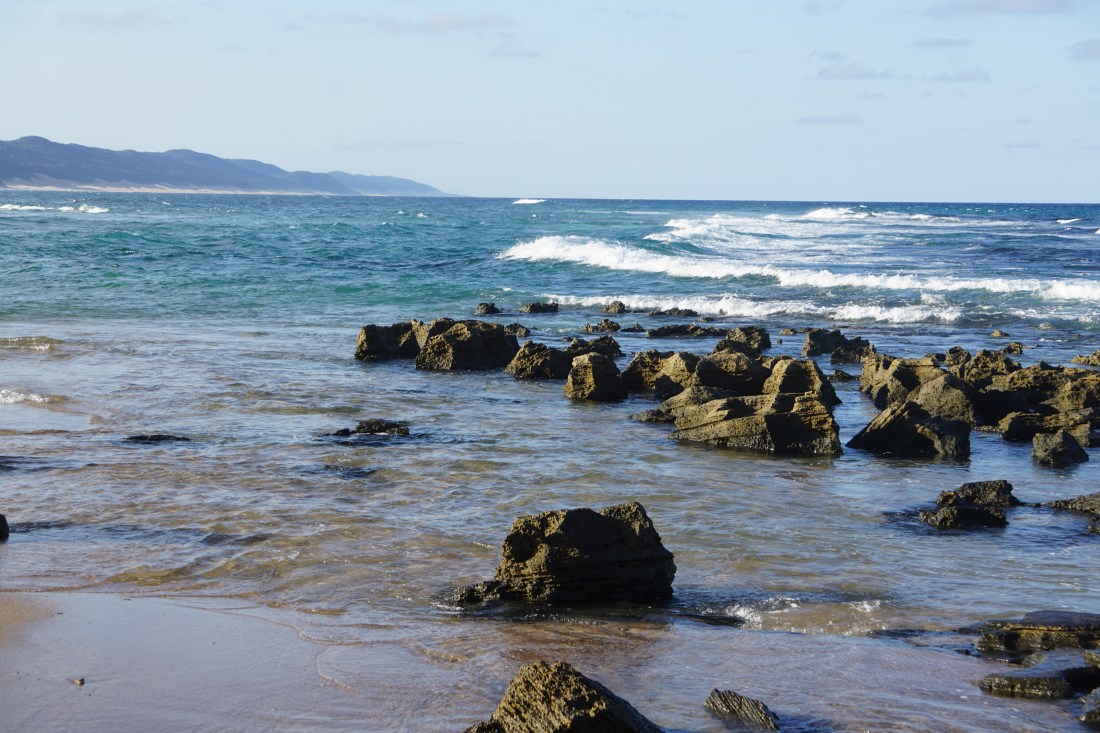
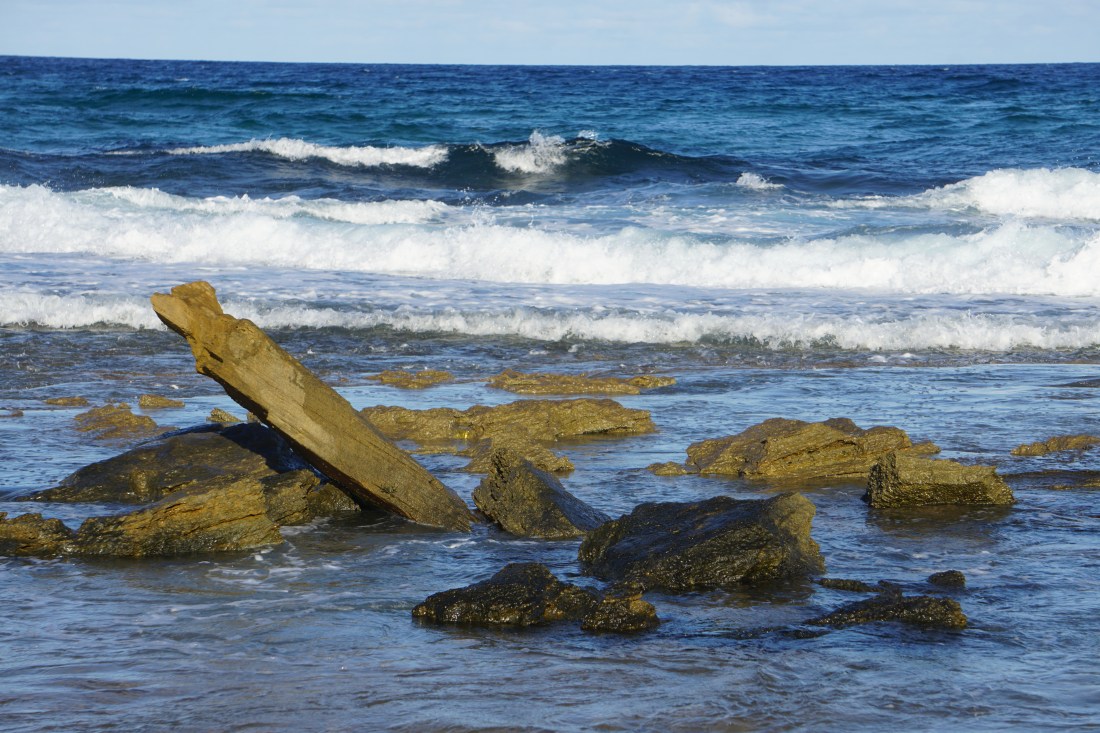
The beach in the preserve was gorgeous

DSC04840

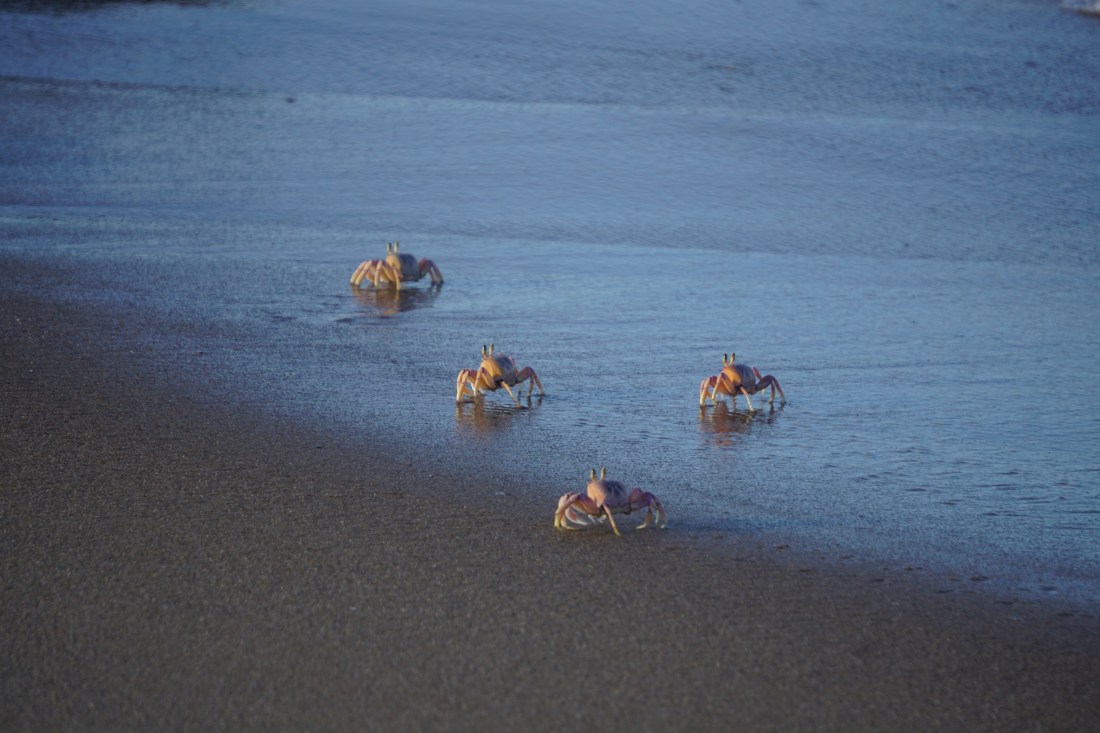
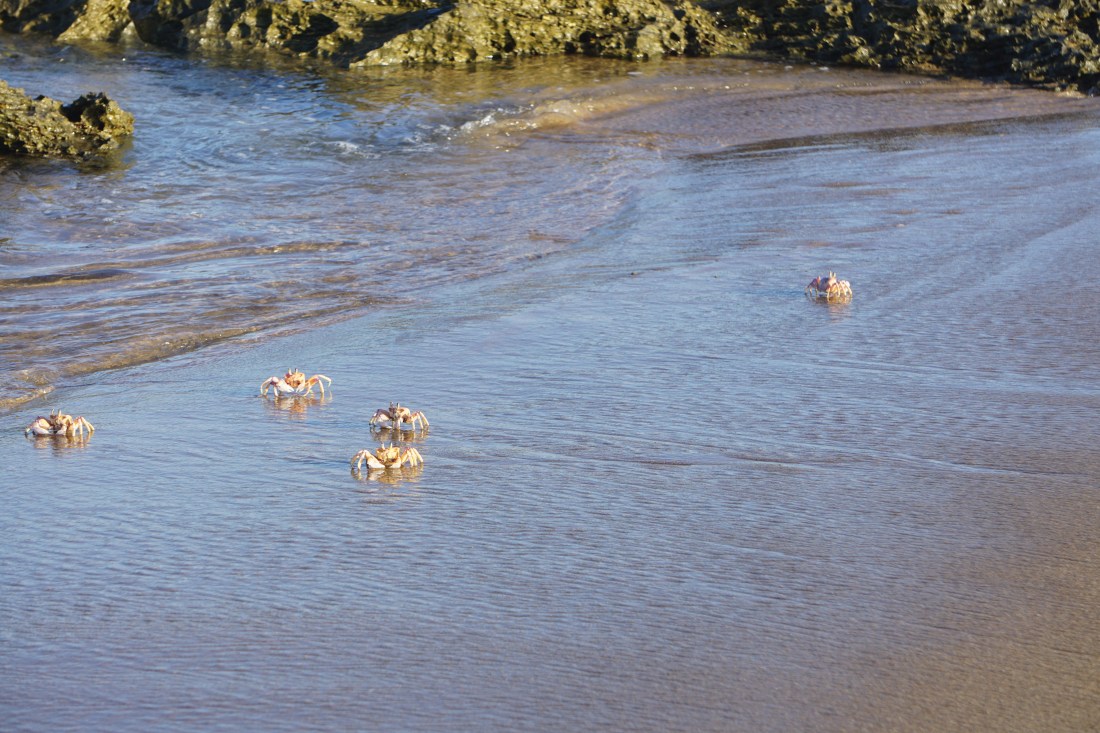
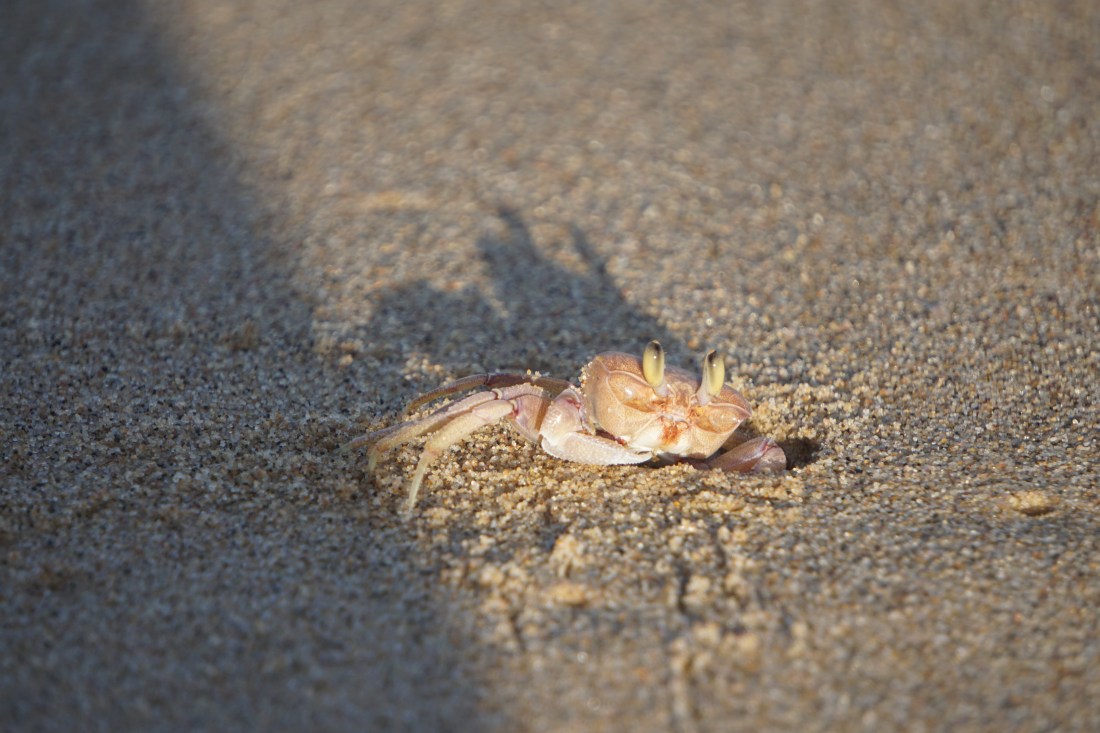
with tons of little crabs scurrying across the sand.

DSC04820

DSC04815

DSC04827

DSC04835

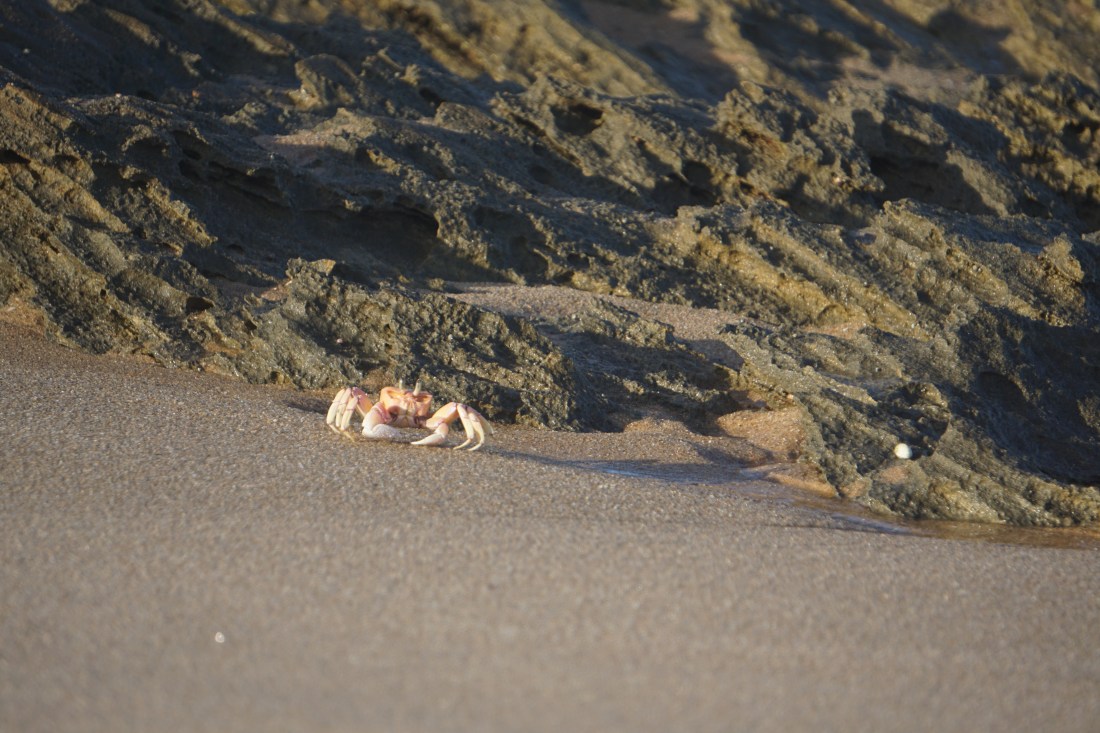
This one was deternined to have a place to sleep at night.

DSC04808

DSC04802

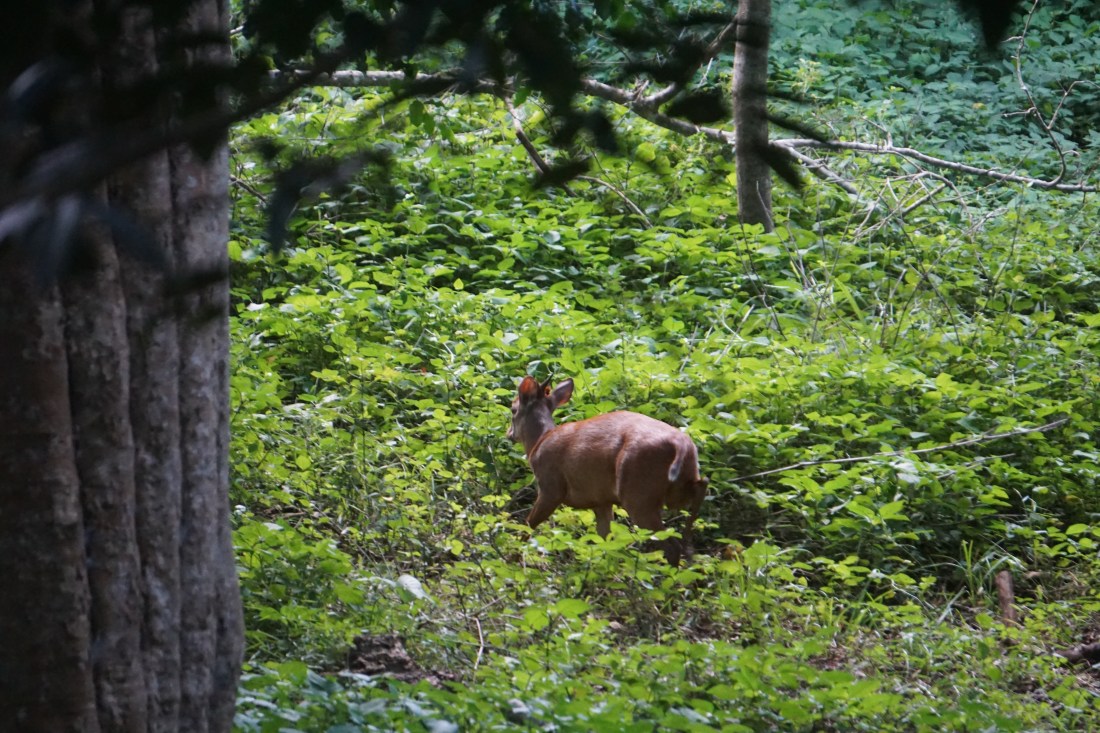
Heading back to St. Lucia we saw many of these fast tiny duikers in the woods.

DSC04874

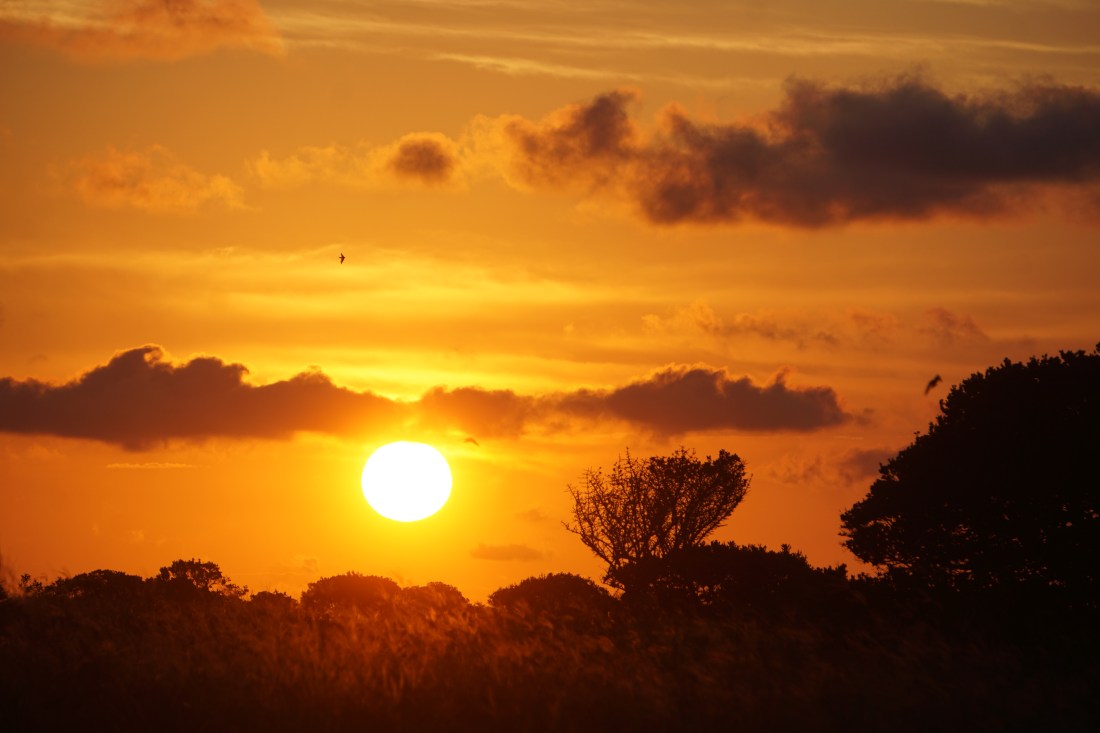
Can’t beat the African sunsets.

DSC04876

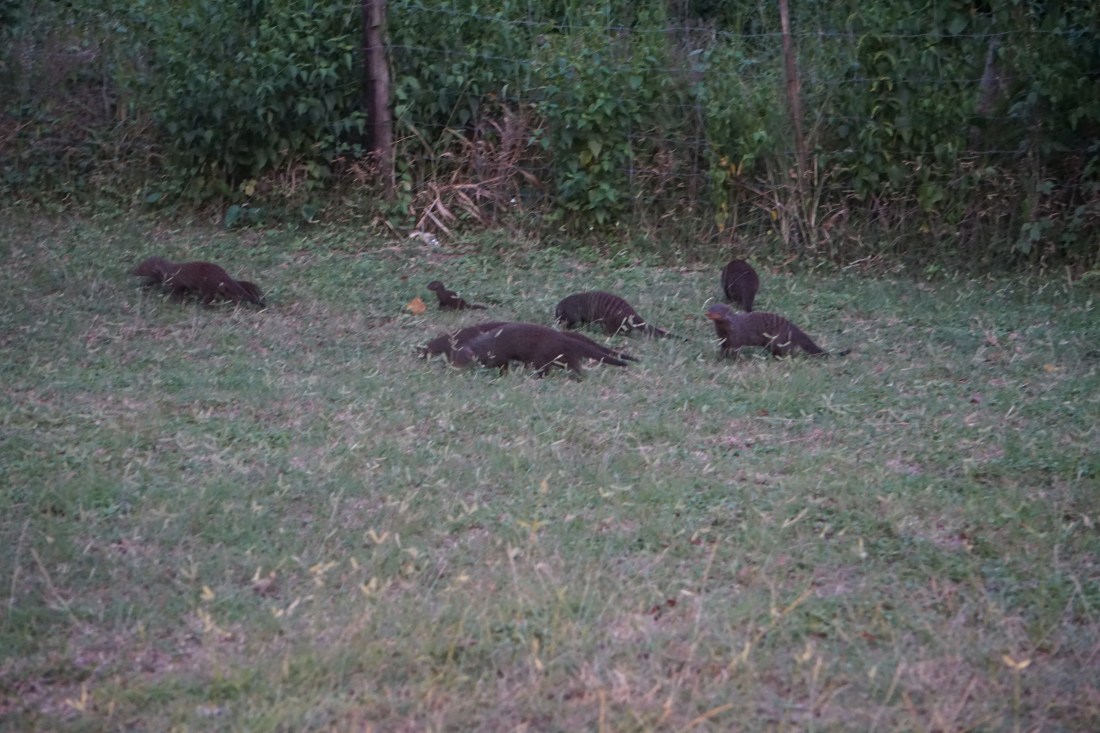
As the sun went down, out came the mongeese who live in large family groupings.

DSC04885

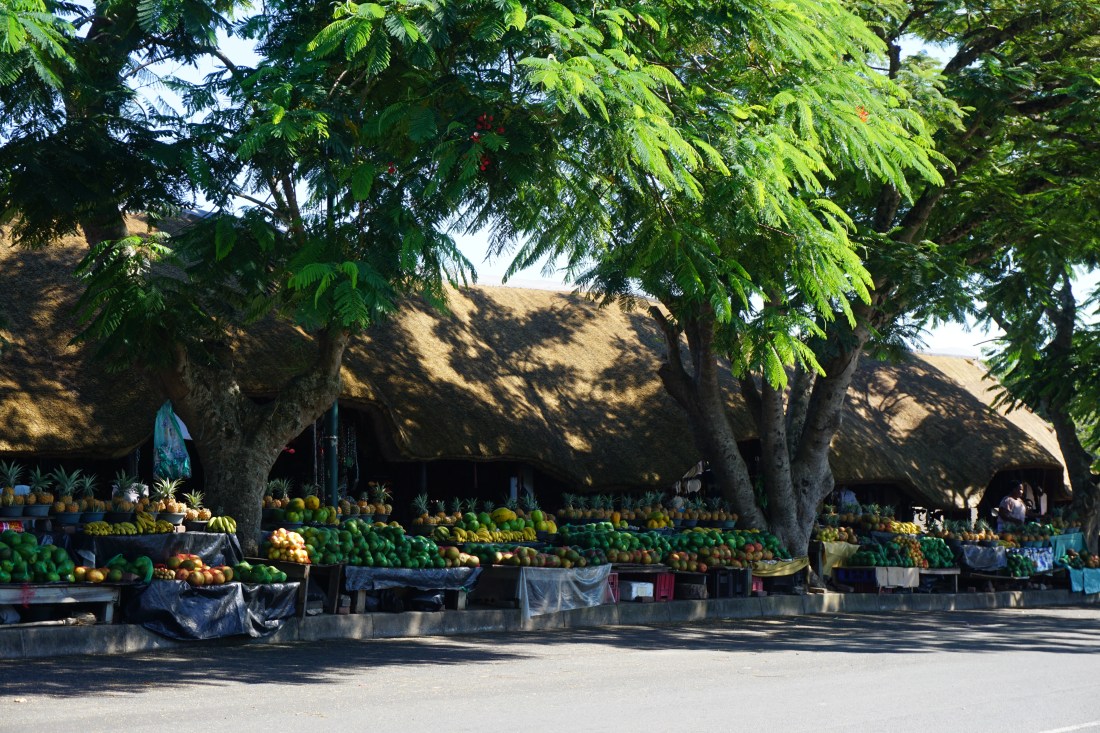
As in all the towns we visited you can always load up on lots of wonderful fruit for the road till you reach your next destination.

DSC04890

South Africa-Addo Elephant Park

Well finally a new computer with some but not all of my photos from the time in and near Addo Park recovered.  Load shedding, a process where the South African government cuts off the electricity in one area to share with another, plus a variety of different electricity levels while in various areas in Africa, contributed to doing my computer in. So now to catch up. Interestingly many of the photos from this time did not make it but most of the videos did.

Addo Elephant National Park

IMG_3141

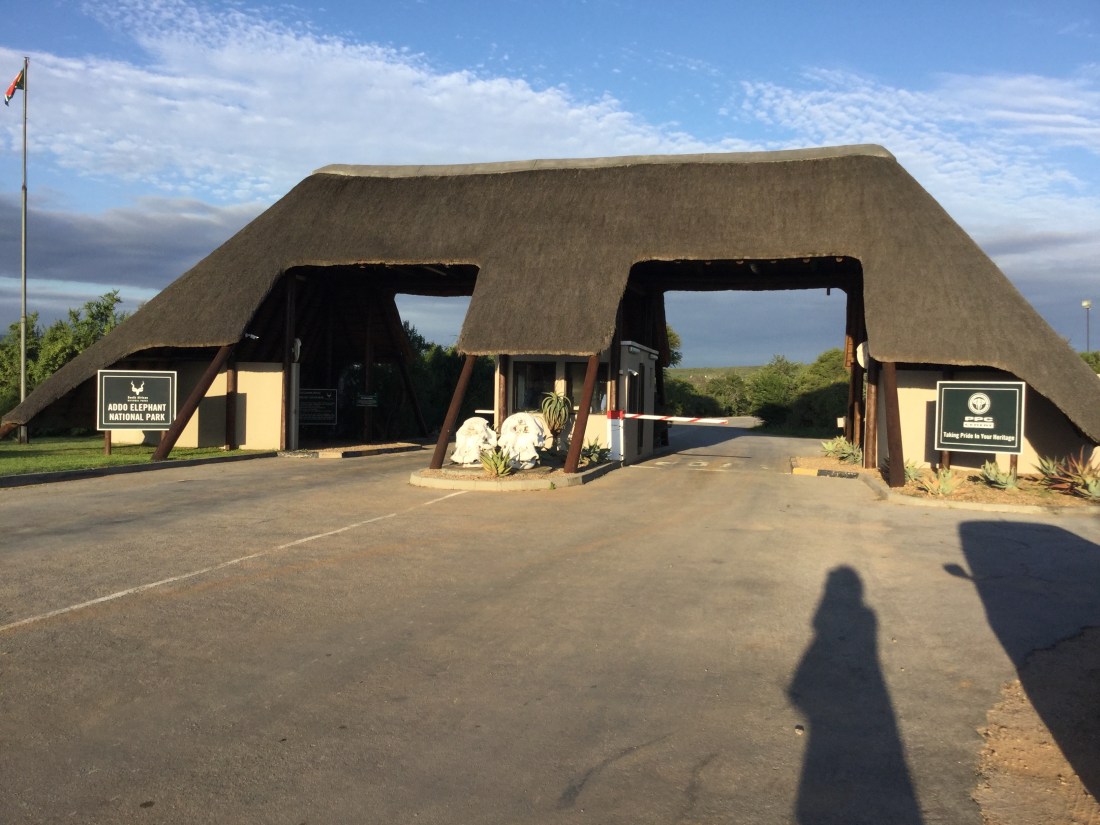
We visited this park on our way to Kruger National Park. The numerous opportunities to get close and observe elephants, not to mention other animals, were amazing. This guy walked right alongside our car.

It is wonderful to be able to get so close!

This group had just finished a mud bath.

A tiny pool but enough mud for everyone.

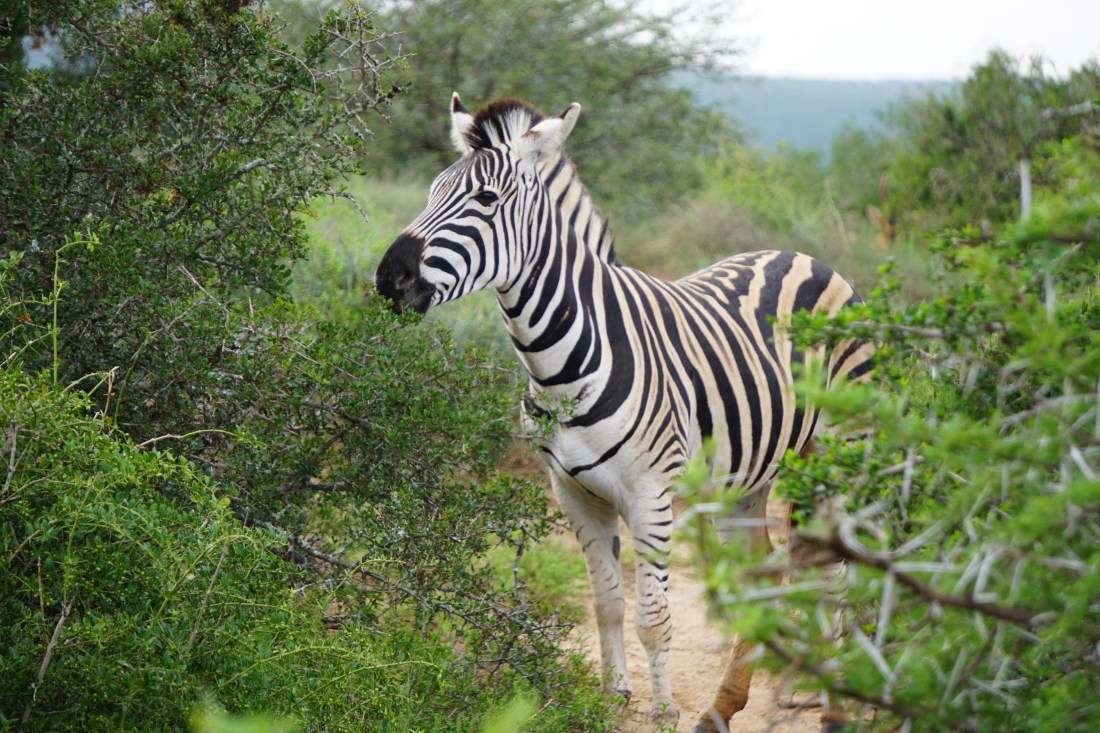
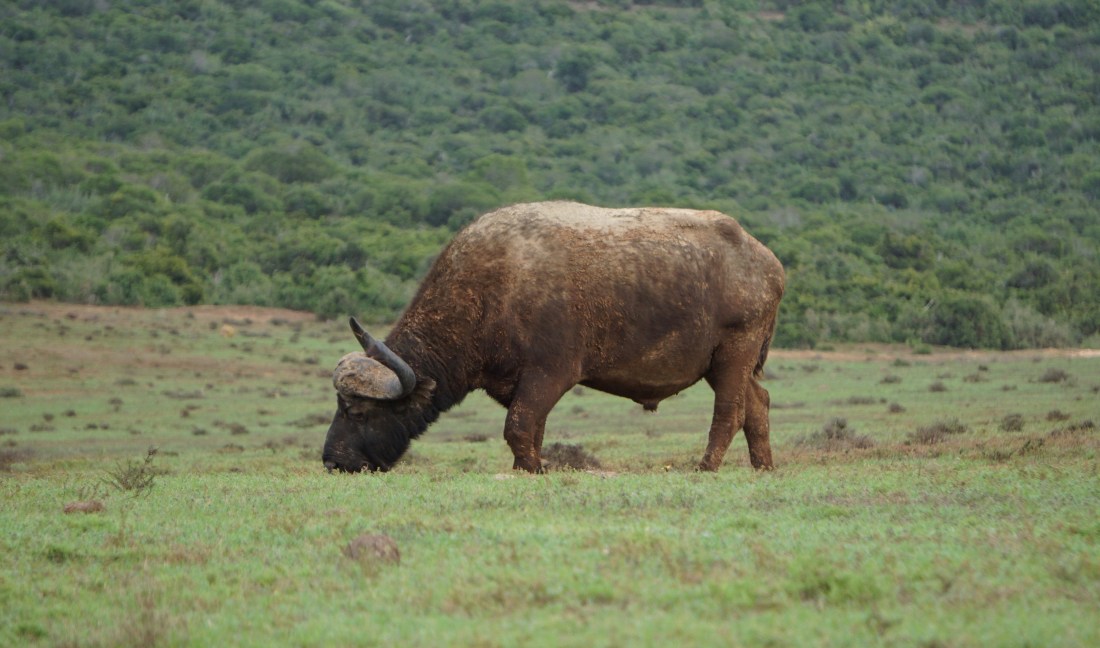
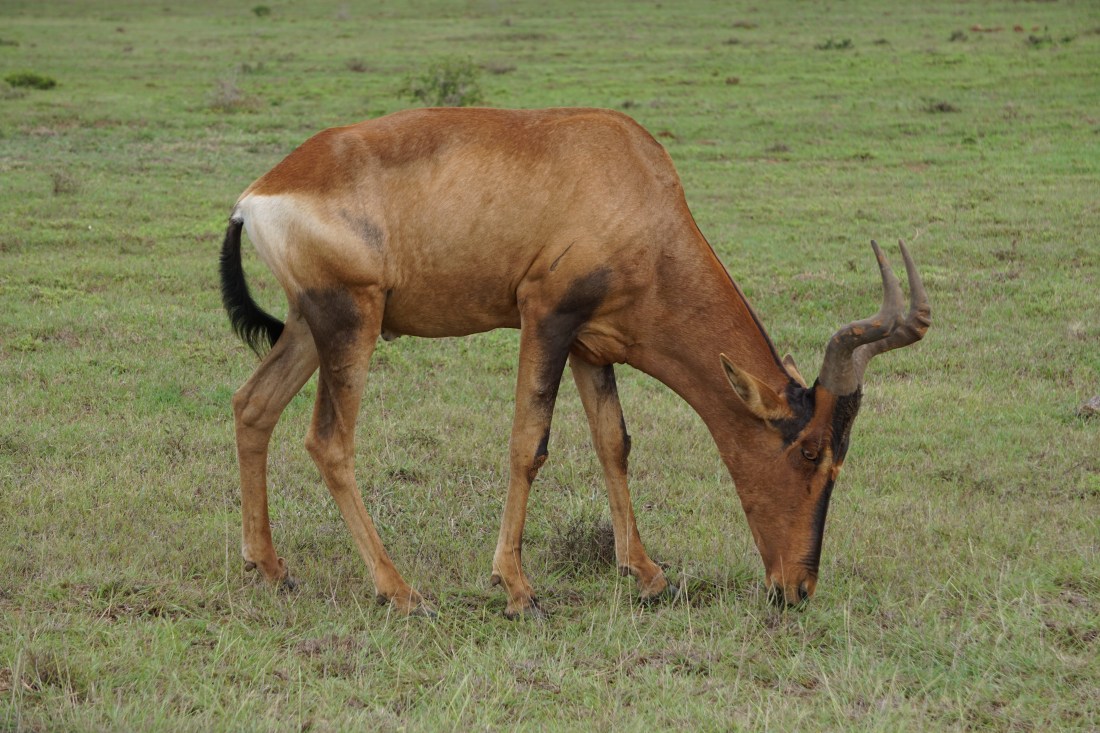
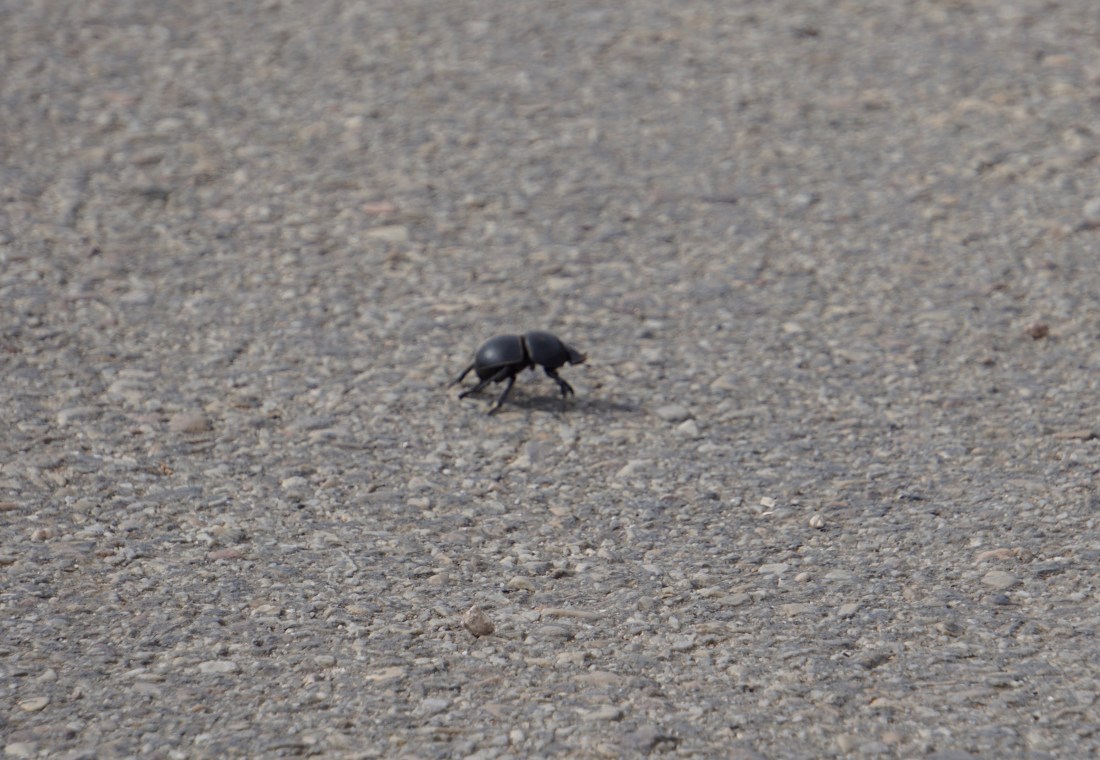
During our 2 day visit we saw 9 different species of birds, 8 mammals 1 amphibian and 1 insect: the very interesting dung beetle.

DSC04767

DSC04386

DSC04366

DSC04353

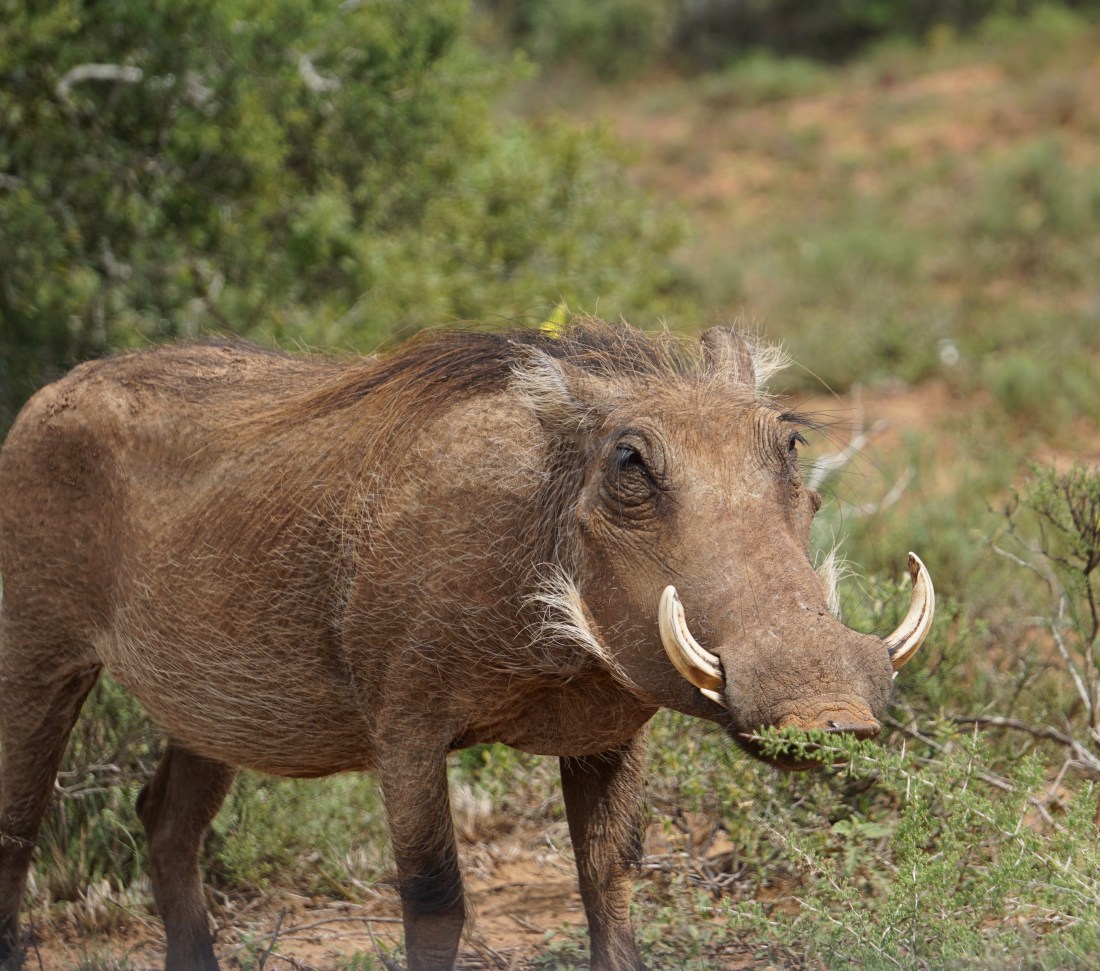
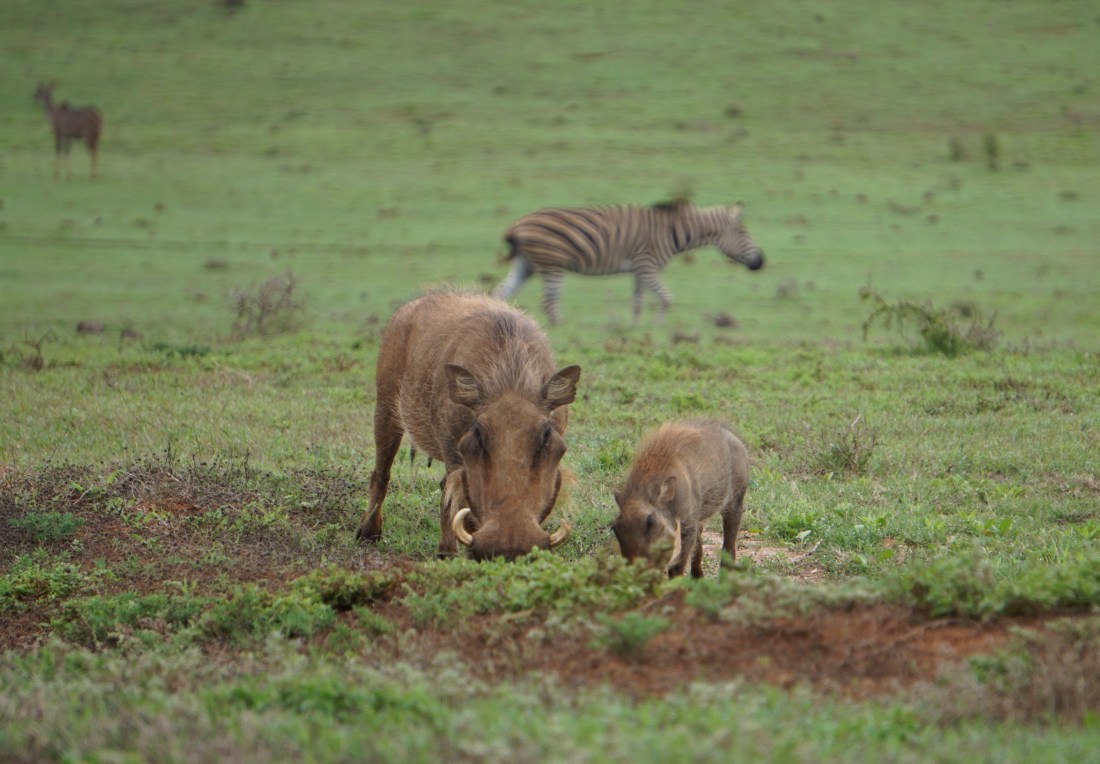
The warthogs were incredibly numerous. Fun to watch them get down on their knees to eat.

DSC04392

DSC04363


DSC04350

DSC04381

DSC04332


DSC04360

DSC04370

While driving through the park big signs told us to give Dung Beetles the right of way.

DSC04387The dung beetles live on elephant dung, which here is plentiful.  It rolls a small amount into a ball and proceeds to then push it to its burrow where it feeds on it and also uses it as a breeding chamber.  They are fascinating little critters, who work tirelessly, as you can see from the two video clips. They never give up until their mission is accomplished!

The Addo 100 Mile Run began the second day we were there. The participants run overnight through a designated section of the park.  We were assured that it was so well controlled that they they wouldn’t encounter any wild animals.  Judging by the profusion of wildlife that we saw, we wondered.

South Africa – Western Cape Province

We are now 7 months into our 14 month journey.

Today when we picked up our rental car;  before we even got out of parking lot, the wind was so strong it swung John’s door open which hit the adjacent car door denting it. Good thing we bought full coverage.

Then when we arrived in Franschhoek a young girl watching me parallel park accused me of hitting her car, I had not even touched it. She took a picture of our licence plate saying she was calling the police. Her behavior was so smug and negative we left. John wrote up what he figured might be a scam and sent in to the car company so they were aware in the likelihood she pursued a claim.

The day got better after that.

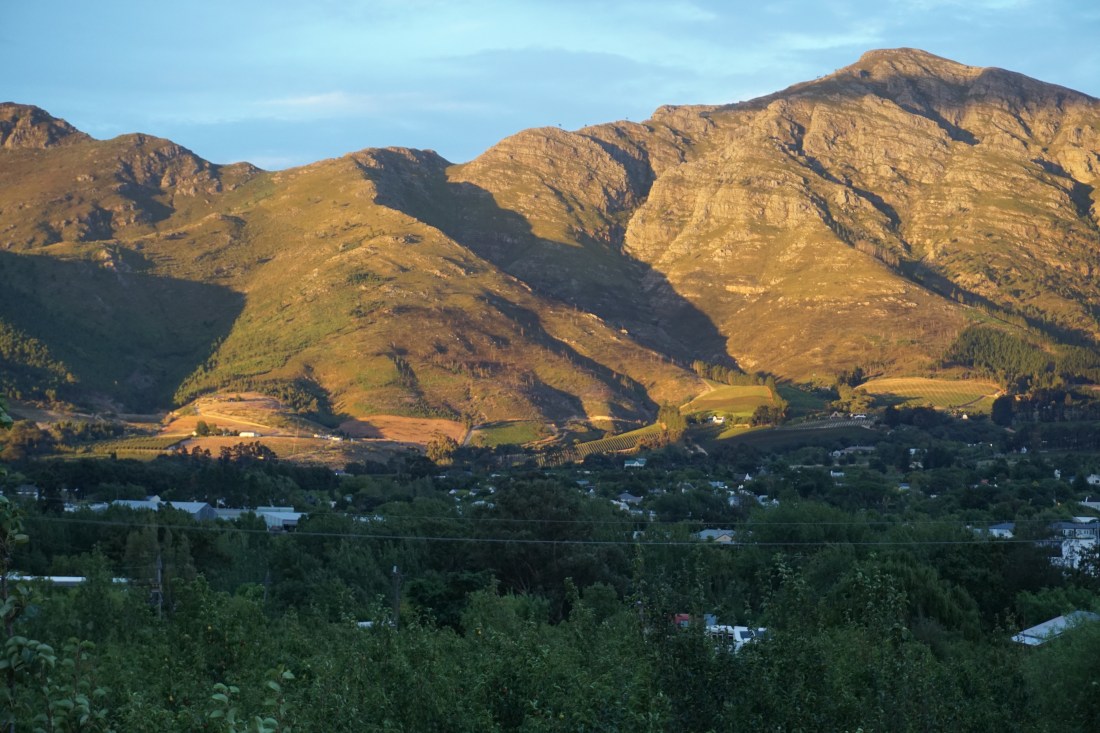
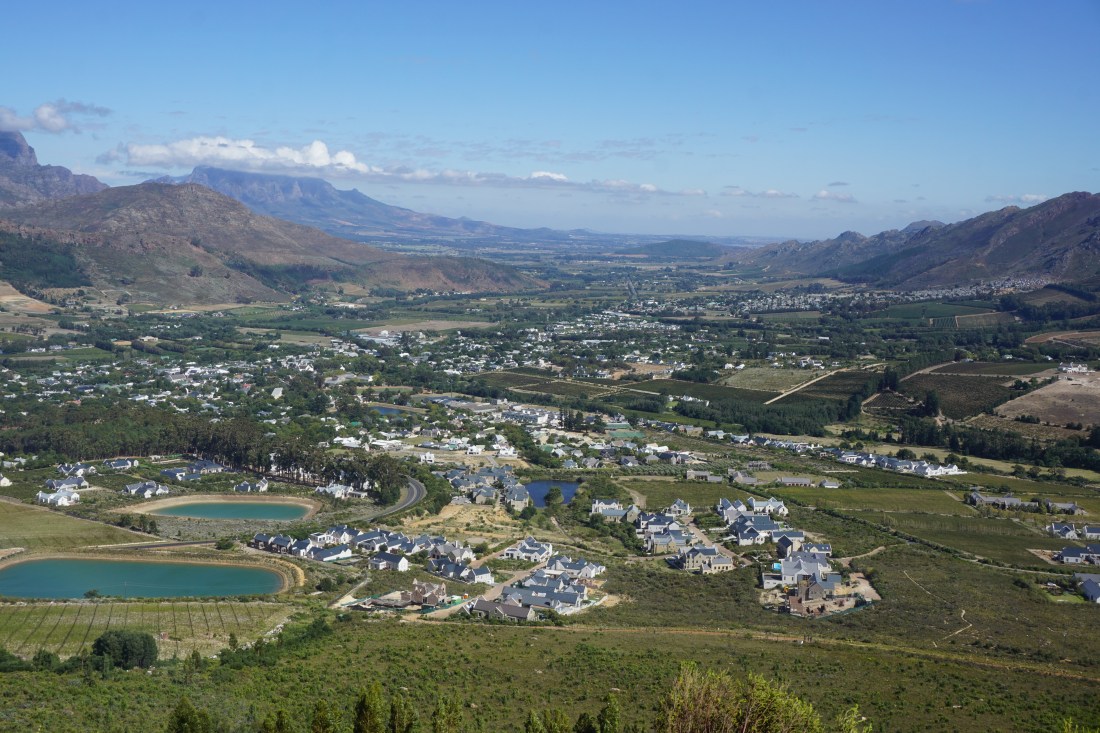
Franschhhoek is a wine growing area and one of he oldest communities in the Republic of South Africa settled by the Hugenots. Gorgeous town and surrounding area.

DSC04070

DSC04087

We stayed in this cottage next door to Sir Richard Branson’s winery and walked to the restaurant at the winery that evening.

We awoke a 5:30 to the sound of a rooster that started crowing then and every 45sec thereafter. In the unit below us were 2 couples from Canada, one from Kelowna and one from Calgary so we had great chats in the morning.

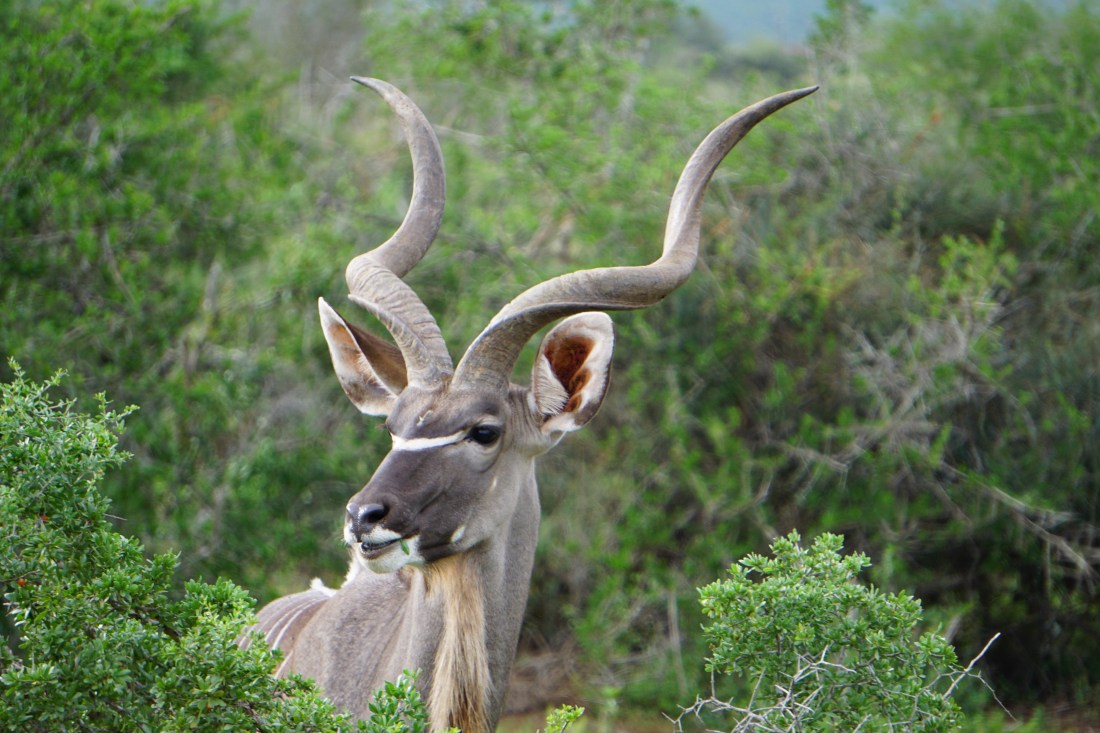
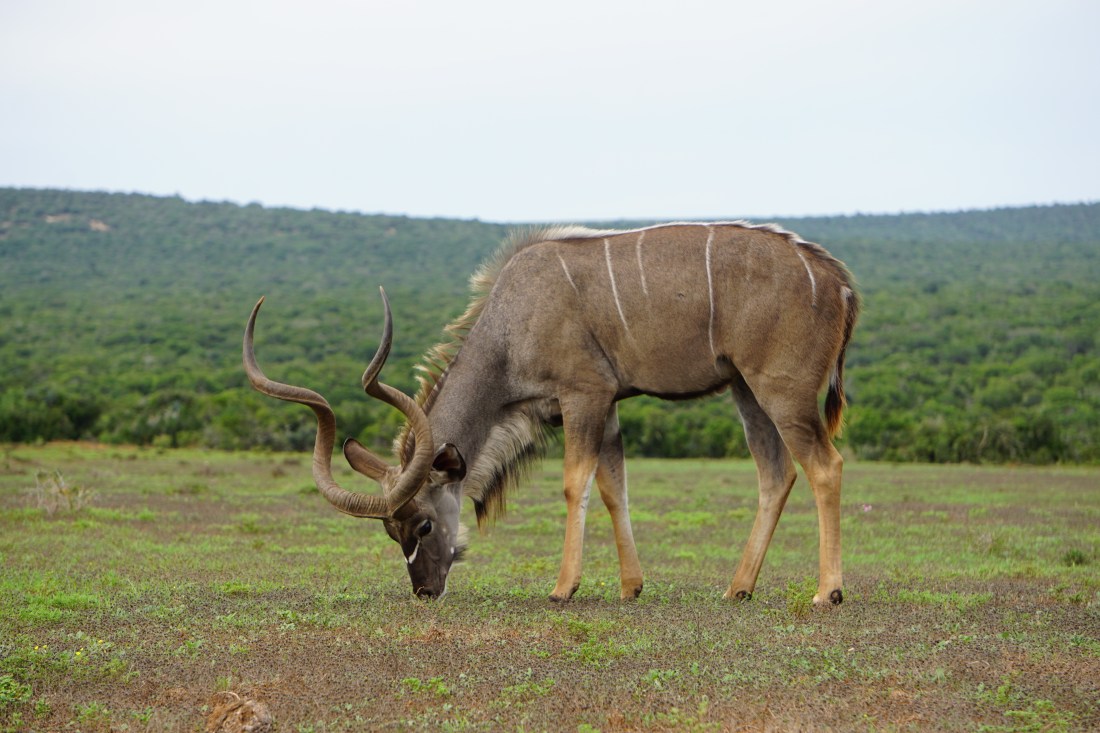
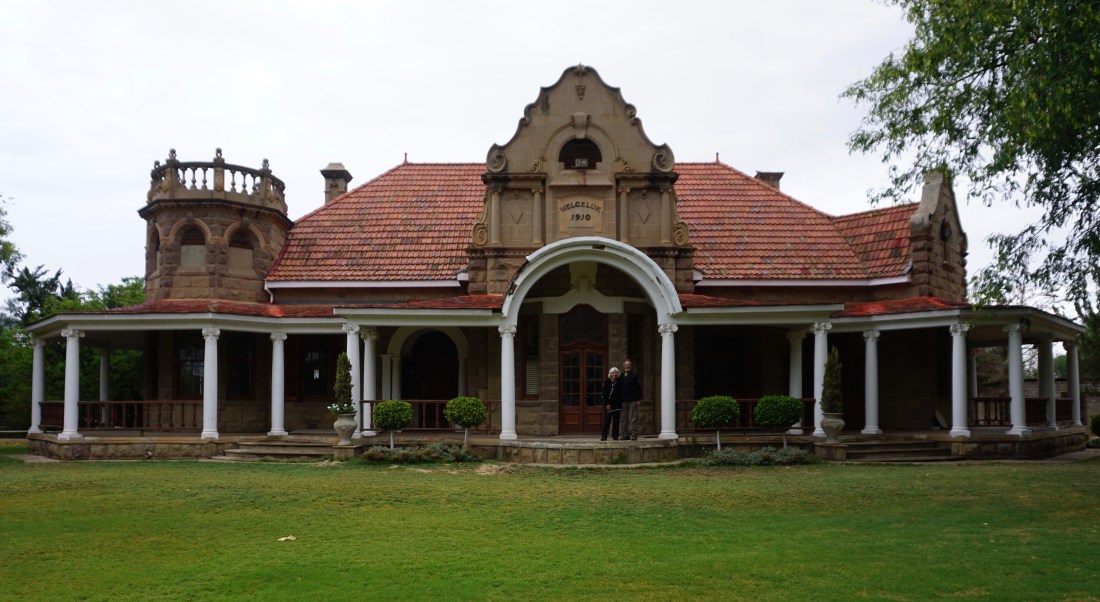
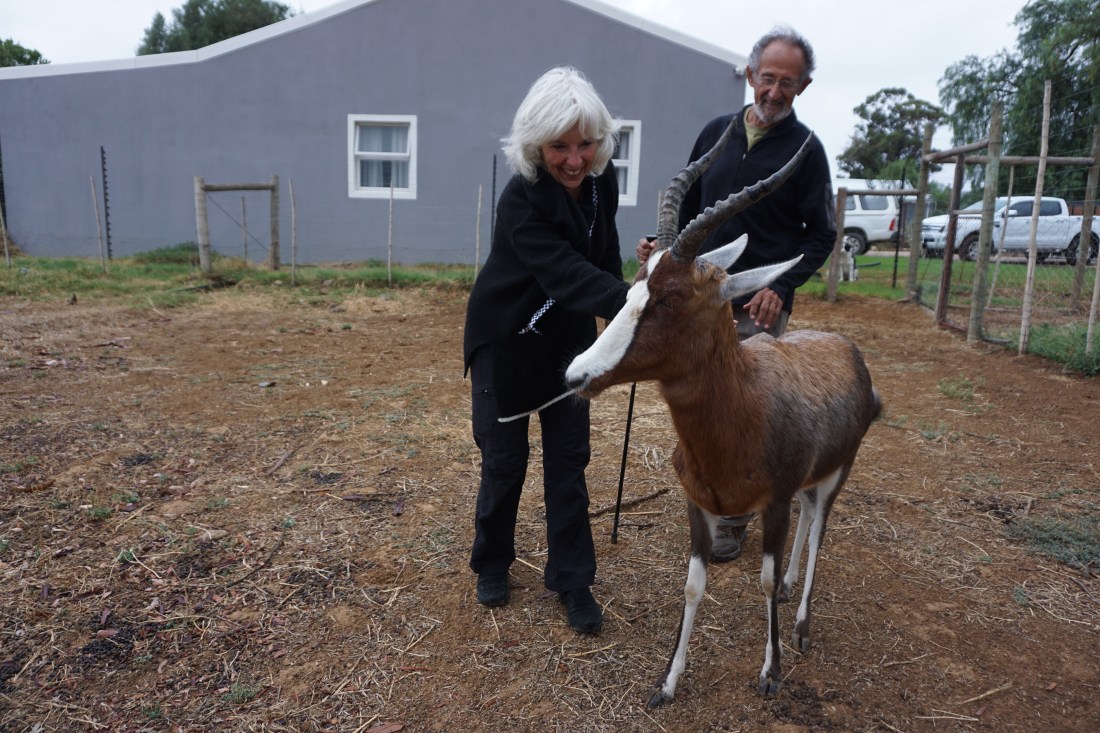
Drove to Welgeluk Cottage in Oudshoorn.   Incredible cottage complete with three kudu in the front yard.

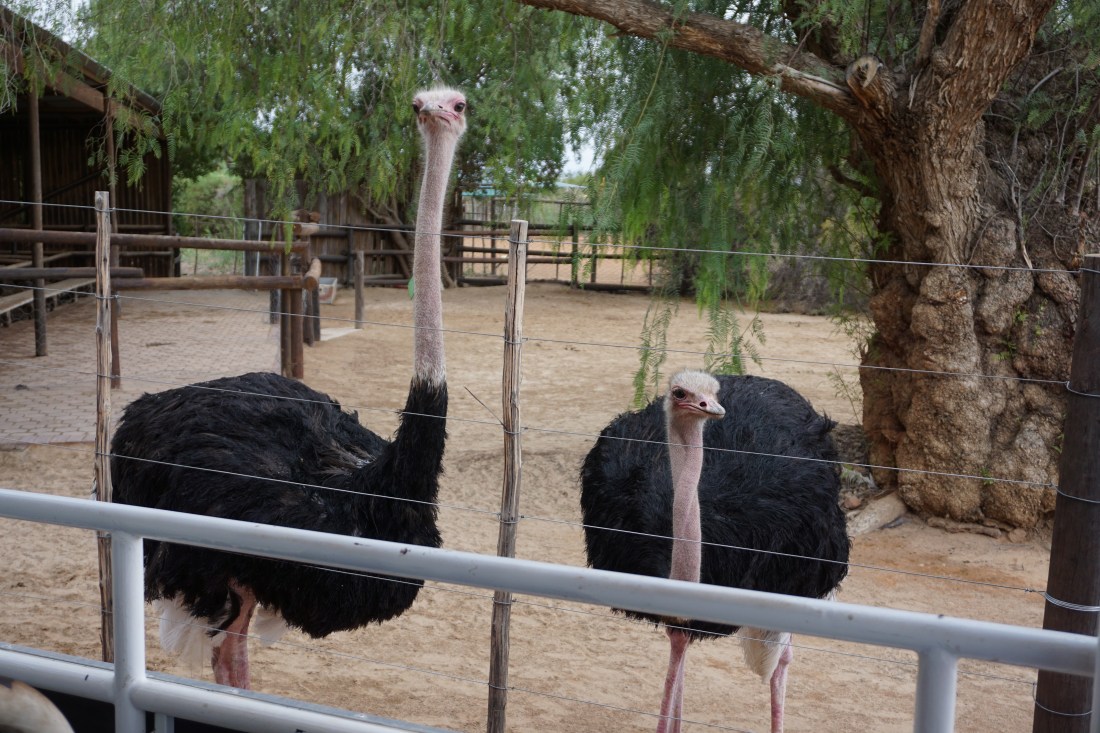
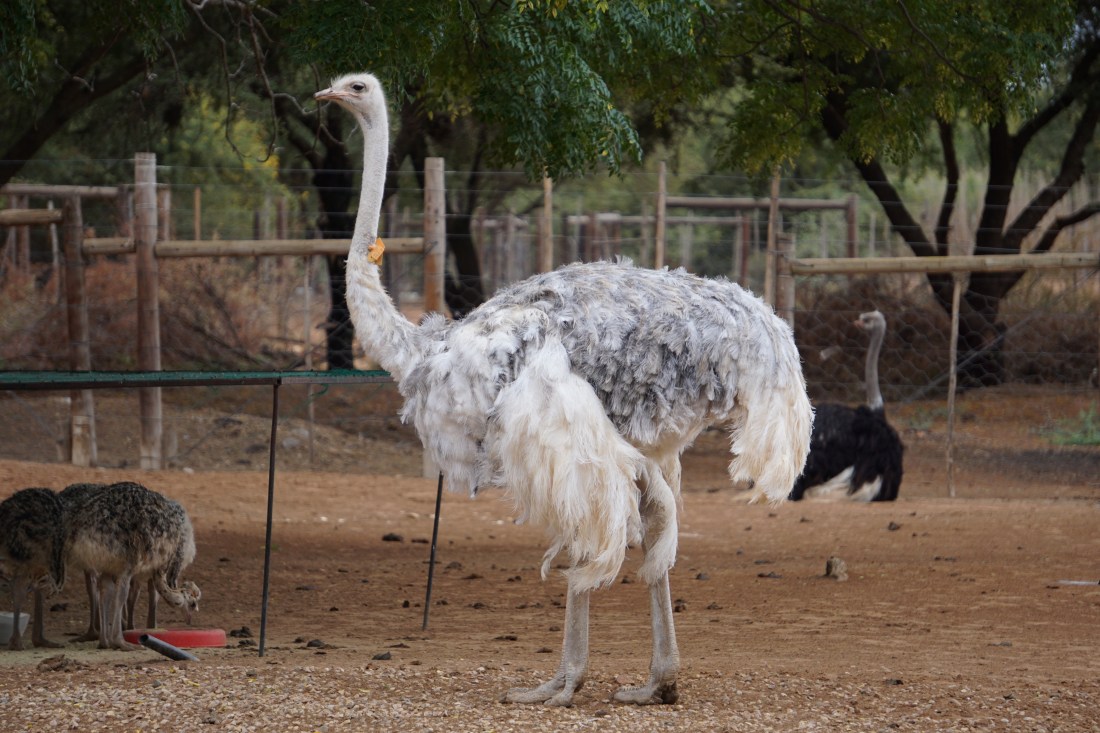
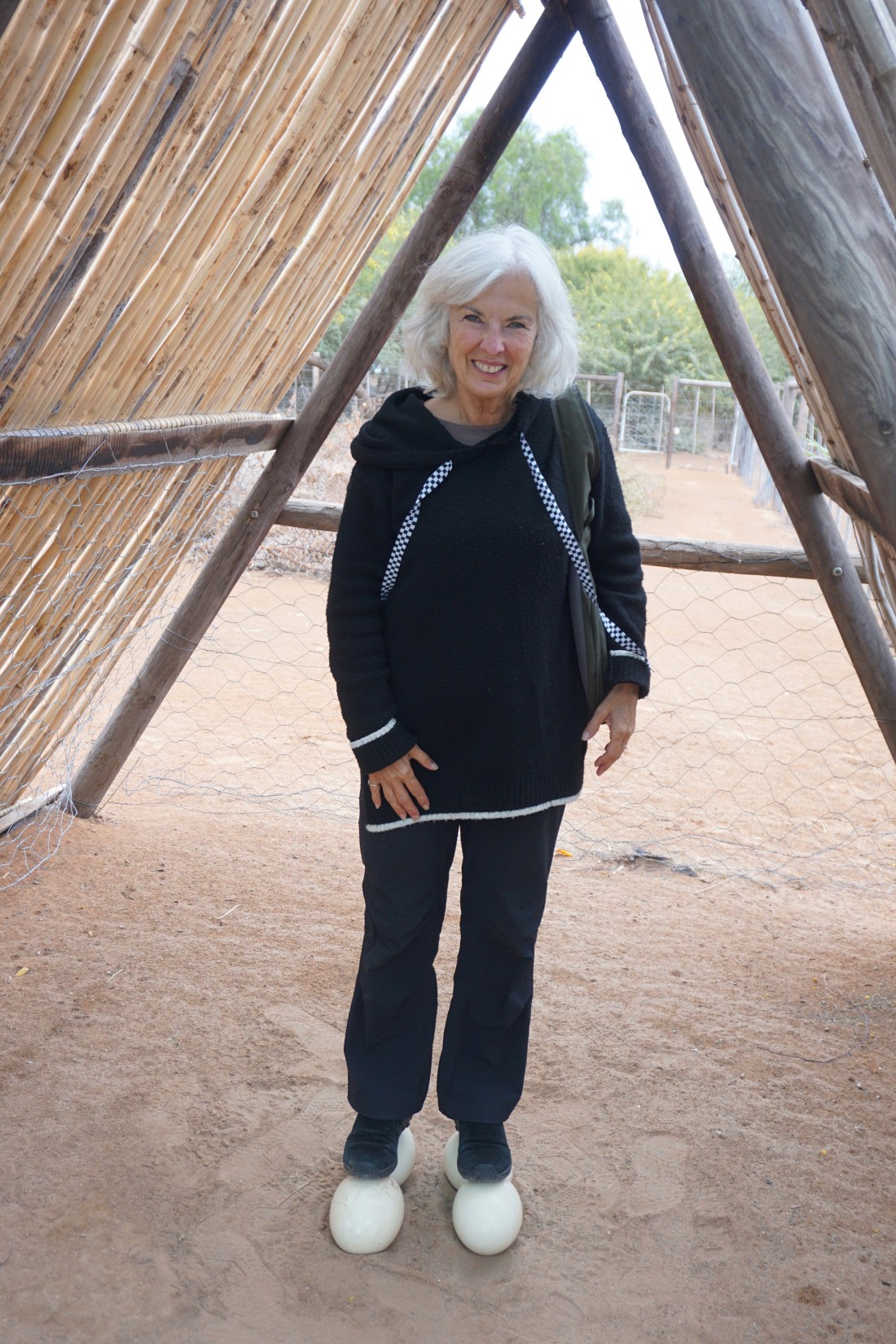
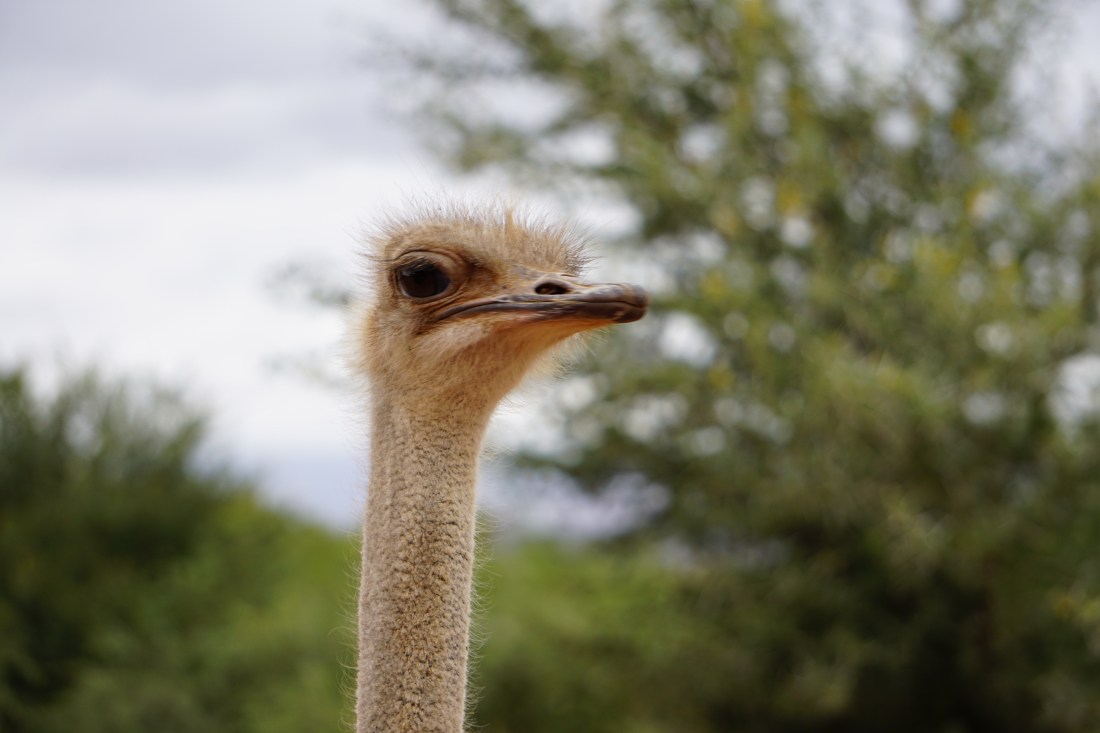
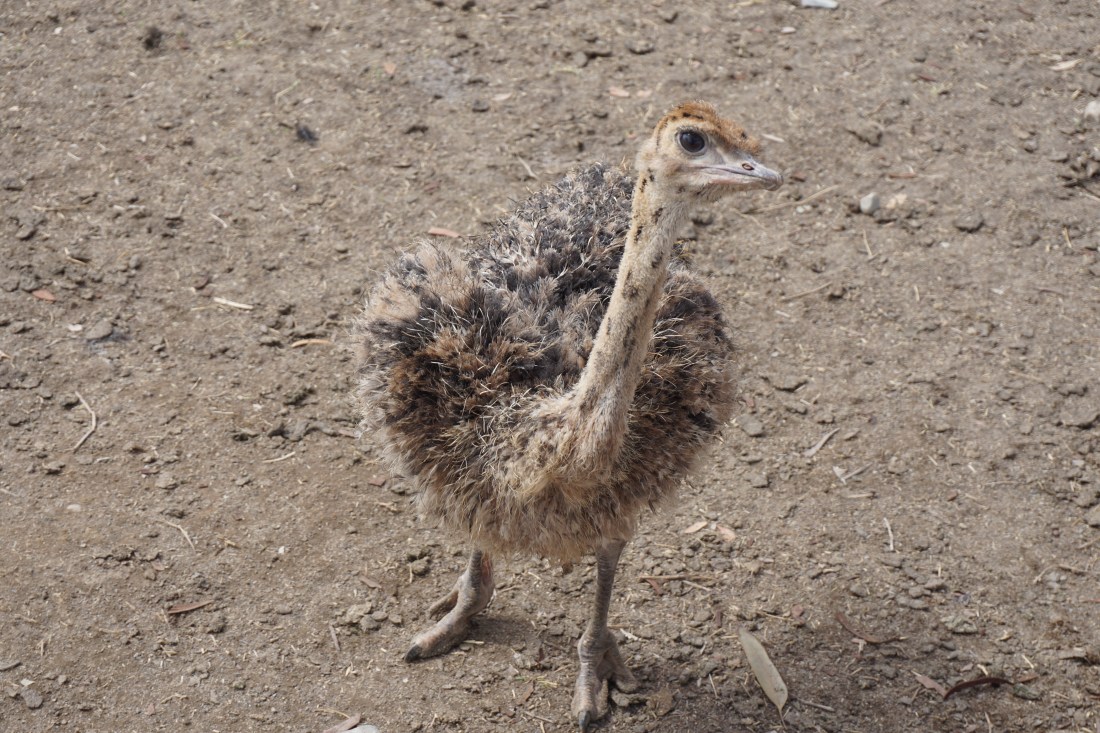
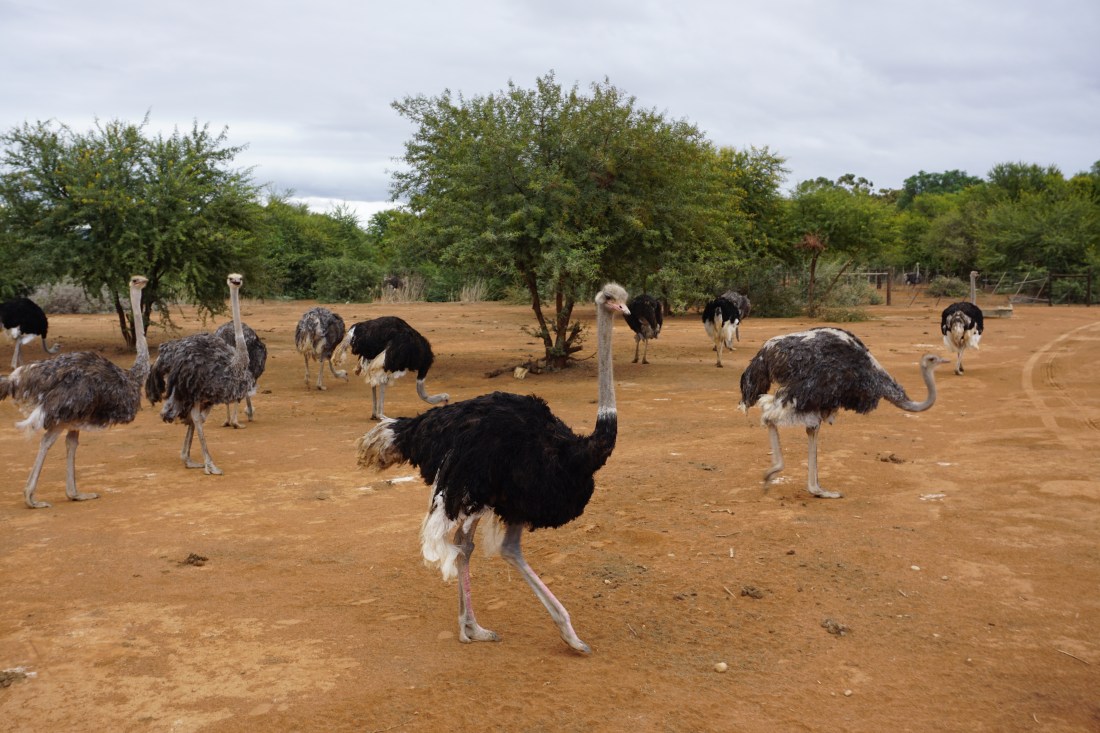
We had a super tour of their ostrich farm which has been in the family for 4 generations.

DSC04090

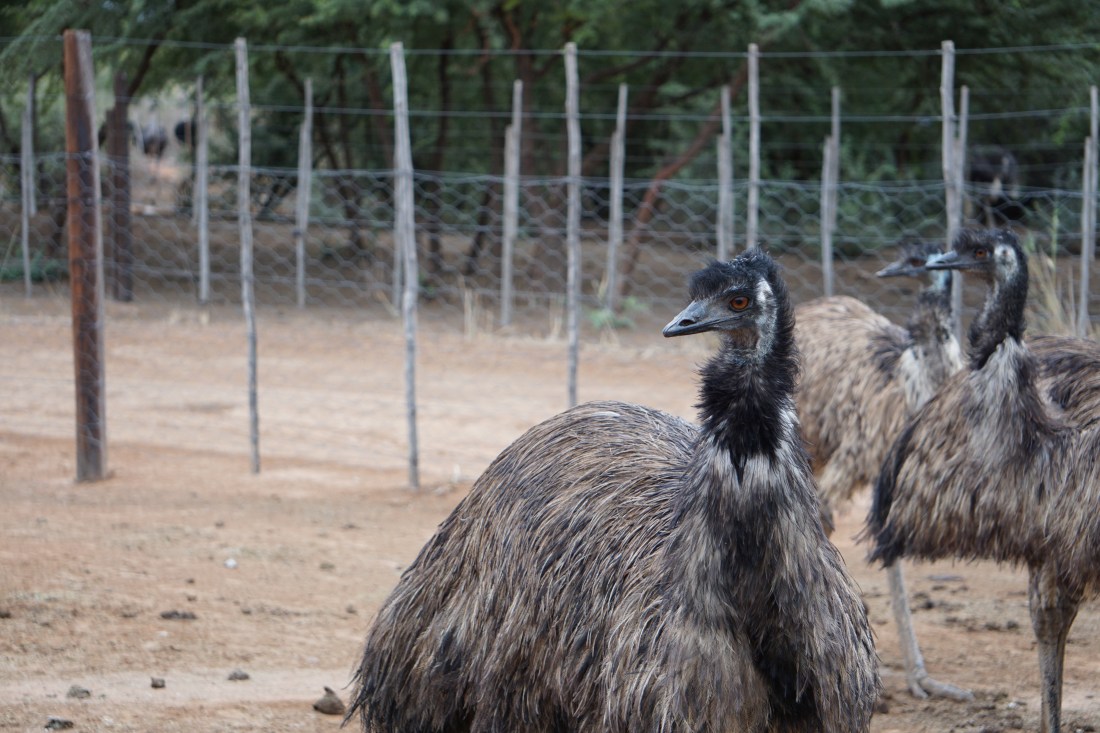
They raise three different ostriches on the farm, as well as emus.


DSC04172

Standing on ostrich eggs which are extremely tough.

DSC04159

DSC04125

DSC04237

DSC04113

The manor house on the farm was built in 1916 with the money from the sale of ostrich feathers.  At that time they sold for the same as gold. The home is now being converted to an Airbnb as the drought is creating severe financial strain on the farm. The cottage we were staying in had been their farm manager’s home and was converted to a successful Airbnb 8 months previously.

DSC04204


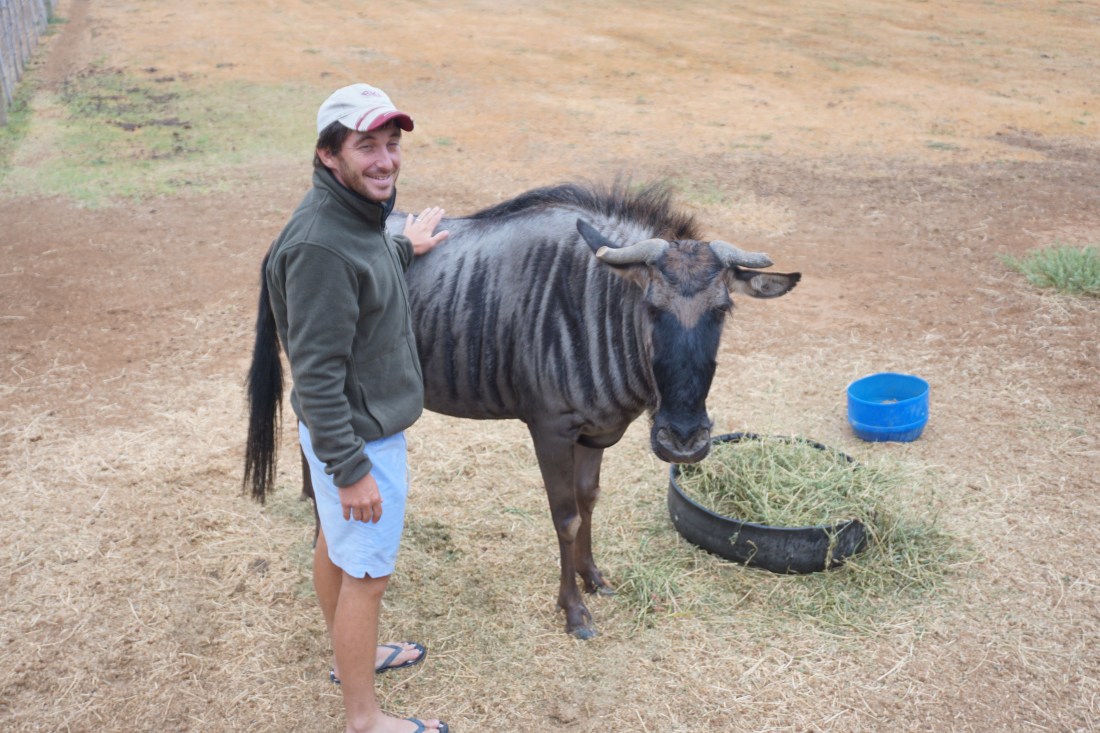
On the farm they had many rescue animals

DSC04202

DSC04194

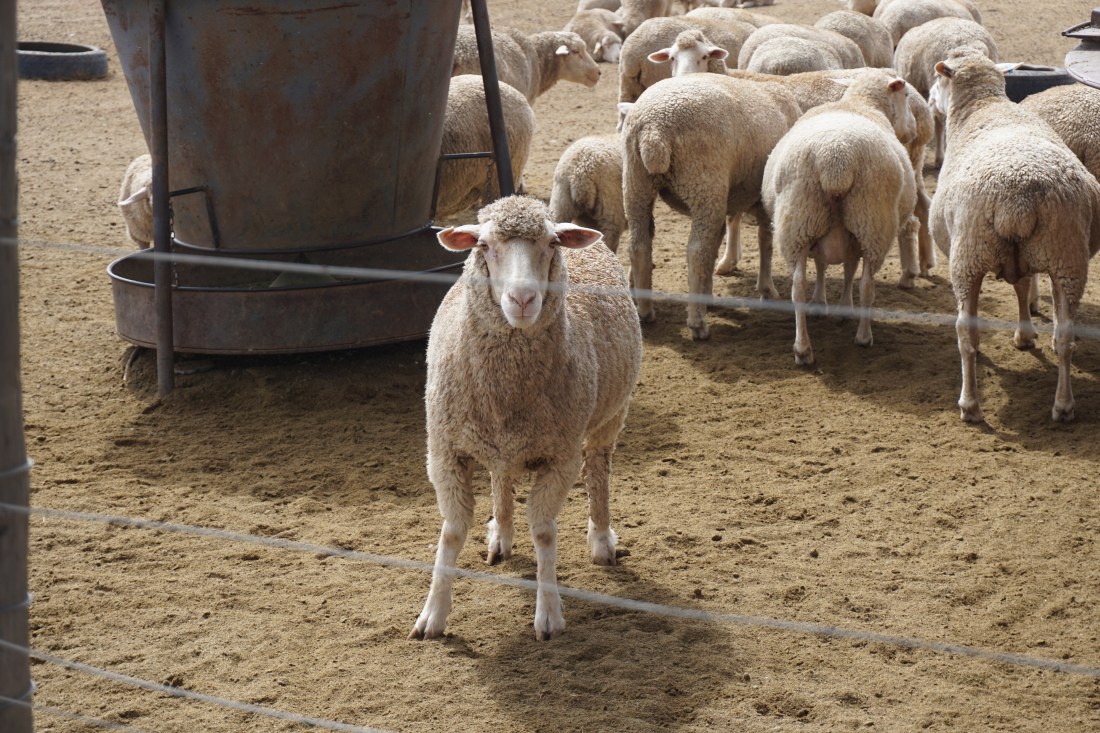
and other farm animals.

DSC04240

DSC04143

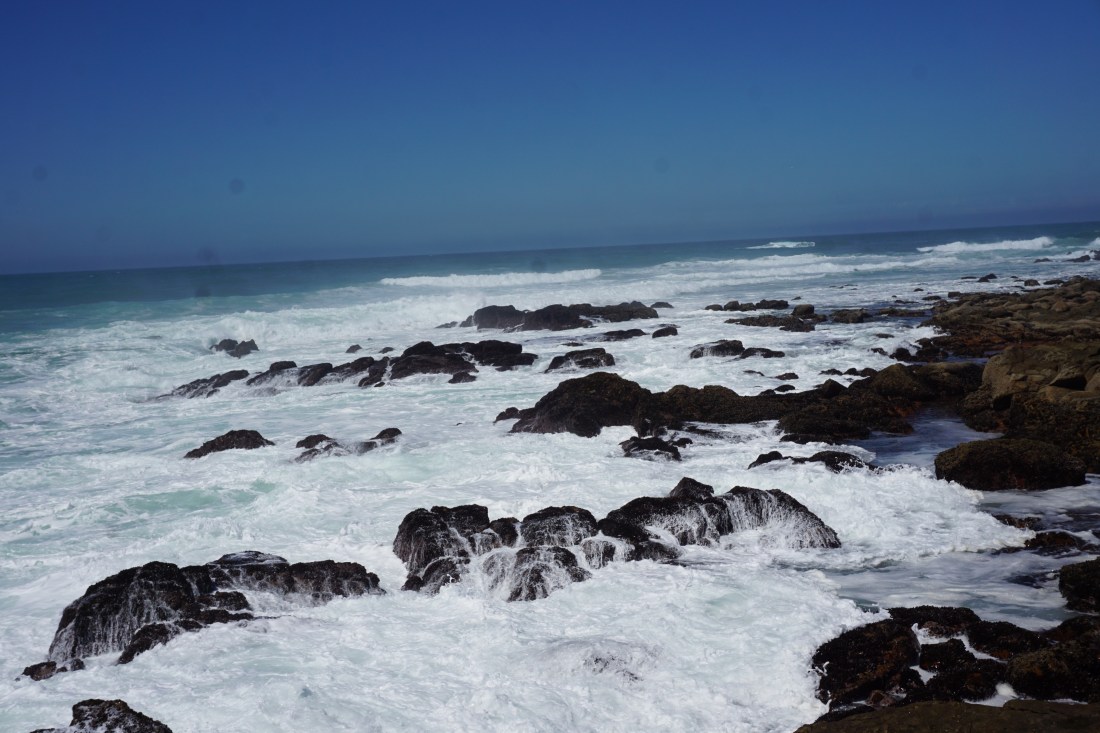
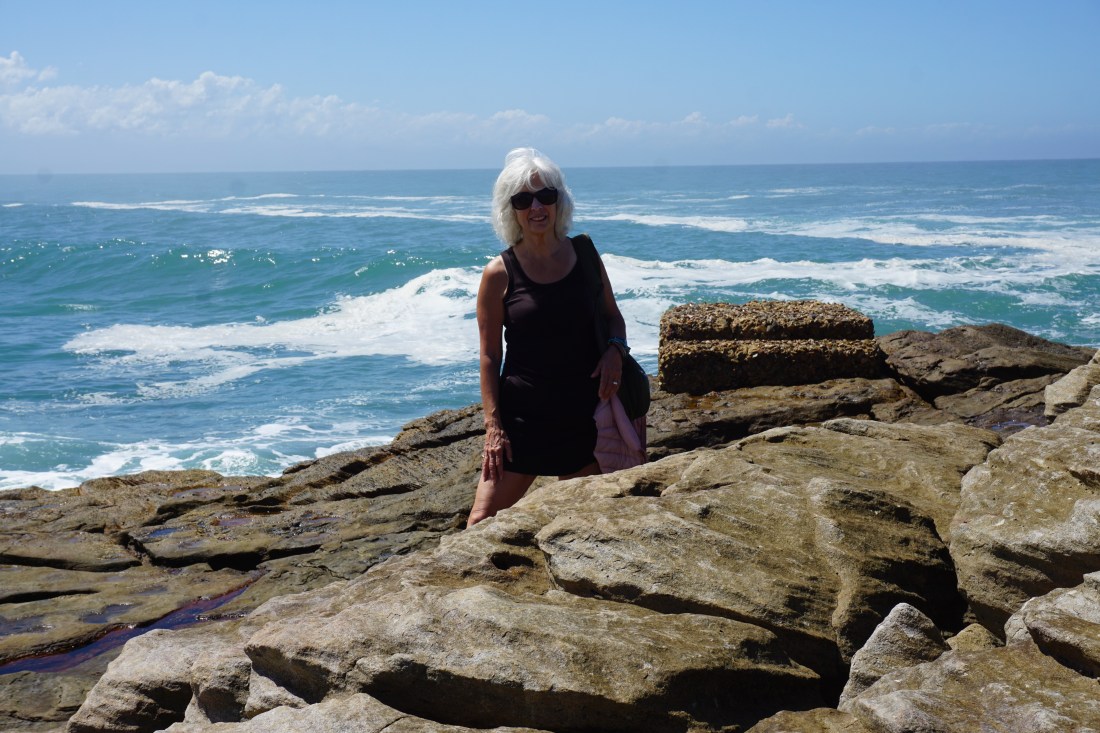
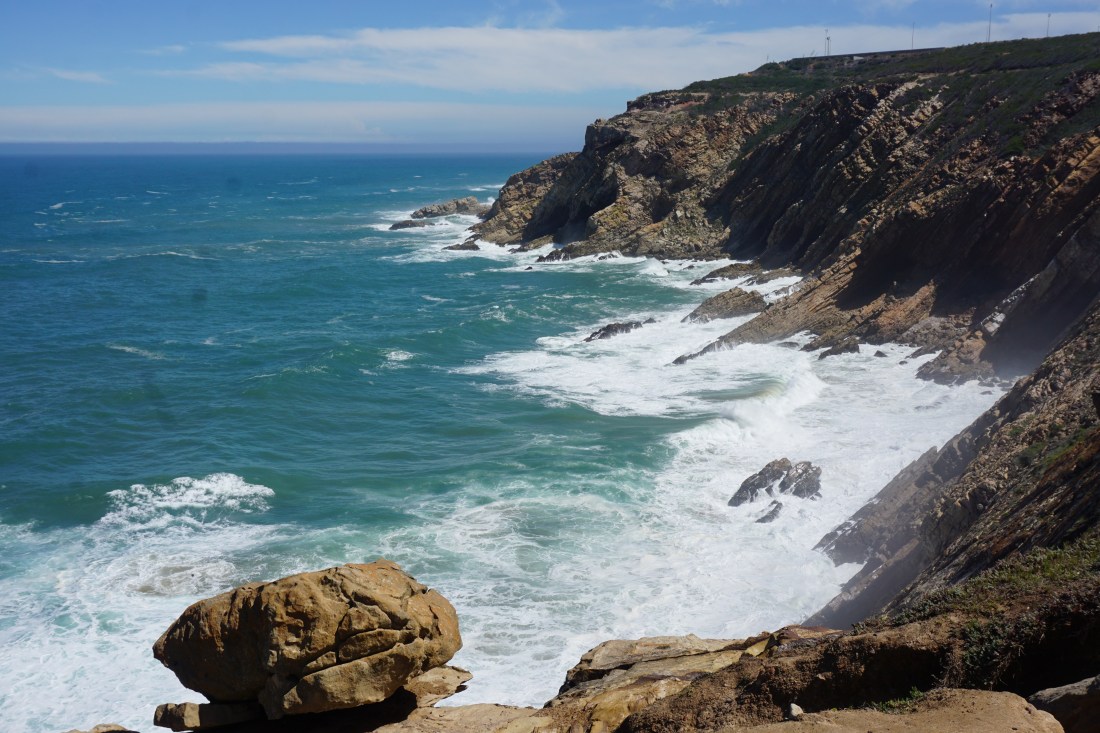
Heading toward Addo Elephant National Park we stopped at Mossel Bay.

DSC04255


DSC04251

Climbing toward the lighthouse

DSC04283

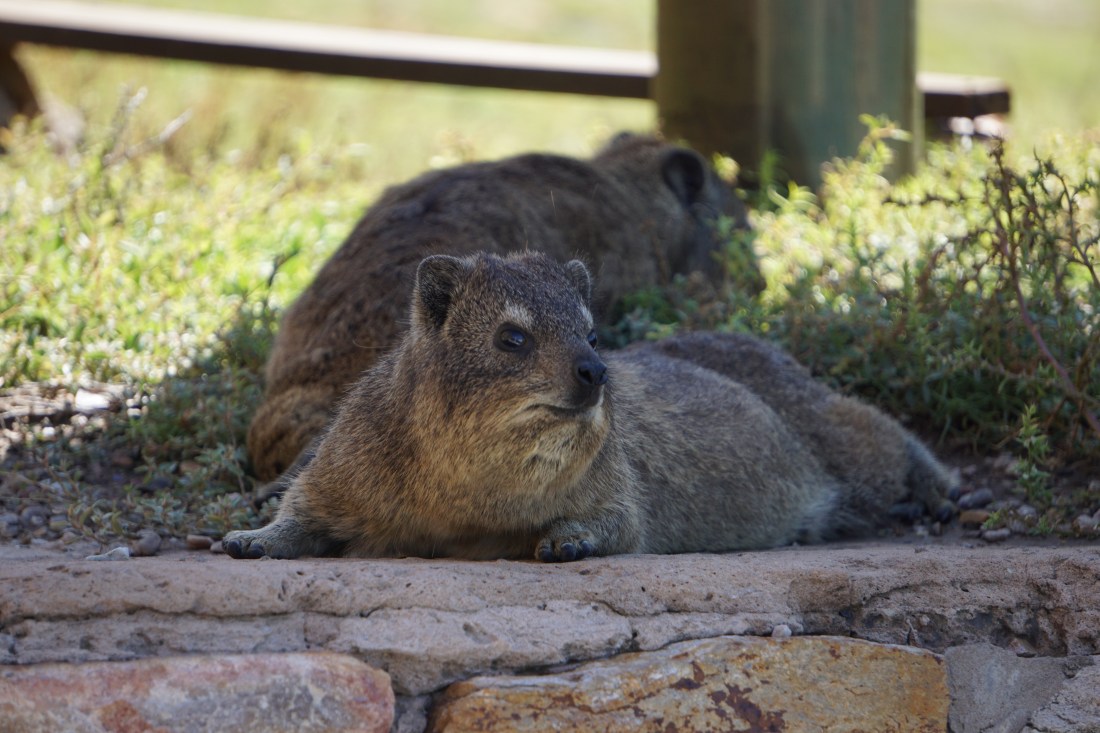
we met many of these furry creatures, hyraxes.

DSC04265

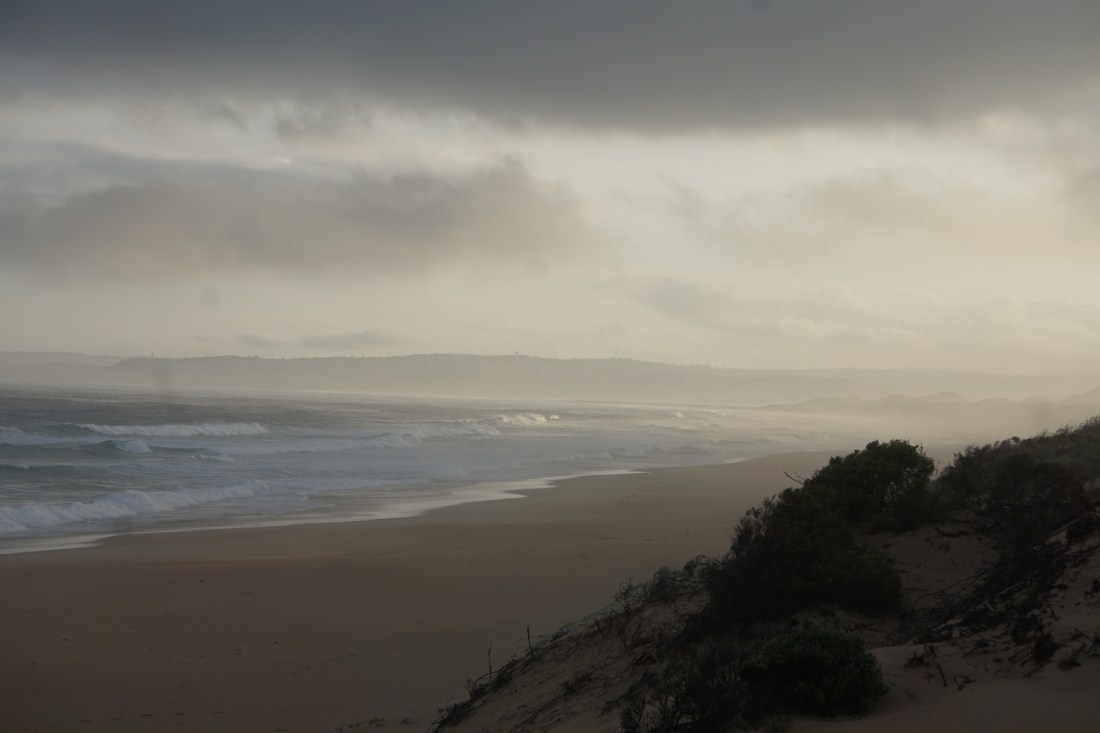
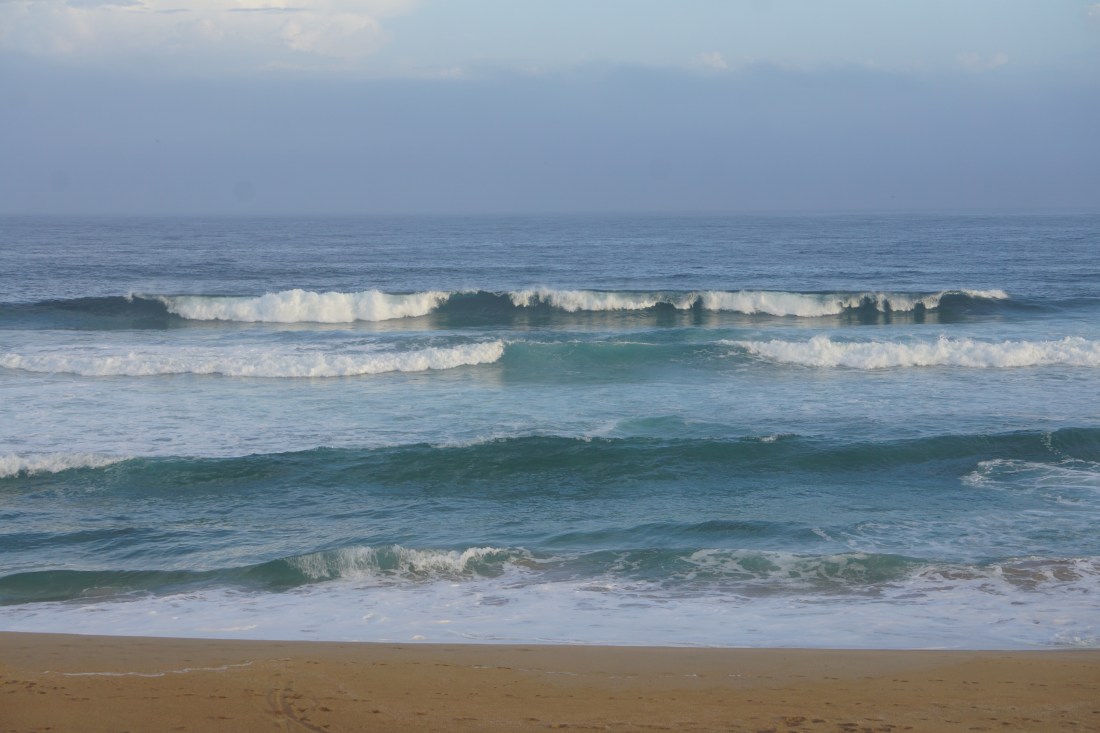
That evening we stayed at a cottage with 10 km of beach front and barely a soul on it. The artist owner bought it to turn into her studio;  however as an Airbnb it was so successful she changed her mind as she lives next door and was enjoying the social aspect of renting it out.  Lovely town, Plettenberg Bay, with a really fun little market place we really enjoyed.

DSC04319    .

DSC04323

DSC04274


South Africa – Cape Town

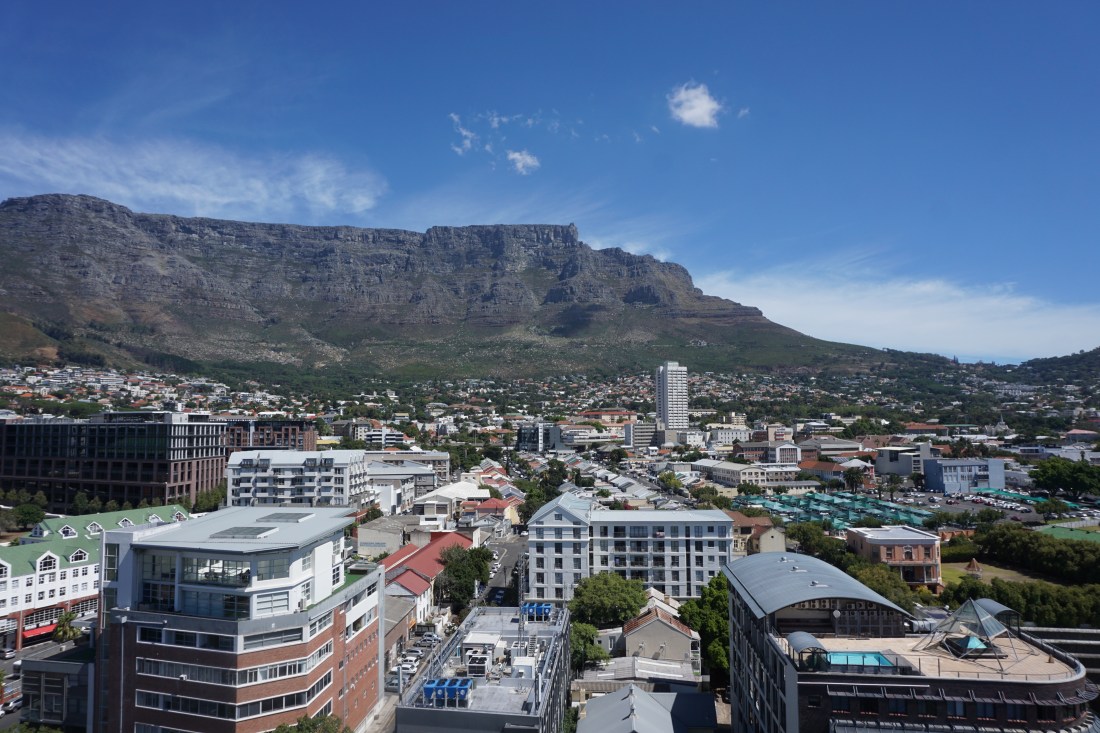
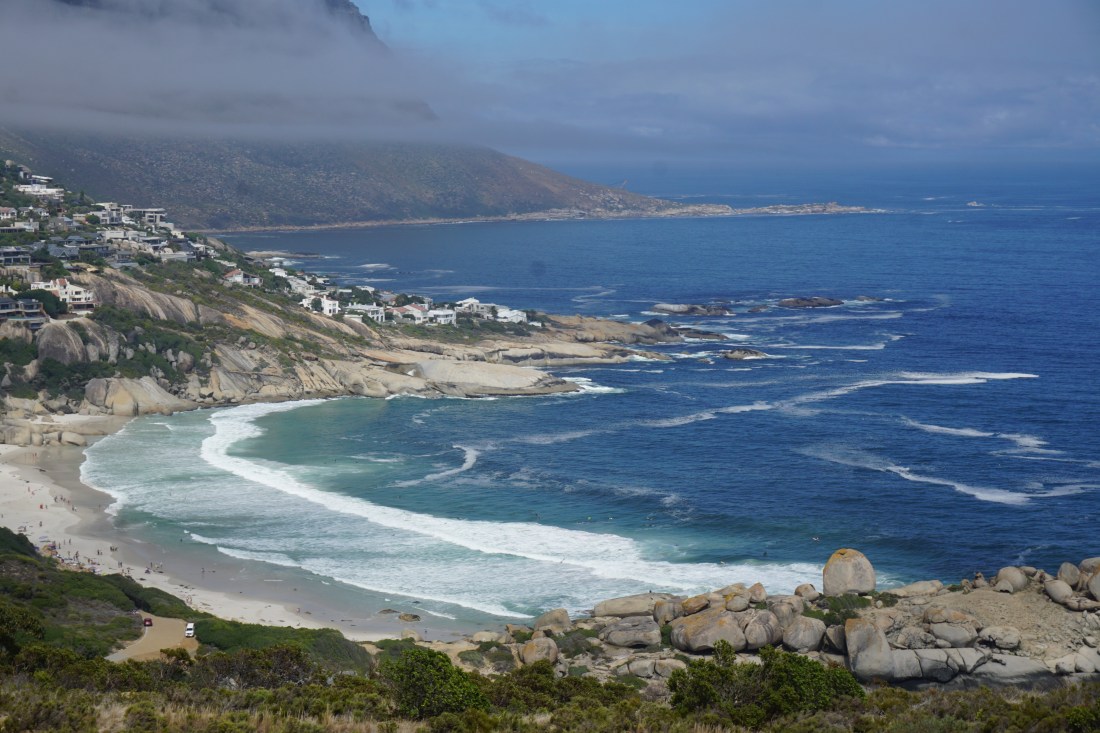
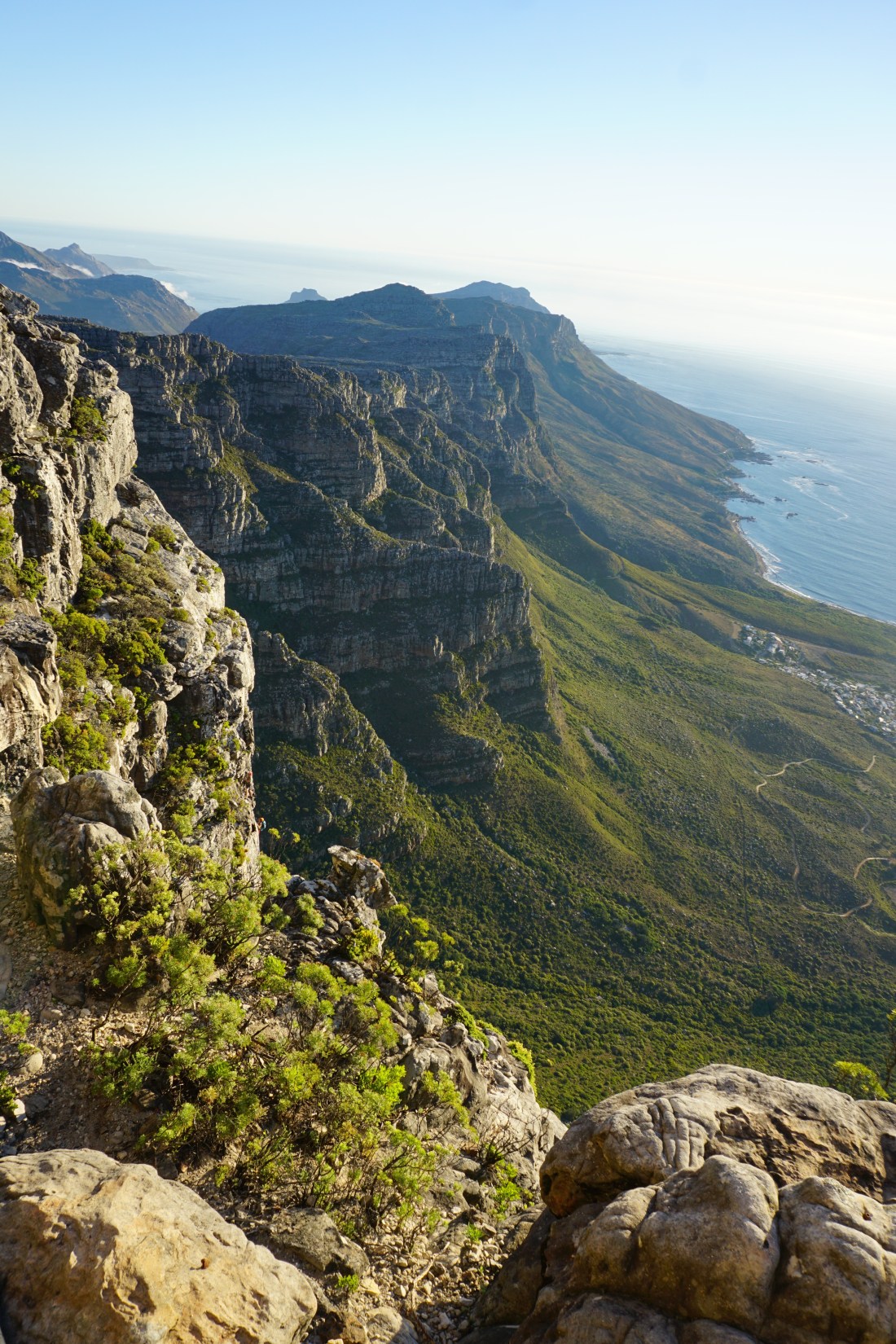
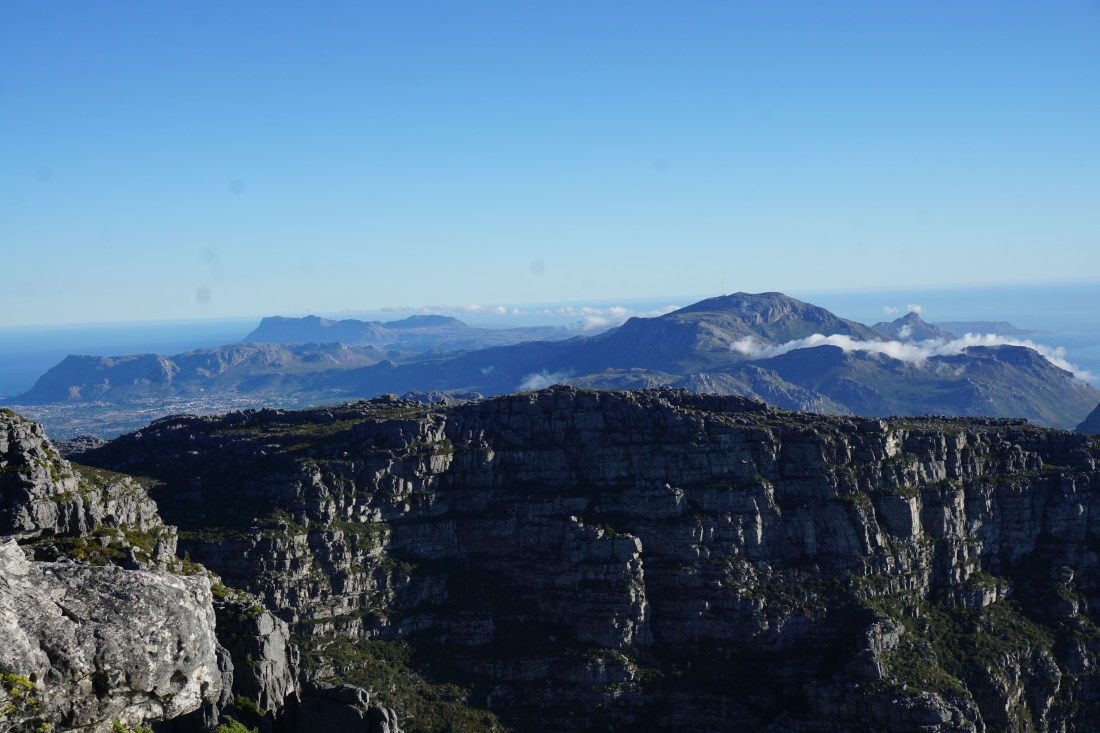
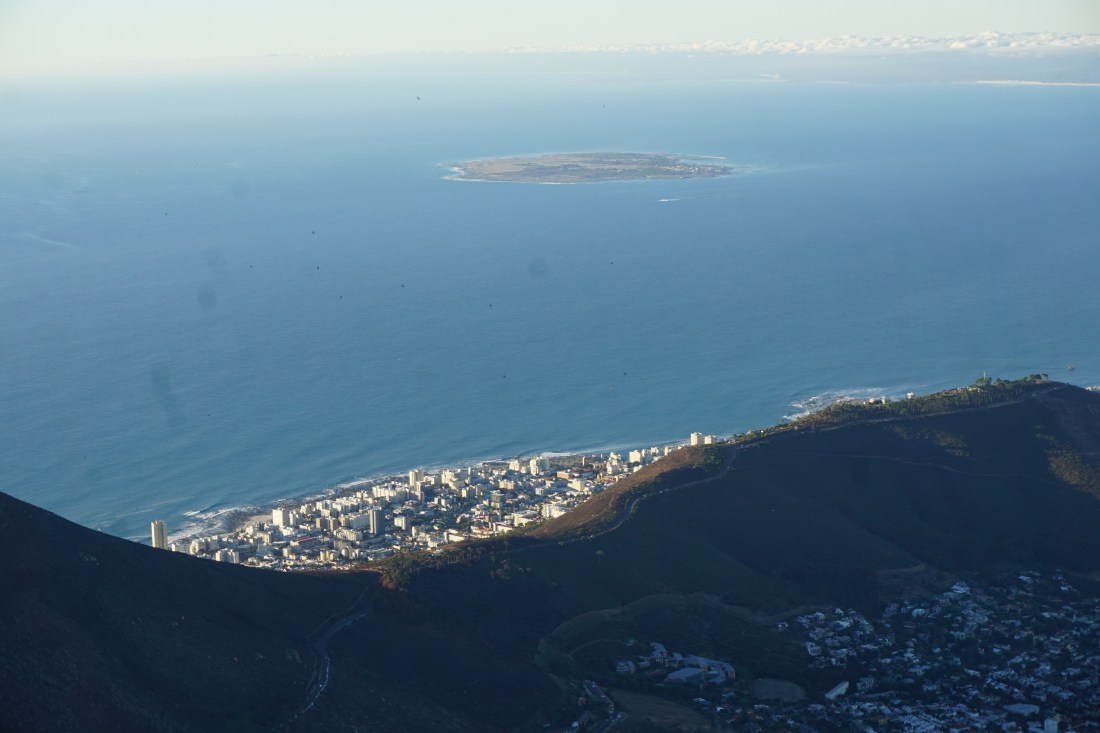
Cape Town is the most spectacular location for a city, with the extensive coast line and spectacular mountains.
DSC03842
DSC03877
DSC03889
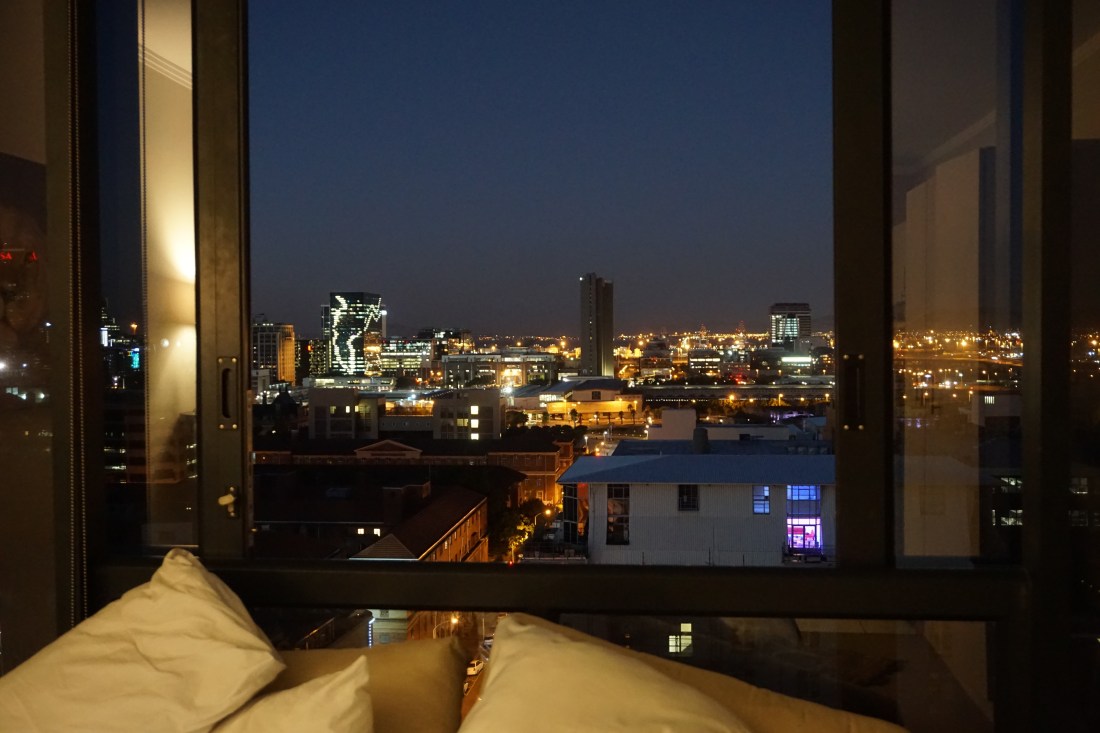
We stayed in a high rise 13 floors above the city so enjoyed the lights of the city at night.
DSC03846
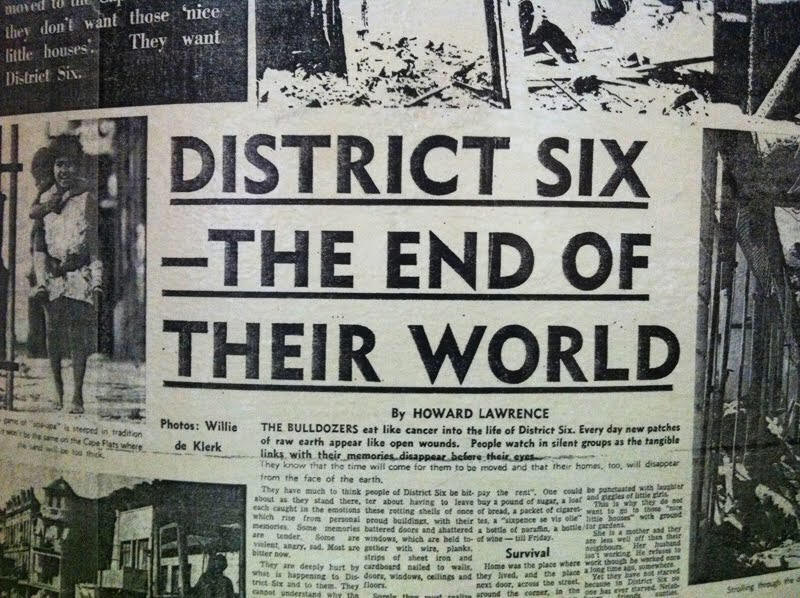
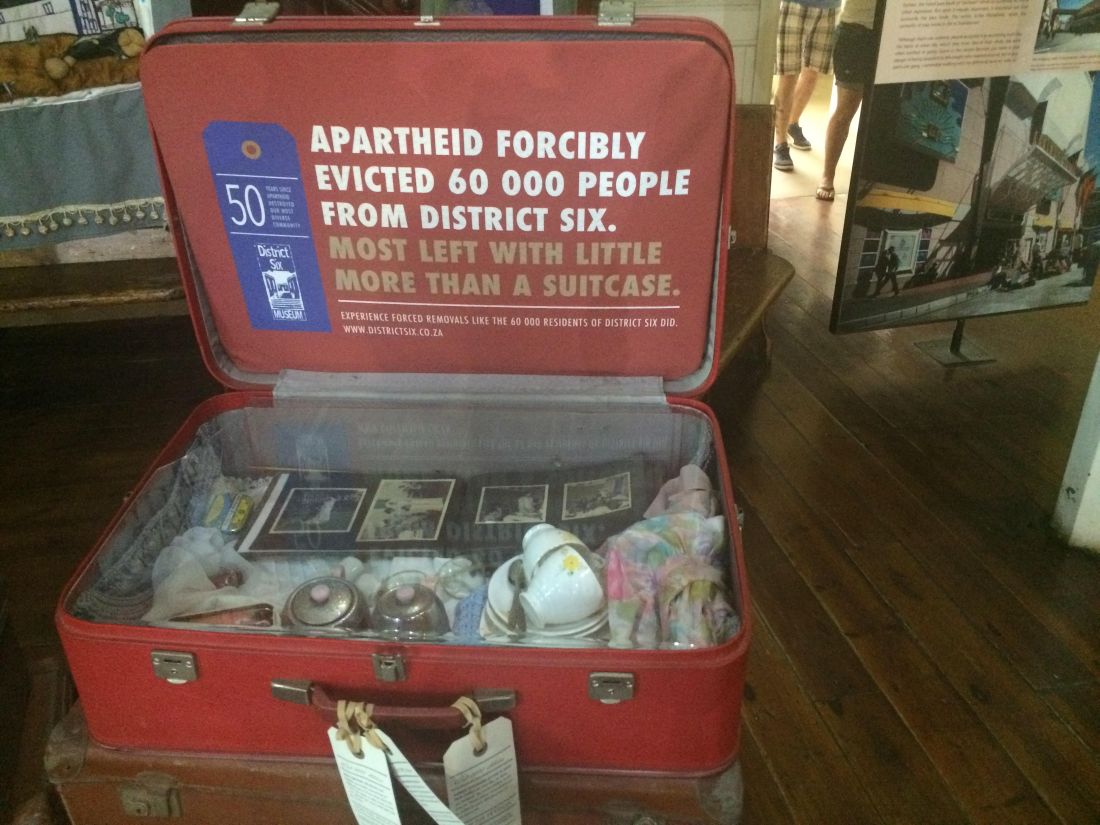
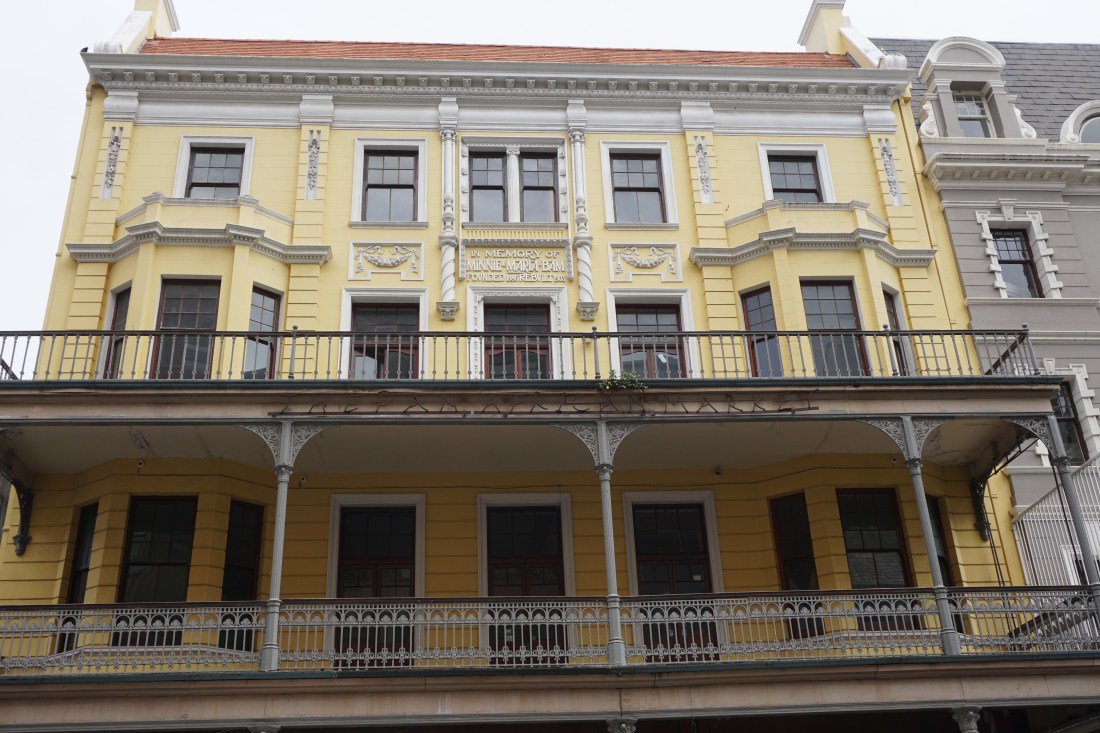
There were many old buildings in the area we stayed that is called Zonnenbloem but historically it is District Six. This once vibrant multi-ethnic neighbourhood was cleared of about 60,000 of its residents in the 1970’s to make room for redevelopment under the rules of apartheid.  Most of those relocated were sent to the Cape Flats, a desolate area 25 kilometres away. Since the fall of apartheid, efforts are being made to relocate many of the former residents.
5
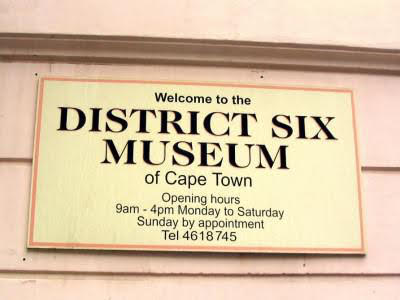
The District Six Museum tells the story of the relocation of these individuals and includes many personal memories of those who were forced to leave.
4
1
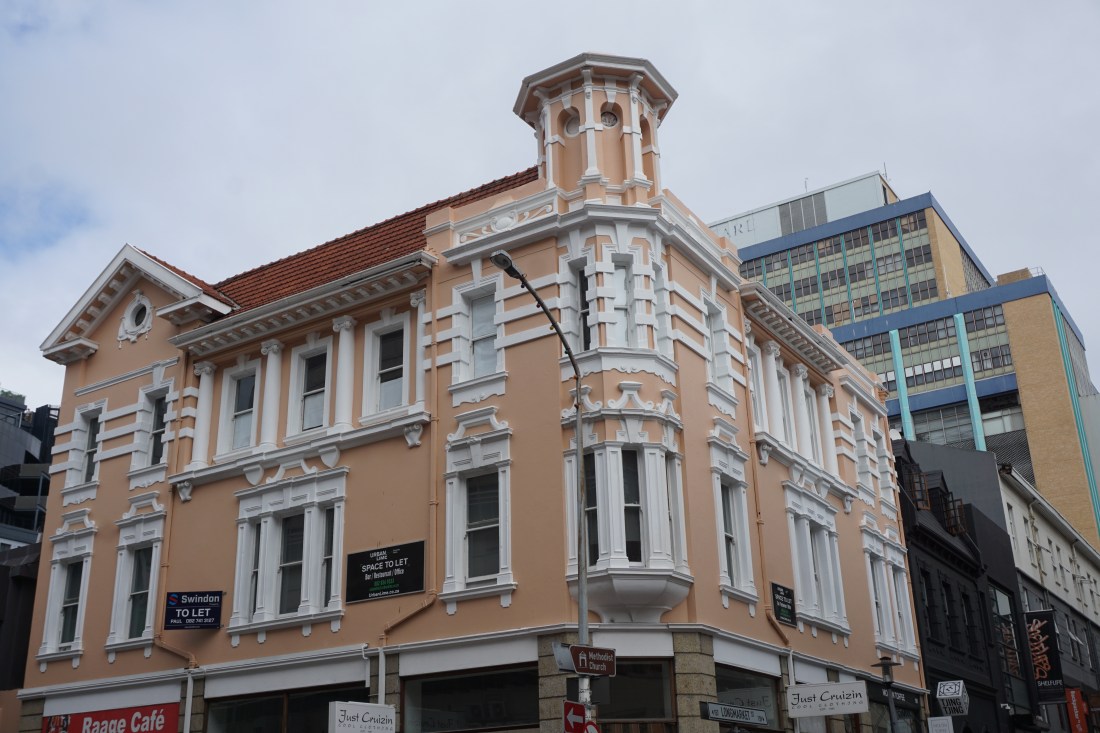
These are some of the building that were left in the area.
DSC03868
DSC03869
DSC03863
Very artistic murals.
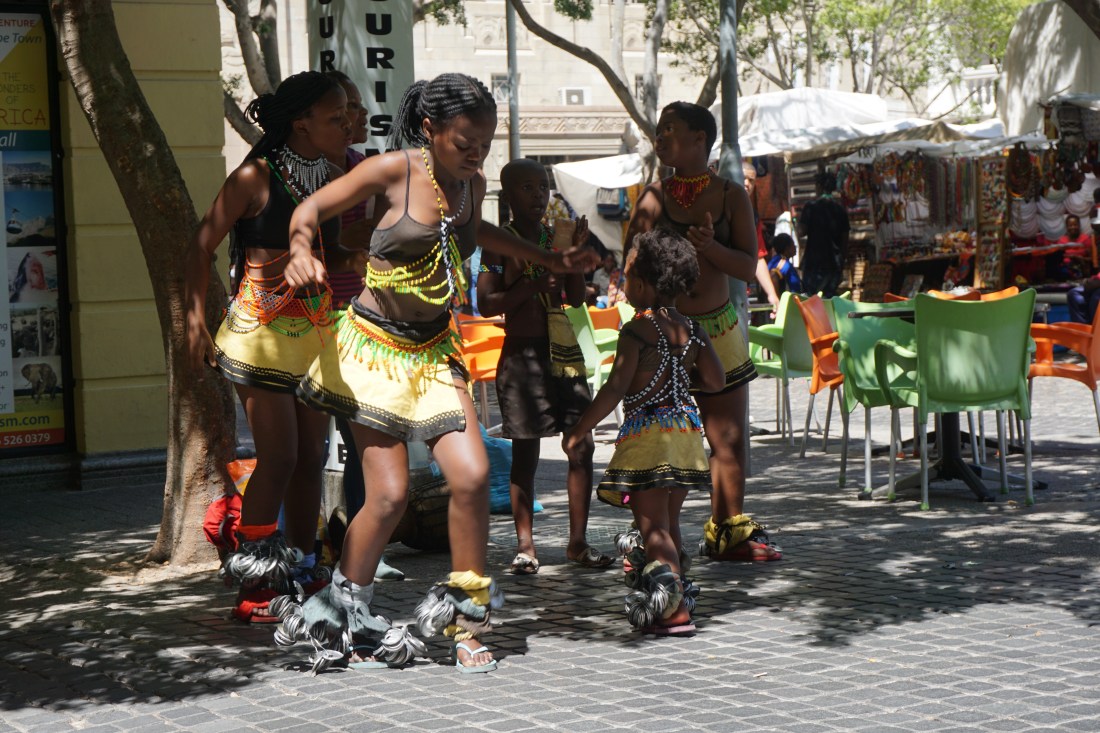
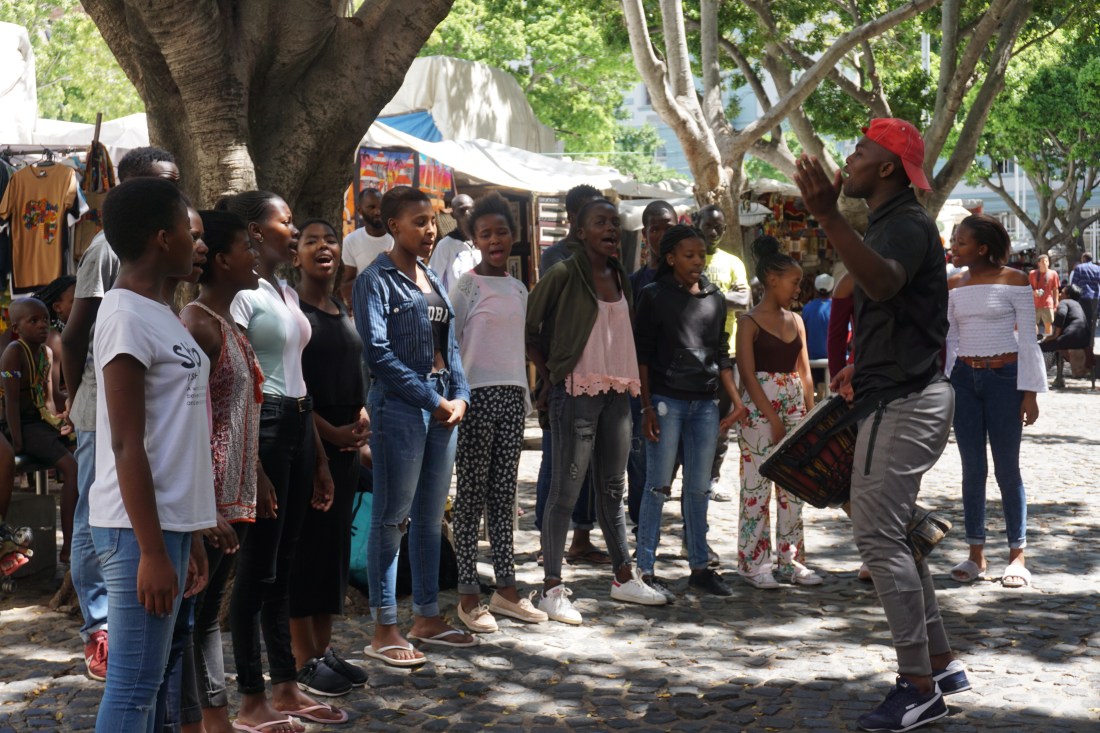
Downtown street entertainment.
DSC03905
Wonderful singing but my video wouldn’t down load.
DSC03903
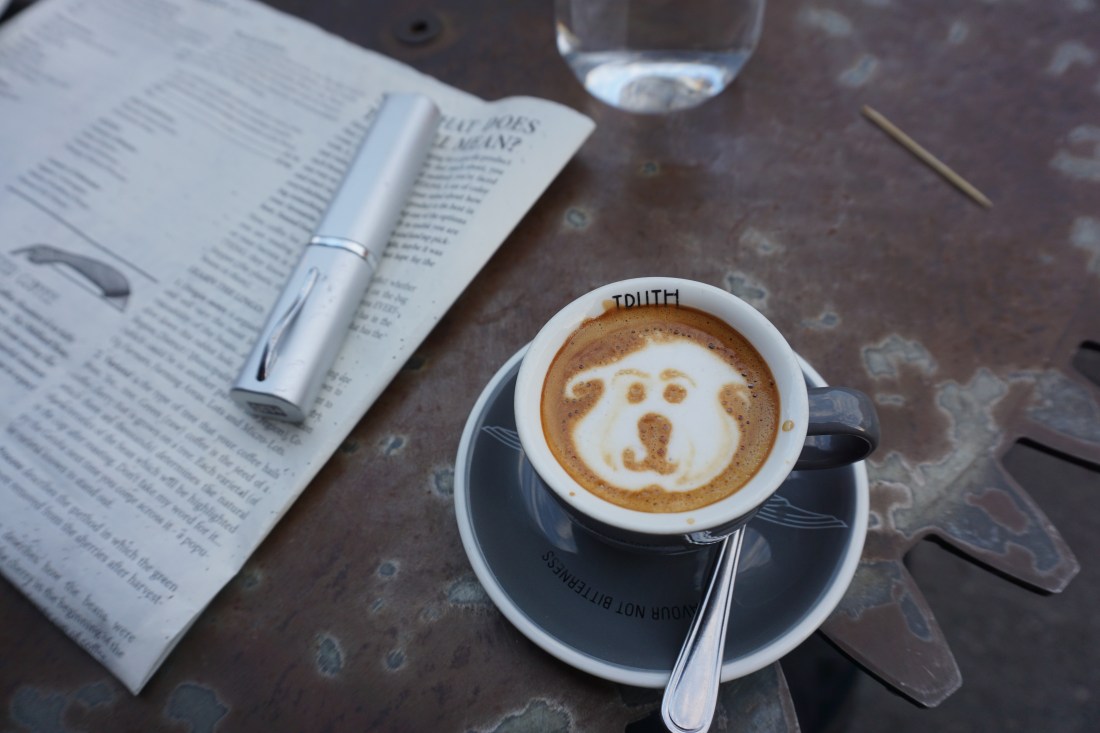
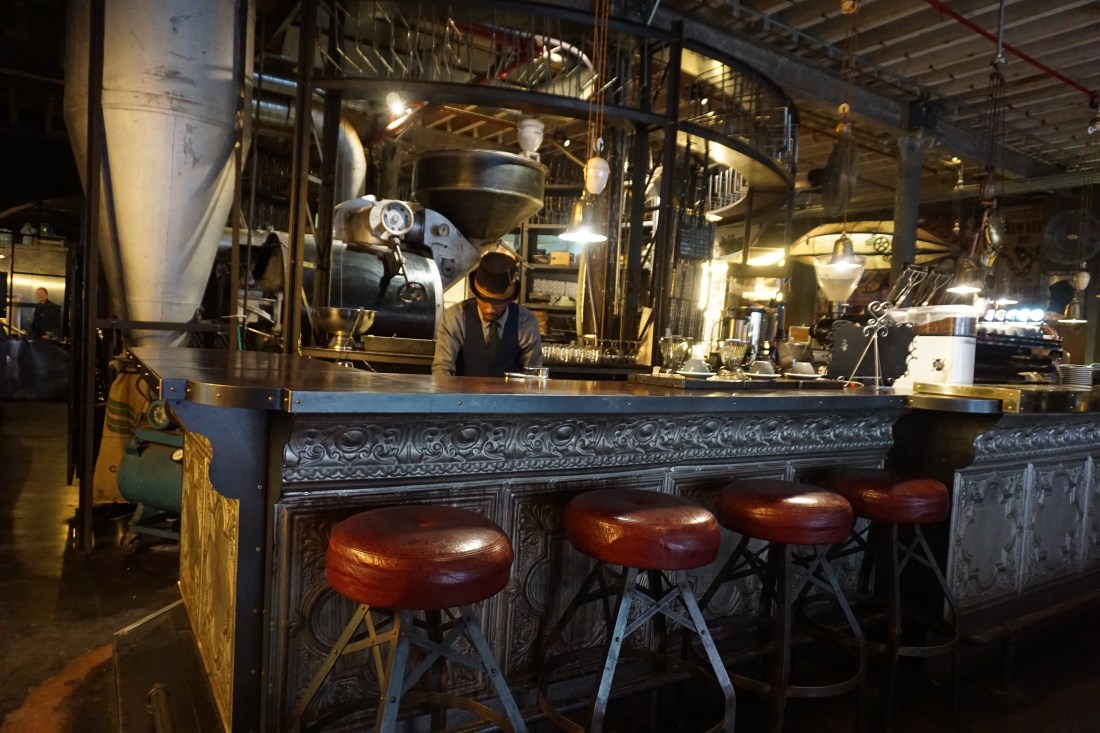
The Truth Coffee Roasting by our place made puppy dog expresso, kept their menus in an old baby pram, had tables made from circular saw blades, kept their coffee in an old washing machine and had a very creative bar.
DSC03906
DSC03911
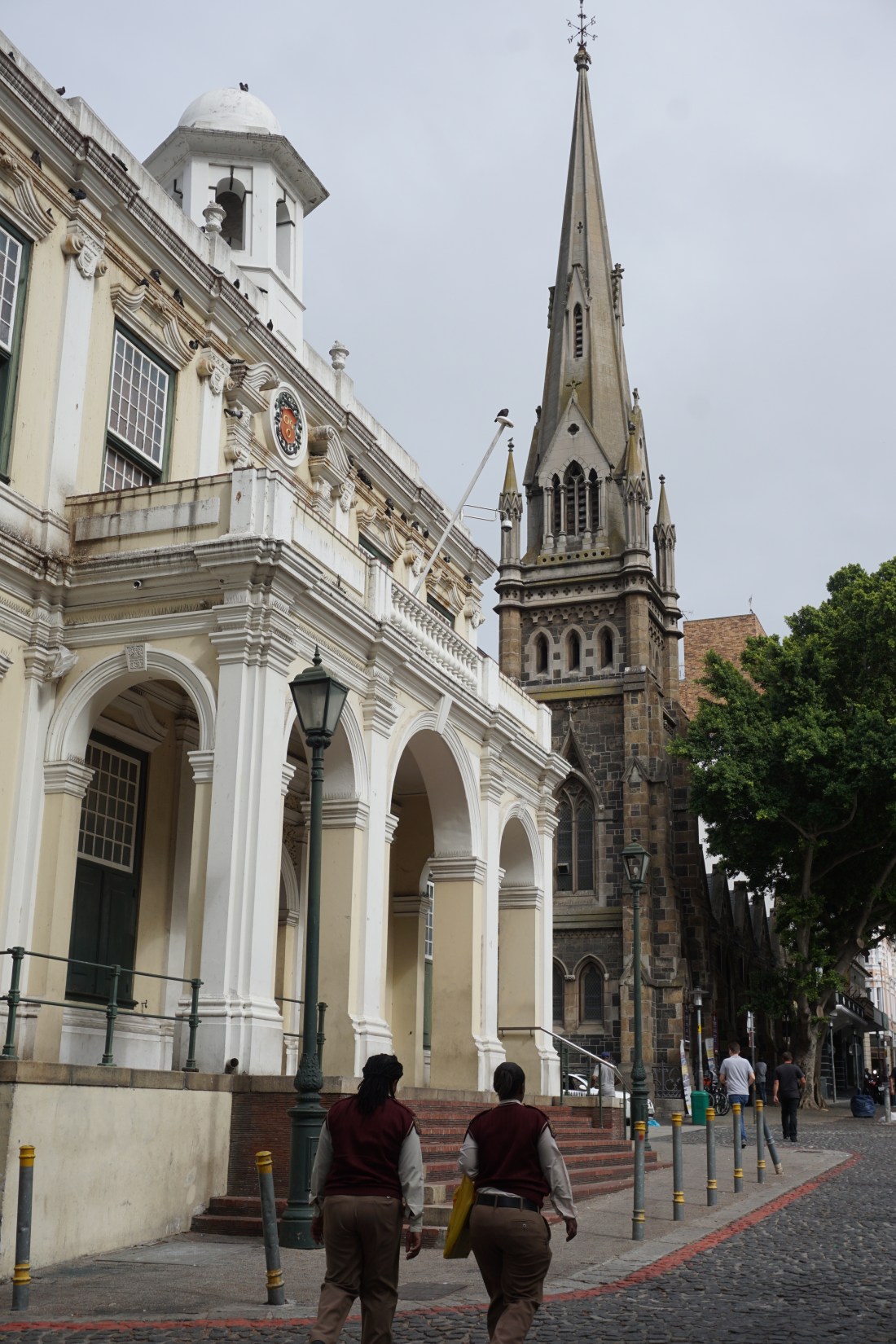
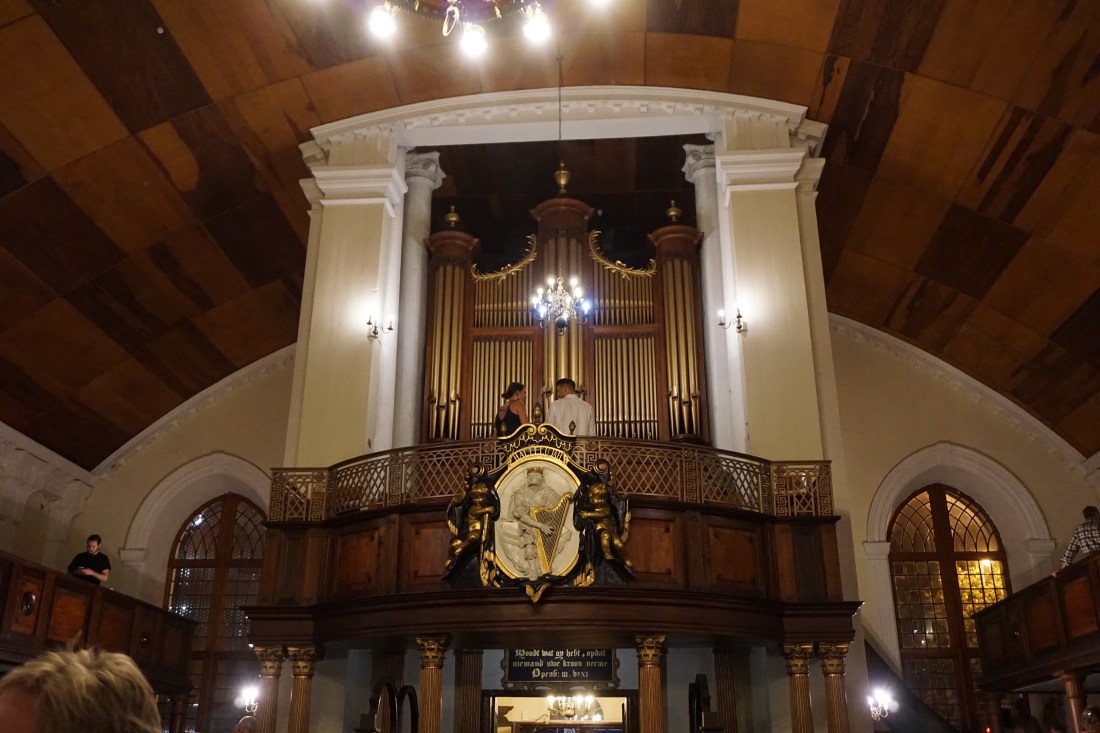
We went to Mozart’s Requiem in the Lutheran Evangelical Church. The oldest church in CT.
DSC03920
We took full advantage of the Hop On Hop Off  bus activities for the city.  It was one of the best systems for tourists we have experienced in any of the cities we have visited.
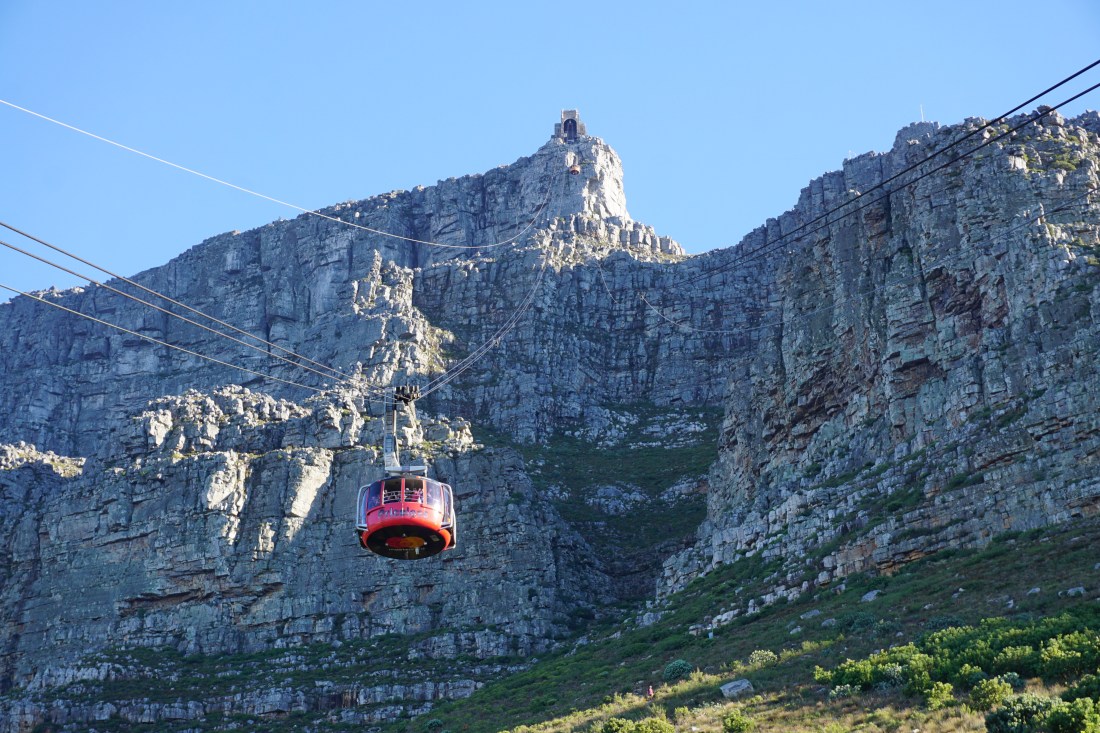
Heading up the gondola on Table Mountain
DSC03936
DSC03960


DSC03945
DSC03959
Enjoyed the harbour sights.
DSC03929
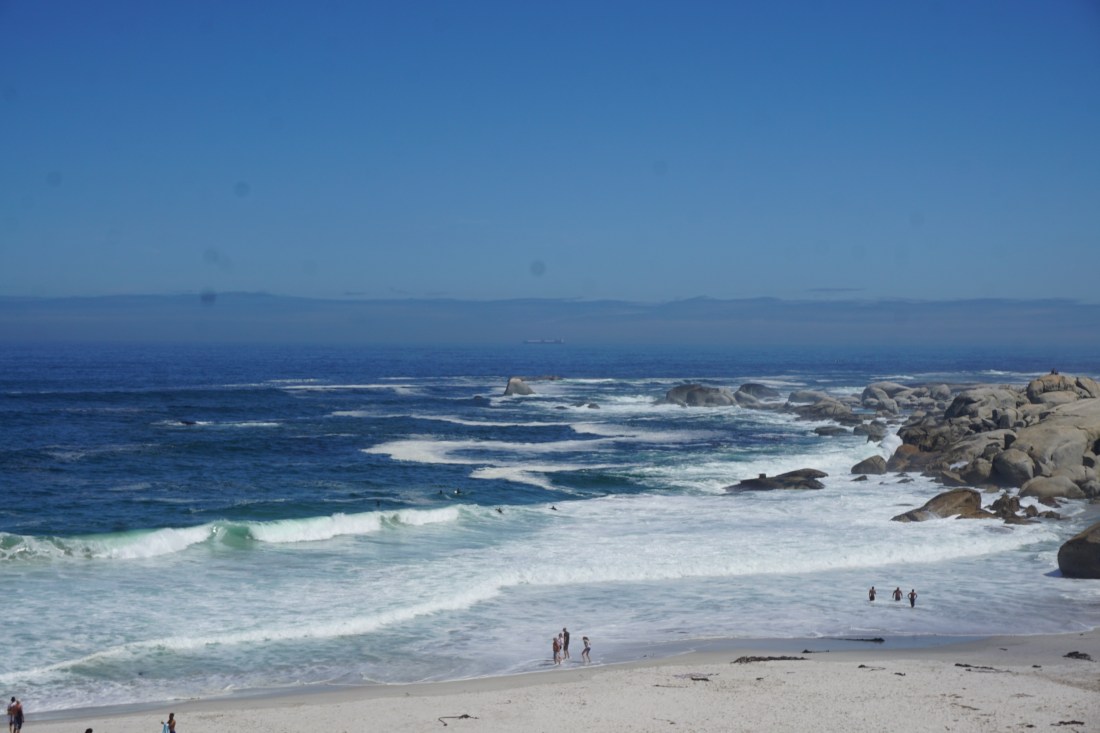
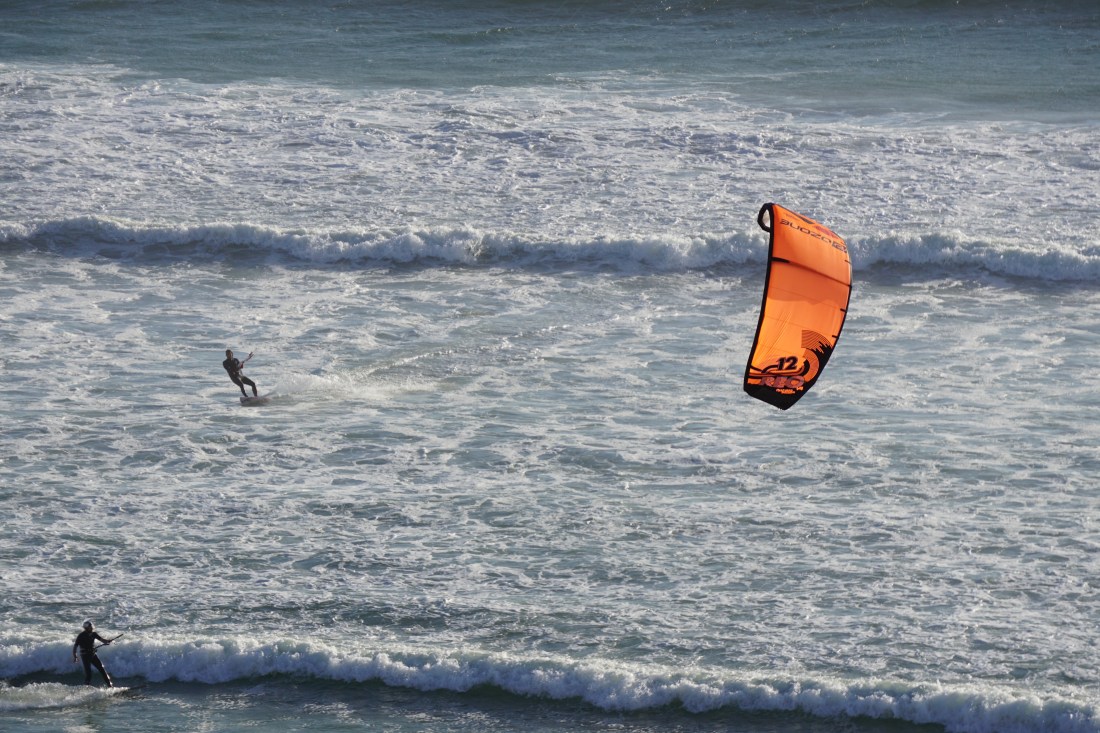
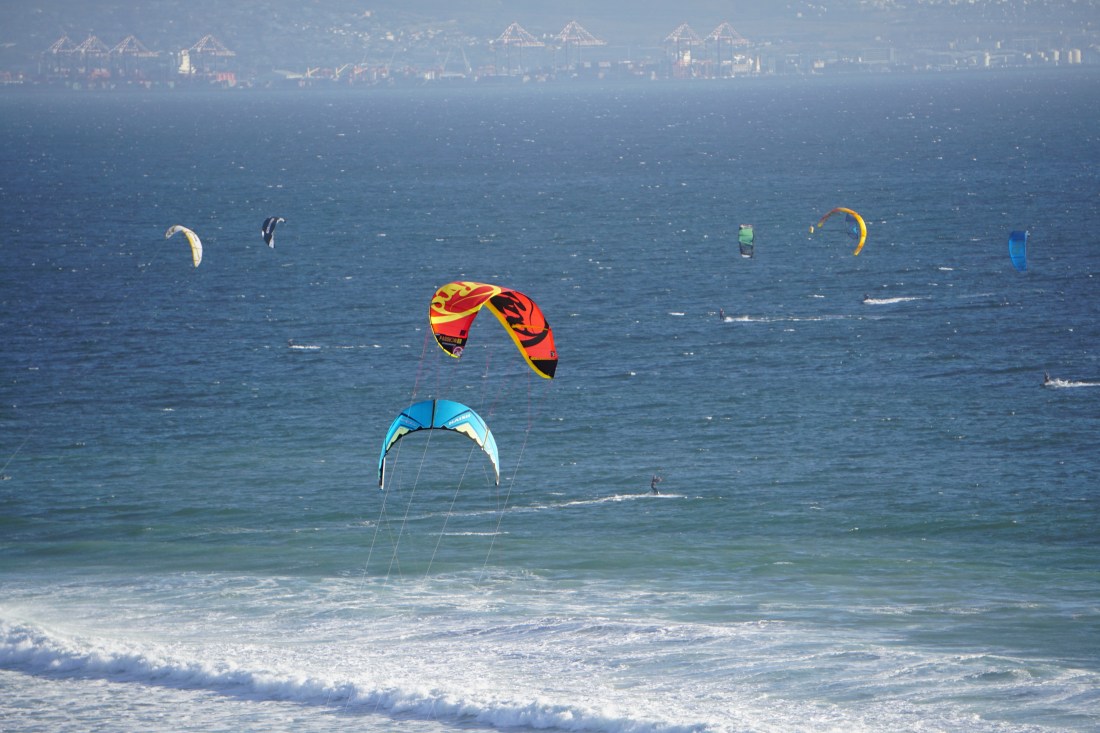
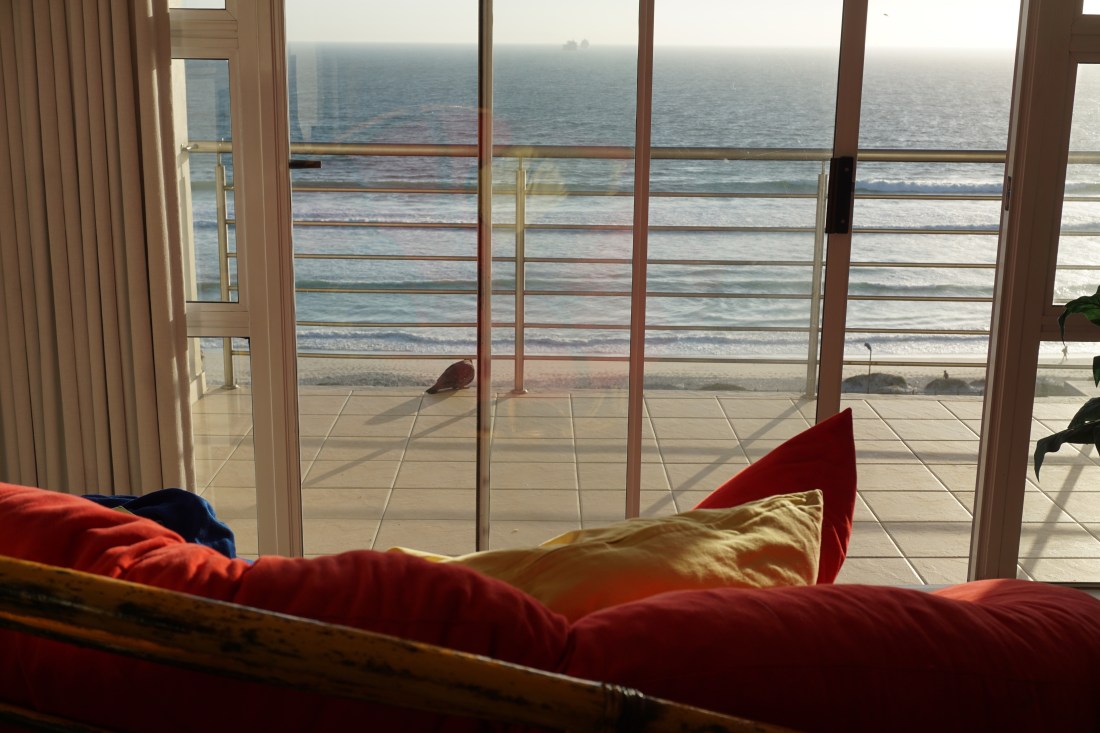
We moved to a high rise above Kite Beach where we enjoyed watching the kite boarders.
DSC04019
DSC04008
DSC04009
We plan to return here for a few more days before leaving South Africa.

DSC04023

Northern Ethiopia – Mekele

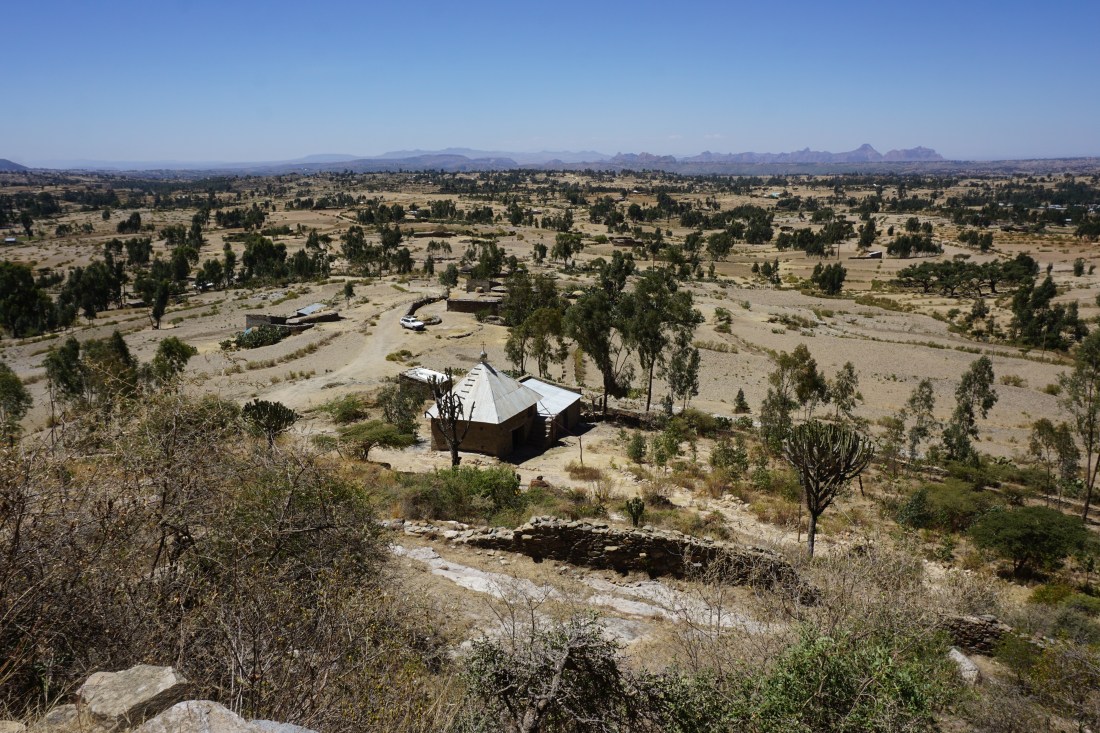
Our last day in Ethiopia involved visiting the two oldest Orthodox Churches in the country, both of which our guide said were still standing due to their inaccessibility.  One was on top of a mountain, the other tucked onto a ledge of a cliff.

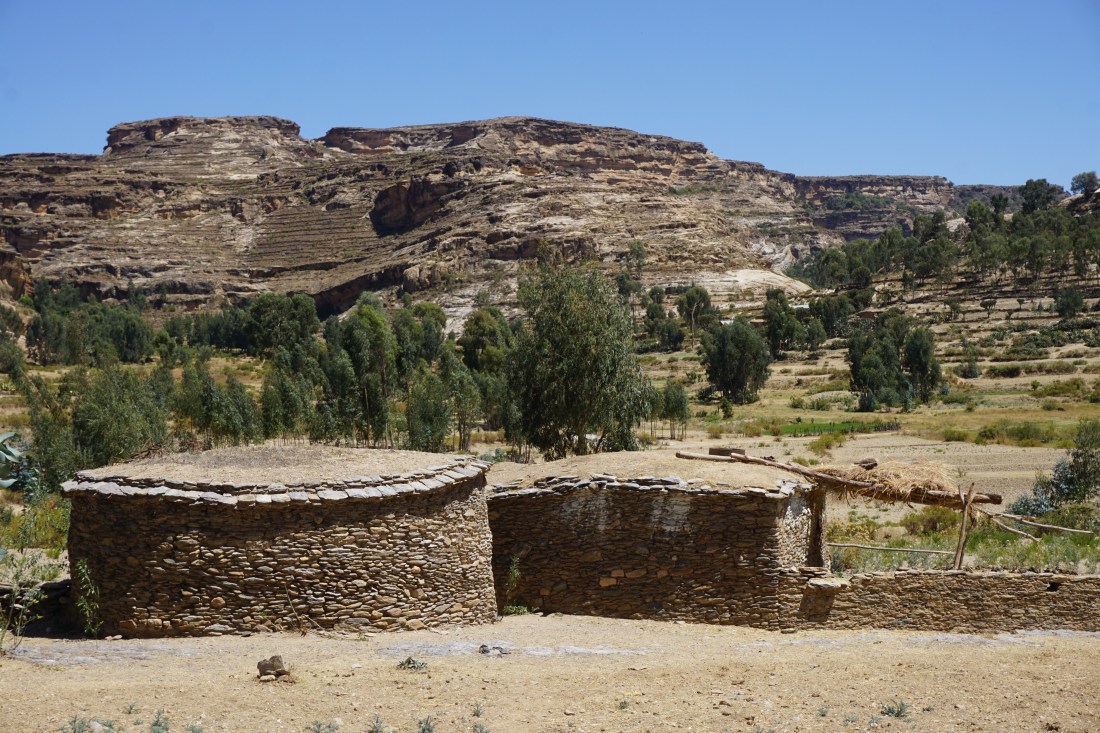
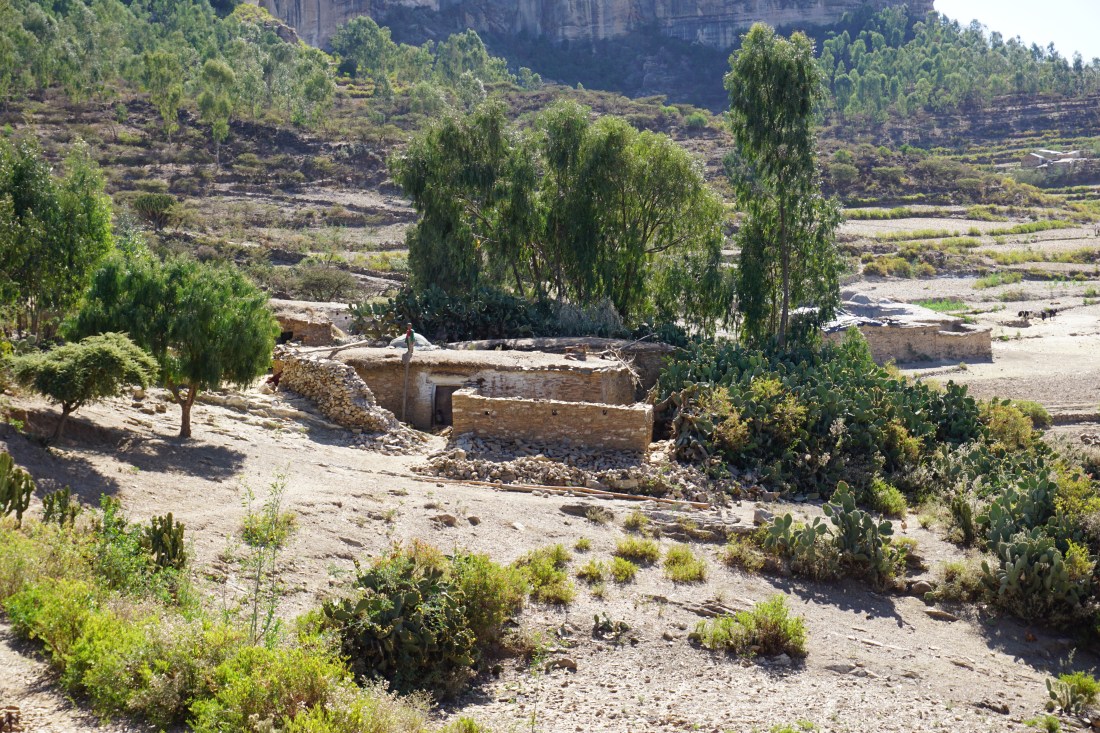
Heading to them we passed beautiful rock homes.

DSC03825

DSC03822


DSC03721


Climbing to the church.

DSC03782

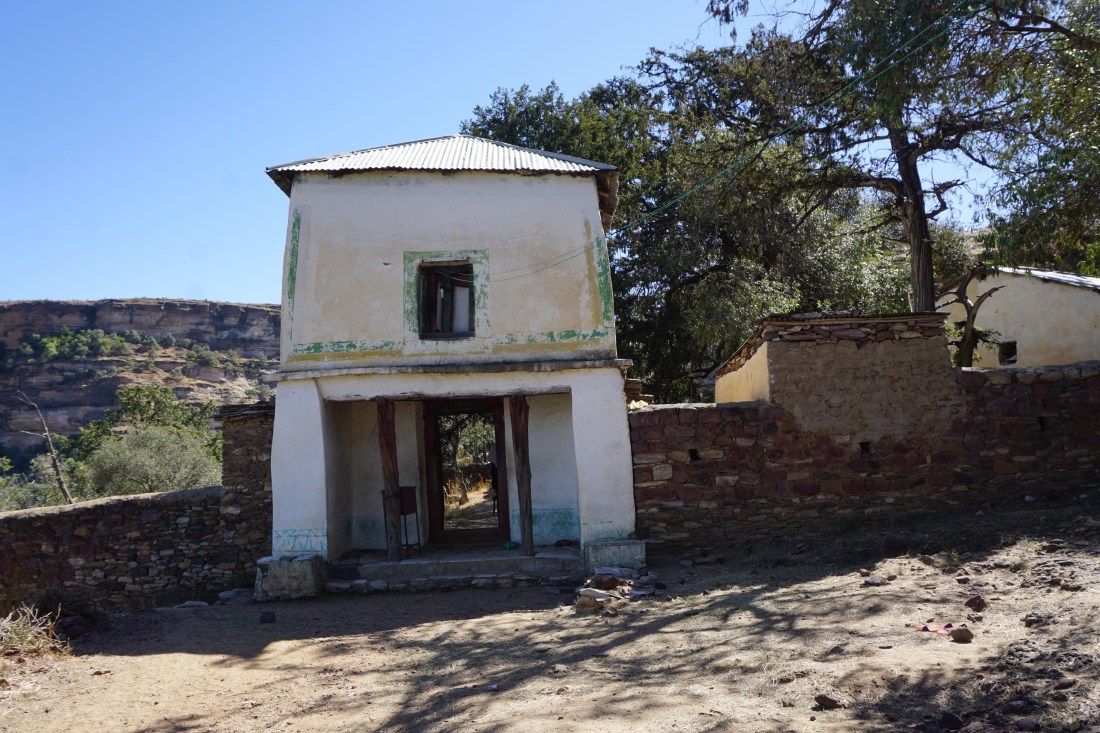
The entrance to the church yard.

DSC03726


Inside the church yard these men were digging a grave for a woman in the community who had just died.  She was 106. The community was mourning.


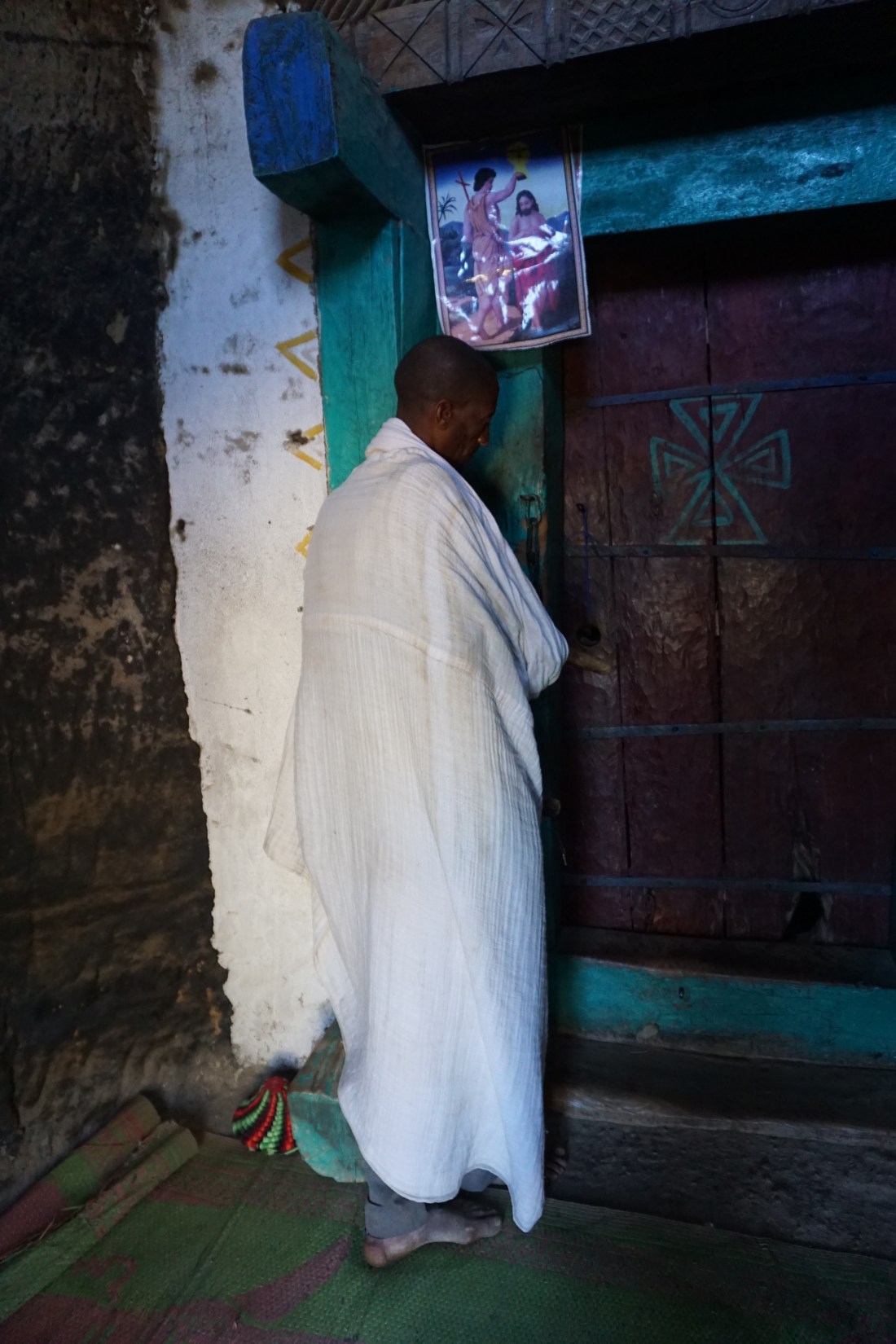
The priest opened the church door which was an intricate traditional operation in and of itself.

DSC03730

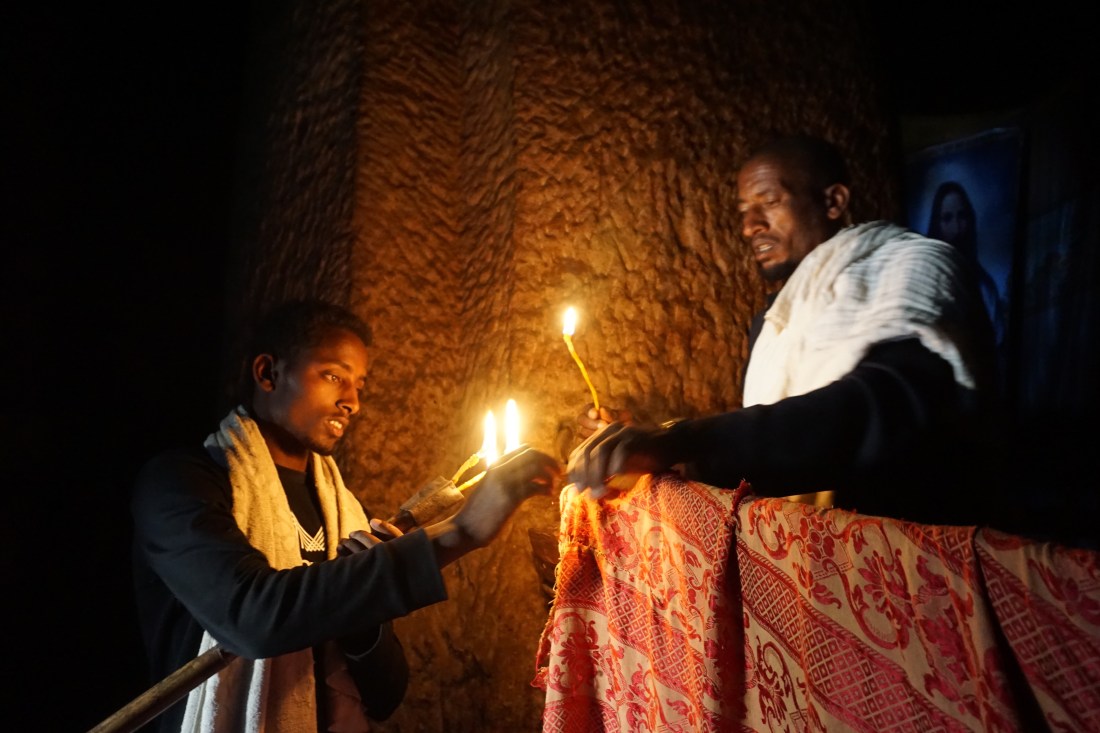
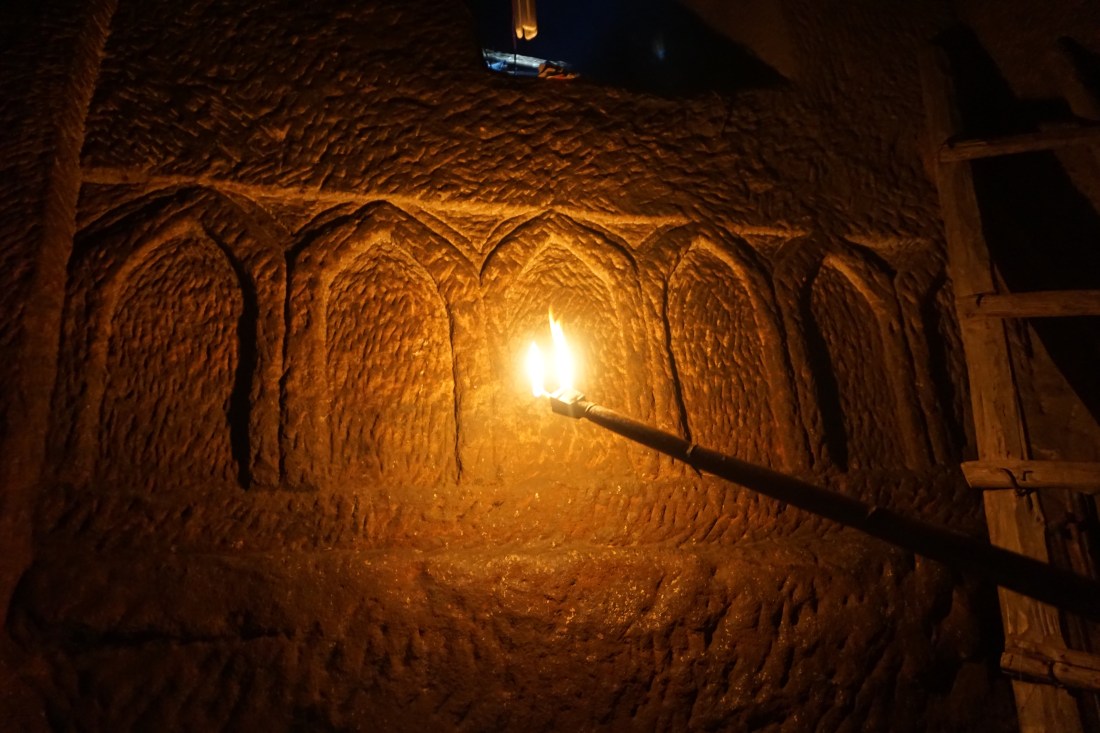
He lit a torch for our guide so he could tell the stories about all the carvings on the walls and ceiling.

DSC03735


DSC03736


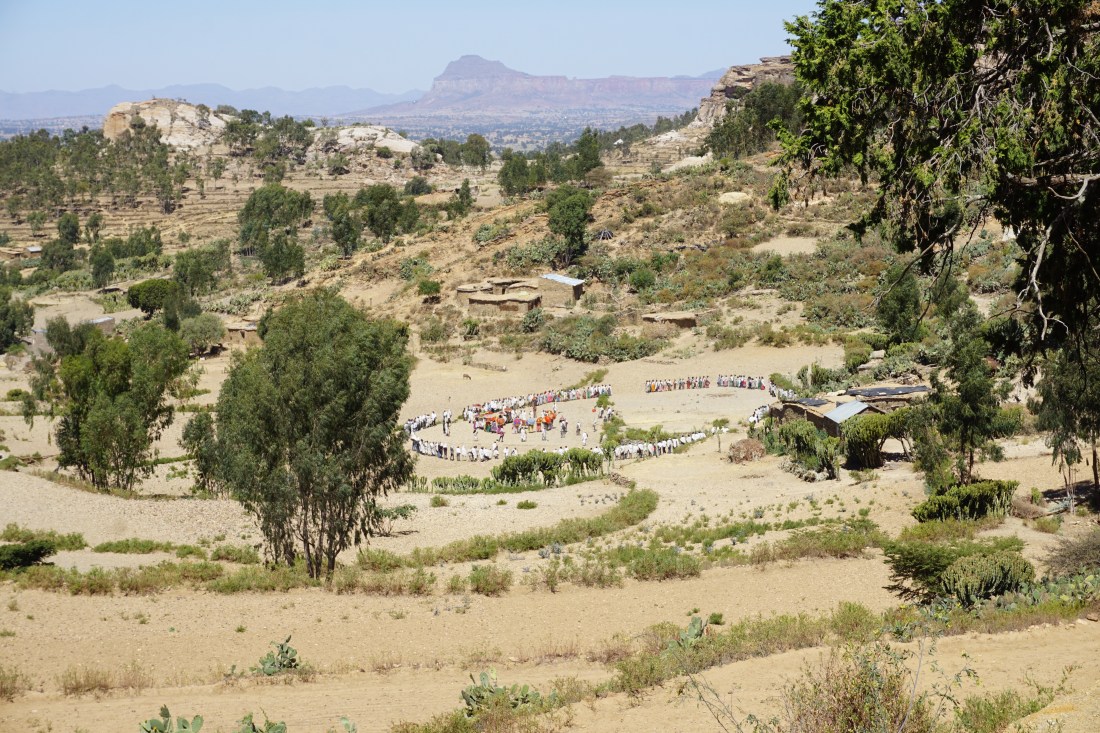
Coming down we saw the community gathering for the crying vigil for the woman who passed away. We were told it was a happy event as she had reached a great age.

DSC03764


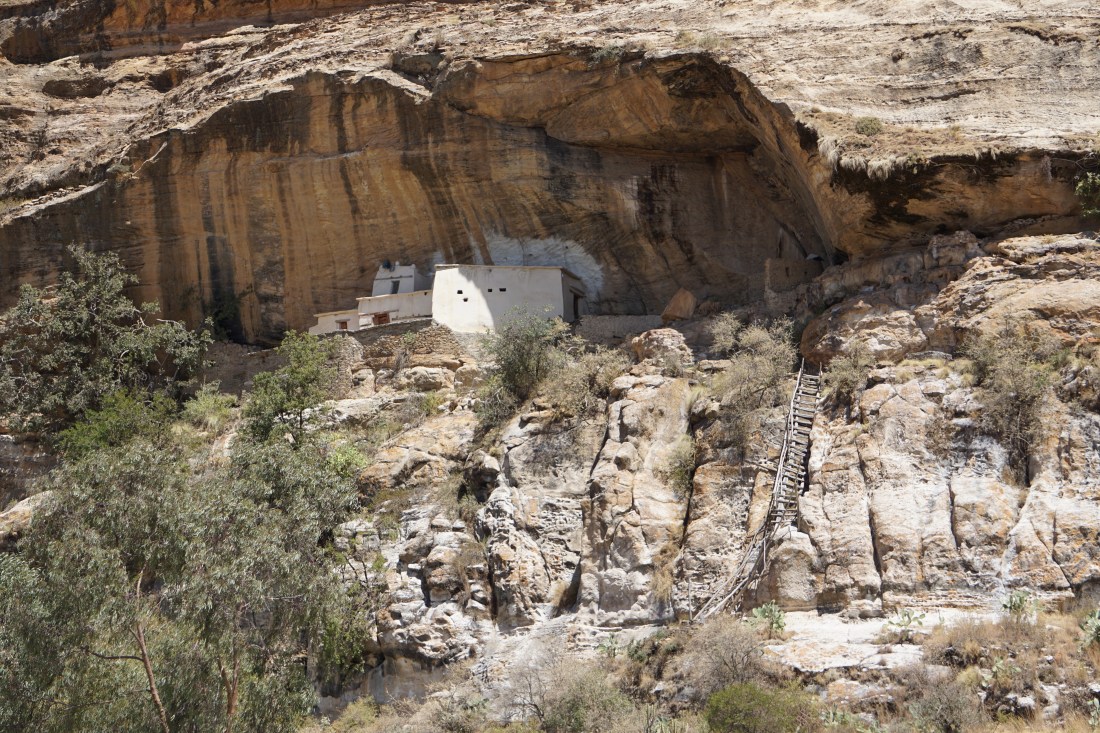
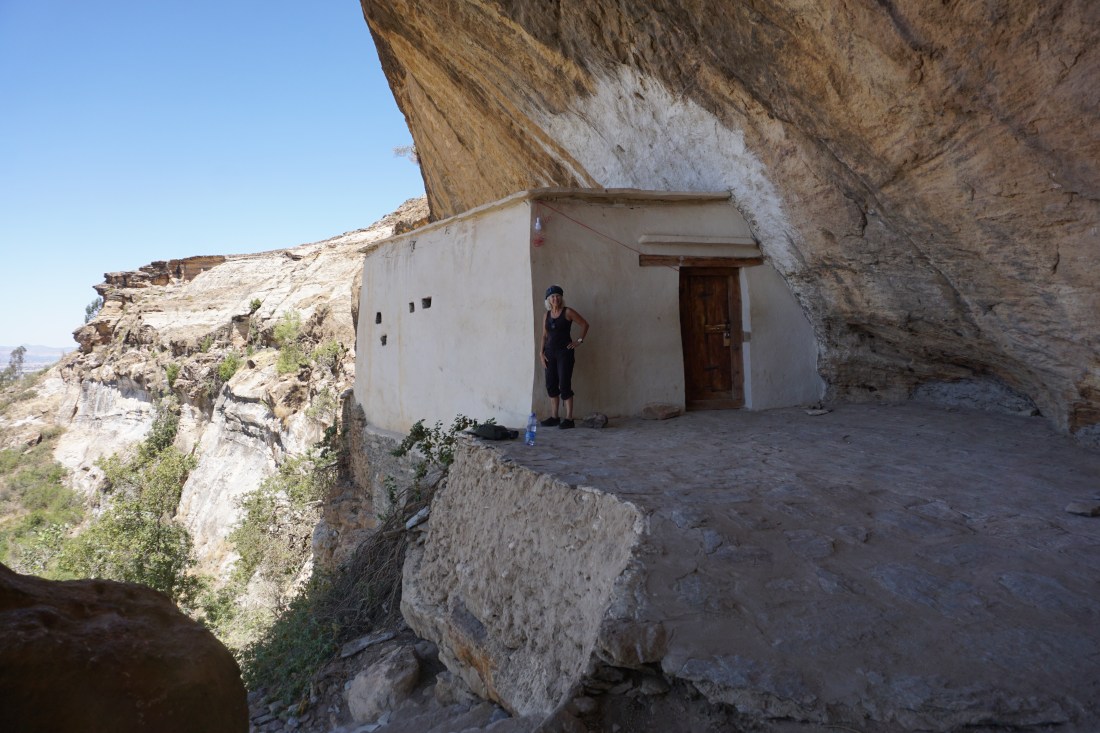
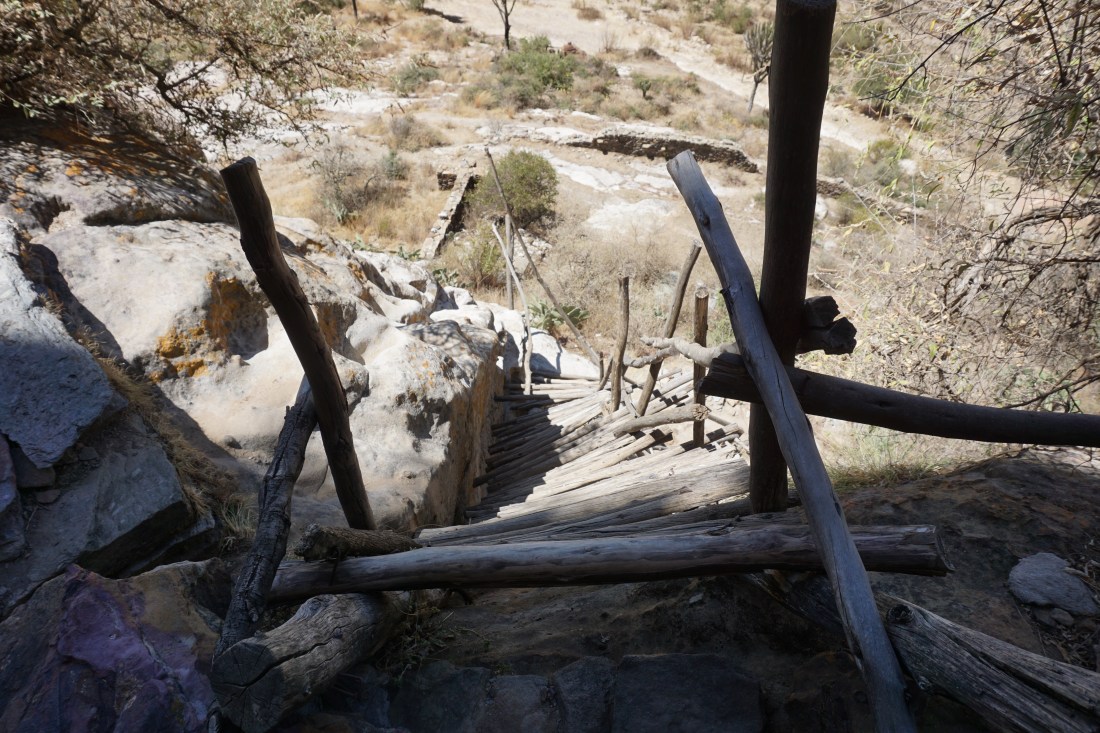
The other church we visited was tucked up on a ledge and only accessible by ladders.

DSC03821

which I was assured were absolutely safe.


DSC03790


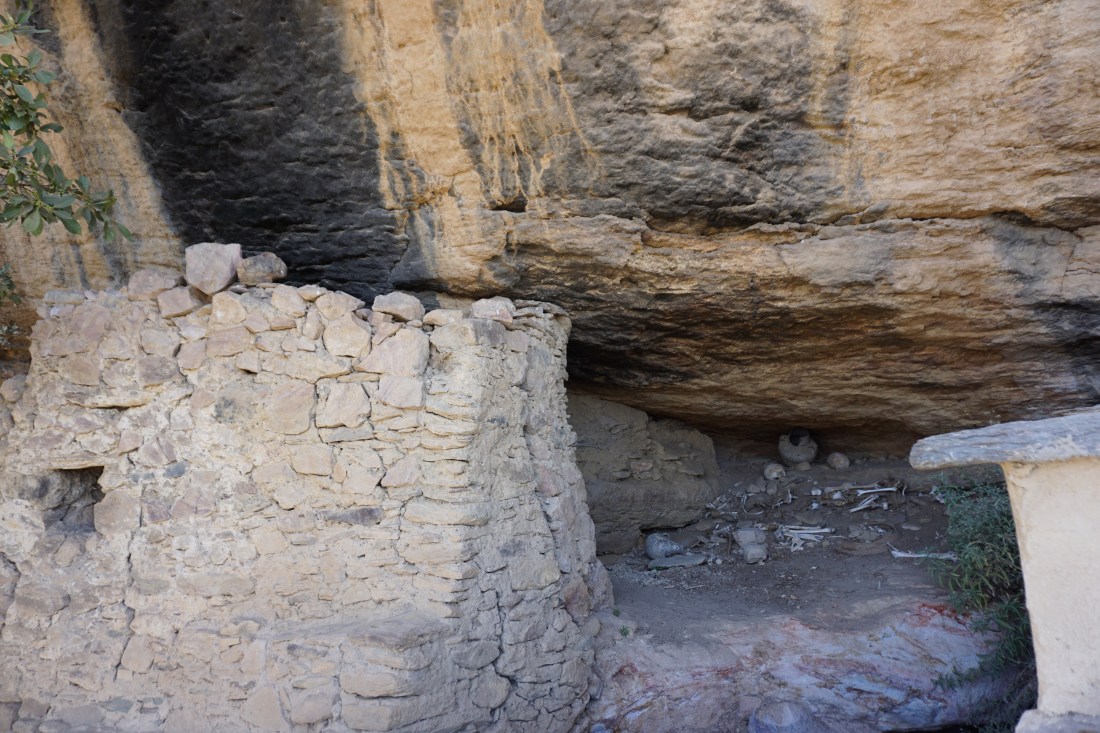
Bones and earthen ware jugs from ancient pilgrims.

DSC03806

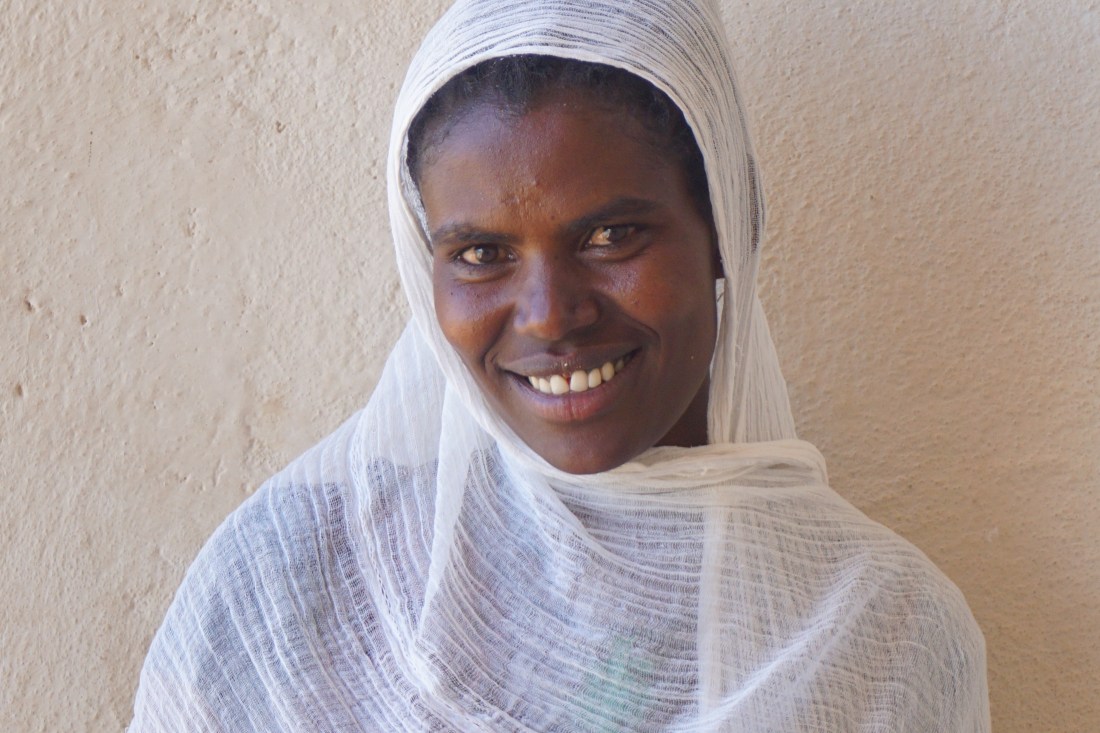
The priest’s daughter opened the church as her father was at the funeral.

DSC03817

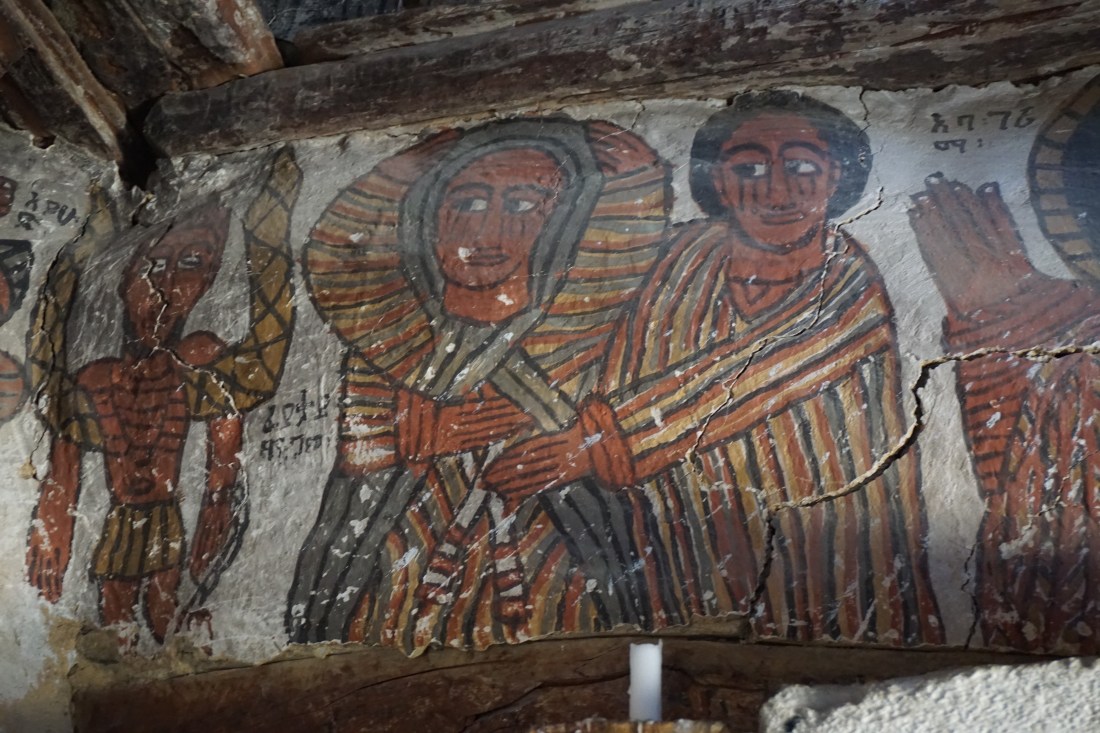
The amazing ancient pictures on the inside of the church telling the story of Christ.

DSC03798


Coming down, really.

DSC03786

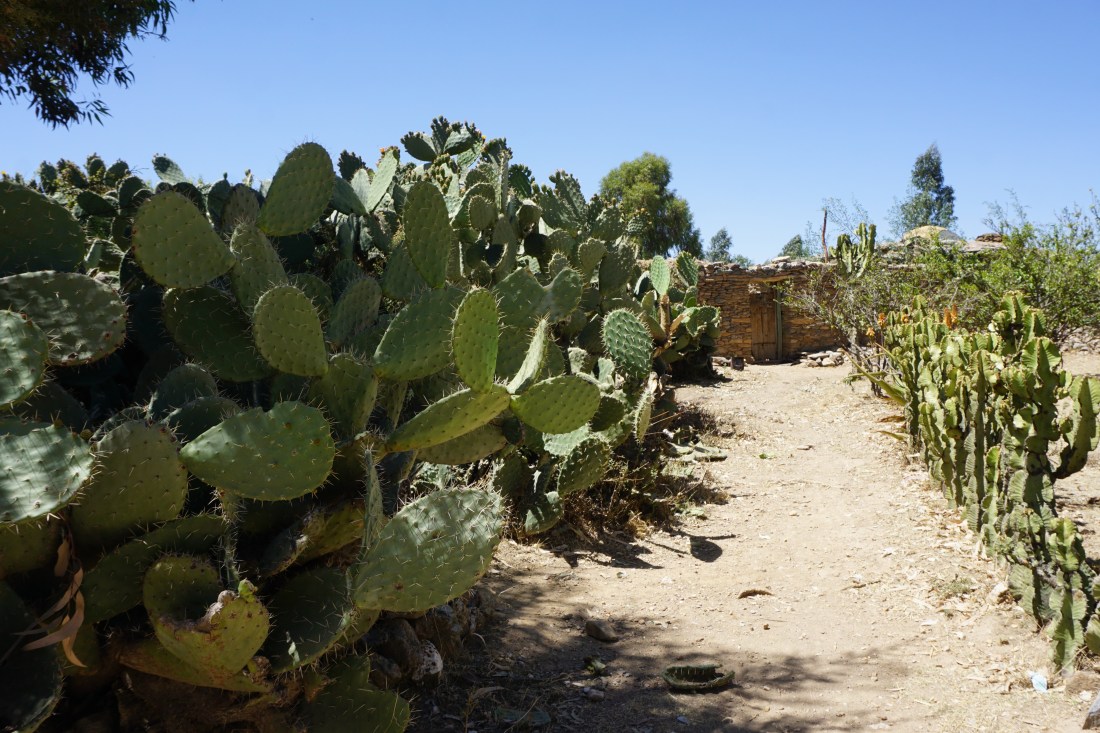
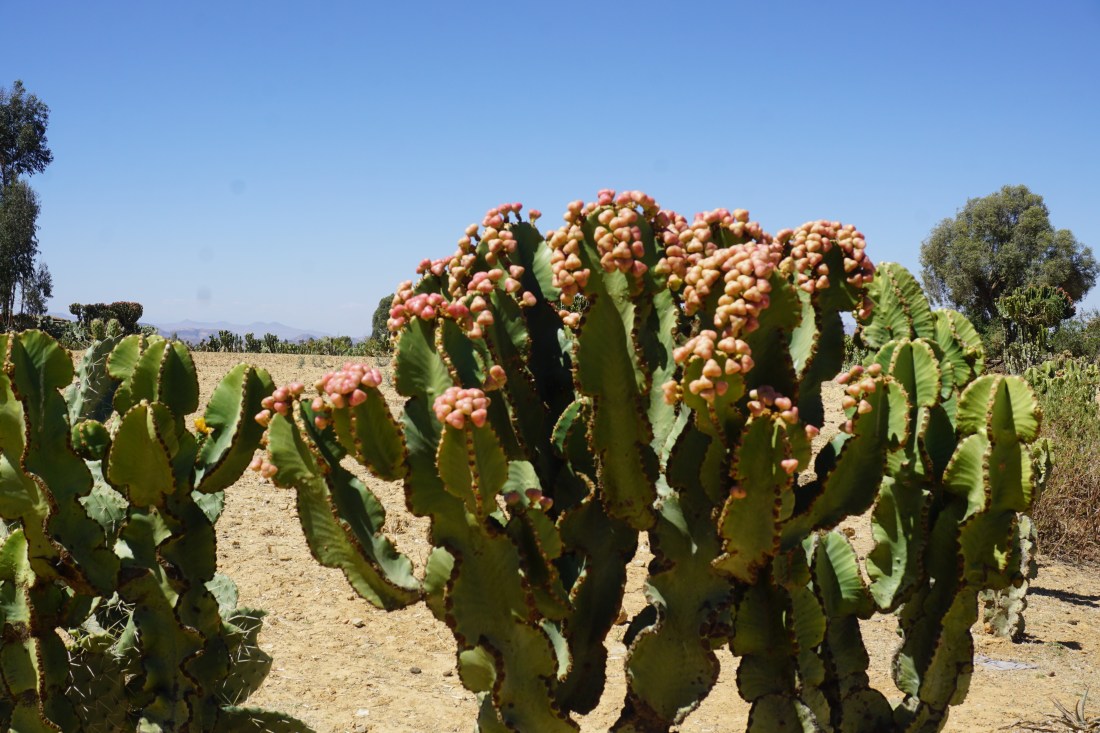
The cactus in the area were just about to bloom.

DSC03779

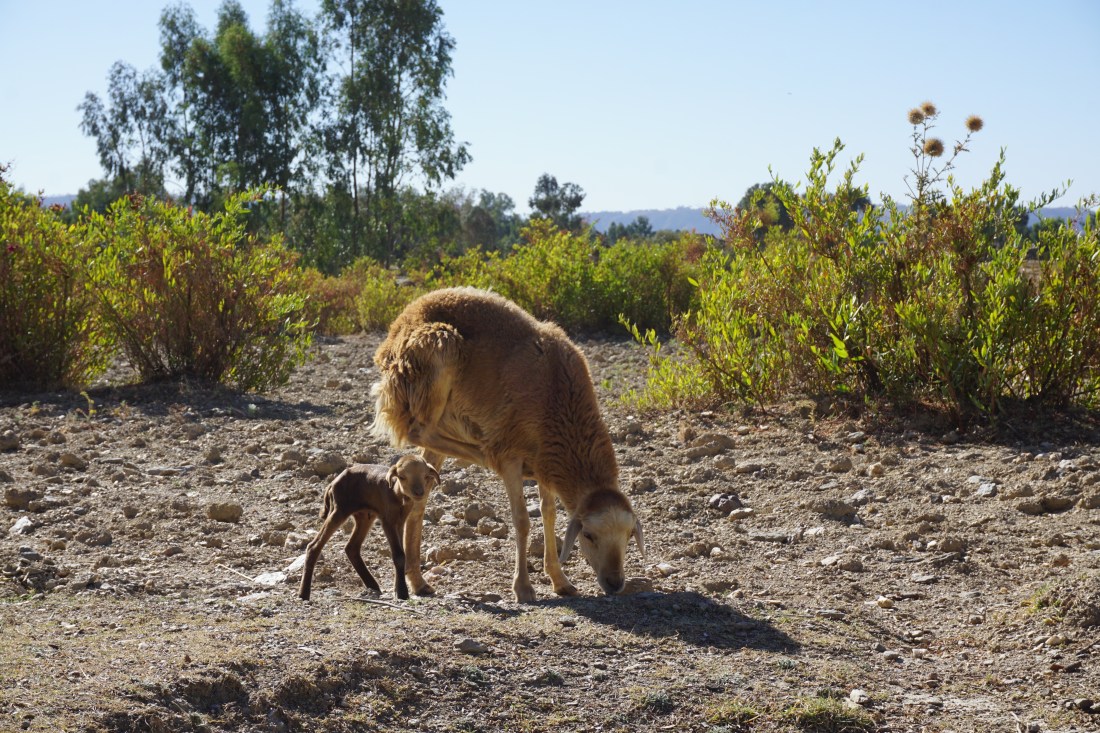
So new.

DSC03713


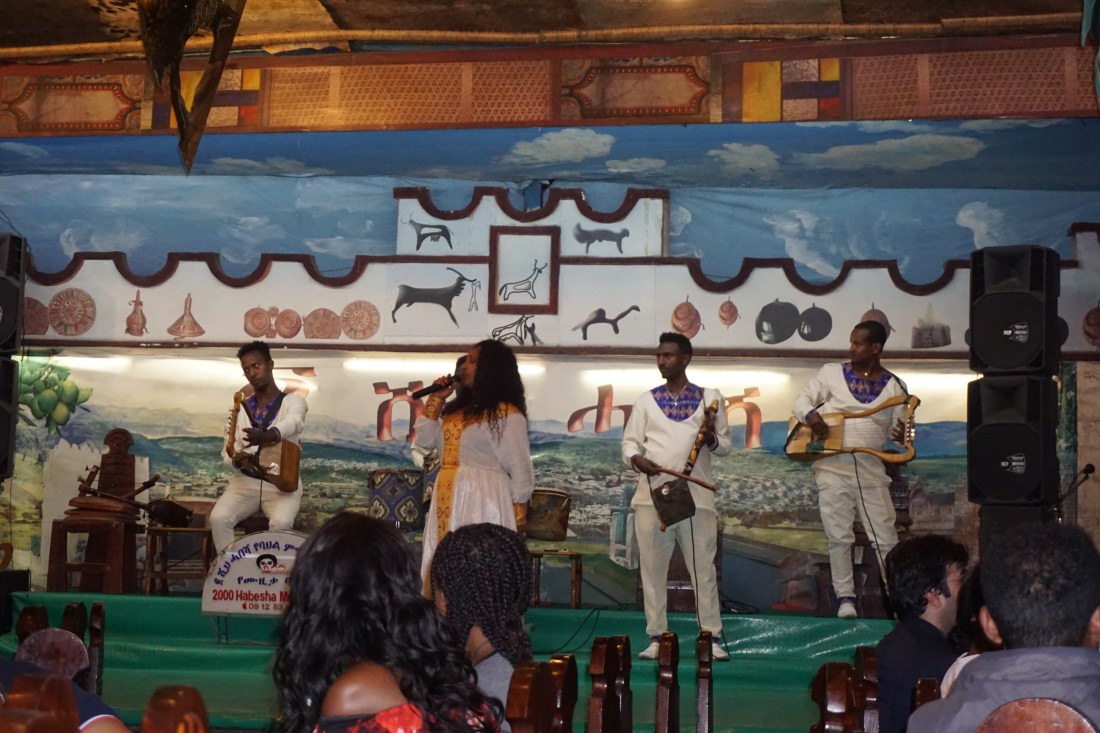
Our last evening in Addis,  we went out to a traditional Ethiopian restaurant with live entertainment. Our driver said most days you need to line up to get a seat but because today was a fasting day it was quite quiet.

DSC03831


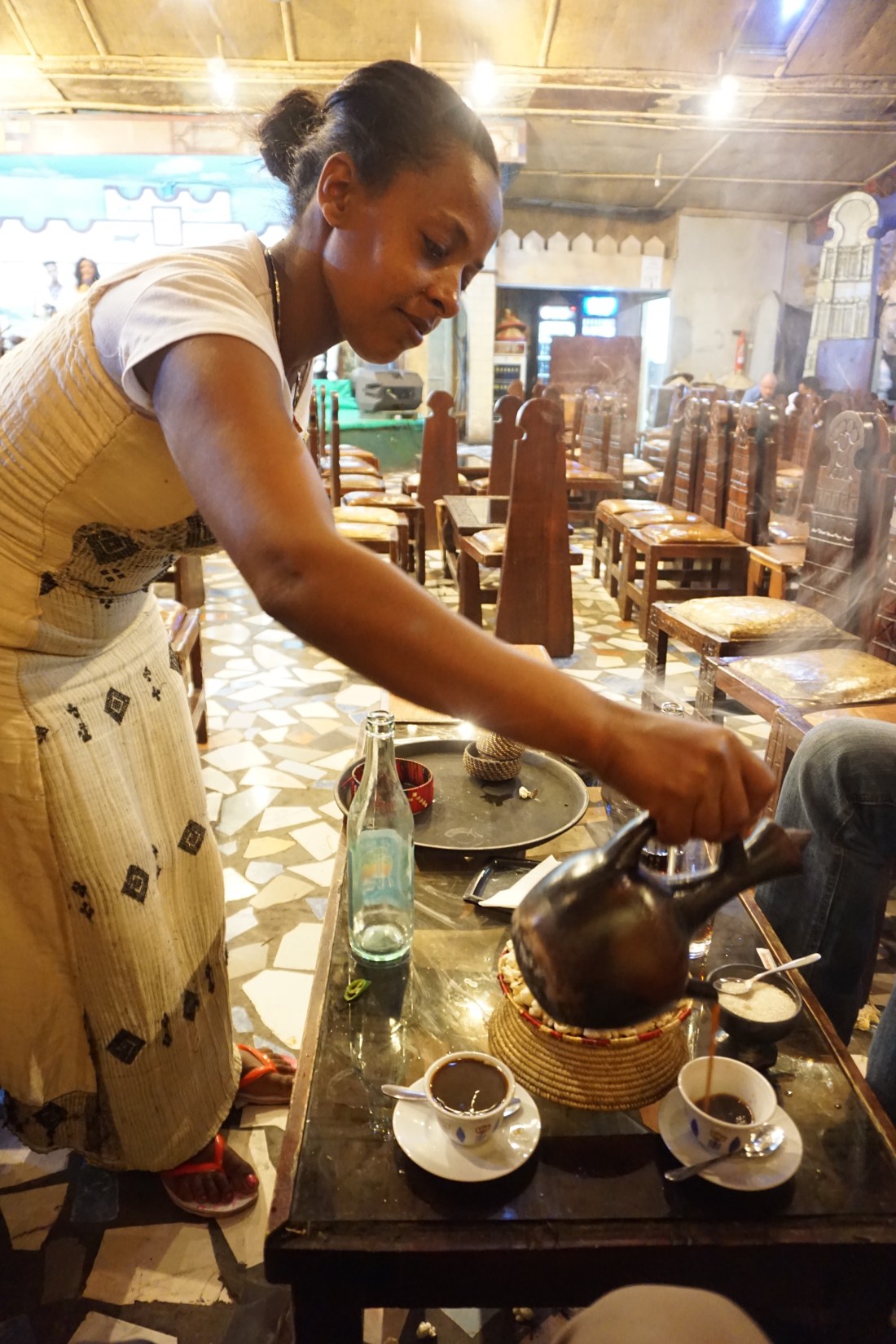
Our last Ethiopian coffee ceremony complete with popcorn and incense.

DSC03836


Northern Ethiopia – Salt Flats

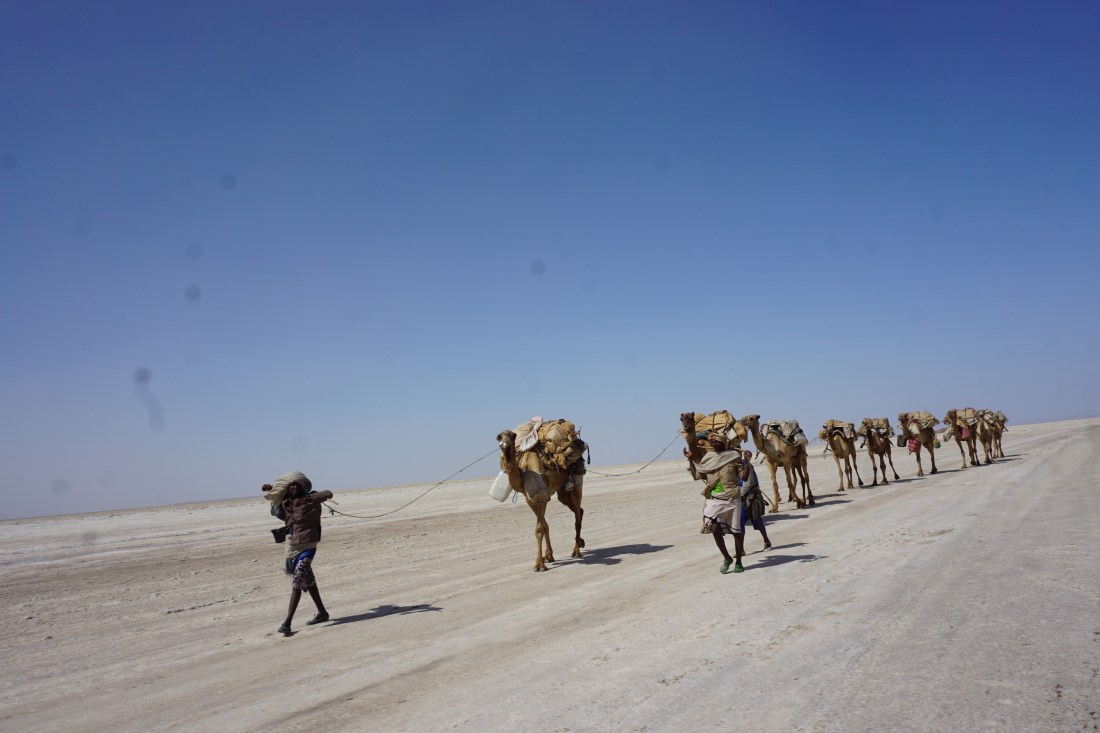
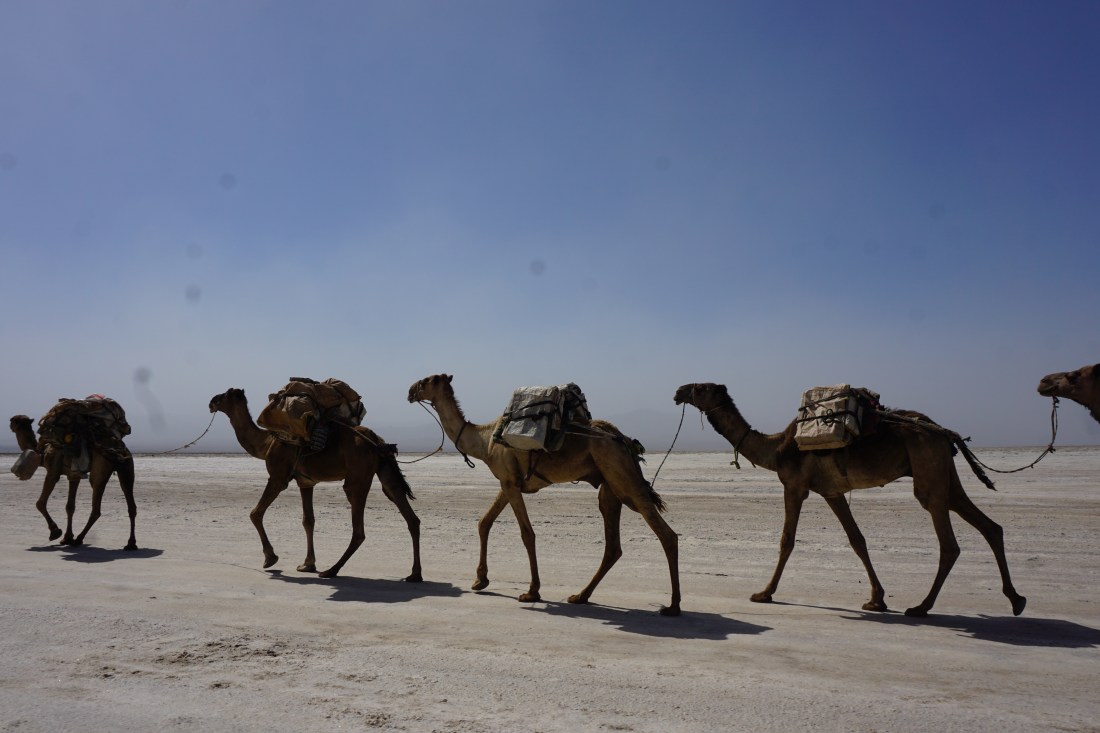
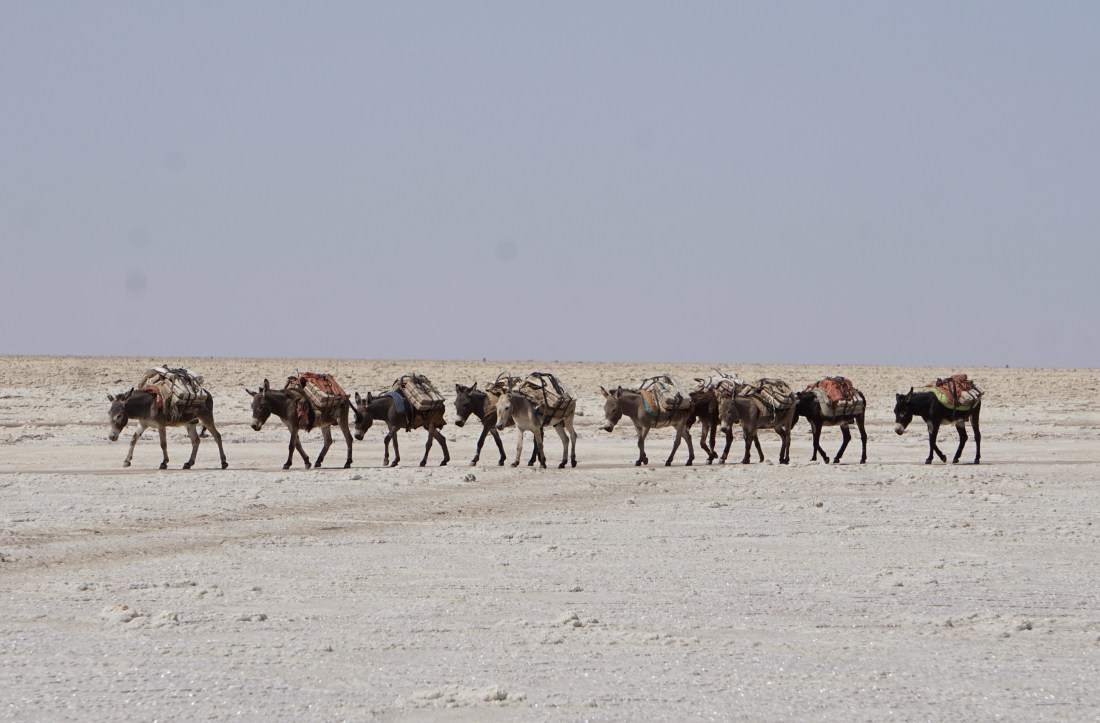
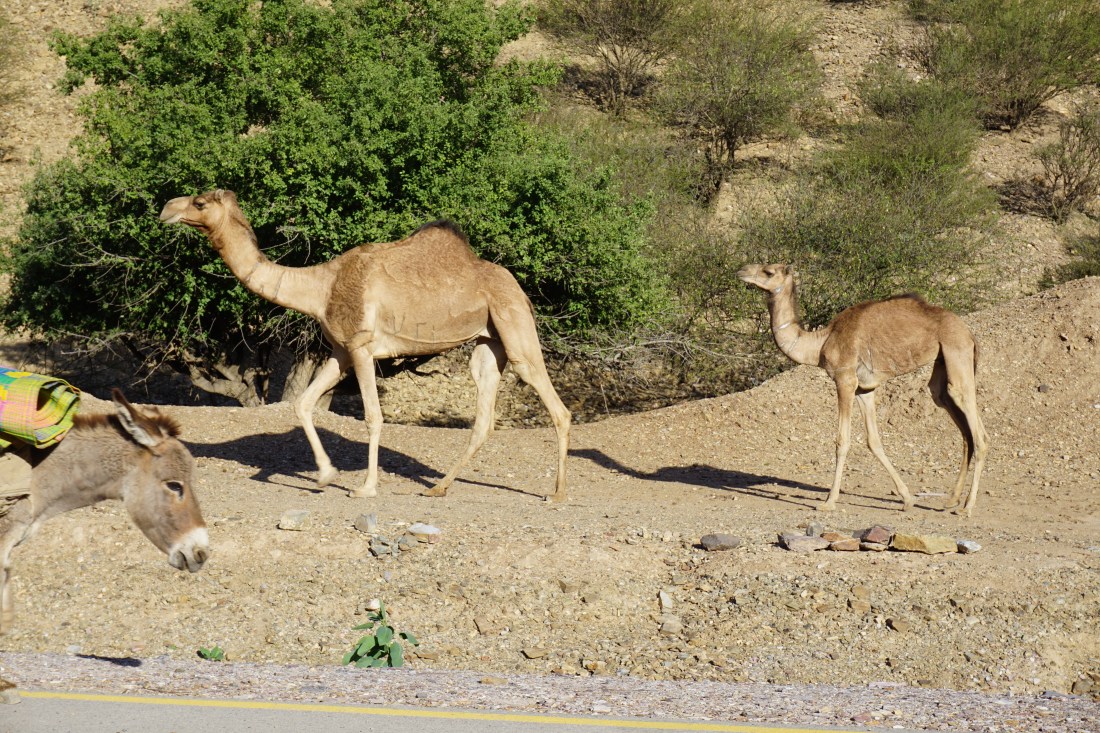
Leaving the Danikil Depression we saw the camel train loaded with salt and heading back to Mekele.

DSC03630

DSC03627

DSC03614

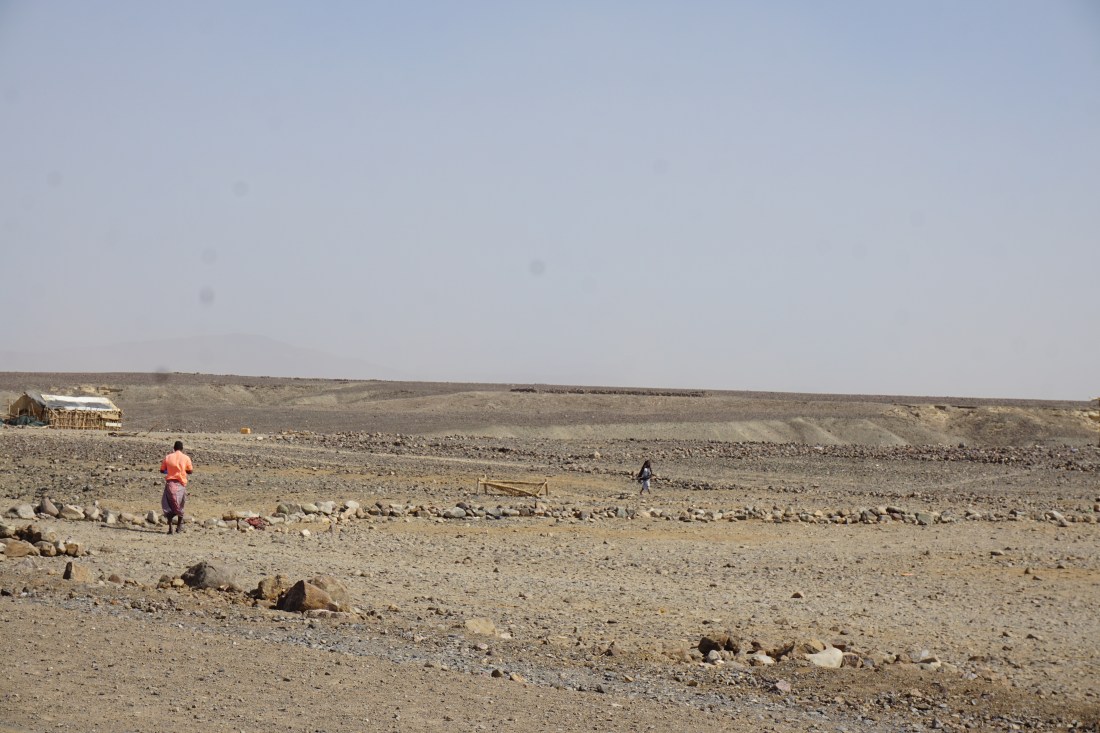
Our Afar guide heading to his home in the distance.

DSC03635

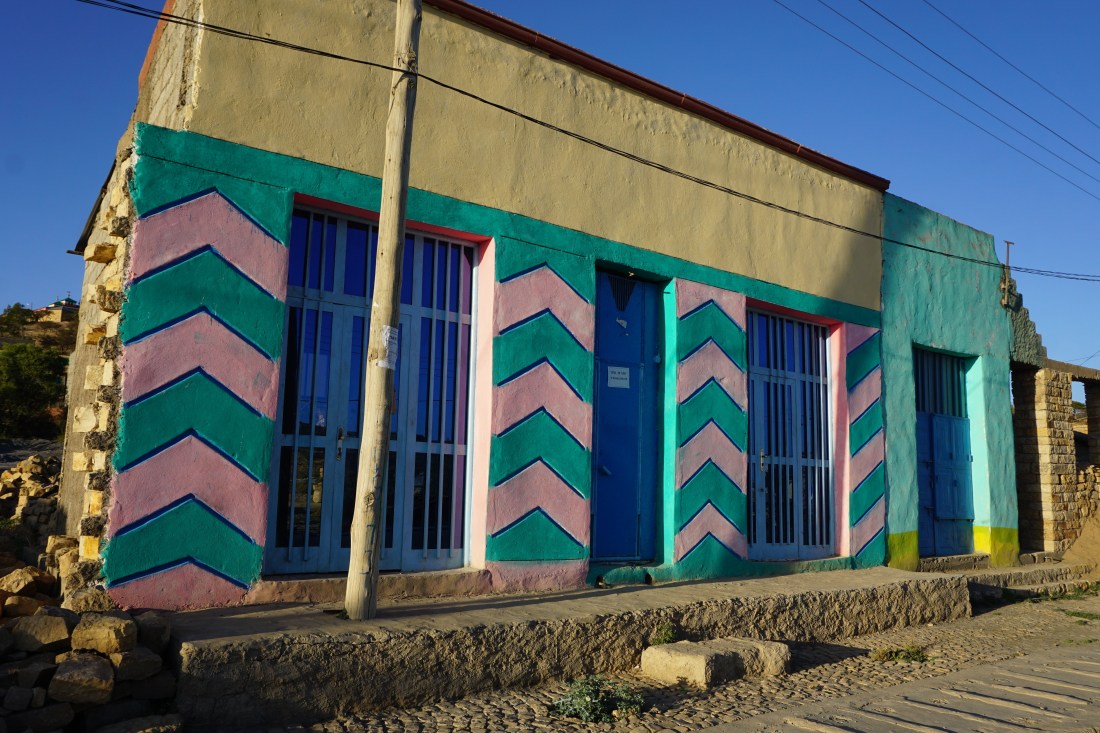
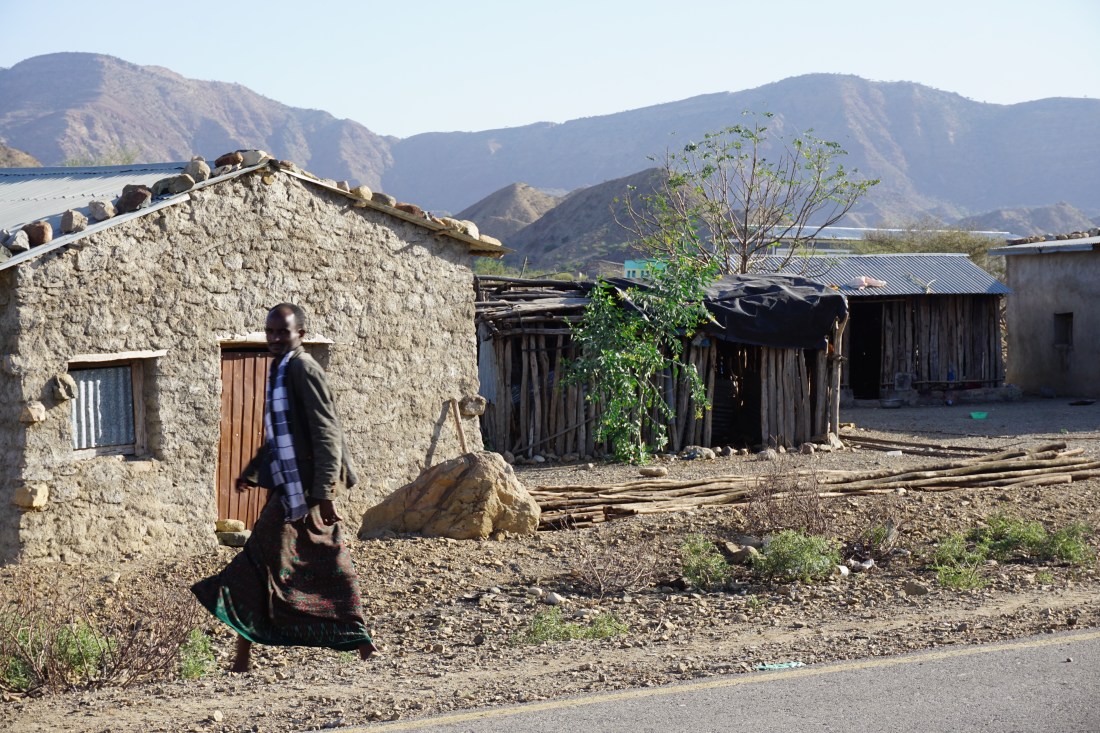
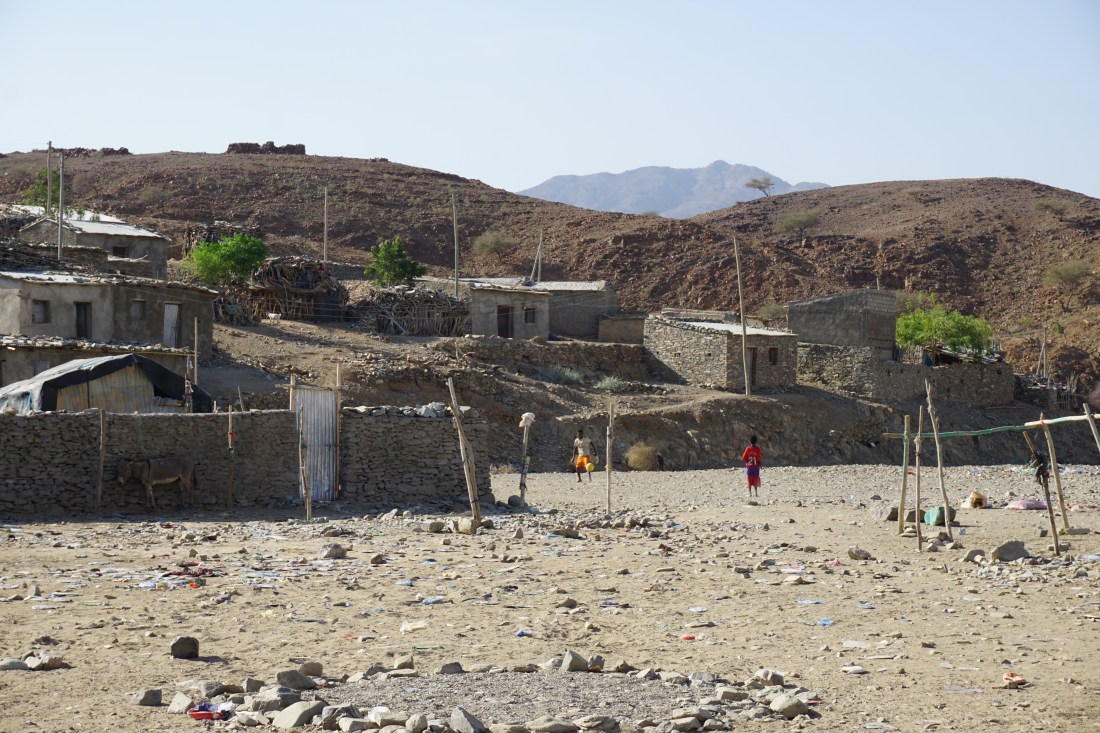
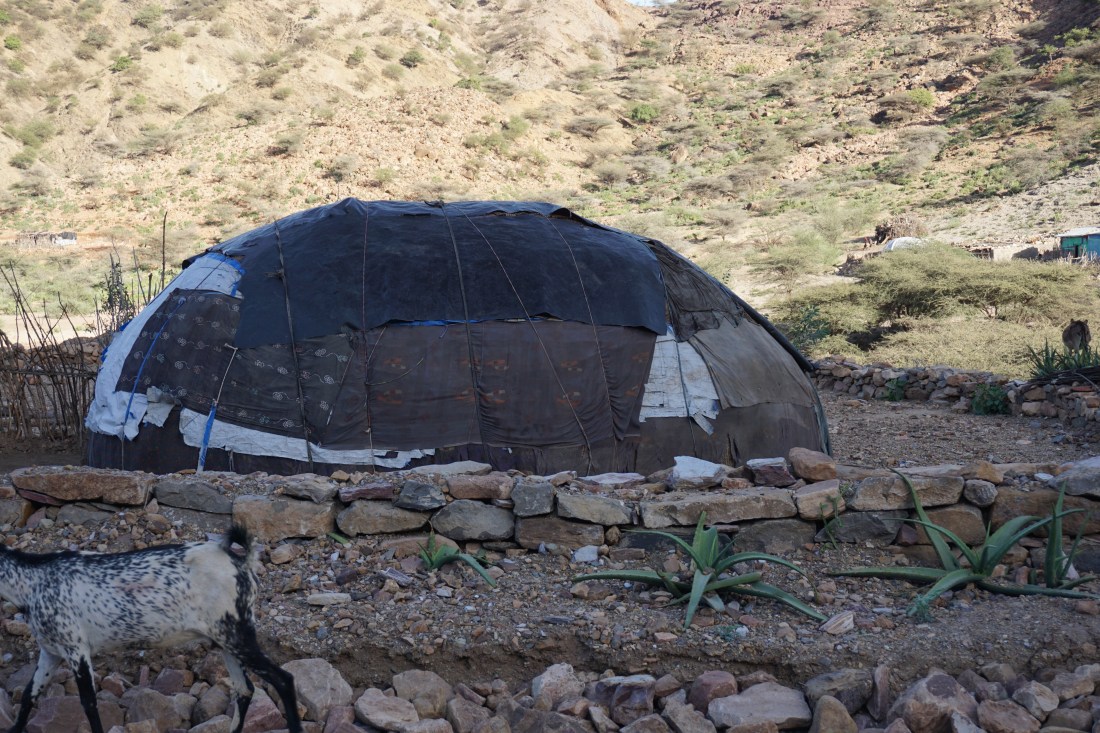
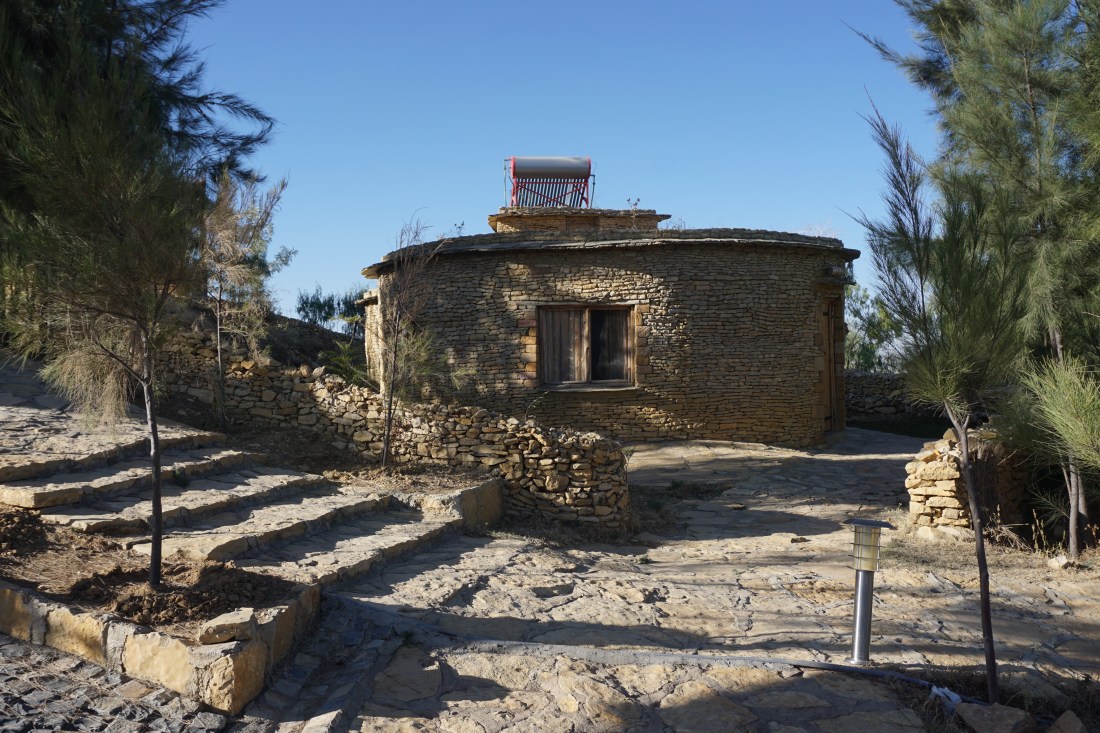
Heading back to Mekele we passed through this small community where many of the houses were painted,  built with rocks or domed.

DSC03689

DSC03663


DSC03649


DSC03674

DSC03668

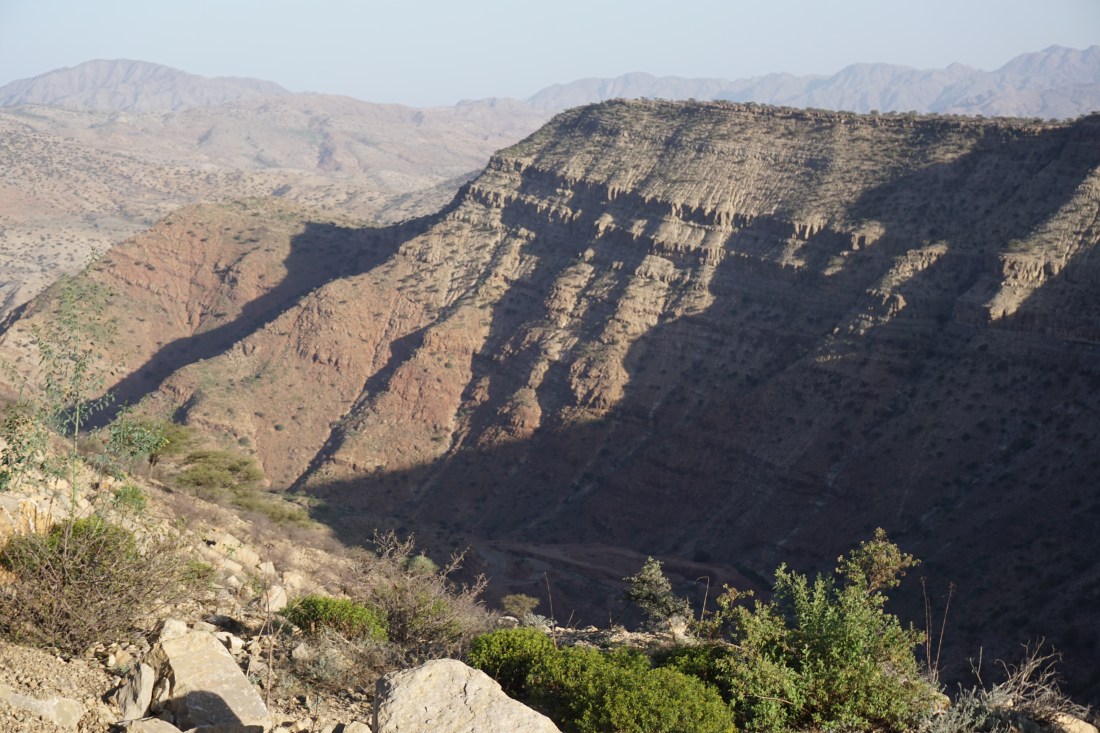
Spectacular scenery.

DSC03681

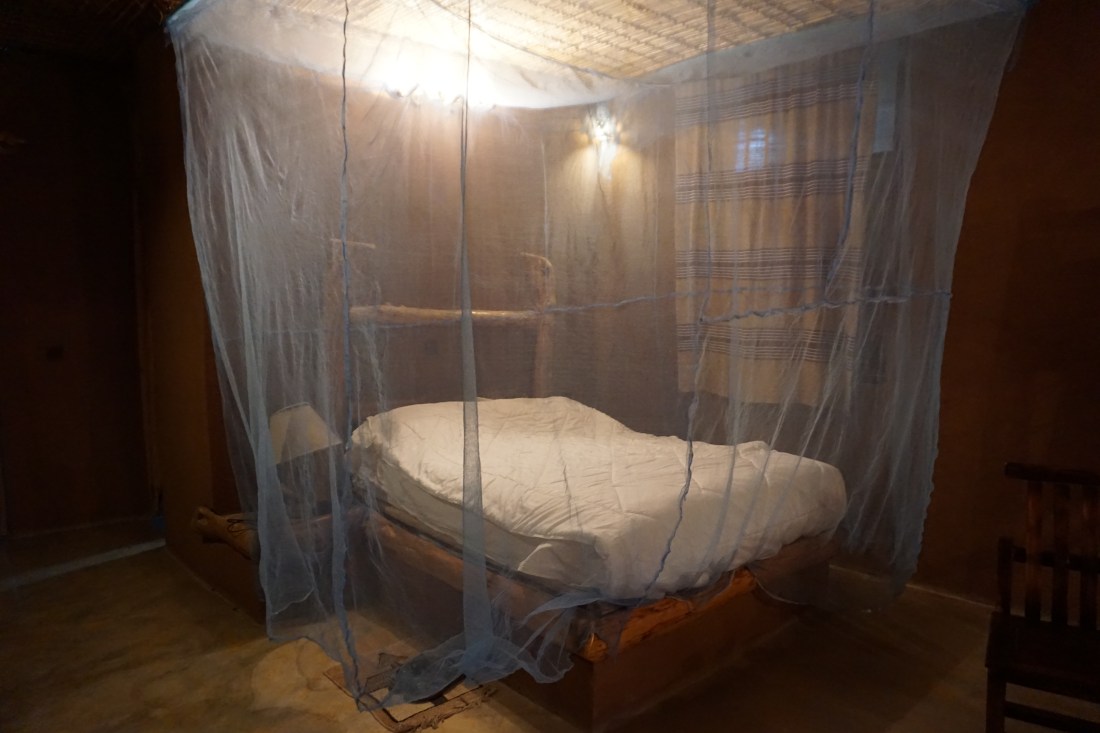
Our accommodations for the night in Wukro Lodge.

DSC03698

DSC03693

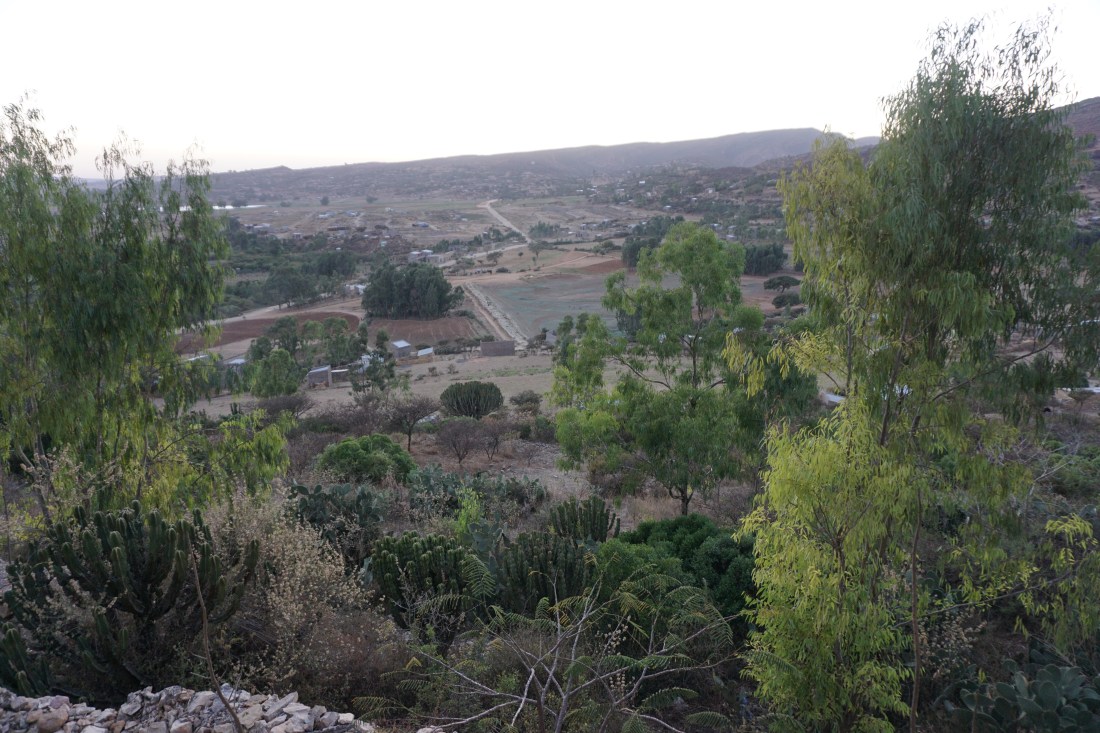
View from our balcony.

DSC03691

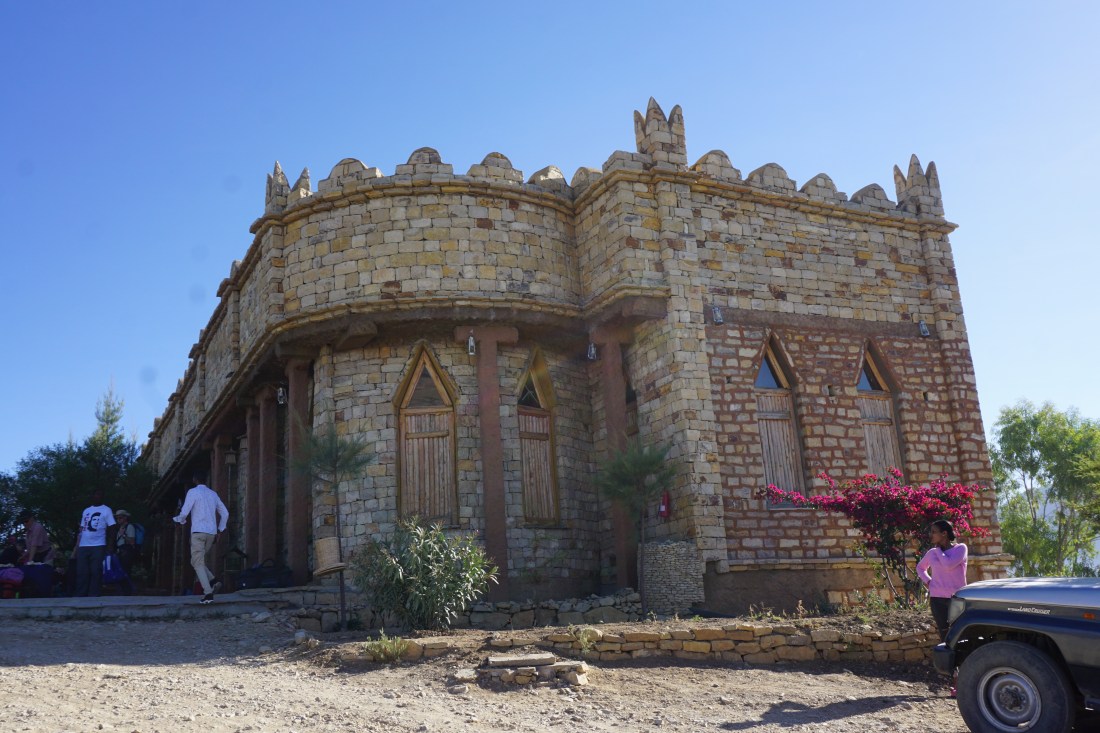
The reception area.

DSC03699

View out the back.

DSC03694

Northern Ethiopia – Danakil Depression

Coming down from the Bale Mountain Plateau we picked up a young Chinese girl.  It was raining and she was standing on the side of the road waiting for a local bus. She had been hiking in the area and when John saw her he felt we should give her a ride. Our guide and driver said it was against policy to pick her up, probably for legal reasons, but our driver said if we wanted we could.

She had such great travel stories and talked non stop about her experiences. She is a precious gem jewellery designer whose work allowed her to travel extensively.  She was currently on her way to Gondar to purchase a donkey and then ride it to Sudan. It is about an 8 – 10 hour drive by car and she felt it would take her a week. I was cheering her on and our driver and guide were telling her she was crazy. I hope she keeps in contact as it would be really fun to follow that adventure.

When we flew out of Addis Ababa the next morning en route to Mekele, an employee at the airport opened a new security line just for John when he looked at his walking stick.,  saying we show respect.

Mekele.
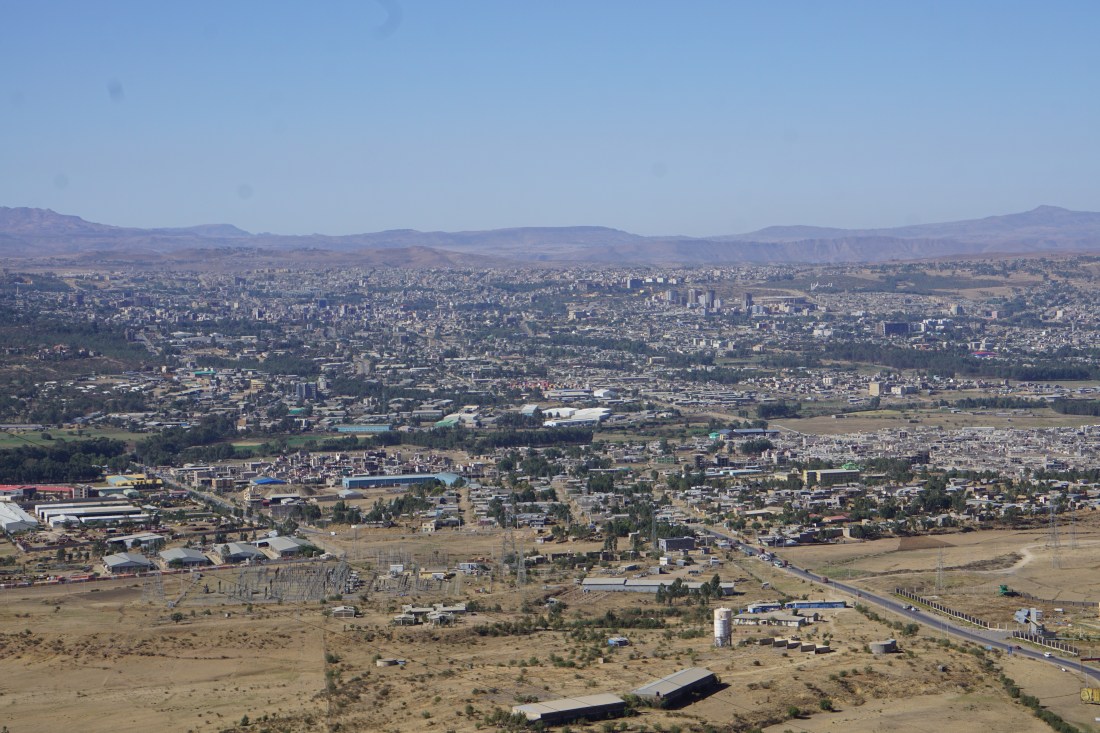
DSC03496

DSC03498

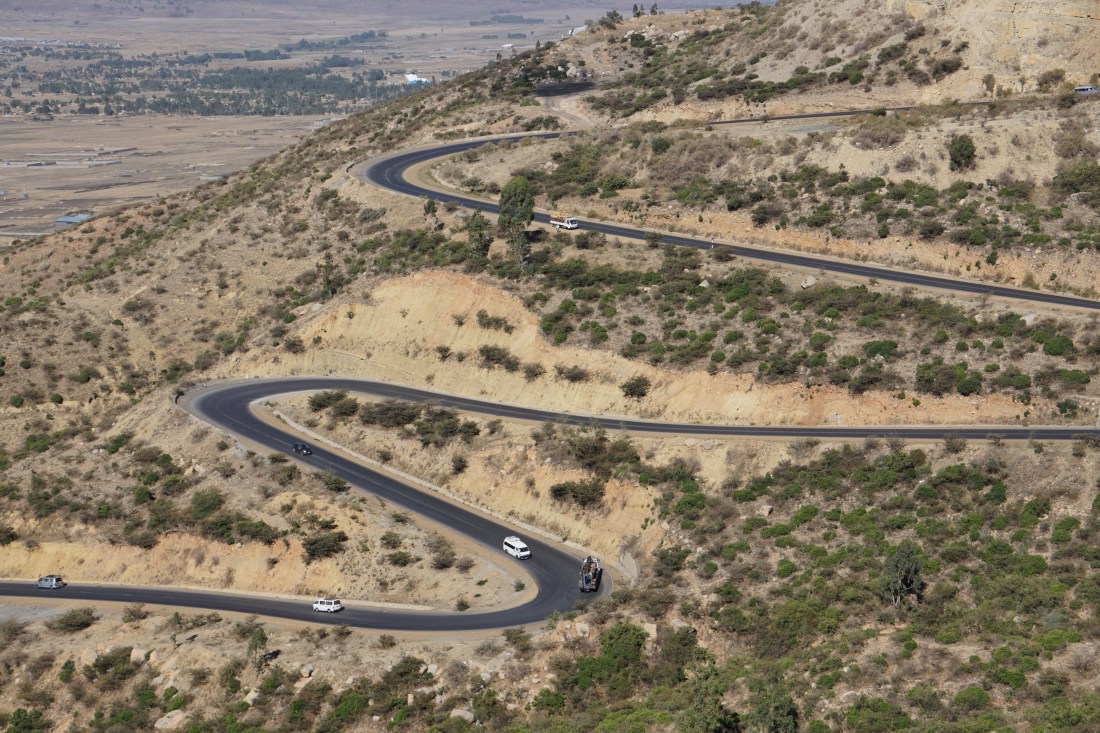
From Mekele we immediately began a long drive to the Danakil Region.  Along the way, we saw many farmers tilling their land.
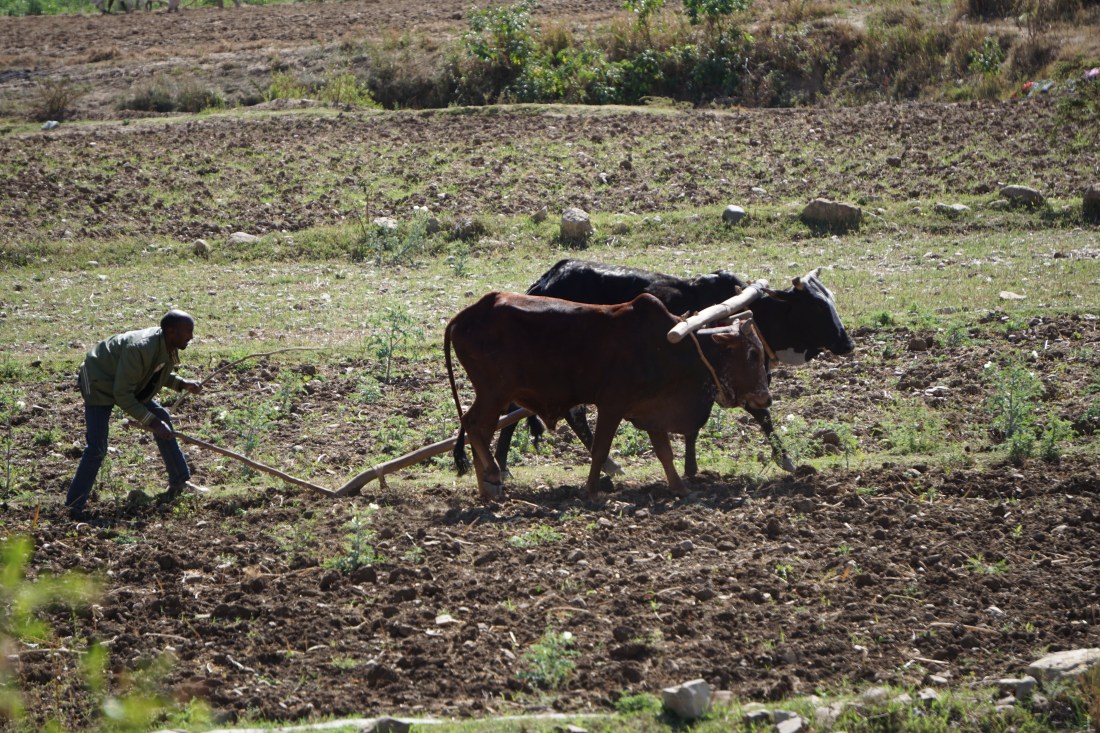
DSC03502


Nearing the depression is was hard to believe the conditions the people live in. It is like +44 today.
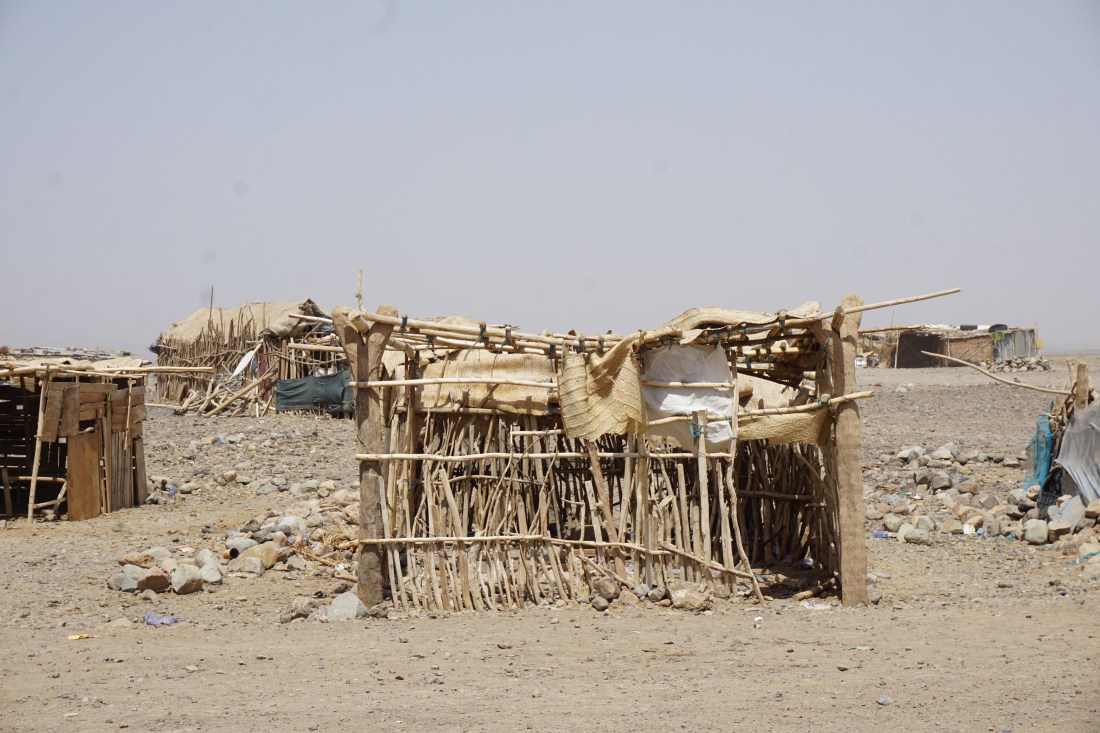
DSC03512

The government does deliver water along the highway.
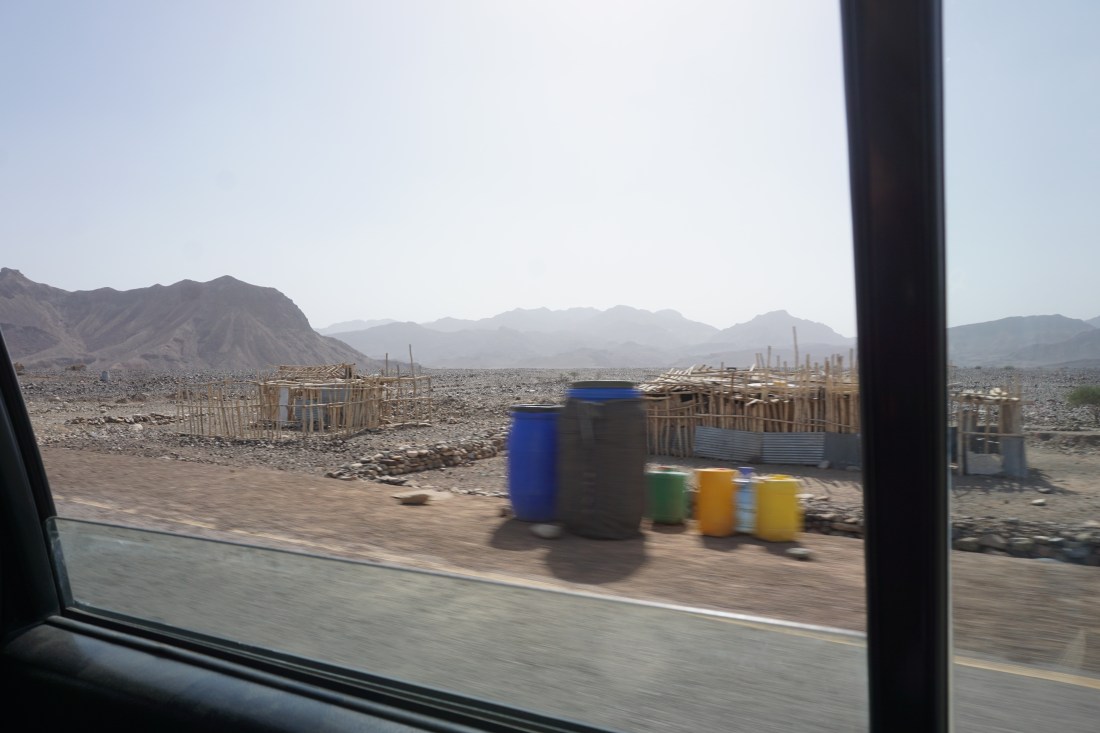
DSC03640

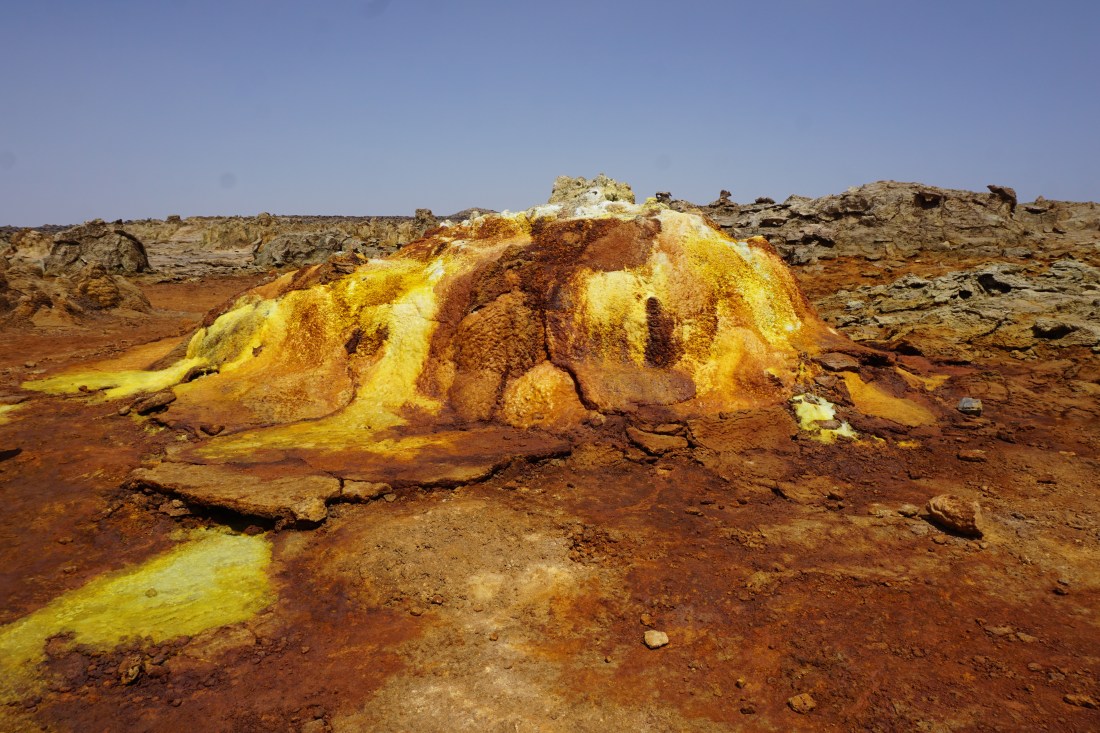
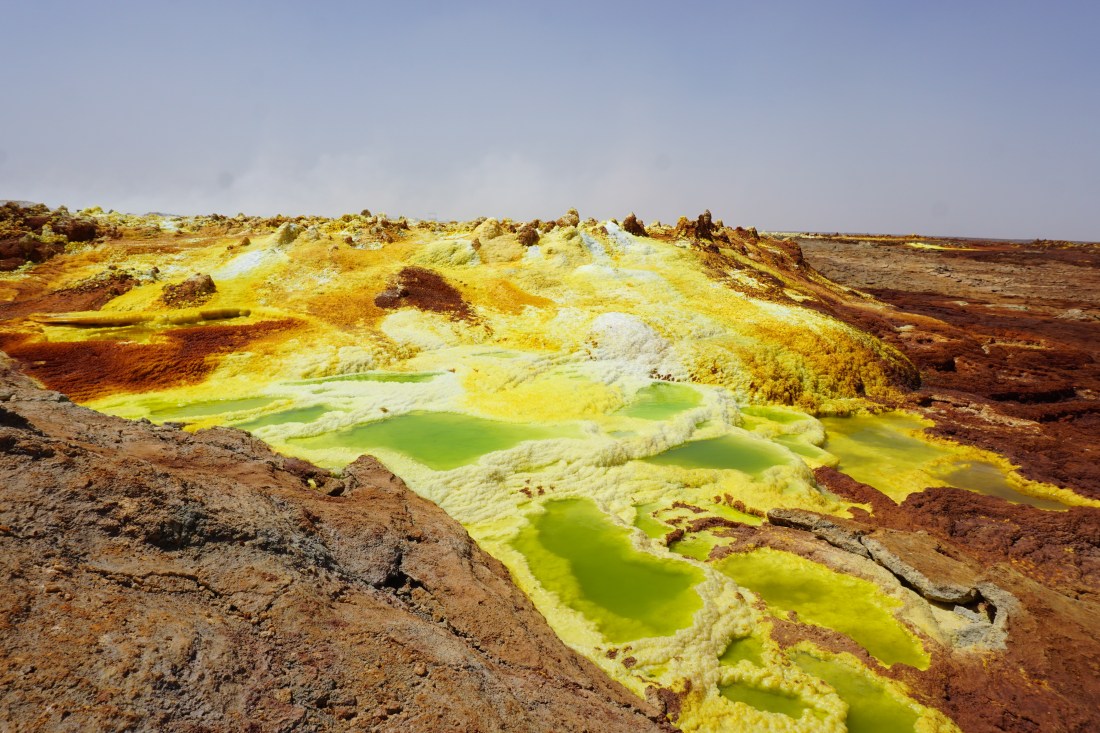
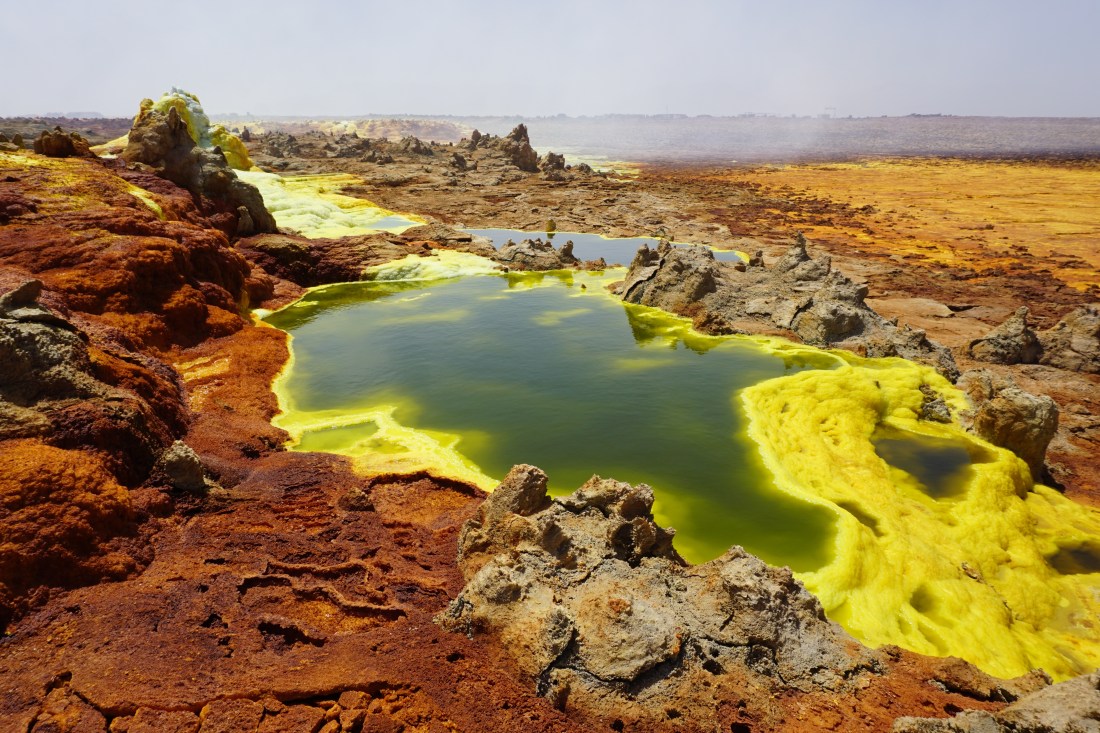
Dallol is a location in the Afar region in Northern Ethiopia. Dallol is the name of the cinder cone volcano in the Danakil Depression, known as the hottest place on earth, and “The Gateway to Hell.”

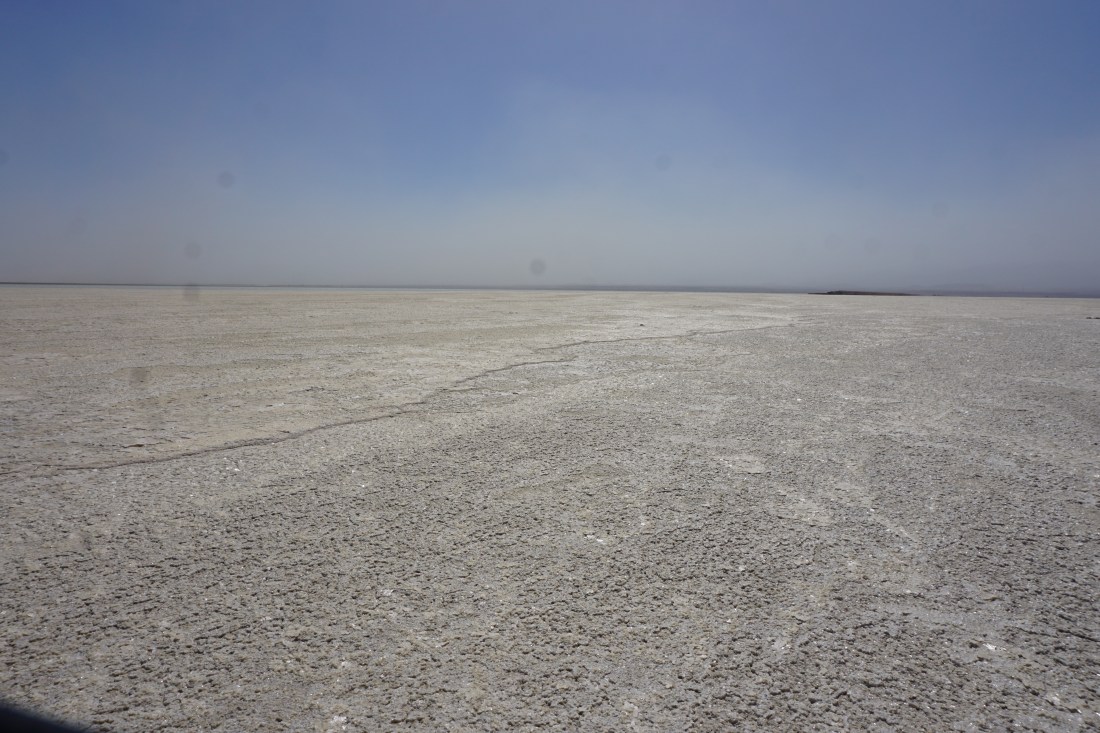
The salt flats were created when three tectonic plates moved apart, causing rifting and volcanic activity, erosion, inundation of the Red Sea and the rising and falling of the ground.
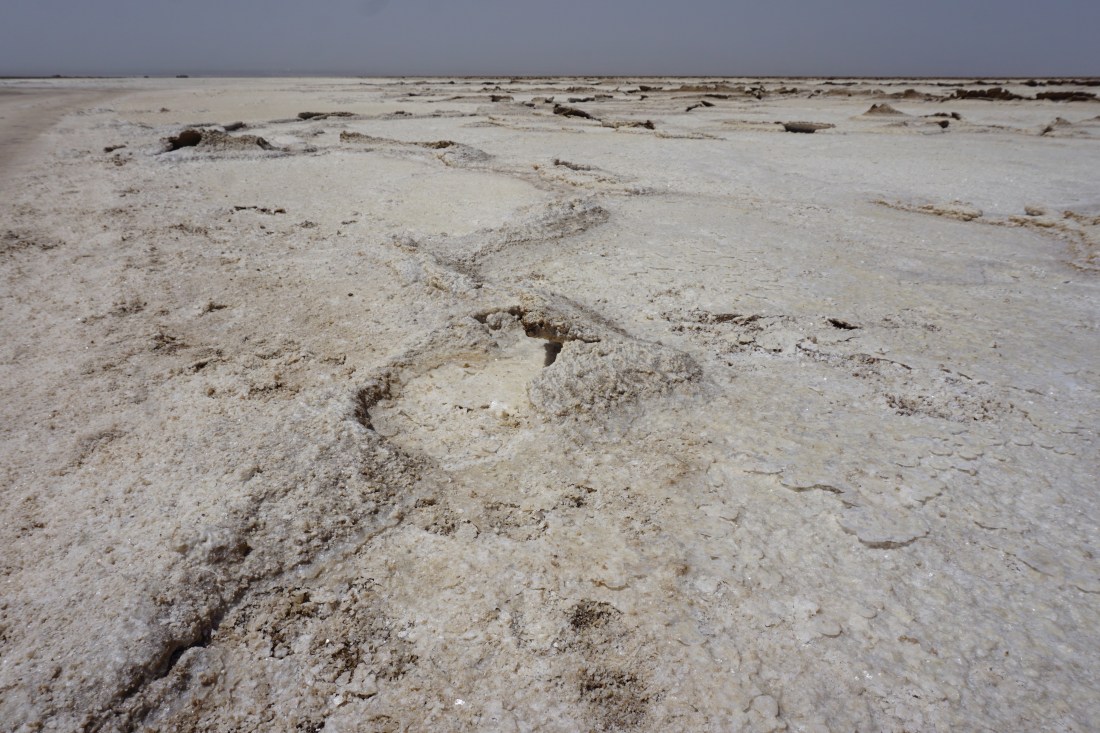
DSC03517

To enter the area you need a driver, an Afar guide and an Afar guard. The guard sat beside me in the back seat chewing kat while holding an AK47!
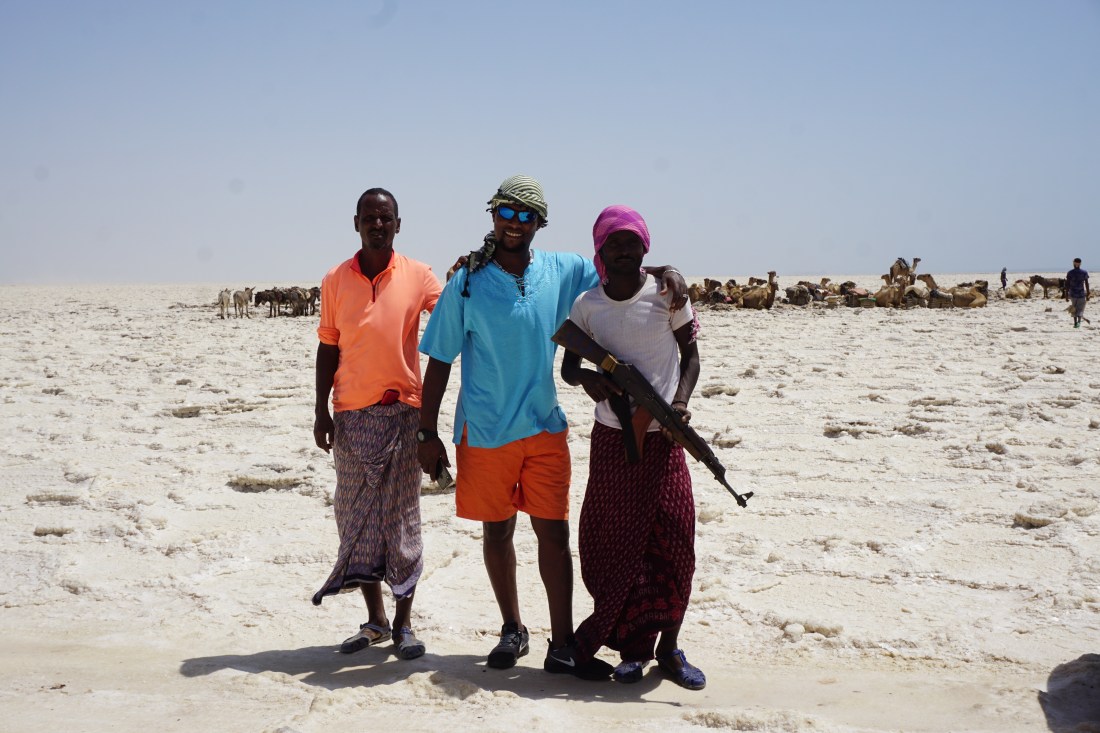
DSC03539

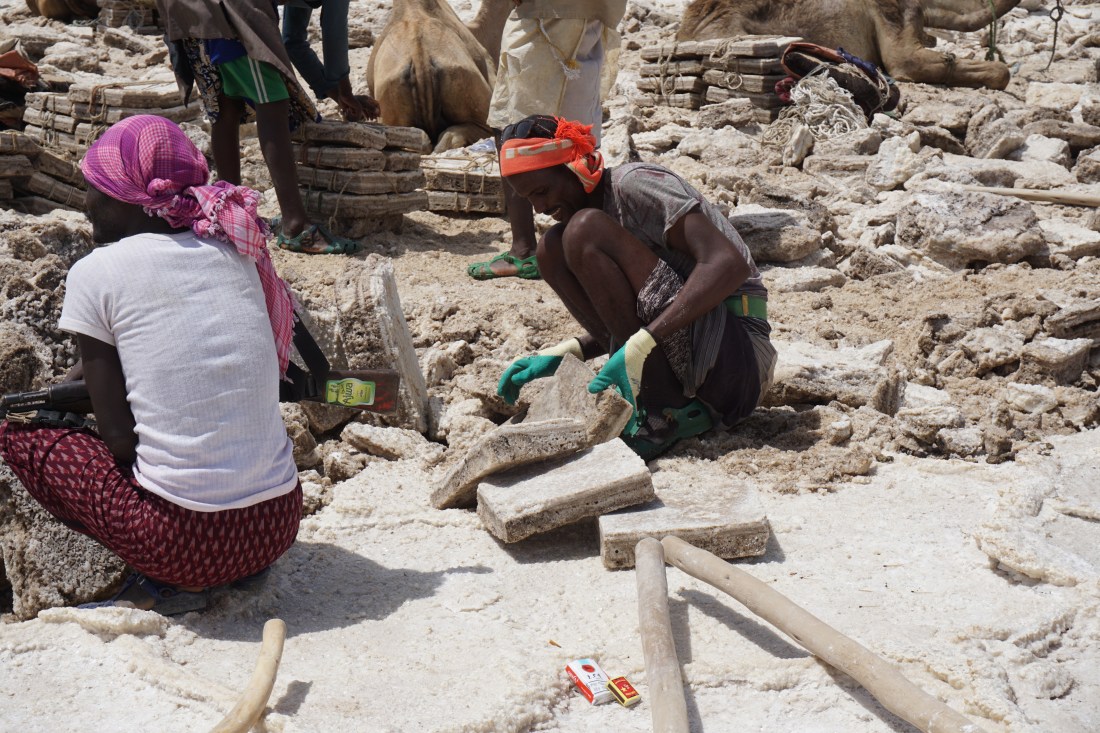
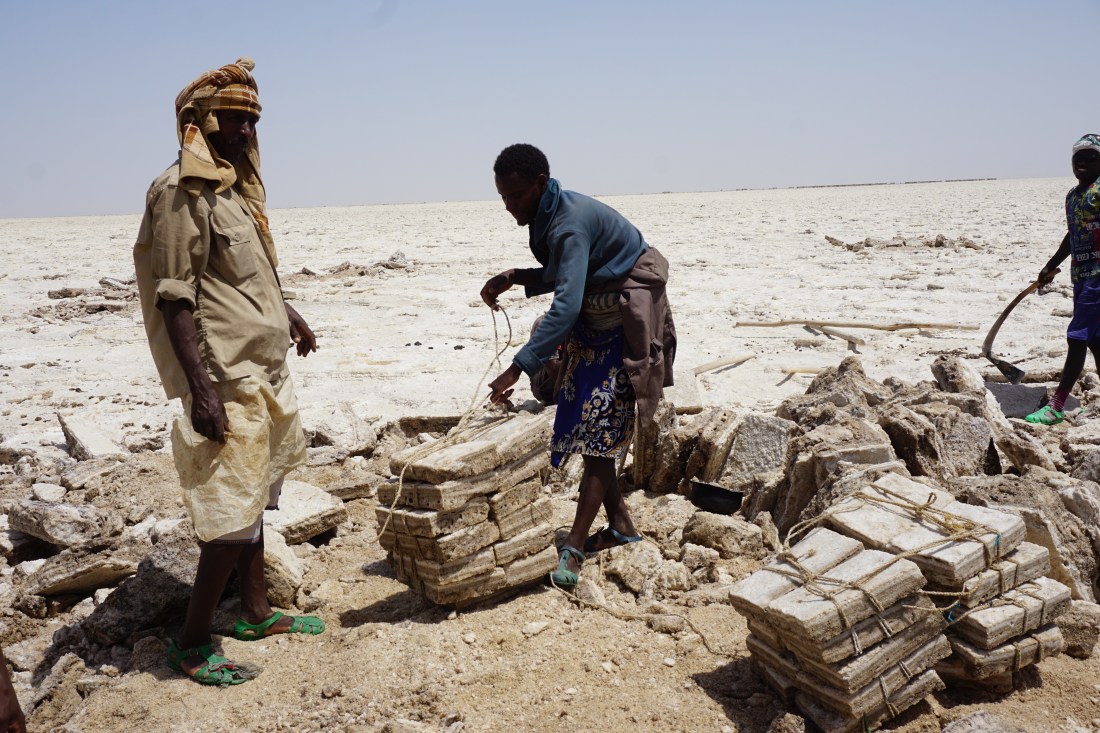
Here workers spend their day cutting slabs of salt to take to the market in Mekele.  It is a week’s walk.

It is +44 with a hot wind blowing.
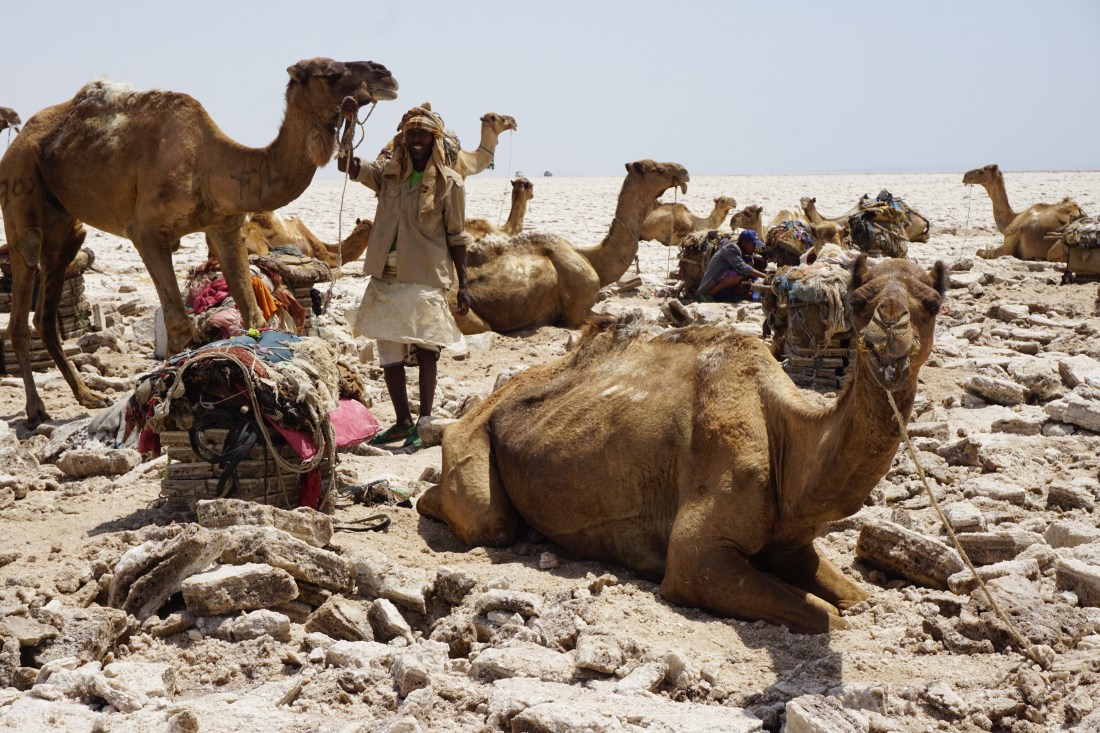
DSC03519

DSC03533


OK this is way too much for me. I am pooped.
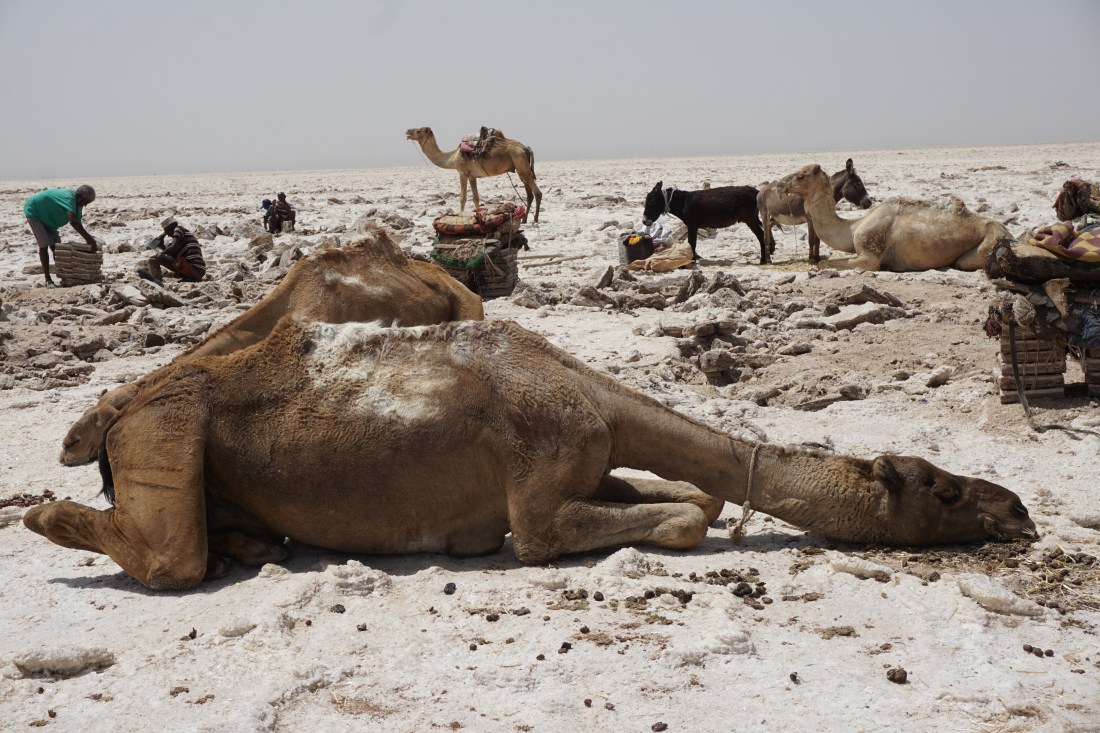
DSC03530

DSC03523

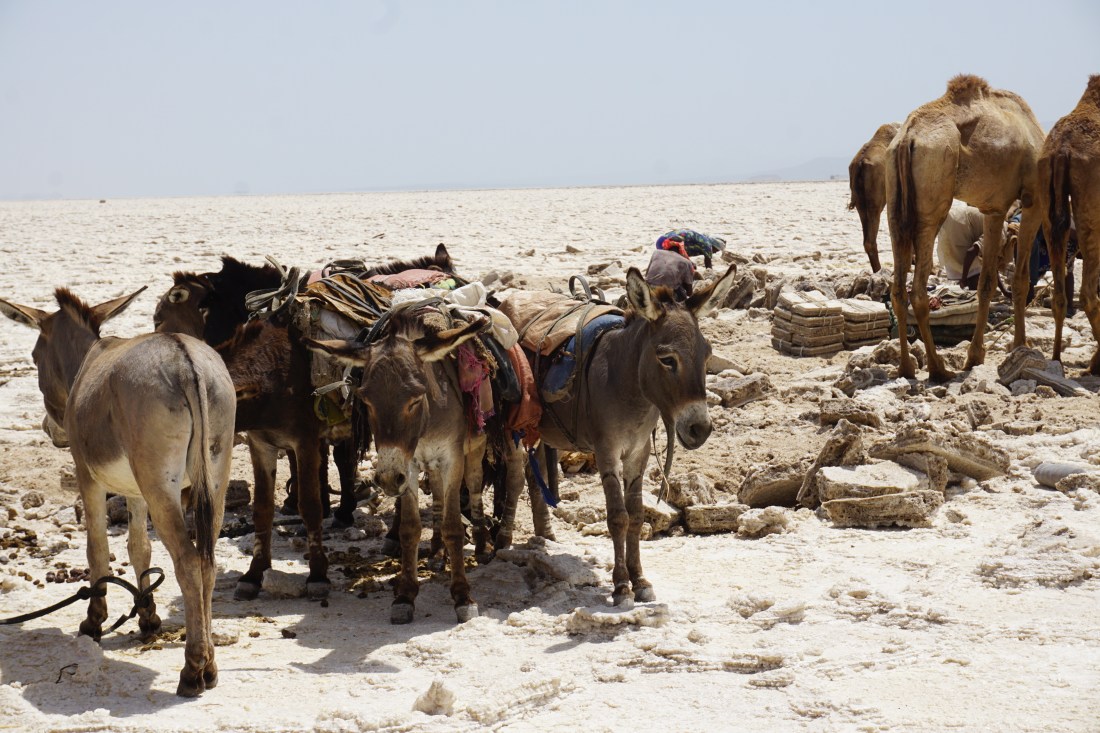
They use donkeys as well.

DSC03538

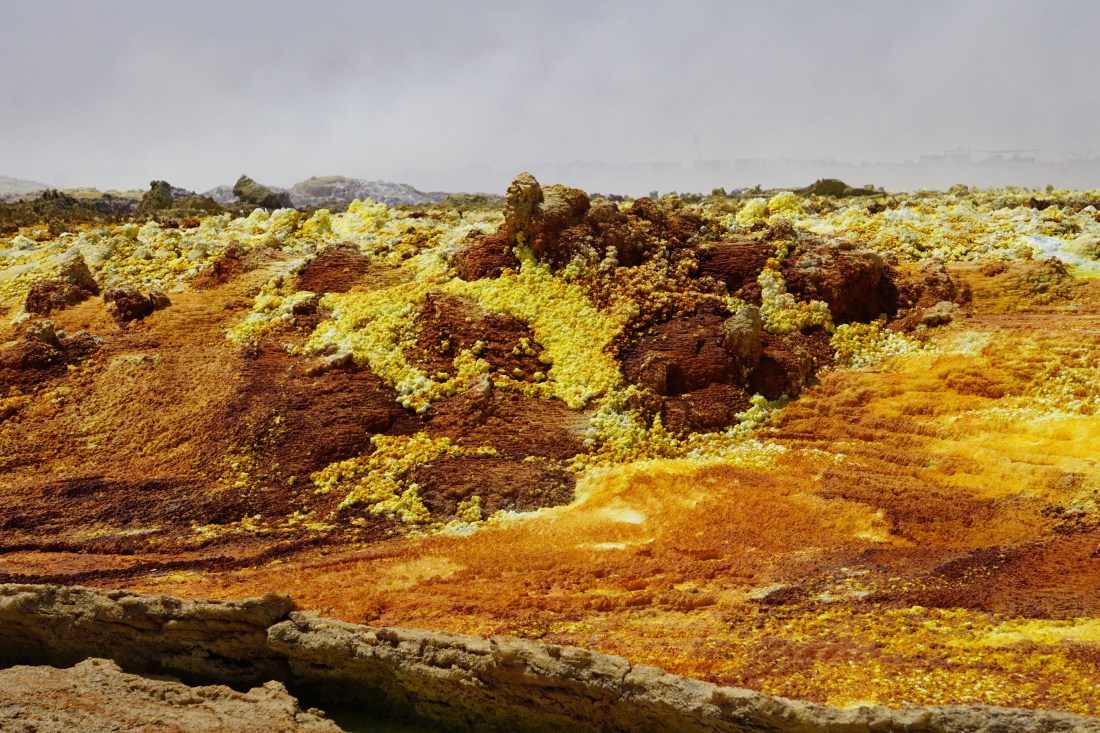
It feels like you are on another planet.
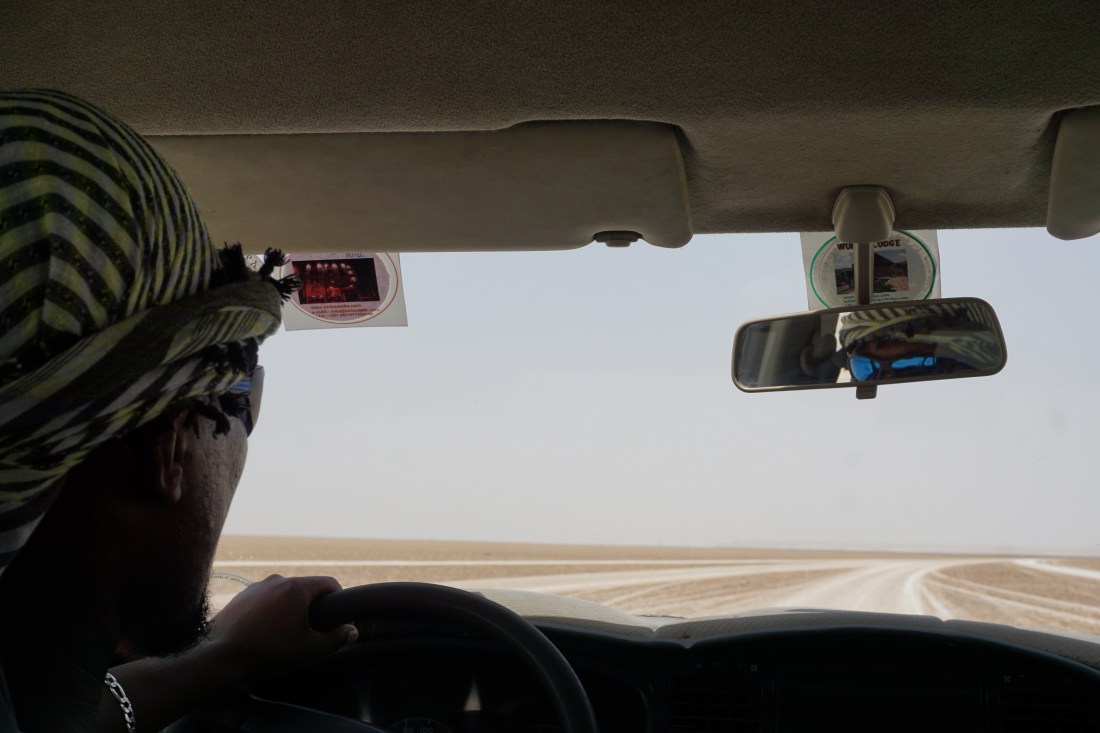
DSC03544

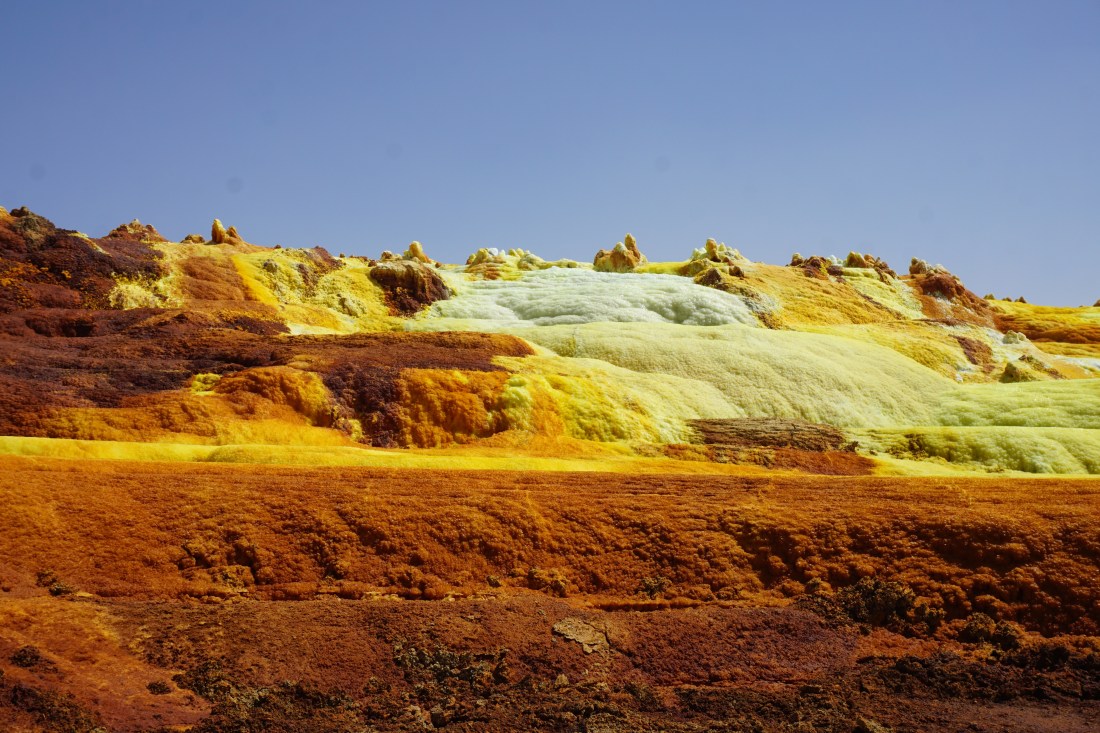
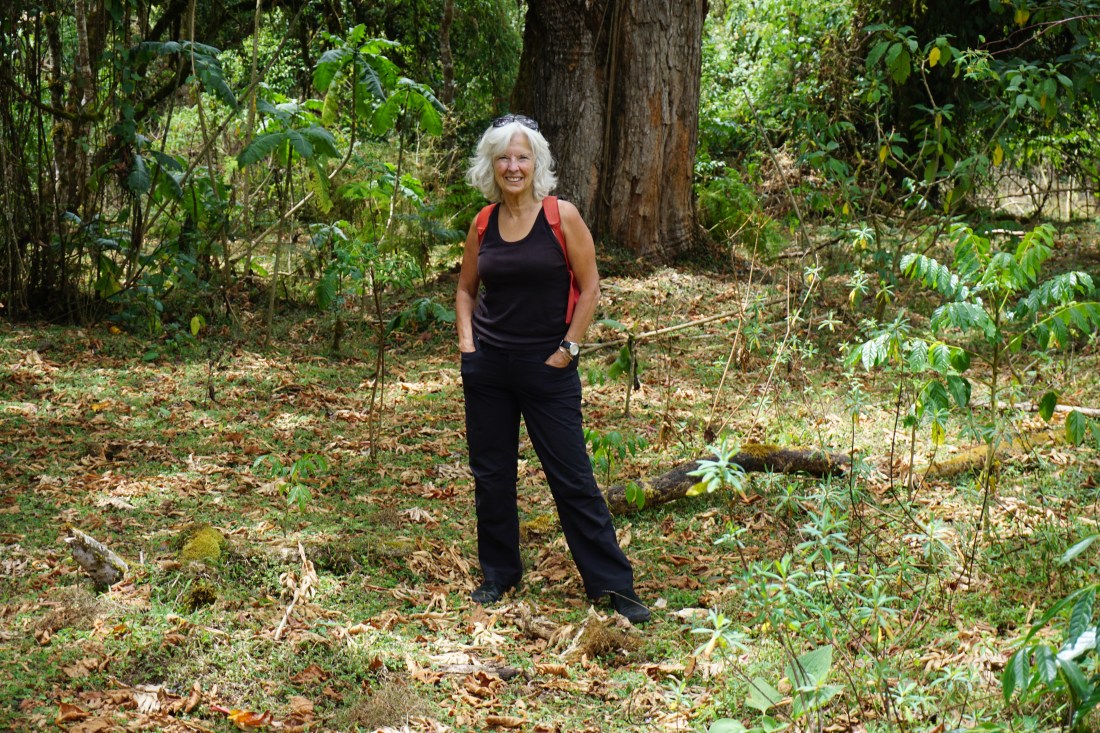
I hiked with our driver and guide in this area to see the coloured salt deposits. It was +44. They told me to drink lots of water before we went saying it was a 25 minute walk. Meanwhile our guard stayed in the car chewing kat and guarding John with his        AK47.
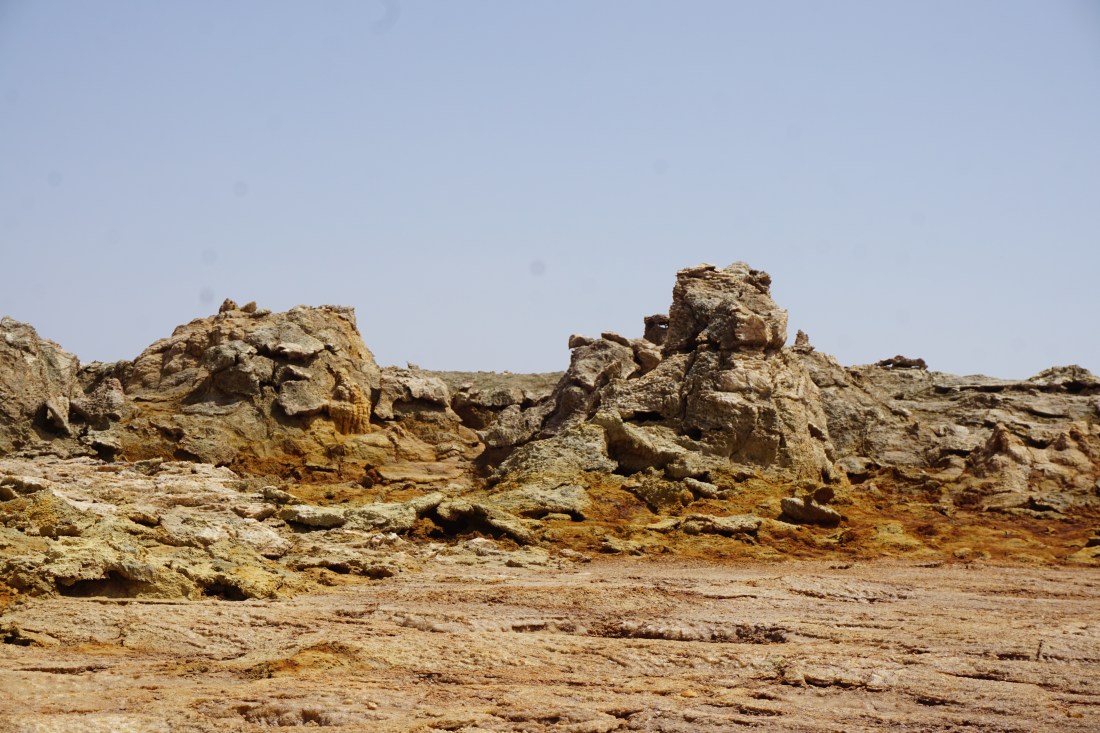
DSC03554

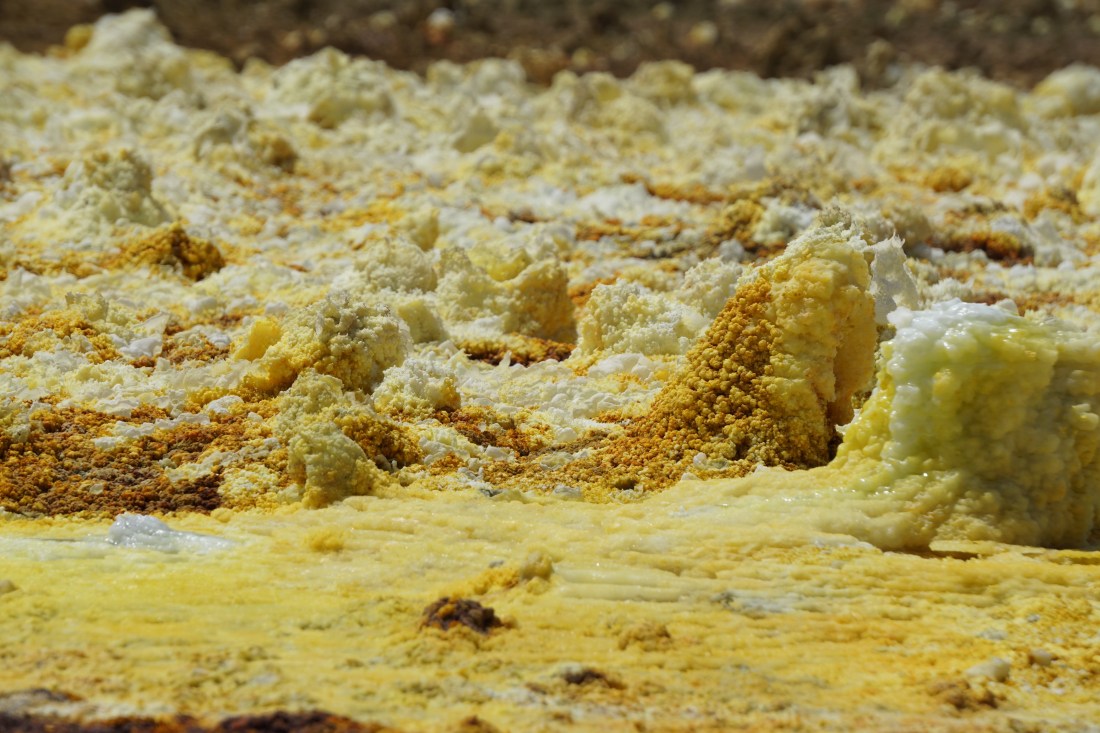
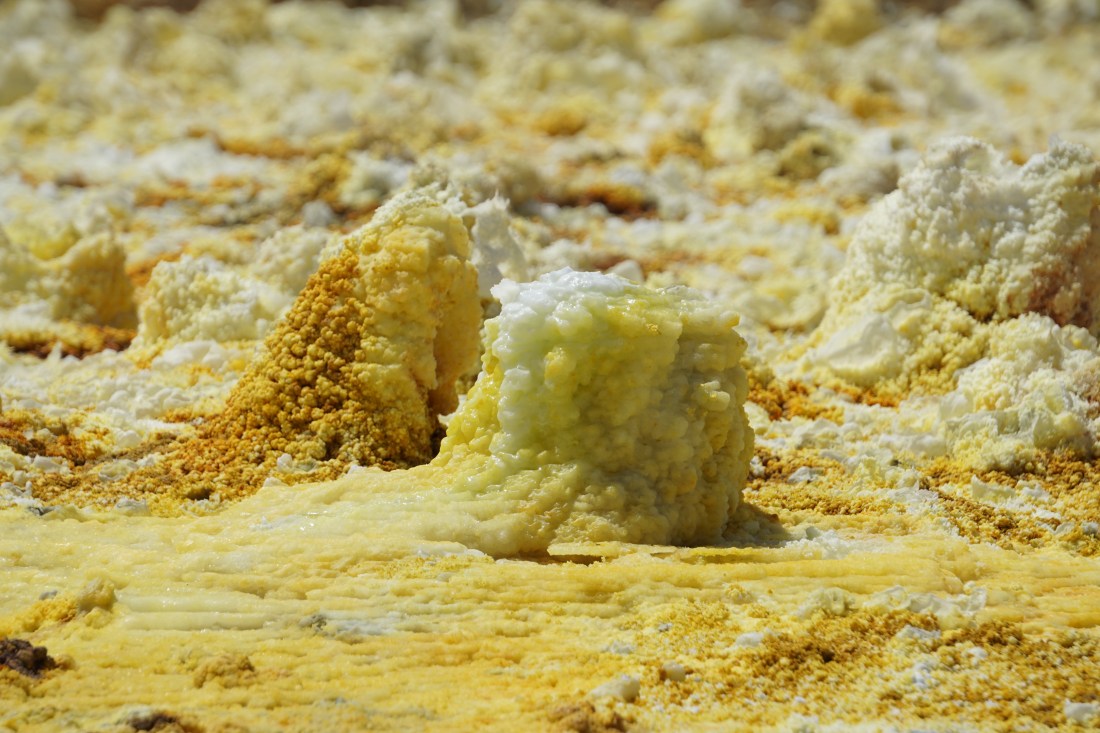
On the other side this is what we saw.

I had to wear a mask for the sulphur fumes.
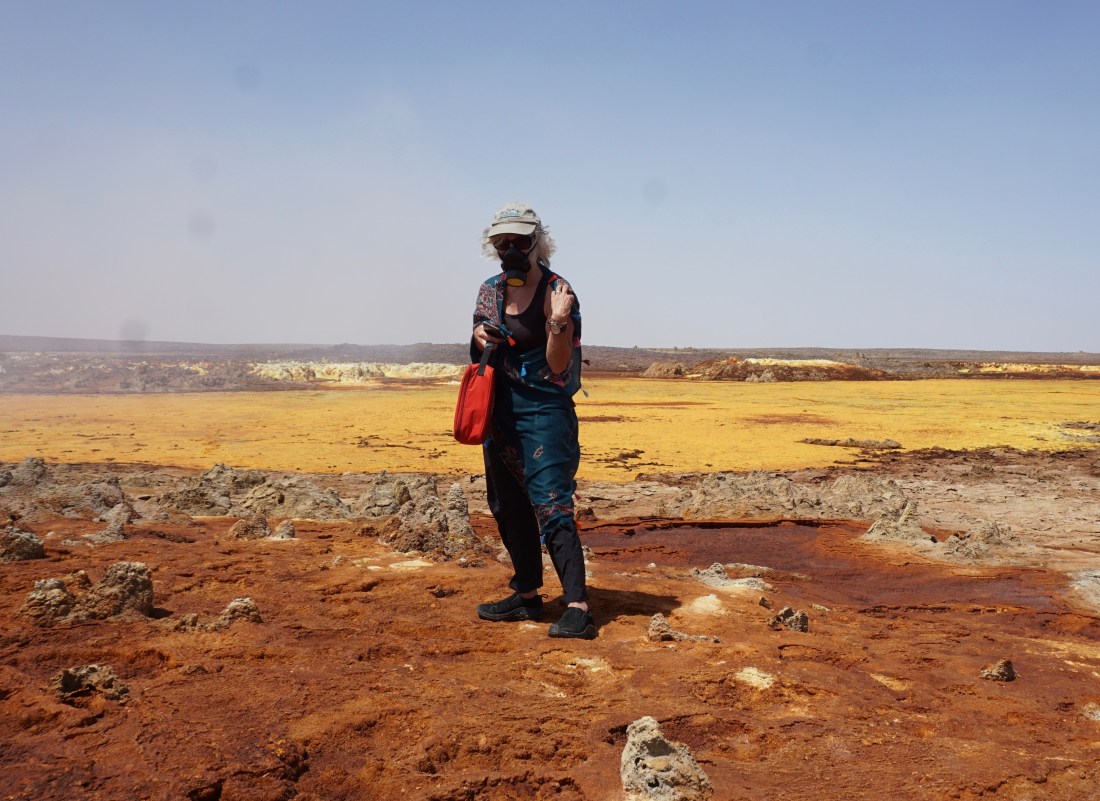
DSC03580

DSC03548

DSC03562

DSC03565

DSC03568

DSC03569


DSC03582

DSC03586

It was unbelievable to see. By this time though our 25 minutes was 45 and we still needed to get back to the car. With the heat, the over consumption of water, the smell, the wind and the exertion,  I literally hit a wall and needed to stop but they said I couldn’t so they look a bottle of water dumped it over my head and took turns piggy backing me until I could walk again.

A hot spring area.
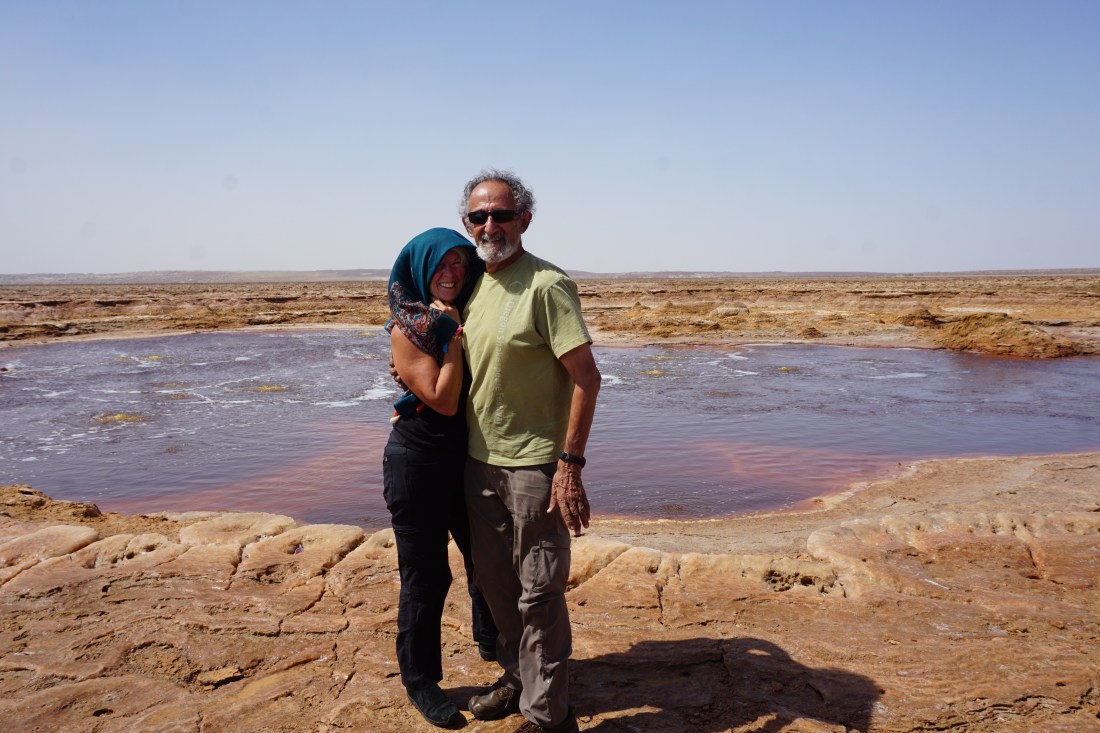
DSC03590

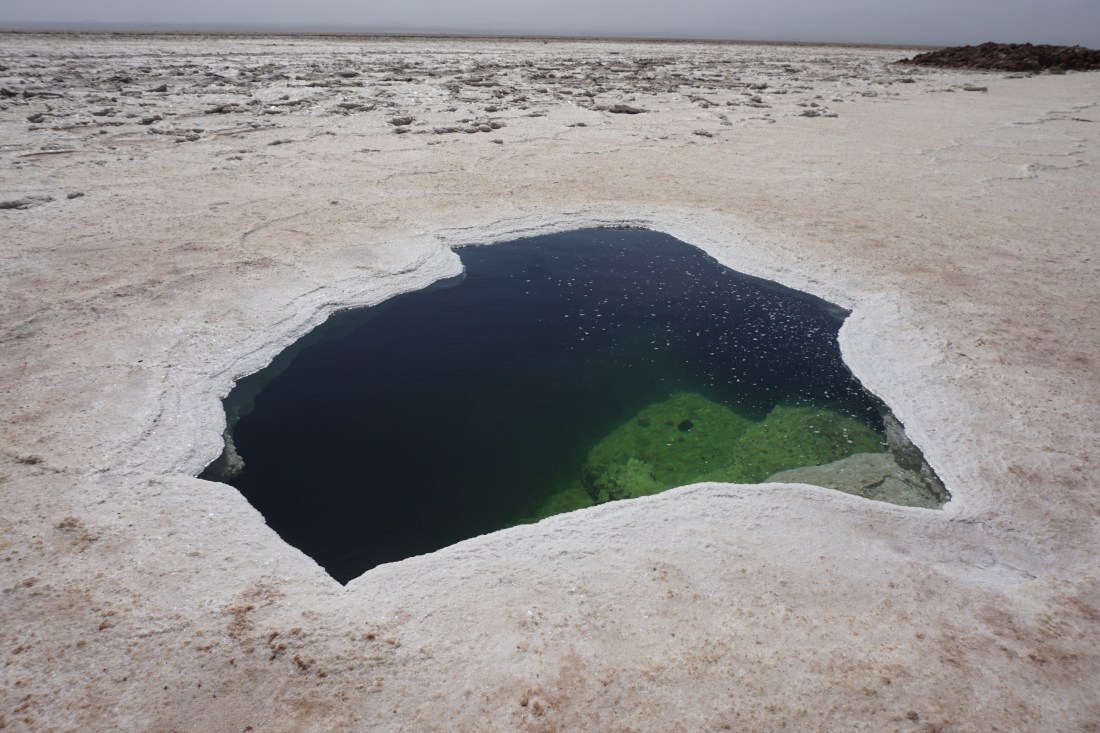
The opening in this salt pan was incredibly deep and extremely salted.
DSC03597

DSC03608


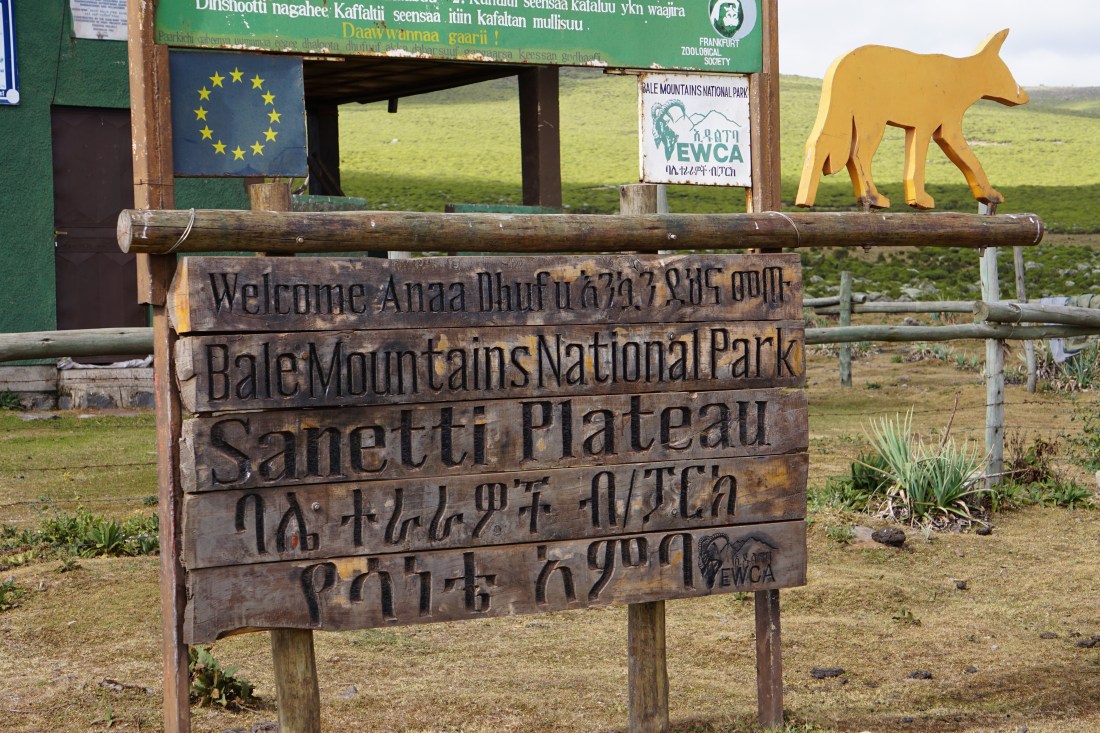
Southern Ethiopia – Bale Mountains Sanetti Plateau

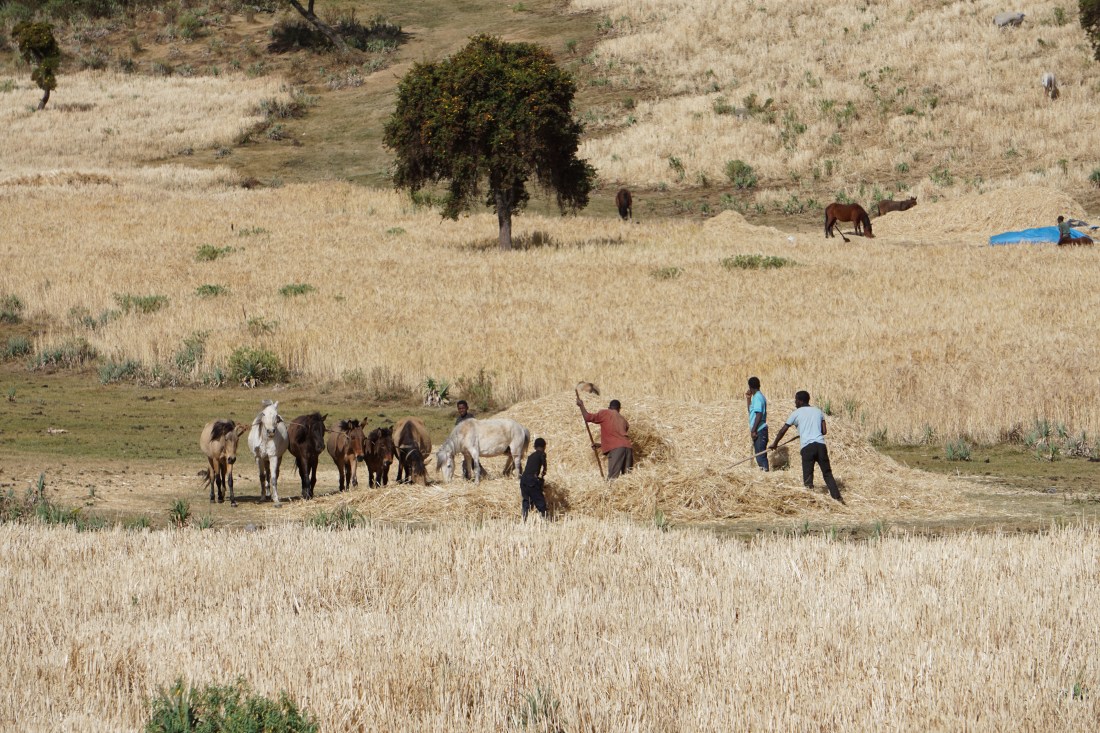
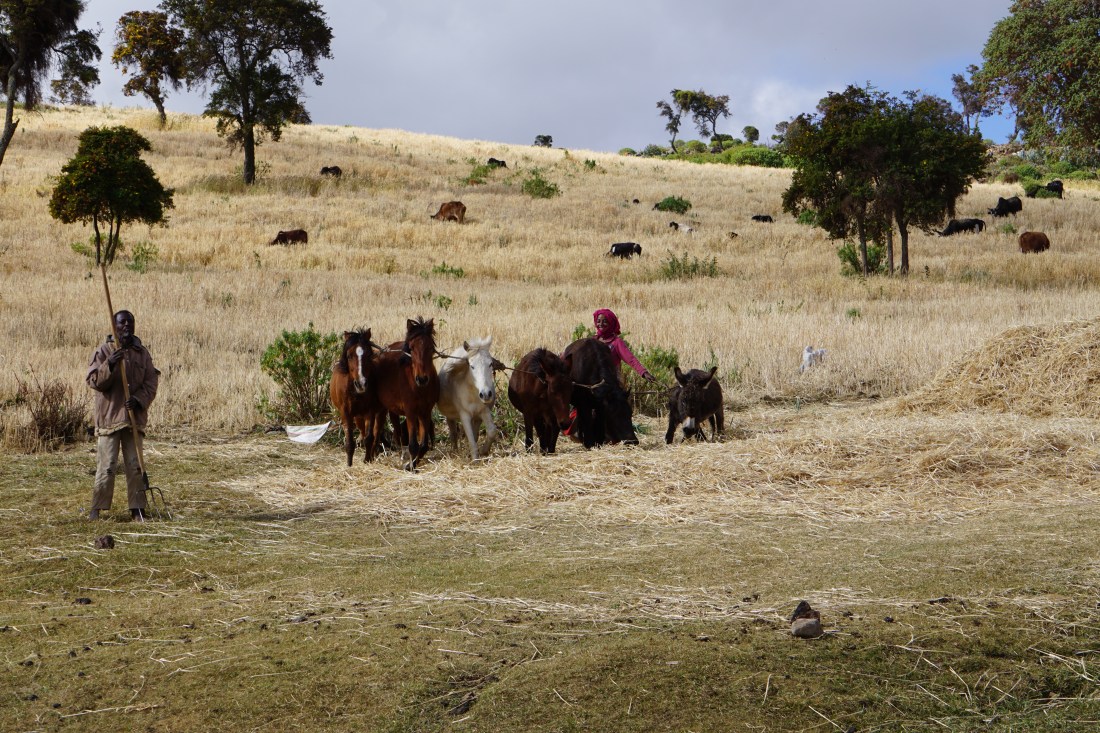
On our way to the Sanetti Plateau  we were able to see farmers threshing barley.
DSC03373

DSC03378

Interesting to see how bamboo and cactus are used for fences.
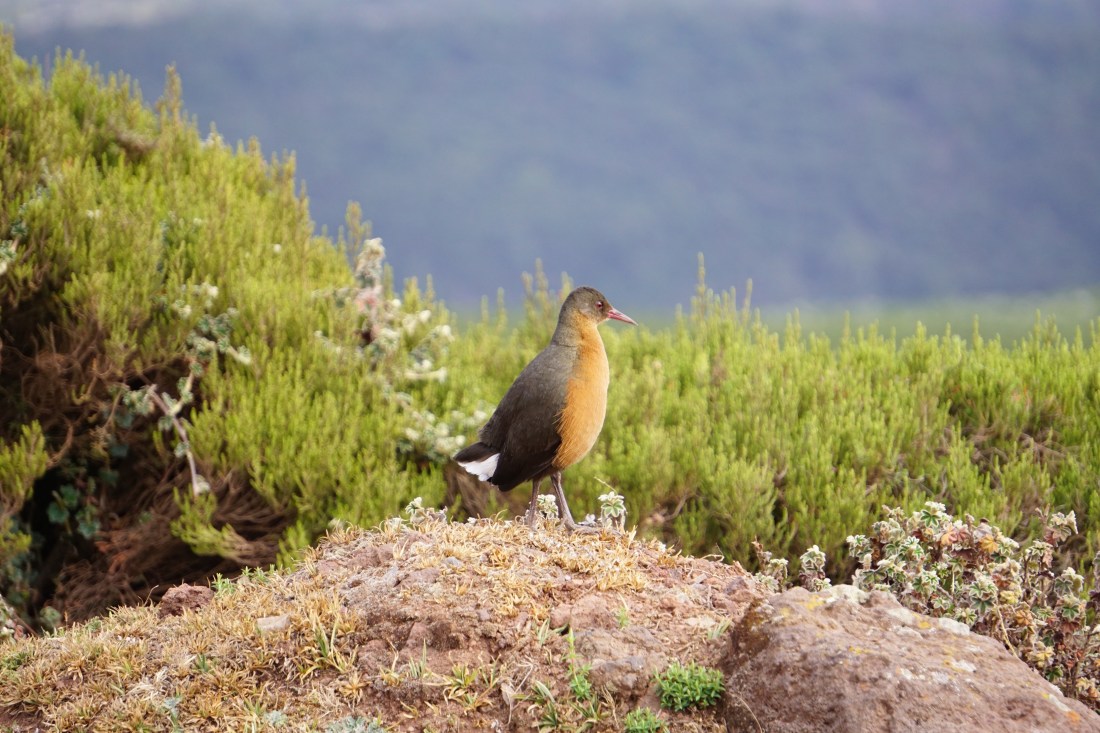
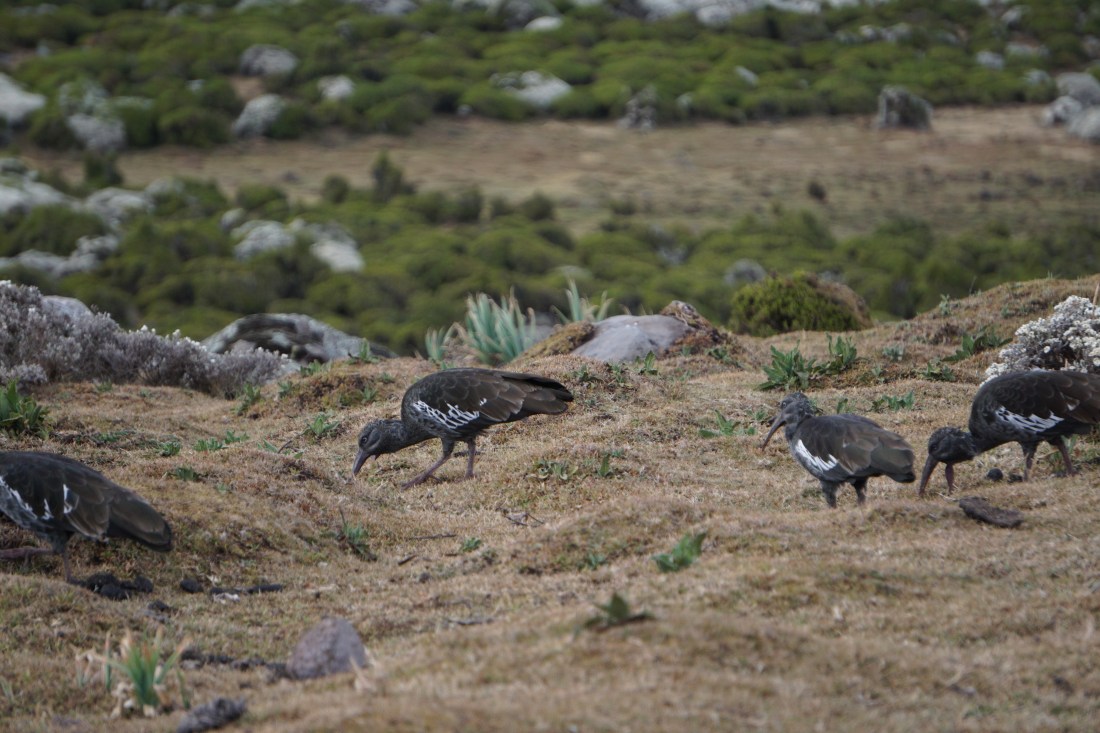
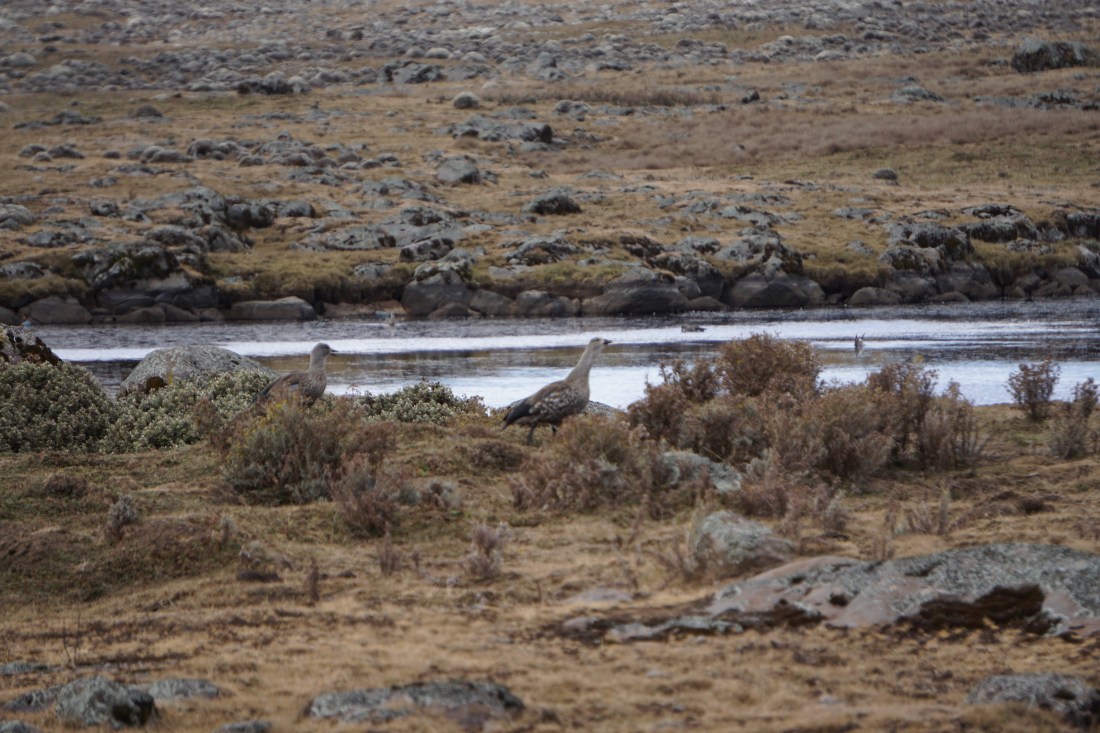
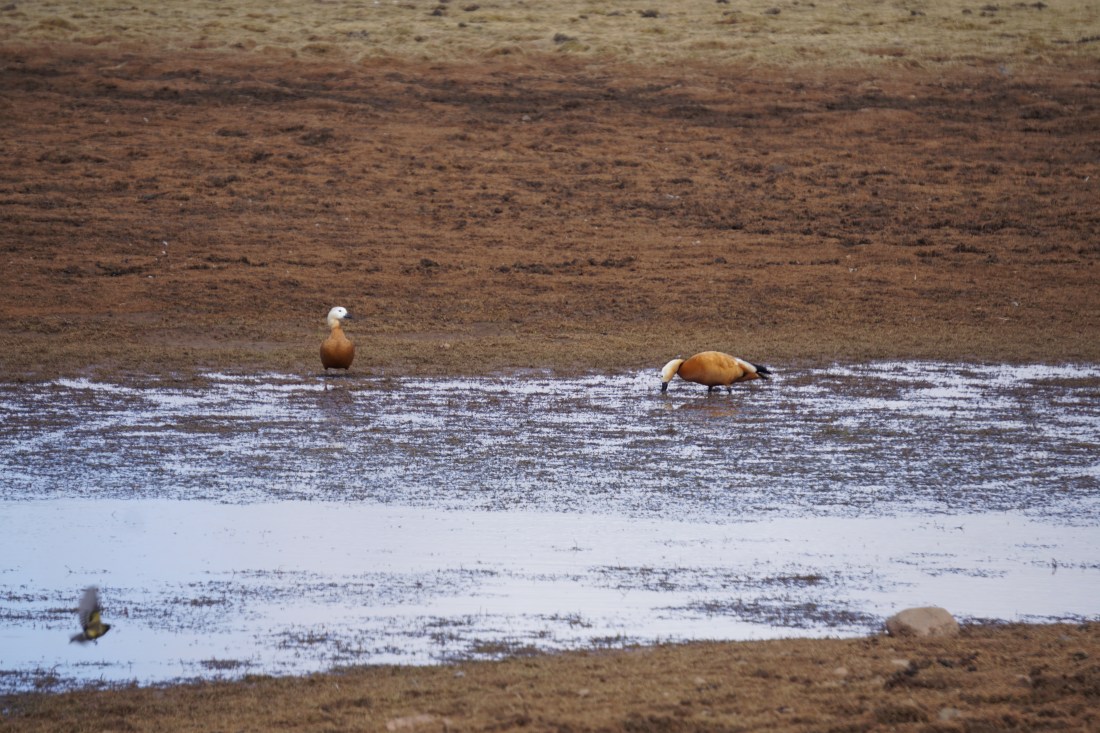
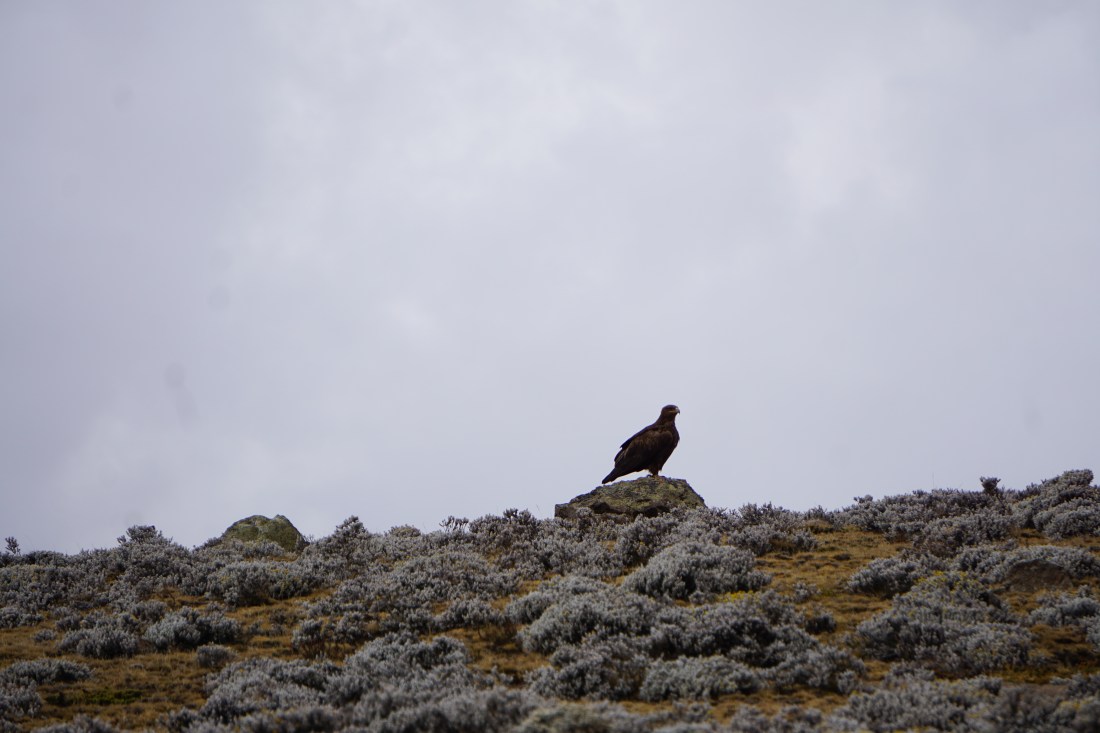
DSC03380Great bird viewing on the way to the plateau.

DSC03385

DSC03466

DSC03388

DSC03391

DSC03449

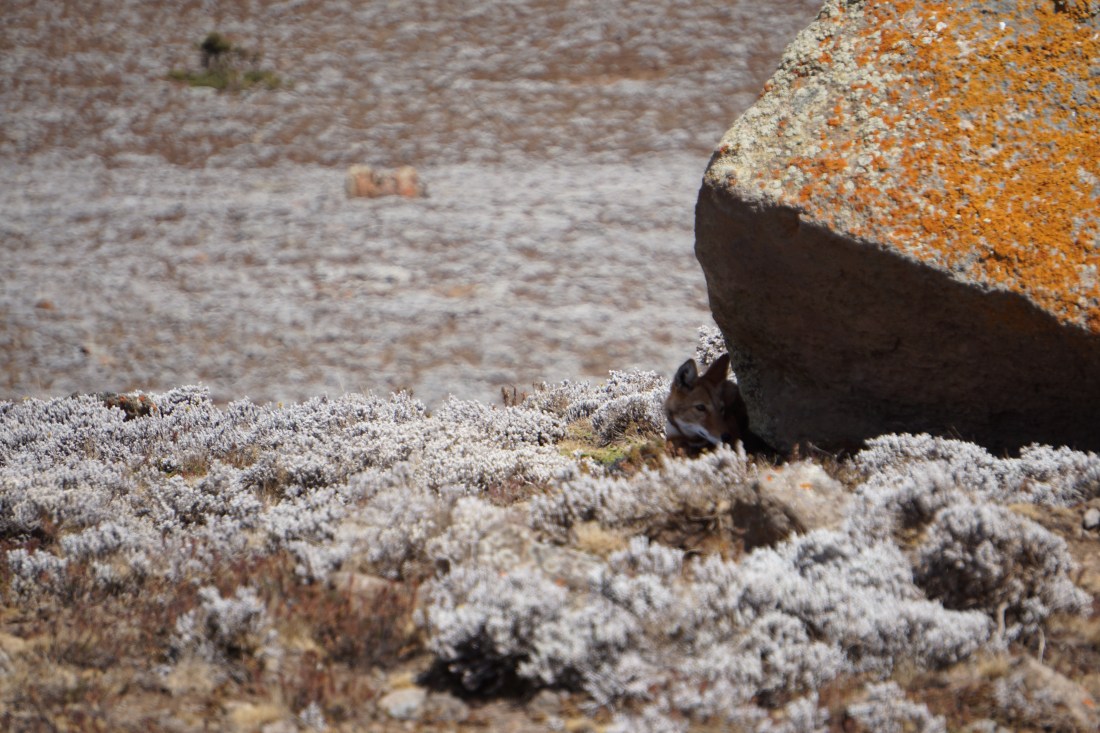
Even got to see an Ethiopian wolf! There are only a few hundred in the country – here and in the Simien Mountains.

DSC03394

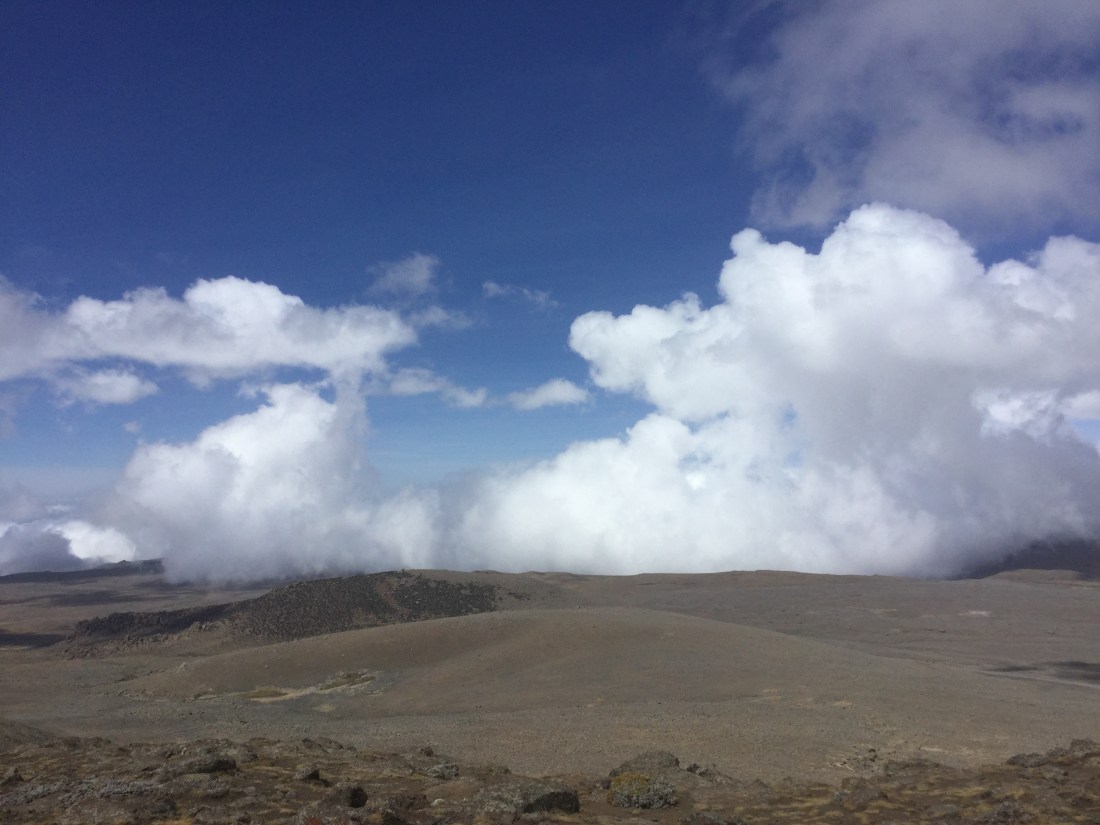
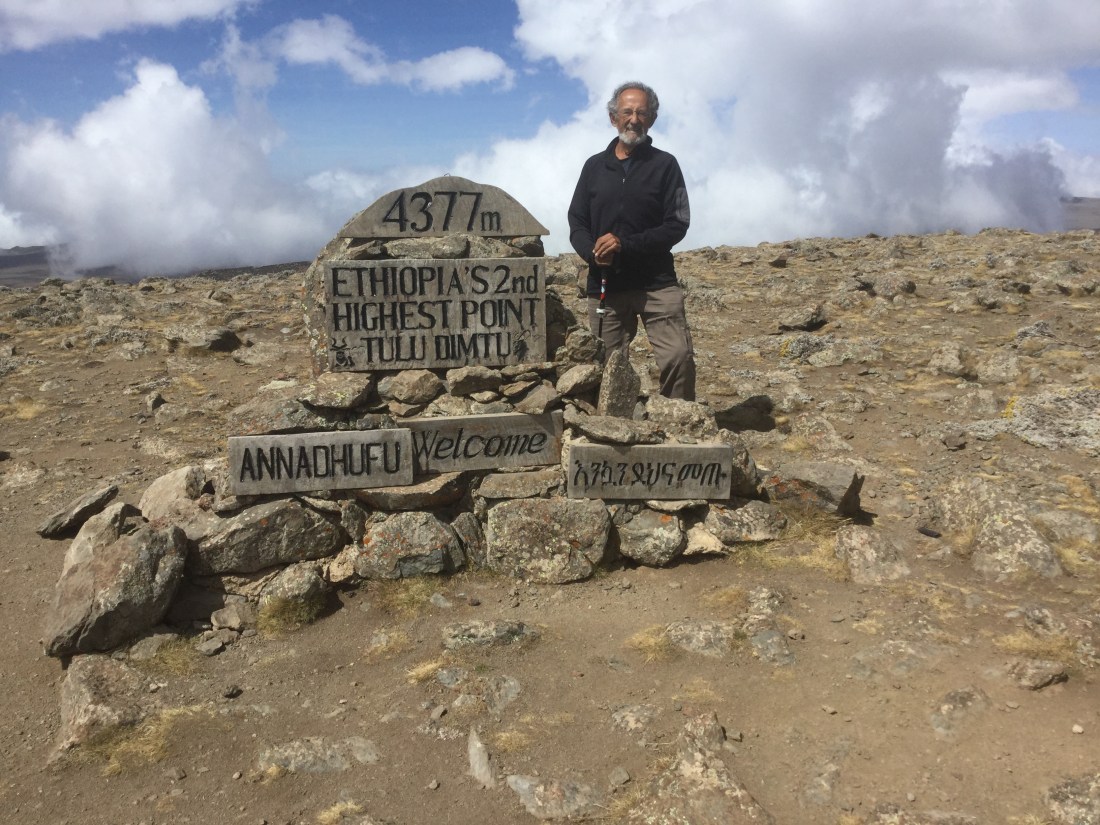
At the top of the plateau.

IMG-3069

IMG-3061

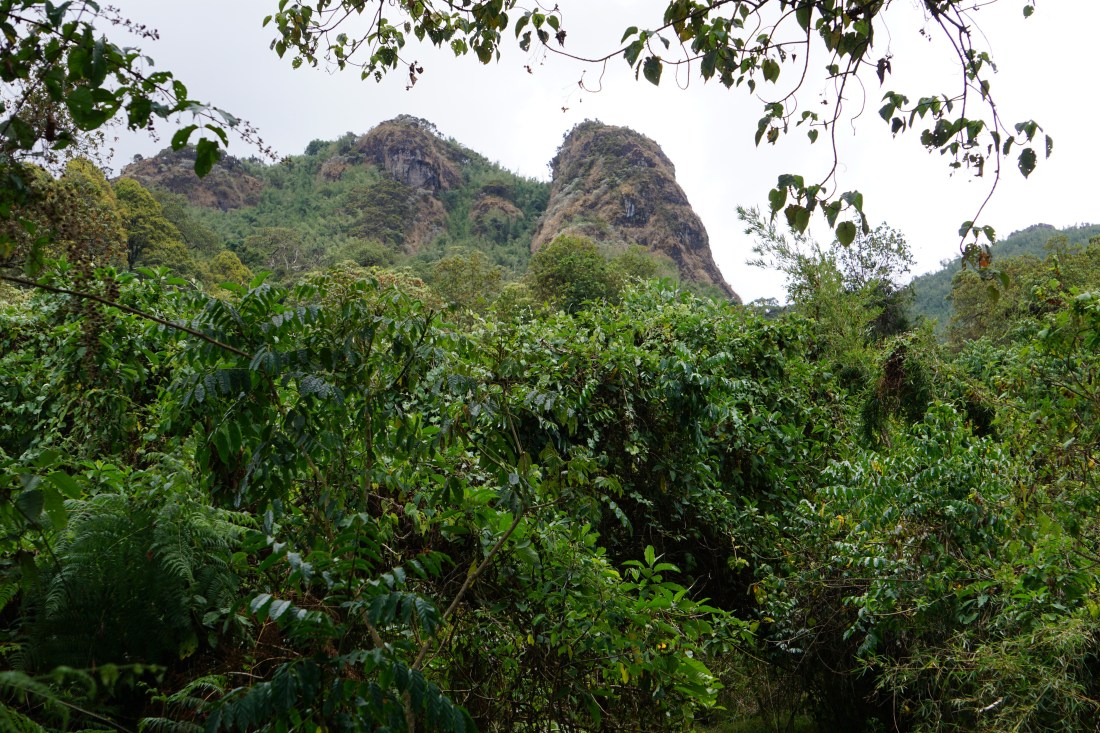
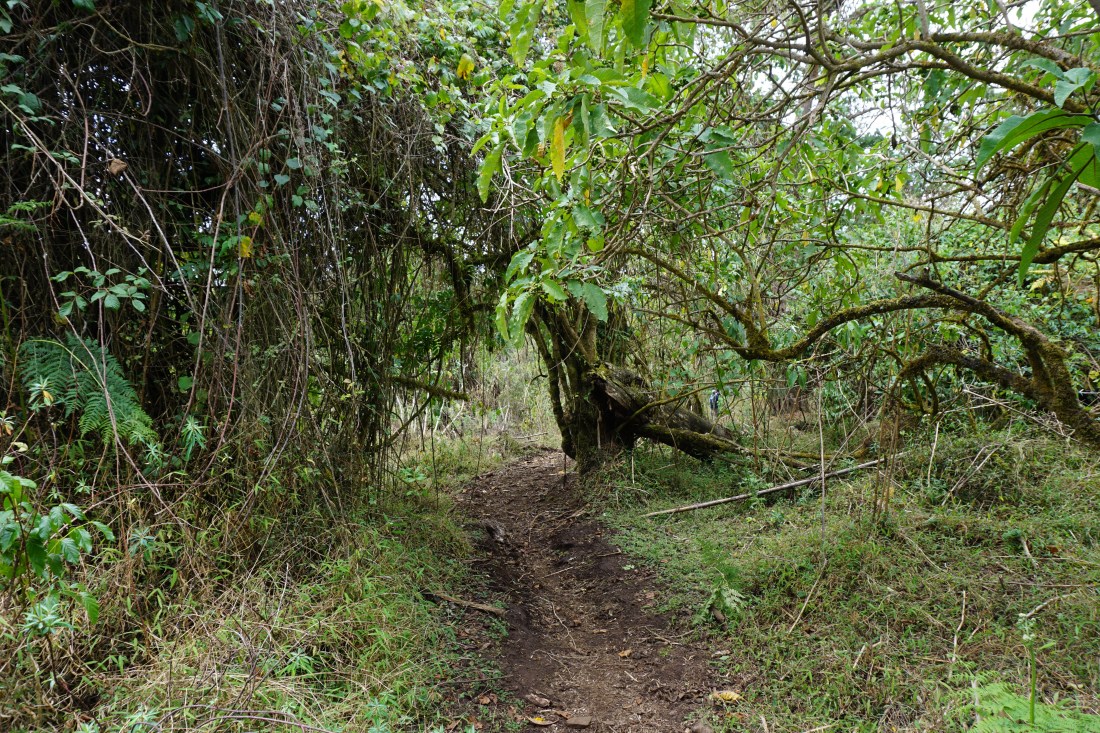
When we came down we headed into the jungle area for a hike.  So cool!

DSC03402

DSC03421

DSC03416

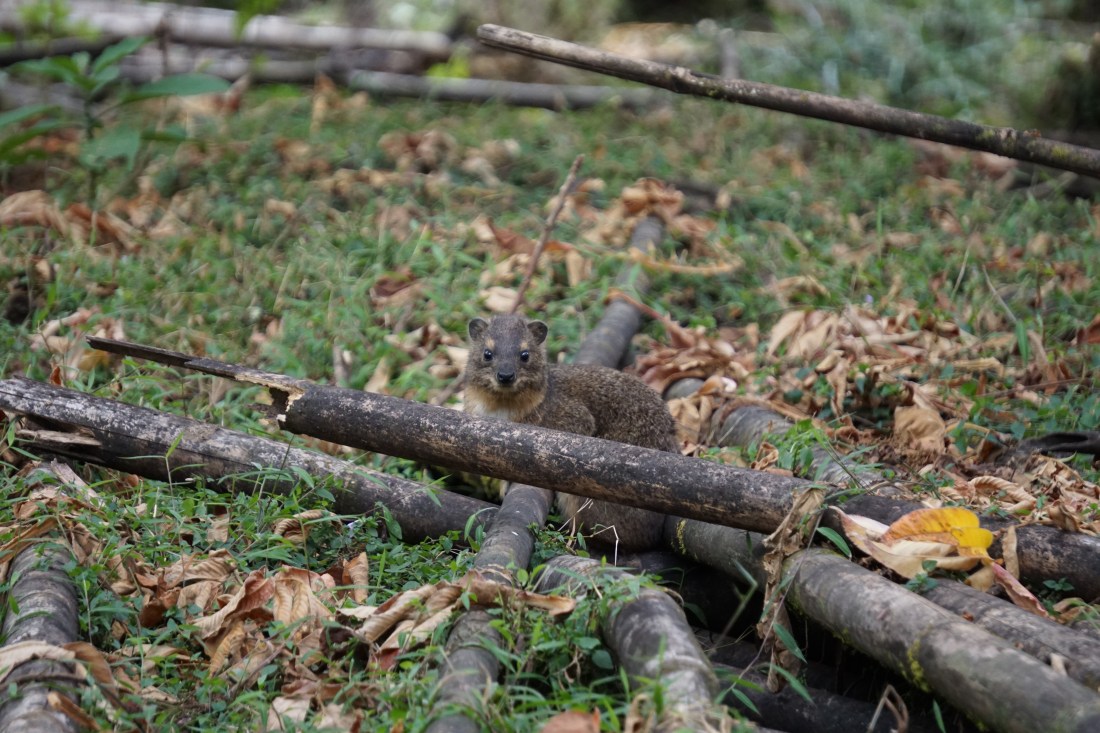
This little guy was so curious about me he waited patiently while I changed the lens on my camera to get a picture of him.  He is a Rock Hyrax,  the closest relative of the elephant.  Really!DSC03435