
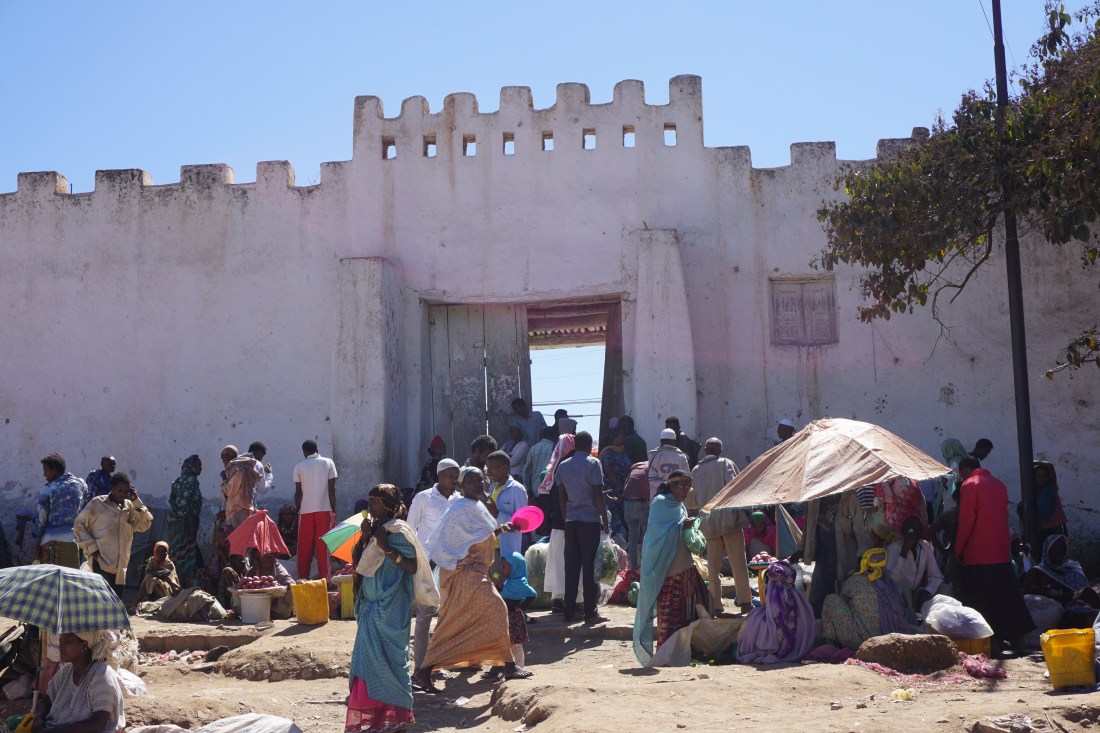
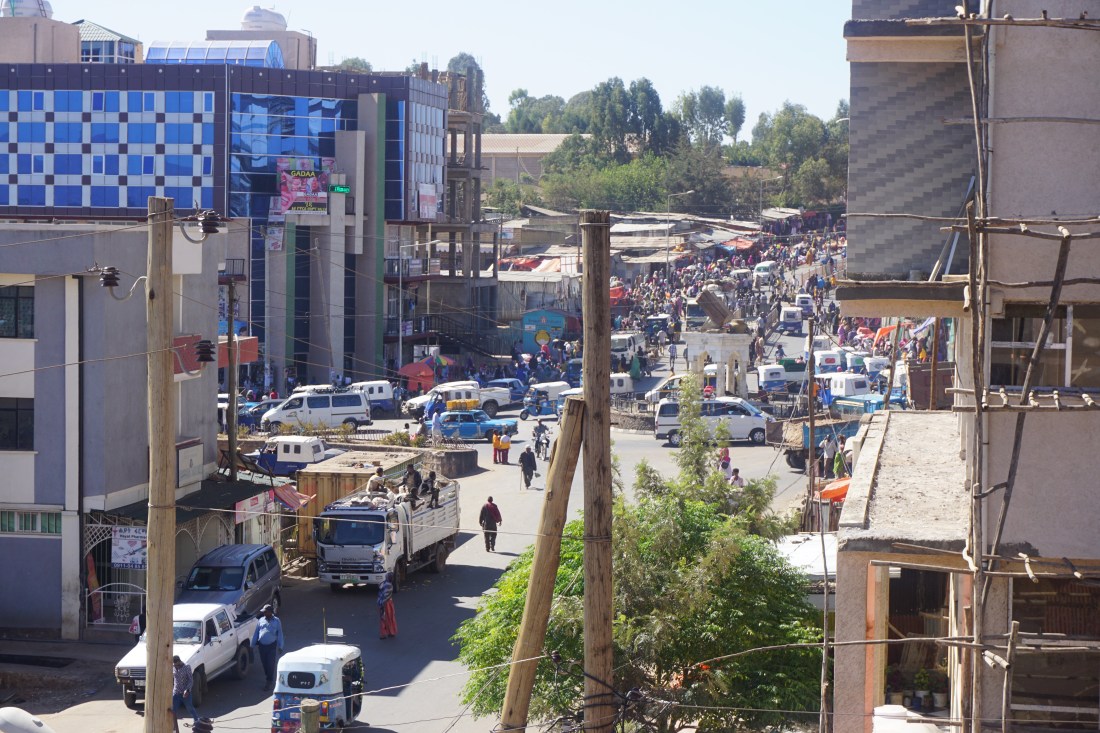
The Old City in Harar is an ancient historical site. It is one square kilometer and thirty thousand people live within its walls. There are five gates into the city.


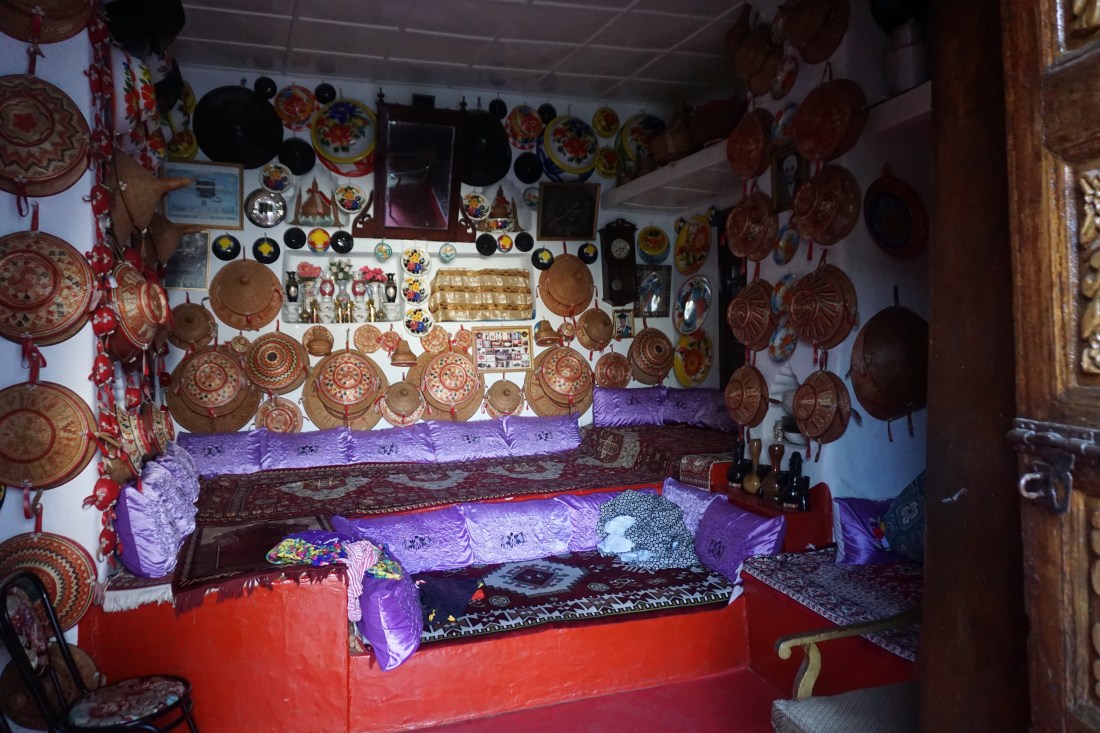
There are many traditional homes in the city that you can visit and stay in. The homes contain subtle information. For instance if you curl back the carpet you are sitting on and a reed carpet is evident underneath you know the household has a marriageable daughter or daughters. If you look above the doorway the number of rolled carpets will tell you how many. Where you sit and sleep is indicative of your status in the family.
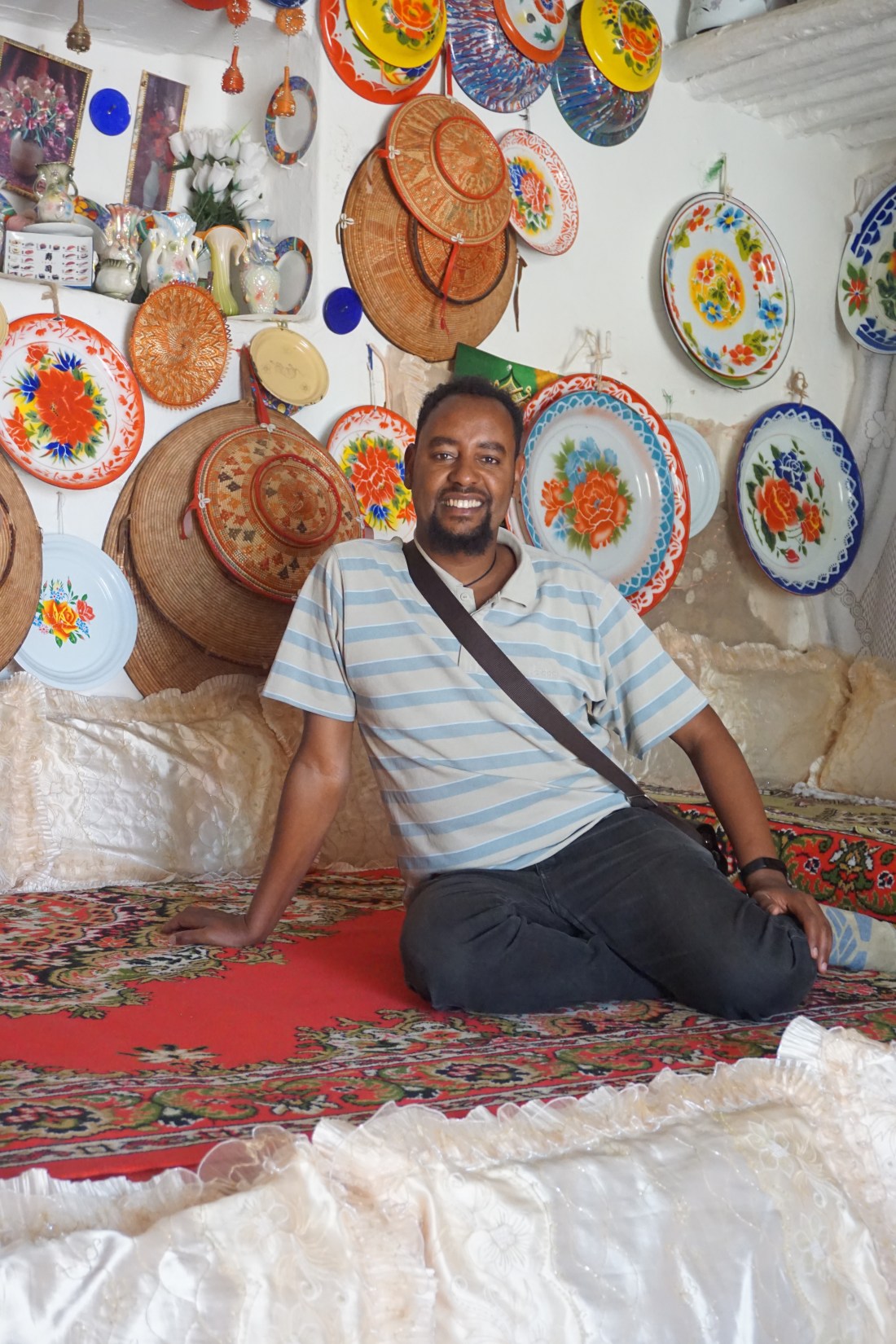
We hired Hailu for a four hour tour of the market. His number is +251913072931. He was excellent.
To preserve the city no changes can be made to the structures but painting is permitted. Before celebrations new painting becomes evident.


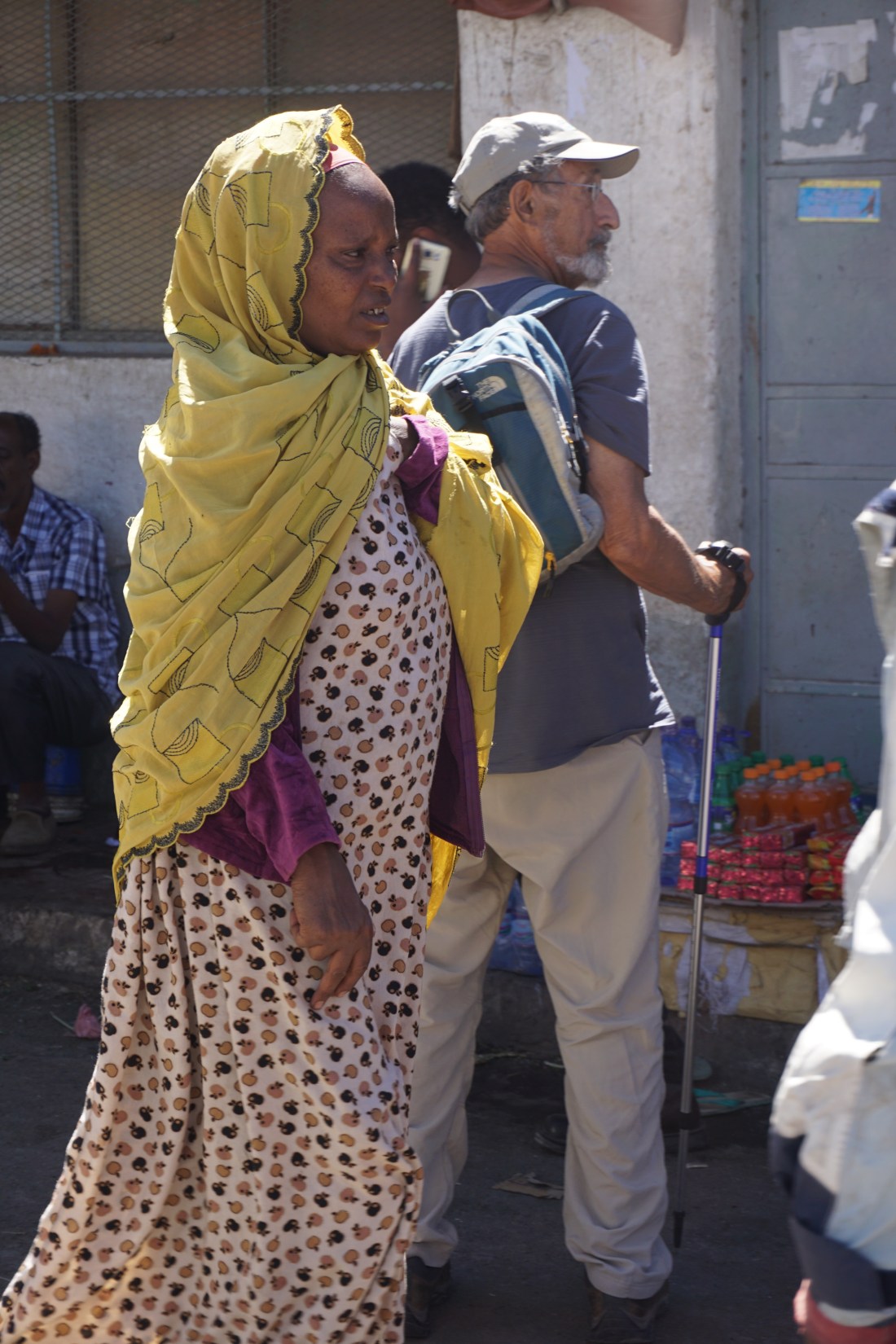
The Smugglers’ Market. Being a traditionally Muslin community, women cannot be searched by men so many items are smuggled into the country under their hijabs. Our guide was pleased to show off the boots he got here.
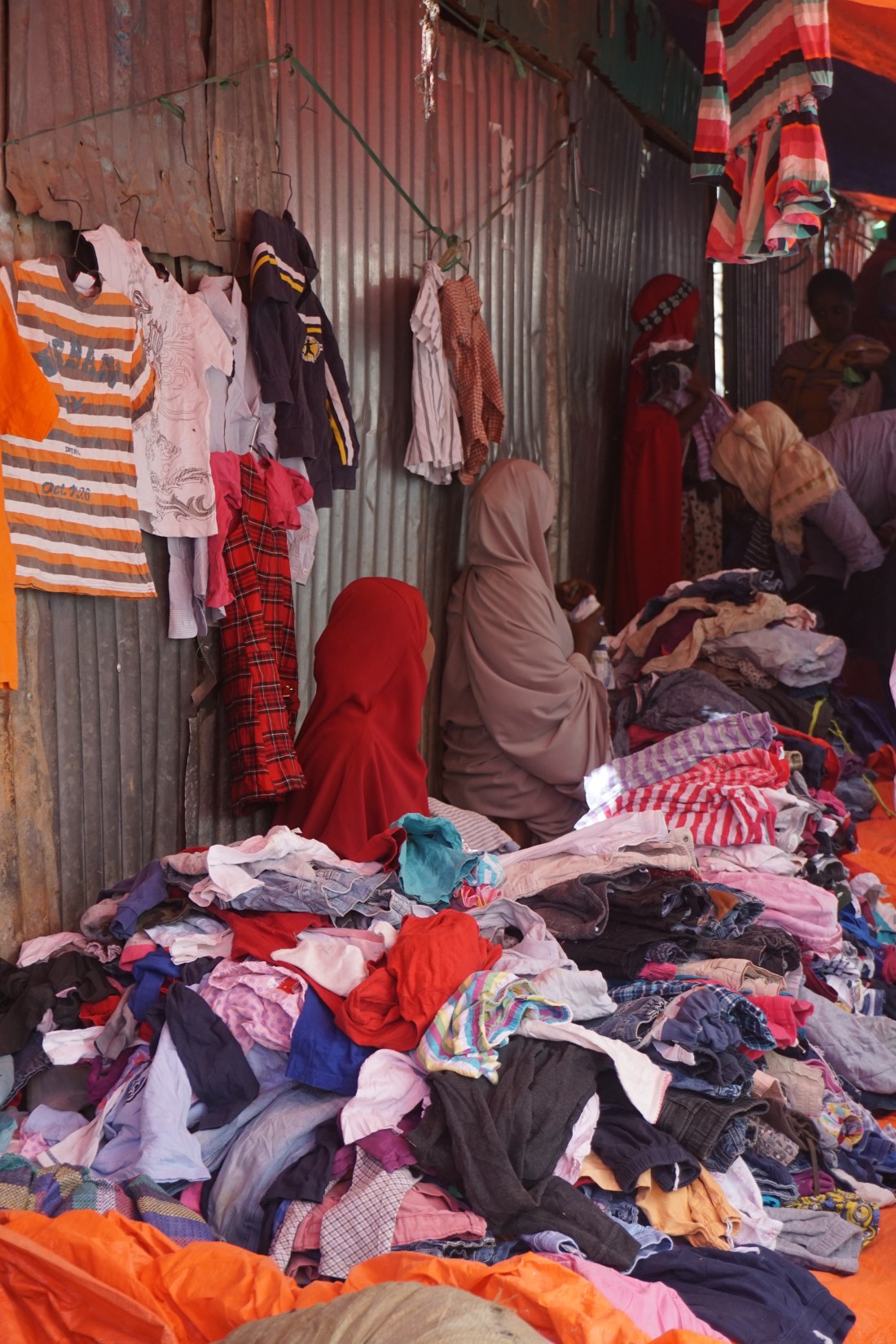
Women choose the fabric they like and take it to any of the many tailors available.
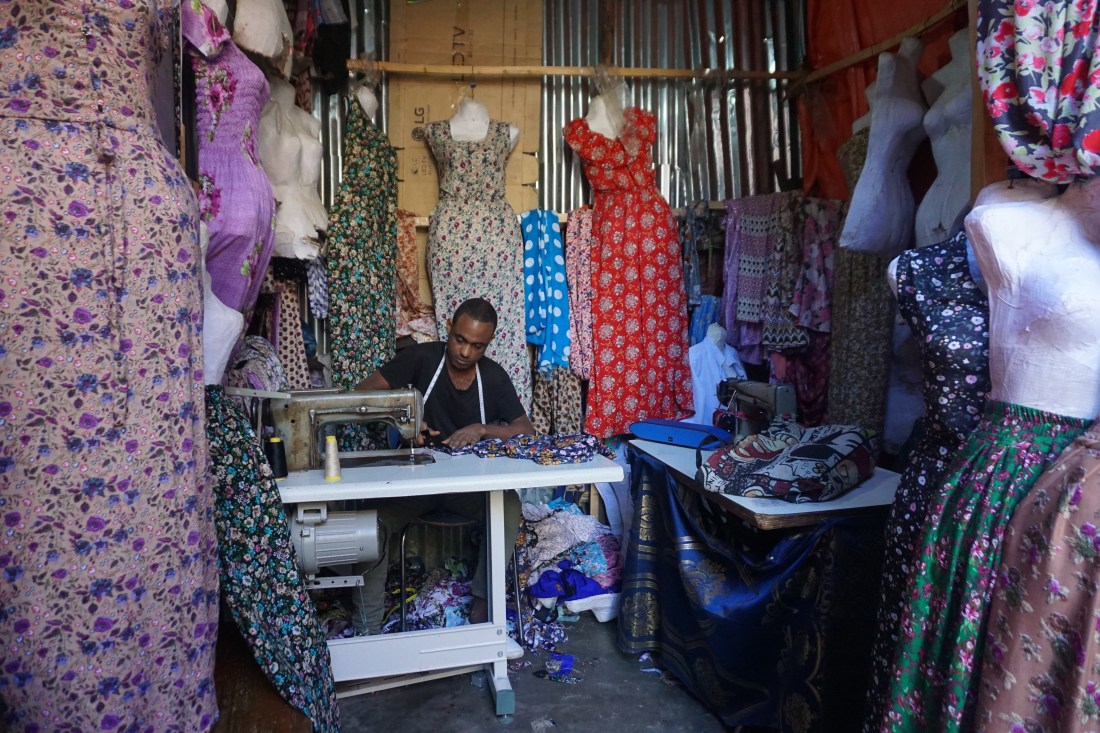
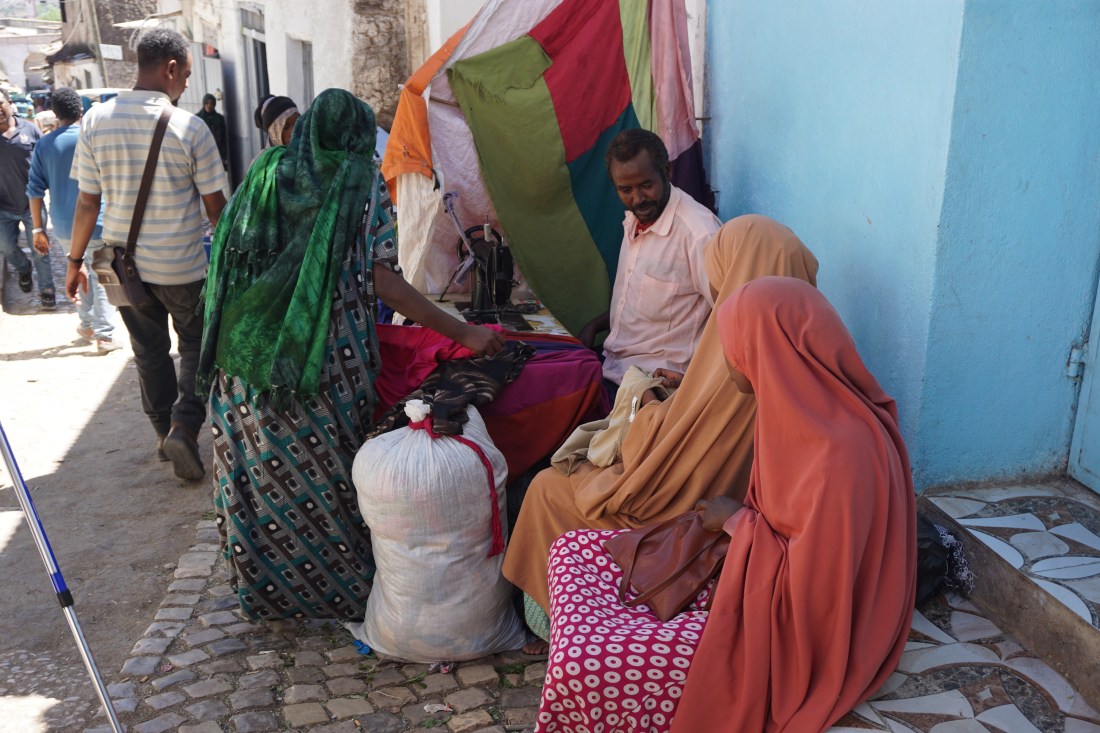


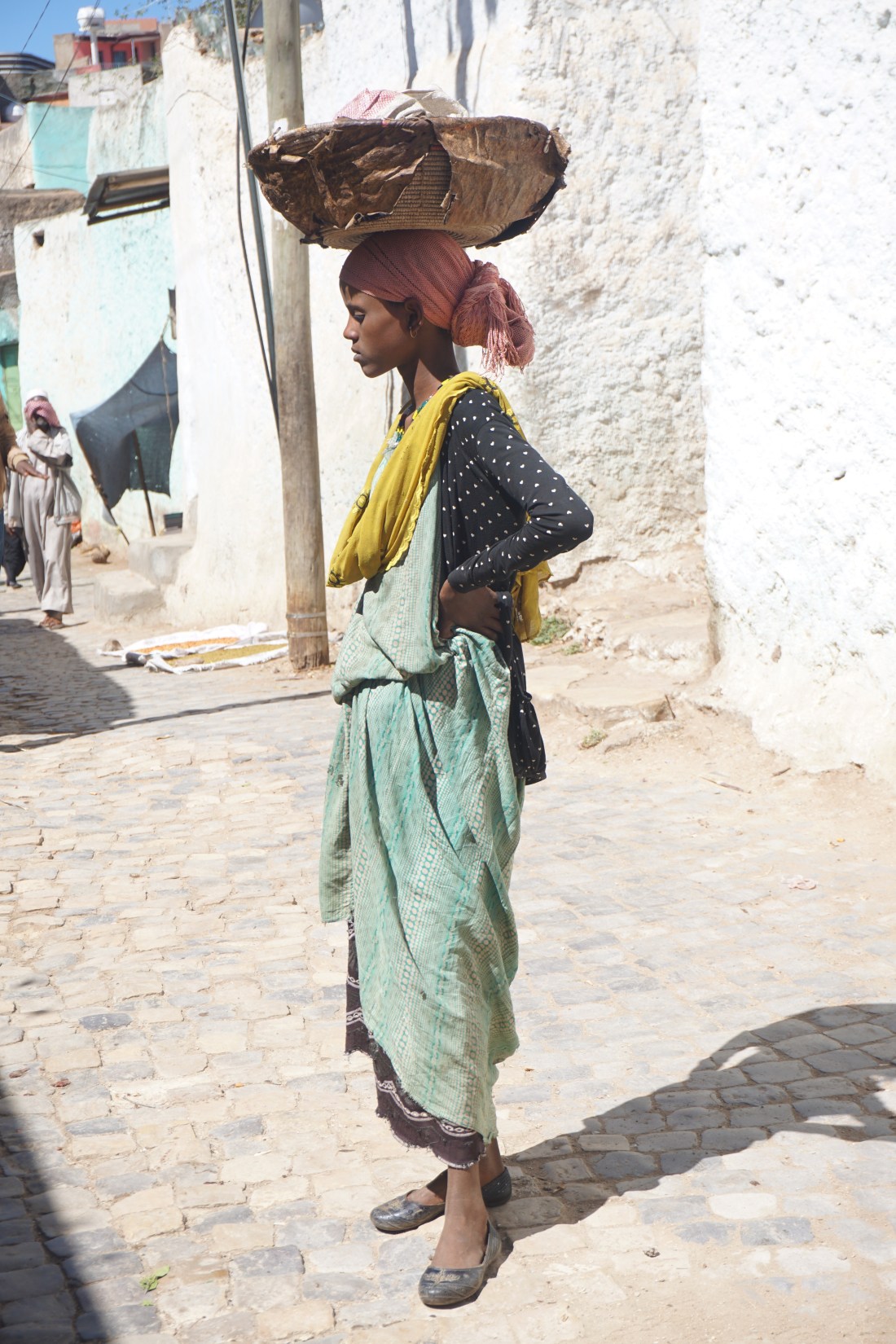
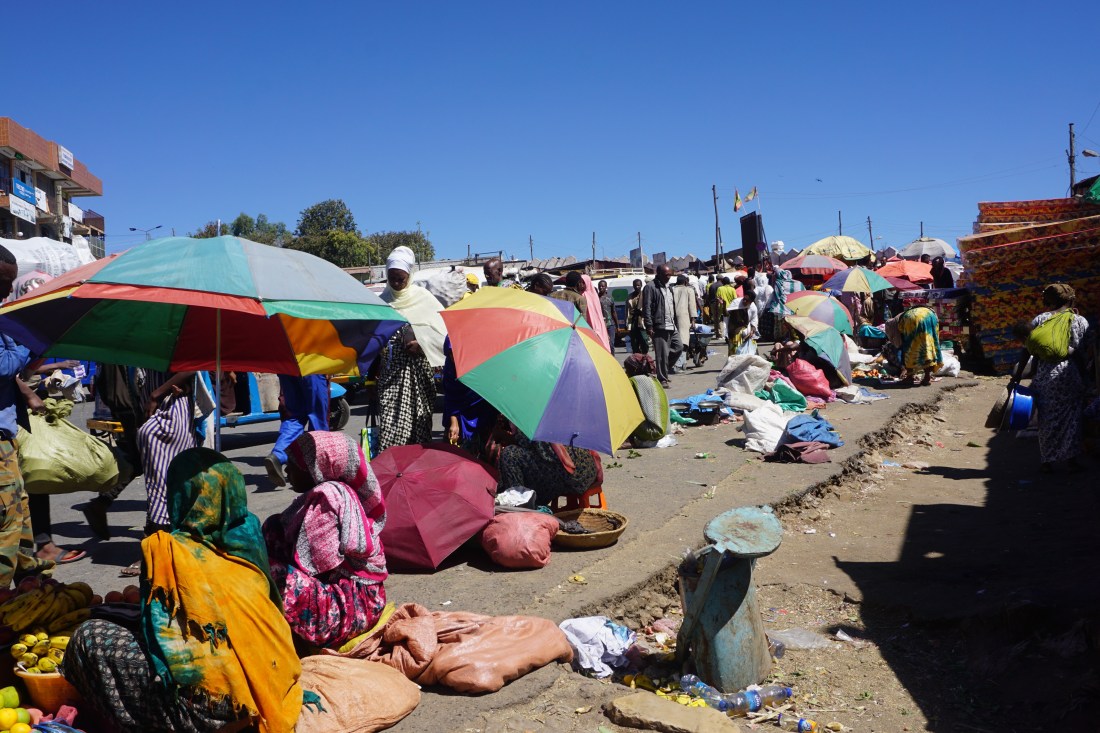
Colorful market sights.
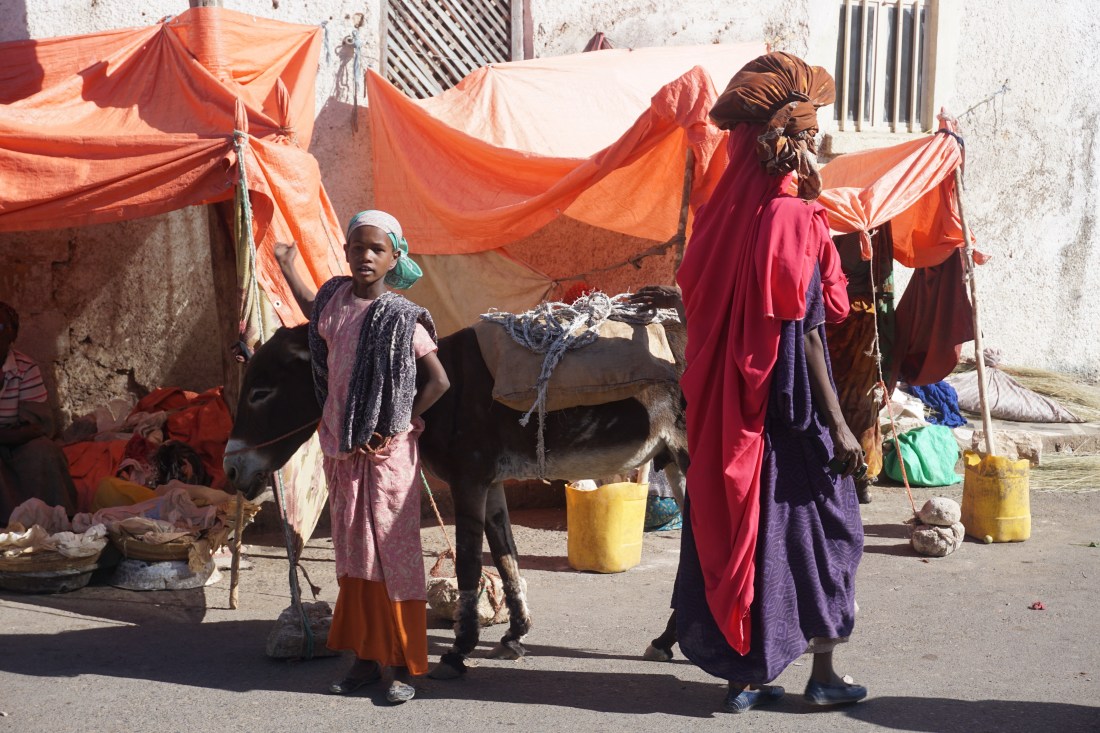


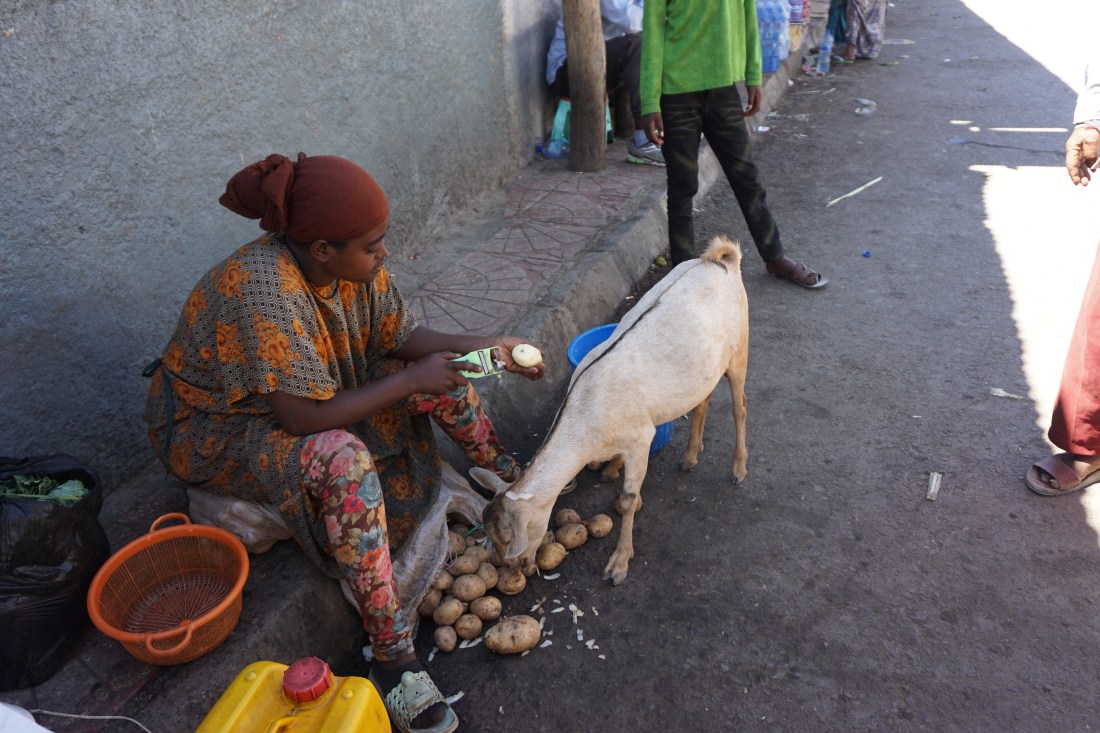
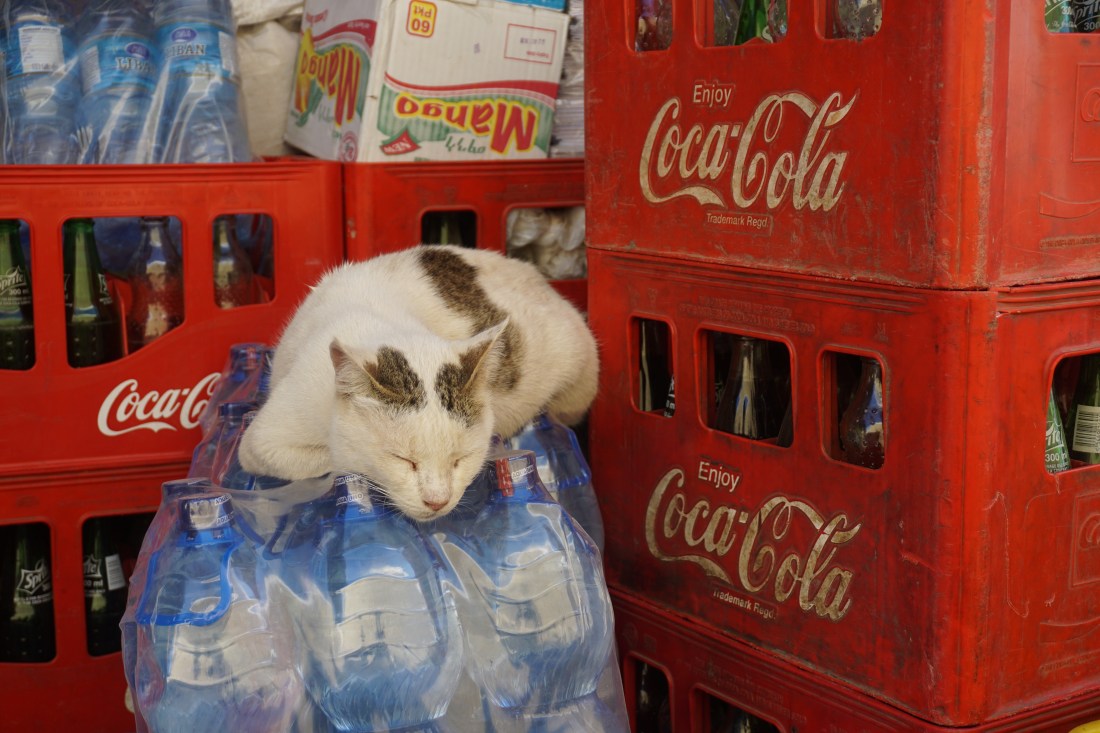
Never any waste.






Sugarcane ladened donkeys.


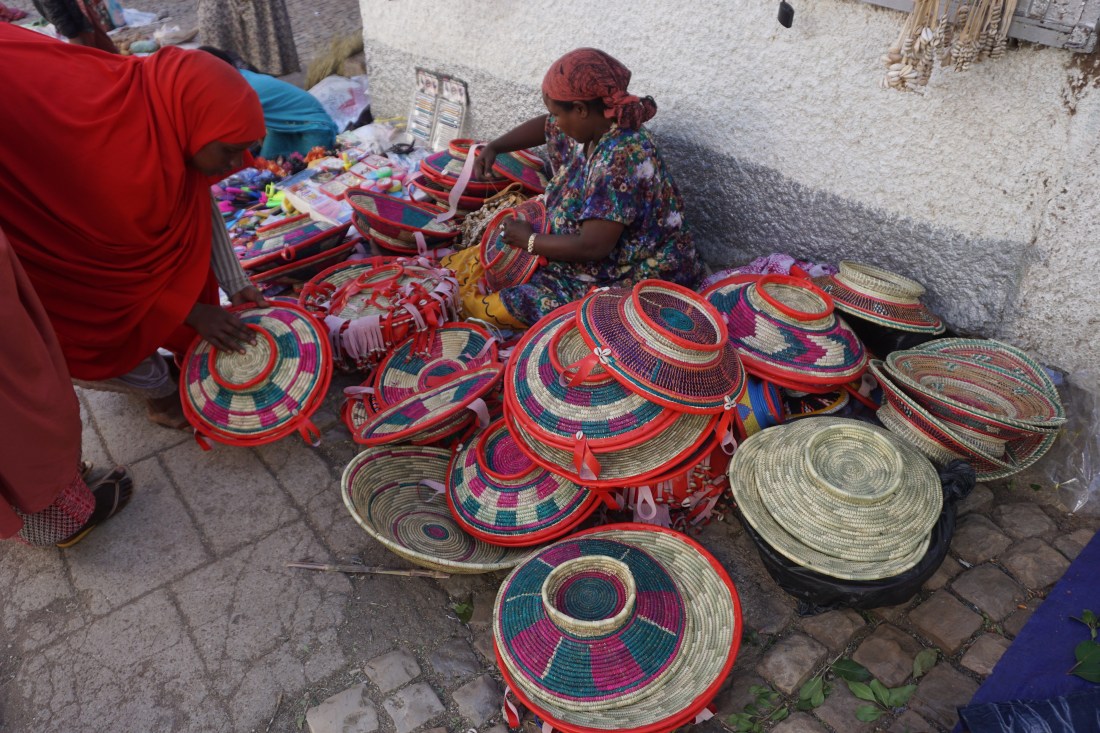
Baskets specially woven to hold injera.


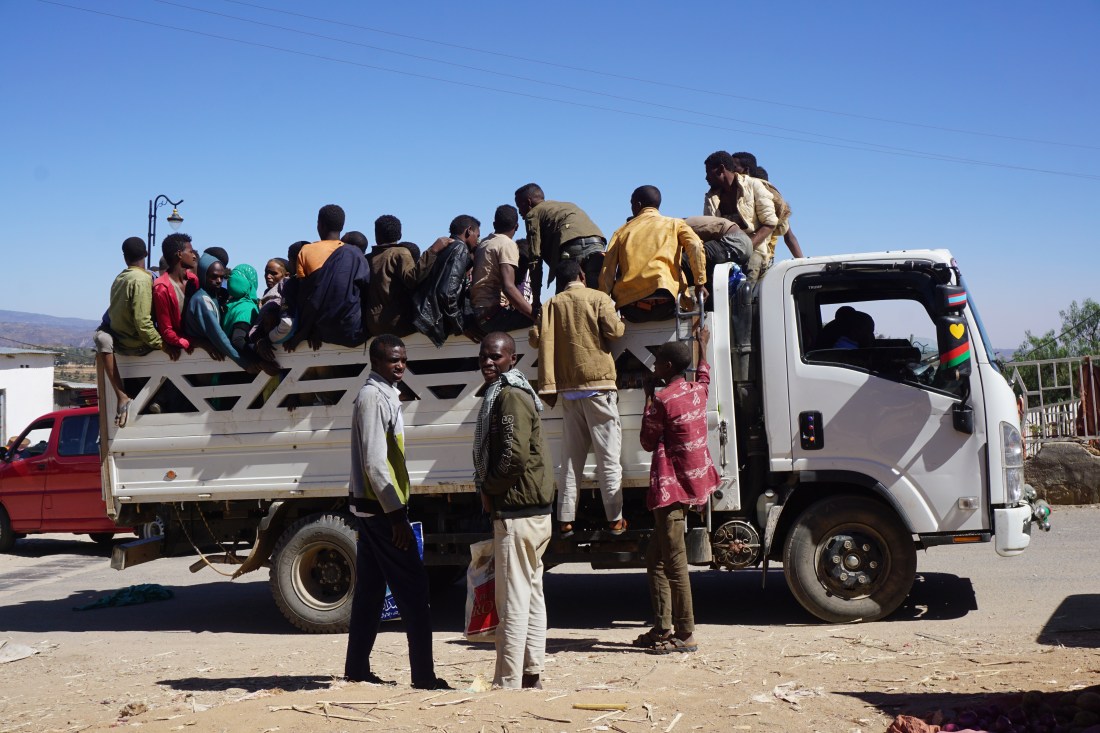
Truck loads of khat being brought to market. khat is a narcotic plant, chewed by a very high percentage of men in the country and exported to many countries around the world. It is a problem because it is addictive, and farmers are choosing to grow it rather than food crops, because it is much more lucrative. There are plenty of social and public health problems associated with it as well.
Women selling khat.


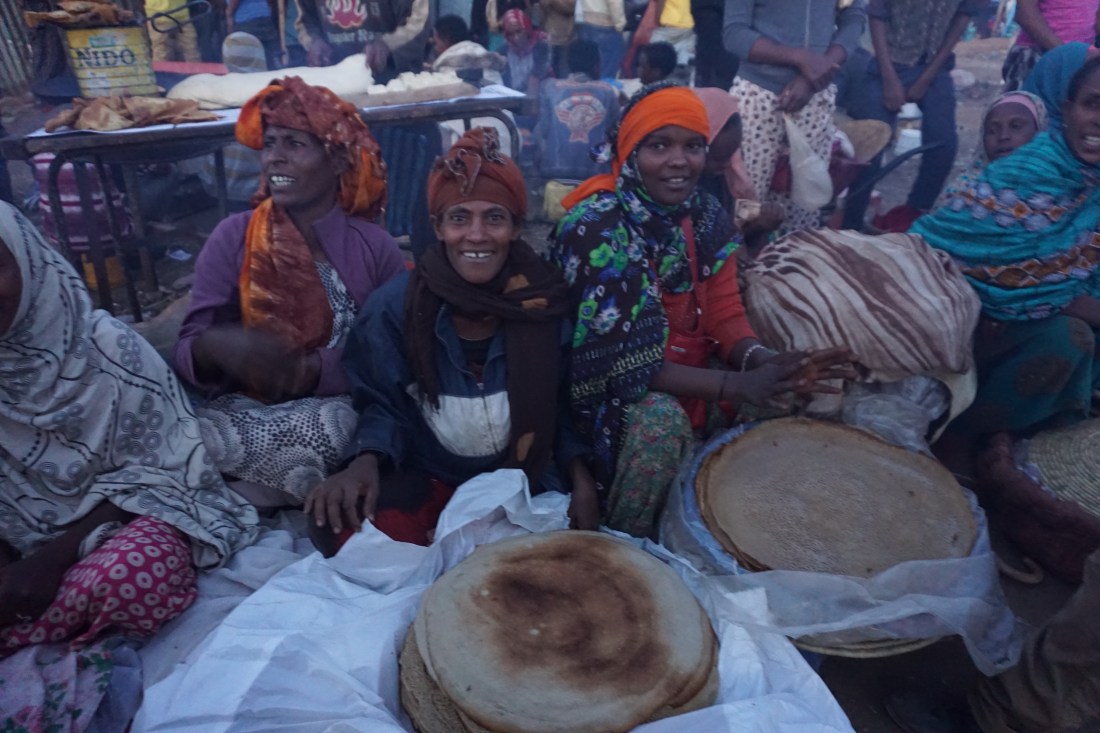
Injera.
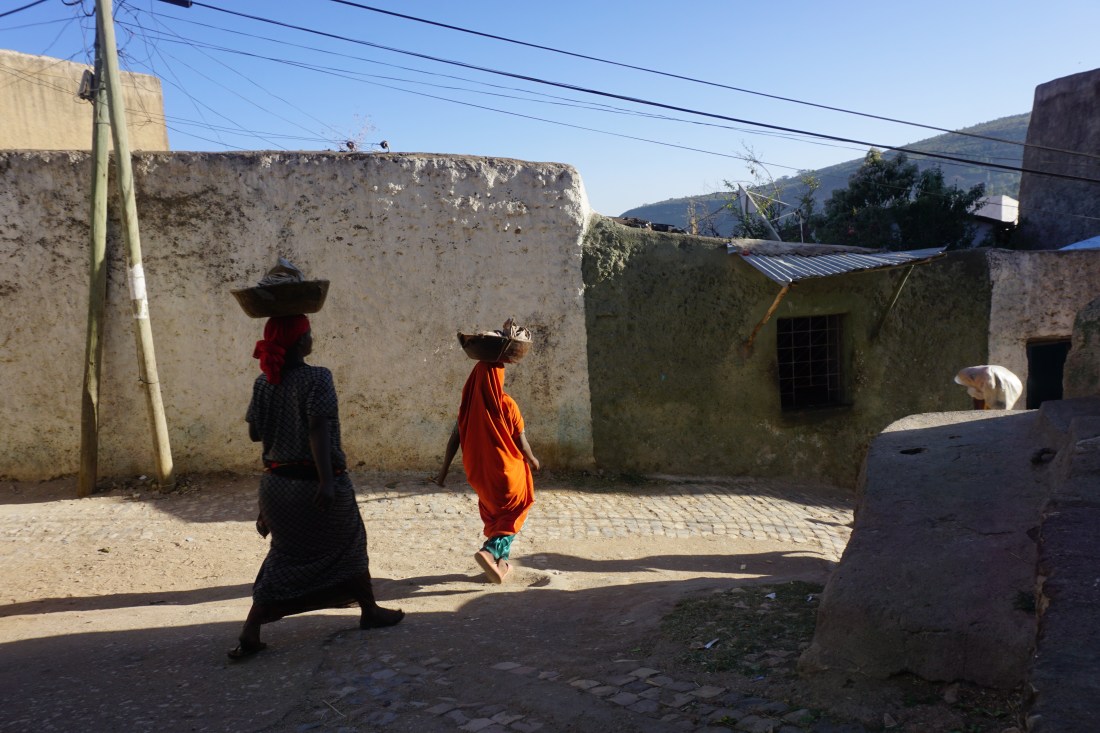
Our guide started this activity with the kites for his tours and to provide a little money to the camel meat shops.
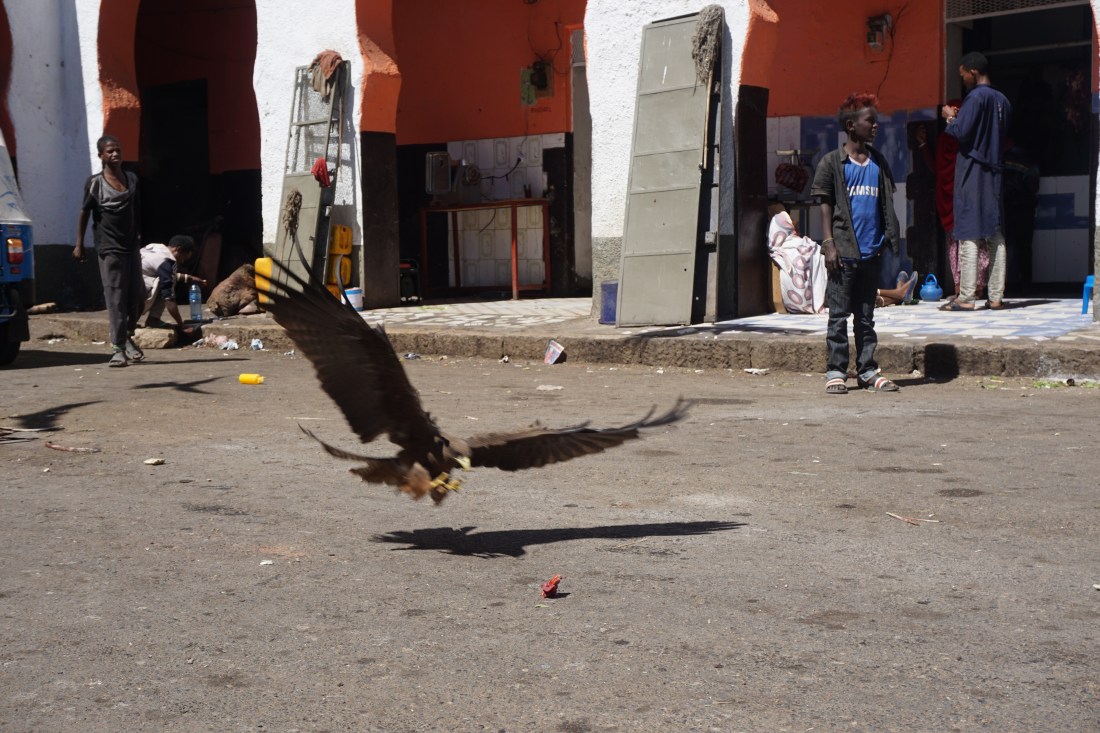
A worker holds up a piece of meat, and the kites, who are roosting on the roof, swoop down and very adroitly snatch it from his hand or head or even in mid-air.
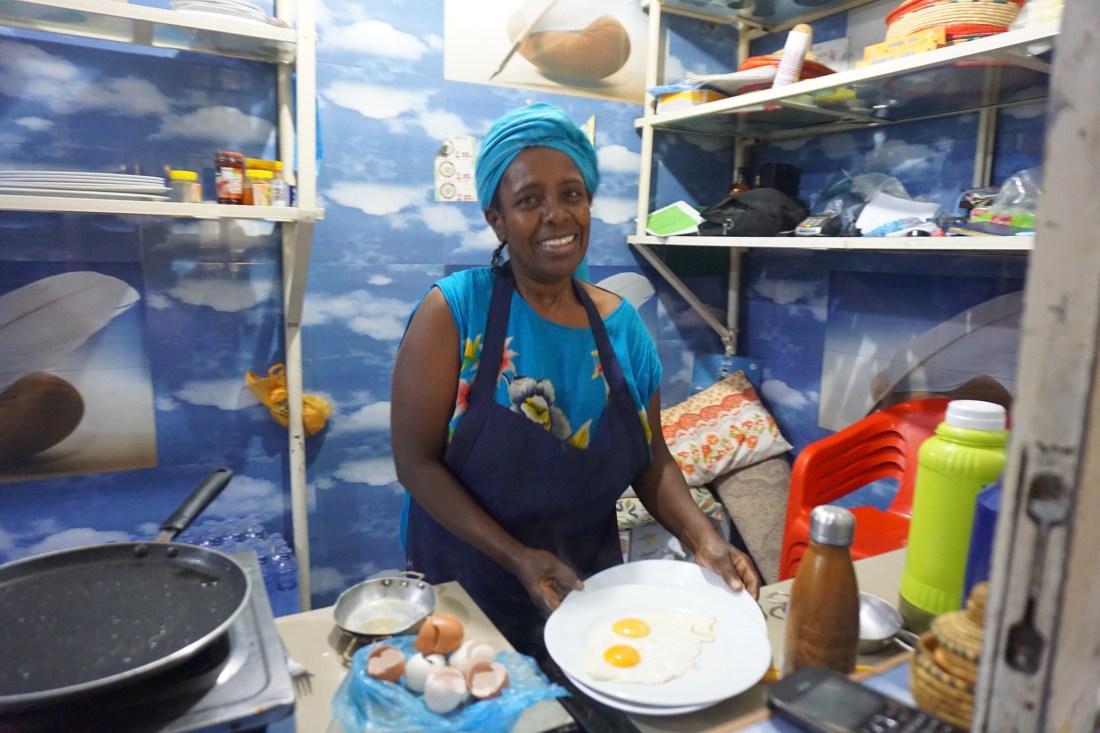
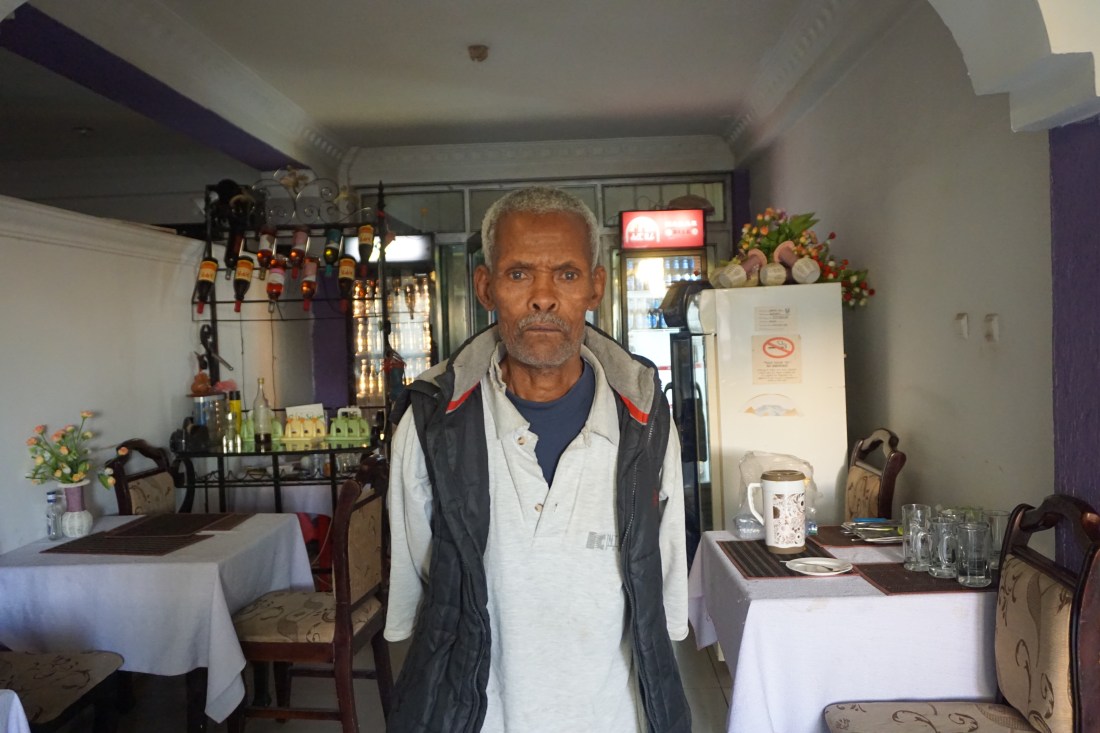
The lovely hotel cook who made a special soup for John when she heard he was sick.


 BeverleyandJohn's2018Travels